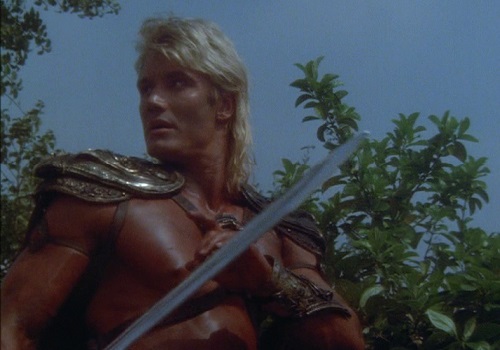
100. Dead Man (1995, Jim Jarmusch)
099. Goldfinger (1964, Guy Hamilton)
098. The Matrix Reloaded (2003, The Wachowski Brothers)
097. The Social Network (2010, David Fincher)
096. Boogie Nights (1997, Paul Thomas Anderson)
095. Sin City (2005, Frank Miller, Robert Rodriguez)
094. Heavenly Creatures (1994, Peter Jackson)
093. Crouching Tiger, Hidden Dragon (2000, Ang Lee)
092. Life is Beautiful (1997, Roberto Benigni)
091. The Spy Who Loved Me (1977, Lewis Gilbert)
090. Pusher III: I’m the Angel of Death (2005, Nicolas Winding Refn)
089. Rosemary’s Baby (1968, Roman Polanski)
088. No Country for Old Men (2007, Ethan Coen, Joel Coen)
087. For a Few Dollars More (1965, Sergio Leone)
086. Lock, Stock and Two Smoking Barrels (1998, Guy Ritchie)
085. The Wolf of Wall Street (2014, Martin Scorsese)
084. Titanic (1997, James Cameron)
083. Birdman or (The Unexpected Virtue of Ignorance) (2014, Alejandro González Iñárritu)
082. L.A. Confidential (1997, Curtis Hanson)
081. Man on the Moon (1999, Milos Forman)
080. Excalibur (1981, John Boorman)
079. Carlito’s Way (1993, Brian De Palma)
078. Scream (1996, Wes Craven)
077. Spring, Summer, Fall, Winter… and Spring (2003, Ki-duk Kim)
076. White Heat (1949, Raoul Walsh)
075. Clerks (1994, Kevin Smith)
074. Fear and Loathing in Las Vegas (1998, Terry Gilliam)
073. Margin Call (2011, J.C. Chandor)
072. One Flew Over the Cuckoo’s Nest (1975, Milos Forman)
071. The Elephant Man (1980, David Lynch)
070. The Truman Show (1998, Peter Weir)
069. Forrest Gump (1994, Robert Zemeckis)
068. Lethal Weapon 2 (1989, Richard Donner)
067. The Bride of Frankenstein (1935, James Whale)
066. Dazed and Confused (1993, Richard Linklater)
065. Predator (1987, John McTiernan)
064. Army of Darkness (1992, Sam Raimi)
063. Scarface (1983, Brian de Palma)
062. Bohemian Rhapsody (2018, Bryan Singer)
061. Festen (1998, Thomas Vinterberg)
060. Total Recall (1990, Paul Verhoeven)
059. Melancholia (2011, Lars von Trier)
058. Blue is the Warmest Colour (2013, Abdellatif Kechiche)
057. Shogun Assassin (1980, Robert Houston)
056. Happiness (1998, Todd Solondz)
055. Back to the Future (1985, Robert Zemeckis)
054. The Good, the Bad and the Ugly (1966, Sergio Leone)
053. Requiem for a Dream (2000, Darren Aronofsky)
052. The Untouchables (1987, Brian De Palma)
051. Before Sunrise (1995, Richard Linklater)
050. Fight Club (1999, David Fincher)
049. Black Swan (2010, Darren Aronofsky)
048. Once Upon a Time in America (1984, Sergio Leone)
047. Sideways (2004, Alexander Payne)
046. Stand by Me (1986, Rob Reiner)
045. Rififi (1955, Jules Dassin)
044. Fargo (1996, Joel Coen)
043. Casino (1995, Martin Scorsese)
042. Full Metal Jacket (1987, Stanley Kubrick)
041. The Seven Samurai (1954, Akira Kurosawa)
040. 12 Angry Men (1957, Sidney Lumet)
039. Ed Wood (1994, Tim Burton)
038. The Matrix (1999, Andy & Larry Wachowski)
037. Psycho (1960, Alfred Hitchcock)
036. Braveheart (1995, Mel Gibson)
035. Sunset Blvd. (1950, Billy Wilder)
034. Raging Bull (1980, Martin Scorsese)
033. A Fistful of Dollars (1964, Sergio Leone)
032. Miller’s Crossing (1990, Joel Coen)
031. Reservoir Dogs (1992, Quentin Tarantino)
030. Evil Dead II (1987, Sam Raimi)
029. Robocop (1987, Paul Verhoeven)
028. Heat (1995, Michael Mann)
027. Dead Ringers (1988, David Cronenberg)
026. The Godfather: Part II (1974, Francis Ford Coppola)
025. Trainspotting (1996, Danny Boyle)
024. Raiders of the Lost Ark (1981, Steven Spielberg)
023. Terminator 2: Judgment Day (1991, James Cameron)
022. Schindler’s List (1993, Steven Spielberg)
021. 2001: A Space Odyssey (1968, Stanley Kubrick)
020. Kill Bill: Vol. 2 (2004, Quentin Tarantino)
019. Kill Bill: Vol. 1 (2003, Quentin Tarantino)
018. Die Hard (1988, John McTiernan)
017. Dawn of the Dead (1978, George A. Romero)
016. Rear Window (1954, Alfred Hitchcock)
015. Groundhog Day (1993, Harold Ramis)
014. The Big Lebowski (1998, Joel Coen)
013. The Silence of the Lambs (1991, Jonathan Demme)
012. Apocalypse Now (1979, Francis Ford Coppola)
011. The Lord of the Rings: The Return of the King (2003, Peter Jackson)
010. The Lord of the Rings: The Two Towers (2002, Peter Jackson)
009. The Lord of the Rings: The Fellowship of the Ring (2001, Peter Jackson)
008. Star Wars Episode VI: Return of the Jedi (1983, Richard Marquand)
007. Star Wars Episode V: The Empire Strikes Back (1980, Irvin Kershner)
006. Star Wars Episode IV: A New Hope (1977, George Lucas)
005. Pulp Fiction (1994, Quentin Tarantino)
004. A Clockwork Orange (1971, Stanley Kubrick)
003. The Godfather (1972, Francis Ford Coppola)
002. Once Upon a Time in the West (1968, Sergio Leone)
001. GoodFellas (1990, Martin Scorsese)
Tagarchief: FilmDungeon
Book: Peter Jackson & the Making of Middle-Earth
By Jeppe Kleijngeld
The Lord of the Rings trilogy has been the biggest movie event of my generation. By far. Strange to think that it almost didn’t happen. An initial 200 million dollar budget for the director of splatter horror Bad Taste (one of my favorites), was too much of a risk for any Hollywood studio to take. Then Bob Shaye, CEO of New Line Cinema, took a giant leap of faith….
Ian Nathan’s Anything You Can Imagine describes Peter Jackson’s heroic quest that started more than 20 years ago. After he had completed Heavenly Creatures – a critical success that showed he could handle an emotional story – and ghost movie The Frighteners – that lead to the foundation of special effects houses Weta Digital and Weta Workshop in New Zealand – the now hot director selected Rings as one of his new projects to pursue (the others were new versions of two ape classics: King Kong and Planet of the Apes).
Development of The Lord of the Rings started off at Miramax, together with the notorious Weinstein brothers who approached the project with numerous Tony Soprano tactics. Especially Harvey. Problems arose when the Weinsteins couldn’t raise more than 75 million dollars for the initial plan of a two movie adaptation which wasn’t nearly enough. After Jackson understandably refused to make it into one large movie, the Hollywood mogul and Kiwi director had a fall out. Then Jackson’s US manager Ken Kamiss negotiated with Harvey Weinstein and they got four weeks to strike a deal with another studio. This became the now legendary deal with New Line Cinema, who gambled the studio’s future on the project. It was New Line’s Bob Shaye who suggested they make it into three rather than two movies. The Weinsteins got a great bargain out of it: big time profits and their names on the movies’ credits.
So began the longest and most exhaustive production in the history of motion pictures. No studio had ever attempted to shoot a whole trilogy in one go, for good reasons. “Had we known in advance how much we would have to do, we would have never done it”, said Jackson. But a strong passion and drive by the entire cast and crew to bring Tolkien’s world to the big screen in the best possible way they could, eventually lead to a glorious result. Nobody expected it to become that good.
I remember being completely blown away at every screening back in 2001, 2002 and 2003. These movies are absolutely perfect. The first time I saw the fellowship march on Howard Shore’s brilliant score. The wondrous Gollum crawling into frame in the beginning of The Two Towers. The Rohirrim’s epic assault at the Pelennor Fields… And so many other magic moments forever branded in the collective cinematic consciousness. Jackson gave me and my generation a cinematic experience that could match, or even exceed, the excitement of the original Star Wars trilogy.
In The Two Towers, when Gandalf returns from death, he explains to his baffled friends: “I have been sent back until my task is done.” These words are not directly from Tolkien, but from screenwriters Fran Walsh, Peter Jackson and Philippa Boyens. They emphasized fate as one of the core themes of the story: “Bilbo was meant to find the ring. In which case you were also meant to have it. And that is an encouraging thought.” However pragmatic these New-Zealanders may be, fate was their compass in making those movies. Many chance encounters paved the way, major obstacles arose during production, but they overcame them all. It took the toughness of the bravest of hobbits to drive this one home. Even the conservative Academy didn’t fail to notice what they accomplished, and The Return of the King was awarded 11 major Oscars (except those for acting, the outstanding ensemble cast made it tough to single out any one actor).
Years later, fate lead to Jackson directing The Hobbit and so he had the ‘once in a lifetime experience’ twice (but there won’t be a third time, he has said). Jackson and his loyal team never expected to make better movies than Rings. They made The Hobbit to satisfy the fans. And they did for most part. To them, Jackson is a hero. A maverick filmmaker with an unique vision and the drive and mental toughness to accomplish things previously undreamed of. Jackson and his fellowship of collaborators reminded Hollywood on how to make really major cinema. They also put New-Zealand firmly on the map as country where movies and special effects are dreamt up.
Because special effects are Jackson’s big thing. He discovered the magic of filmmaking when he was nine years old and saw the original King Kong on television. Since that moment, he worked non-stop on creating special effects in his garage and eventually he completed a whole movie (Bad Taste) which became a cult hit. However successful his career got since, he never stopped aiming to satisfy that nine year old boy. In making The Lord of the Rings, he focused on making movies that he would enjoy himself. Even though he is a brilliant, technical craftsman and storyteller, his youthful energy is what really catapults his films from merely good to terrific.
With The Lord of the Rings, he wrote movie history. Anything you can imagine perfectly captures this history of how an outsider succeeded wildly in Hollywood. Much like the heroes of his story, he did it by staying true to himself. He may not have had to face the horrific challenges Frodo had, but at times it certainly came close. Sometimes you need an unlikely hero to change the course of history. And very much like his protagonist Frodo Baggins, Peter Jackson certainly fits that bill.
My 10 Favorite Horror Movies Ever
Checked and double checked. Darlings killed! This is it:
10. Bad Taste (1987)

Peter Jackson’s inventive low budget debut film is a delight in gory horror and awesome humor. It’s about aliens coming to New Zealand to set-up a supply chain in human flesh for their intergalactic fast food restaurants. What they didn’t count on was secret agent Derek (played by Jackson himself) and his team! Great to see that the visionary director behind The Lord of the Rings trilogy started his career with this hilarious B-movie.
Greatest Moment: The vomit scene: ‘ahhhh, l think the gruel is ready!!’
09. The Bride of Frankenstein (1935)

Back at the old days, they made great films too, you know. And the Universal Monster Movies are not to be ignored when you’re rating your all-time favorite horrors. The beautiful gothic scenery, spot-on art direction, excellent make-up effects, the universal themes, the humor (the monster smoking a cigar!)… The Bride of Frankenstein is the best in its genre and at least as impressive in the time it was made as its contemporary counterparts. Ehhh, which contemporary counterparts by the way?
Greatest moment: The monster and the hermit.
08. Army of Darkness (1992)

You want some more Evil Dead? Come get some! Ash is back with a chainsaw attached to his wrist and a boomstick on his back. This time around he’s kicking Evil’s ass in medieval times. Isn’t it groovy? Well, yes it is. Besides Raimi’s action-packed script and trademark camera tricks, fans can enjoy a brilliant turn from B-Movie star Bruce Campbell. With his masterful comic timing, loads of one-liners and his lady man skills, he makes Ash a truly lovable hero. Not to mention a horror icon. Hail to the King baby!
Greatest moment: The pit.
07. Scream (1996)

This postmodern take on the slasher genre is both an incredible homage and superb addition to the genre. The screenplay by Kevin Williamson is masterfully written and director Wes Craven finds exactly the right balance between suspense, teenage stupidity, humor and extreme violence. Followed by three decent sequels (and a tv-show), but this first one is the best by far.
Greatest Moment: The revelation who the killer is.
06. Predator (1987)

The first Predator is an unique movie that holds a very special place in my heart. The concept is fairly simple (mysterious alien hunts and kills soldiers and mercenaries in South American jungle), the execution is flawless. It features the greatest team of warriors ever assembled that faces off against the greatest alien ever created for cinema. It’s just awesome in every way.
Greatest moment: There are many great scenes featuring the predator, but Schwarzenegger’s team butchering an entire guerrilla army is so bad-ass that I have to pick that one.
5. Dead Ringers (1988)

Two bodies. Two minds. One Soul. Separation can be a terrifying thing.
No monsters or killers are needed to make a creepy film. The human psyche can be terrifying enough by itself. Jeremy Irons gives an Oscar worthy double performance as a pair of twins who become mentally intertwined together. Brilliant psychological horror by master of bodily transformation, David Cronenberg.
Greatest Moment: The superbly creepy credit sequence and the unsettling ending.
04. Psycho (1960)

Psycho is such an inspirational film that it spawned an entire genre of slasher / serial killer movies. With its groundbreaking narrative techniques and tension building it’s hard to deny the importance of Hitchcock’s masterpiece in cinema history. Janet Leigh is a joy to watch and so is Anthony Perkins in his lunatic performance.
Greatest moment: The shower scene off course, which is completely shocking to this day.
03. A Nightmare on Elm Street (1984)

The scariest horror movie of my childhood and frankly an almost traumatic experience. I recently saw it and even though the scare effect is weakened down somewhat, it is still a deeply chilling experience. Master of Horror Wes Craven takes all the terrible emotions the worst nightmares can cause and uses them to maximum effect.
Greatest moment: The protagonist Nancy has a number of terrifying dreams.
02. Evil Dead II (1987)

Groovy! Comedy and scares are effectively combined in this sequel to Raimi’s classic The Evil Dead*. Yes, it is a sequel, the beginning is just an altered summary of the first flick. Bruce Campbell makes Ash a true horror icon as he chops up his girlfriend and fight his own hand. Slapstick humor and rapid chainsaw action make this a true classic in the genre and Raimi’s best film. They don’t make ‘m like this anymore. Classic.
Greatest moment: In the cellar with sweet Henrietta. Complete madness.
01. Dawn of the Dead (1978)

This is it, my all-time favorite horror movie. What makes it so good? It is just a trip to become part of Romero’s apocalyptic zombie world for a couple of hours. When used properly as in Dawn of the Dead, zombies are really a marvelous invention. They can be sad, scary, or comical and at the same time serve as a metaphor for the consumerist society. The shopping mall as a zombie survivor stronghold works incredibly well. The movie features well written characters, appropriately disgusting special make-up effects by Tom Savini and great music. It is the most atmospheric horror film; very rich in ideas and horrific imagery. I love it.
Greatest moment: Going shopping off course!
*OMITTED:
The Evil Dead (1981)

In 1980 three friends went out to shoot a cheap horror movie that was destined to become a genre classic. The handsome one, Bruce Campbell, became the actor of the group. ‘He was the one that girls wanted to look at.’ Sam Raimi later became a top director in Hollywood (directing Spiderman). And finally, Rob Tapert became a successful producer. The Evil Dead is still a very effective horror flick to this day with many unforgettable moments, such as the tree rape scene and blood-soaked finale.
Greatest Moment: The gory climax in the cabin.
Hunter Goes to Hollywood: Hunter S. Thompson Triple Bill
Who’s Hunter? Hunter Stockton Thompson (1937 – 2005) was an American journalist and inventor of Gonzo Journalism, a form of New Journalism. His persona and works inspired three Hollywood movies and several documentaries.
1. Where the Buffalo Roam (1980, USA)
Director: Art Linson
Written by: Hunter S. Thompson (stories), John Kaye (screenplay)
Cast: Bill Murray, Peter Boyle, Bruno Kirby, R.G. Armstrong
Running Time: 95 mins.
‘I hate to advocate weird chemicals, alcohol, violence or insanity to anyone, but in my case it’s worked.’
Where the Buffalo Roam is the first movie adaptation of the work of legendary Gonzo journalist Hunter S. Thompson, who is portrayed by Bill Murray in the movie. The story deals with Thompson’s encounters with his equally legendary ‘mutant’ attorney Oscar Zeta Acosta, who is called Carl Lazlo here and is portrayed by Peter Boyle. The movie is based on Thompson’s obituary for his attorney who disappeared in Mexico in 1974, three years after their two trips to Las Vegas that were immortalized in Thompson’s masterpiece Fear and Loathing in Las Vegas.
Screenplay writer John Kaye also drew from other works of Thompson, including Fear and Loathing: On the Campaign Trail 72’ and The Great Shark Hunt. The final result depicts three journalistic adventures of Thompson in which Lazlo shows up. The first one involves San Francisco drug trials in which Lazlo represents wrongfully indicted youngsters. The second story shows Thompson missing the Super Bowl to accompany Lazlo on a failed activist mission. Finally, Thompson is seen on the presidential campaign where he has a one-on-one encounter with his arch enemy Richard Nixon.
Most of the people involved, including Thompson himself, didn’t like the final result or even hated the movie. It is easy to see why. Much of Thompson’s razor sharp journalism resorts into a bunch of silliness. Especially the second half is very uneven. Still, it is a lot of fun hearing a number of great Thompson quotes being uttered by Bill Murray, who’s excellent in the role of Gonzo journalist. Boyle is also enjoyable as his dope crazed attorney.
As a whole, the movie is indeed too silly to be perceived a success or an effective movie translation of Thompson’s writing. However, separate parts range from funny to almost great. Especially the sequences in which Thompson has to meet deadlines, but is too preoccupied with weirdness and dope frenzies. Also includes an excellent soundtrack featuring: Neil Young, Bob Dylan, Jimi Hendrix and Creedence Clearwater Revival.
2. Fear and Loathing in Las Vegas (1998, USA)
Director: Terry Gilliam
Written by: Hunter S. Thompson (book), Terry Gilliam (screenplay), Tony Grisoni (screenplay), Tod Davies (screenplay), Alex Cox (screenplay)
Cast: Johnny Depp, Benicio Del Toro, lot’s of cameo’s including; Tobey Maguire, Gary Busey, Ellen Barkin, Christina Ricci, Cameron Diaz, Flea and Harry Dean Stanton
Running Time: 118 mins.
It is the foul year of our lord 1971 and Gonzo journalist Hunter S. Thompson (Raoul Duke in the story) and his Samoan attorney Dr. Gonzo decide to undertake the ultimate trip of the seventies. The official assignment is to cover the Mint 400 desert race in Las Vegas, but they have something bigger in mind. They want to find the American dream. Armed to the teeth with highly dangerous narcotics, they head out to Las Vegas in their fire red convertible… Some trip it’s gonna be.
While searching for the American dream, Thompson and Dr. Gonzo only find fear and loathing. Intolerable vibrations in a town not at all suitable for the use of psychedelic drugs. The atmosphere is extremely menacing, but as they behave as animals, nobody even notices them. Vegas turns out to be a truly savage town. And while soldiers are dying in Vietnam, used car dealers from Dallas throw their money in the slot machines, Debbie Reynolds sings in the Desert Inn and the national police force meets on a congress about marijuana. Thompson and Dr. Gonzo are there…
Thompson’s novel Fear and Loathing in Las Vegas, that was first published in two parts in Rolling Stone Magazine, became a cultural phenomenon (and my personal favorite book of all time). The movie adaptation by Terry Gilliam is a literal one. Thompson wrote his famous novel Gonzo style, which means the events are told through the eyes and vision of the author who fully participates in the story himself. Since Thompson was heavily under the influence during the writing process, he claims he can’t fully remember which parts truly happened and which ones did not (fully). Therefore this literal adaptation is a highly enjoyable blast, though not always realistic.
There is one downside to director Gilliam’s literal approach. In the novel, all the psychedelic escapades form an integral part of what is obviously a literary masterpiece. In the translation to film however, these escapades sometimes appear to be useless fuckarounds, especially during the final part of the film. However, that is a minor criticism for this is obviously a highly enjoyable movie. Depp and Del Toro are both terrific in their method acting approaches to their roles. Thompson’s poetic writing, beautifully spoken by Depp in voiceover, runs through the movie that captures the era and paranoid nightmare perfectly. Combined with a beautiful seventies soundtrack and Grade A settings, the great time capsule that is Fear and Loathing in Las Vegas is complete. Also, it is one of the funniest movies of all time. So buy the ticket and take the ride.
Gonzo Rating:

3. The Rum Diary (2011, USA)
Director: Bruce Robinson
Written by: Bruce Robinson (screenplay), Hunter S. Thompson (novel)
Cast: Johnny Depp, Amber Heard, Michael Rispoli, Aaron Eckhart
Running Time: 115 mins.
The title The Rum Diary can mean two things. Hunter S Thompson’s novel that is told in this movie or The San Juan Star, the near bankrupt Puerto Rican newspaper where main character Paul Kemp (Thompson’s alter ego) takes a job as journalist. Why? Because the entire writing staff is completely drunk. The same seems to apply for the whole population of Puerto Rico in the 1960’s, the setting of The Rum Diary.
This is a story about alcohol and lots of it. But, whenever Kemp takes time off of drinking, he engages in a compelling journalistic endeavour, shining light on the culture and problems of the relatively unknown country he resides in. This is also a love story. Kemp falls head over heels for the stunning Chenault, girlfriend of corrupt businessman Sanderson, who wants Kemp to write stories in favour of his unethical real estate plans.
Kemp’s dilemma, going along with the flow or exposing the ‘bastards’ as he puts it, is the backbone of this movie. The pace is as relaxed as the setting and director Robinson succeeds well in translating the mood of Thompson’s novel to the white screen. The cast is on a roll as well. Depp, who once said he would like to play Thompson every few years, is solid as always. He gets excellent comic support from press associates Michael Rispoli, Richard Jenkins and Giovanni Ribisi. Amber Heard and Aaron Eckhart play Chenault and Sanderson, whose characters add the necessary intrigue and substance to the story.
Obviously this is no Fear and Loathing in Las Vegas and the drug fueled craziness portrayed in that movie is largely absent. This is Thompson Light; a smaller movie without too much excessive behavior. Director Robinson did add one pretty funny drug scene that can be considered as a wink to big brother Fear and Loathing. In The Rum Diary, a novel that Thompson wrote many years before his Vegas-masterpiece, the author was still searching for his unique voice and it is pleasant to join him on this quest. It is best to keep some rum within reach though as you might get thirsty underway…
For Dutch speaking Thompson aficionados, check out also:
● De Hunter S. Thompson kronieken
● Blasted!!! The Gonzo Patriots of Hunter S. Thompson SH-2007
● Dromen en dronken deliriums in San Juan (Over ‘The Rum Diary’ van Hunter S. Thompson)
● Een authentieke dichtbij-opname van de Hell’s Angels (door Hunter S. Thompson)
● Hunter S. Thompson in 1970 – Decadentie en verderfelijkheid in het Zuiden
● Fear and Loathing in Las Vegas: De ultieme trip van de jaren 70′
● Fear and Loathing: On the Campaign Trail ’72
● ‘The Great Shark Hunt’ – Gebundelde waanzin van Hunter S. Thompson
● Instructies voor het lezen van Gonzo Journalistiek
● ‘The Curse of Lono’ – Het Hawaii avontuur van Hunter S Thompson
● Image board on Pinterest
Reviews by: Jeppe Kleijngeld