22. The Irishman (2019)

Director: Martin Scorsese
Writers: Steven Zaillian (screenplay), Charles Brandt (book)
Stars: Robert De Niro, Al Pacino, Joe Pesci, Anna Paquin

This review is part of the feature:

The 33 Gangster Films You Can’t Refuse

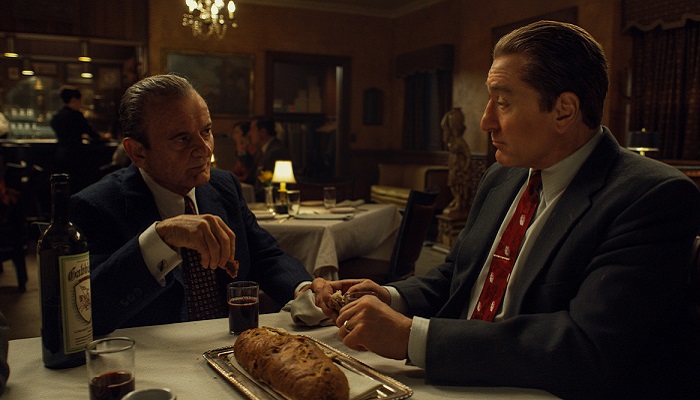
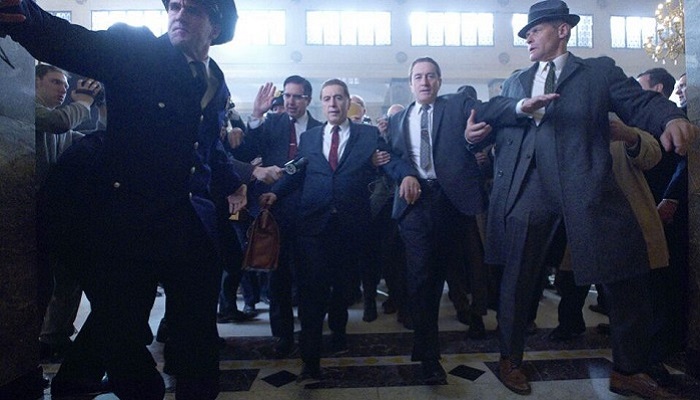
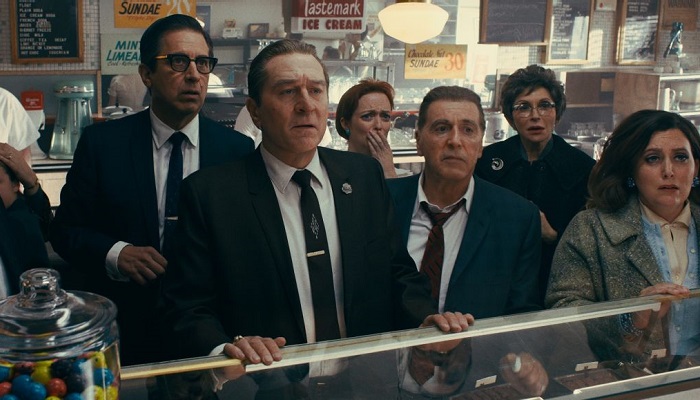
This 3,5 hours epic marks the welcome return of the master Scorsese to the genre he does best. And with two of his favorite actors, the magnificent Robert De Niro and Joe Pesci. Throw in legend Al Pacino and you have an irresistible team on your hands.

The Irishman takes some getting into; this is a different beast than GoodFellas and Casino. Slower, more contemplative, but nevertheless featuring Scorsese’s trademark moments of humor and violence. It is the perfect retirement feature for this legendary cast, who are made young again with de-aging technology and get to live through several decades of mob history.

The story revolves around WW2 veteran Frank Sheeran (De Niro) who becomes a killer for the very controlled mob boss Russell Bufalino (Joe Pesci in a role that is the polar opposite of his explosive GoodFellas and Casino characters). Sheeran later becomes bodyguard and enforcer for Teamster president Jimmy Hoffa (Pacino) who becomes his best friend.

Although the story is not very spectacular nor surprising (we already know what will happen to Hoffa for example) its direction is nearly flawless. Every wonderful frame and edit is brimming with meaning, even if we usually have to work out what that meaning is for ourselves.

One of the main themes is looking back at one’s life and regretting certain actions. In the case of Sheeran a major betrayal. And if you’re one of the few mobsters to actually survive (every mob character gets a title card detailing how he eventually got whacked) you might end up as a very sad old man in prison.

It is fitting for Scorsese (75 at the time of shooting) to approach the gangster life from this angle this time around. But unlike Sheeran, he ain’t got nothing to be embarrassed about. The Irishman is one for the ages.

Devil in the White City

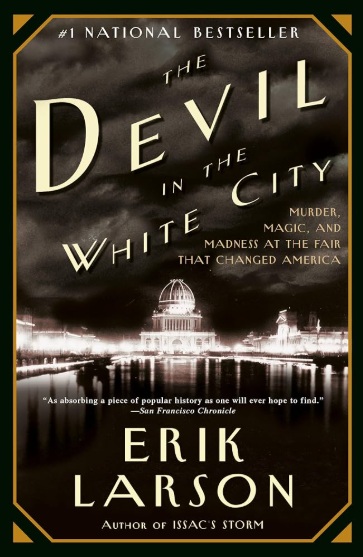
Tijdens mijn recente vakantie in Italië las ik ‘Devil in the White City: Murder, Magic and Madness at the Fair That Changed America’ van Erik Larson – een fascinerend non-fictie boek dat leest als een historische roman.

Het vertelt het waargebeurde verhaal van twee mannen die aan het einde van de 19e eeuw een cruciale, maar tegengestelde rol speelden in de Amerikaanse geschiedenis: de een als schepper, de ander als vernietiger.

De eerste is Daniel Burnham, een gerenommeerd architect die samen met zijn partner John Root een succesvol bureau runde in het opbloeiende Chicago. Zij ontwierpen onder meer het Home Insurance Building, vaak beschouwd als de eerste wolkenkrabber ter wereld.

Toch was hun grootste uitdaging nog in aantocht: toen de Verenigde Staten besloot een wereldtentoonstelling te organiseren ter ere van de 400e verjaardag van Columbus’ aankomst in Amerika, werd Chicago gekozen als locatie.

De World’s Columbian Exposition van 1893 moest de Franse tentoonstelling van 1889 (met de Eiffeltoren) overtreffen – en Burnham kreeg de taak om in slechts twee jaar een hele stad uit de grond te stampen.

Het andere centrale personage is H.H. Holmes (echte naam: Herman Webster Mudgett), een charmante maar meedogenloze zwendelaar en seriemoordenaar. Holmes vergaarde rijkdom door een apotheek over te nemen en talloze oplichtingspraktijken, vaak gekoppeld aan huwelijken, levensverzekeringen en moord.

Toen hij hoorde van de wereldtentoonstelling, bouwde hij aan de rand van het terrein zijn eigen ‘World’s Fair Hotel’ – een labyrintisch gebouw met geluiddichte kamers, gaskamers en valse deuren. De bouw werd uitgevoerd door steeds wisselende aannemers, die hij nooit betaalde. Waarom had iemand een geluidsdichte kluis in een hotel nodig? En waarom verdwenen zoveel vrouwen die in zijn apotheek werkten, vaak met al hun bezittingen achtergelaten?


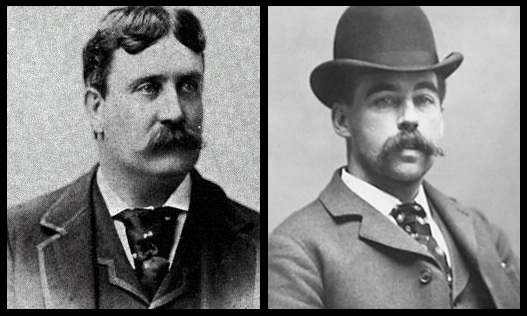
Dezelfde snor, verschillende karakters: Daniel Burnham (links) en H.H. Holmes (rechts)

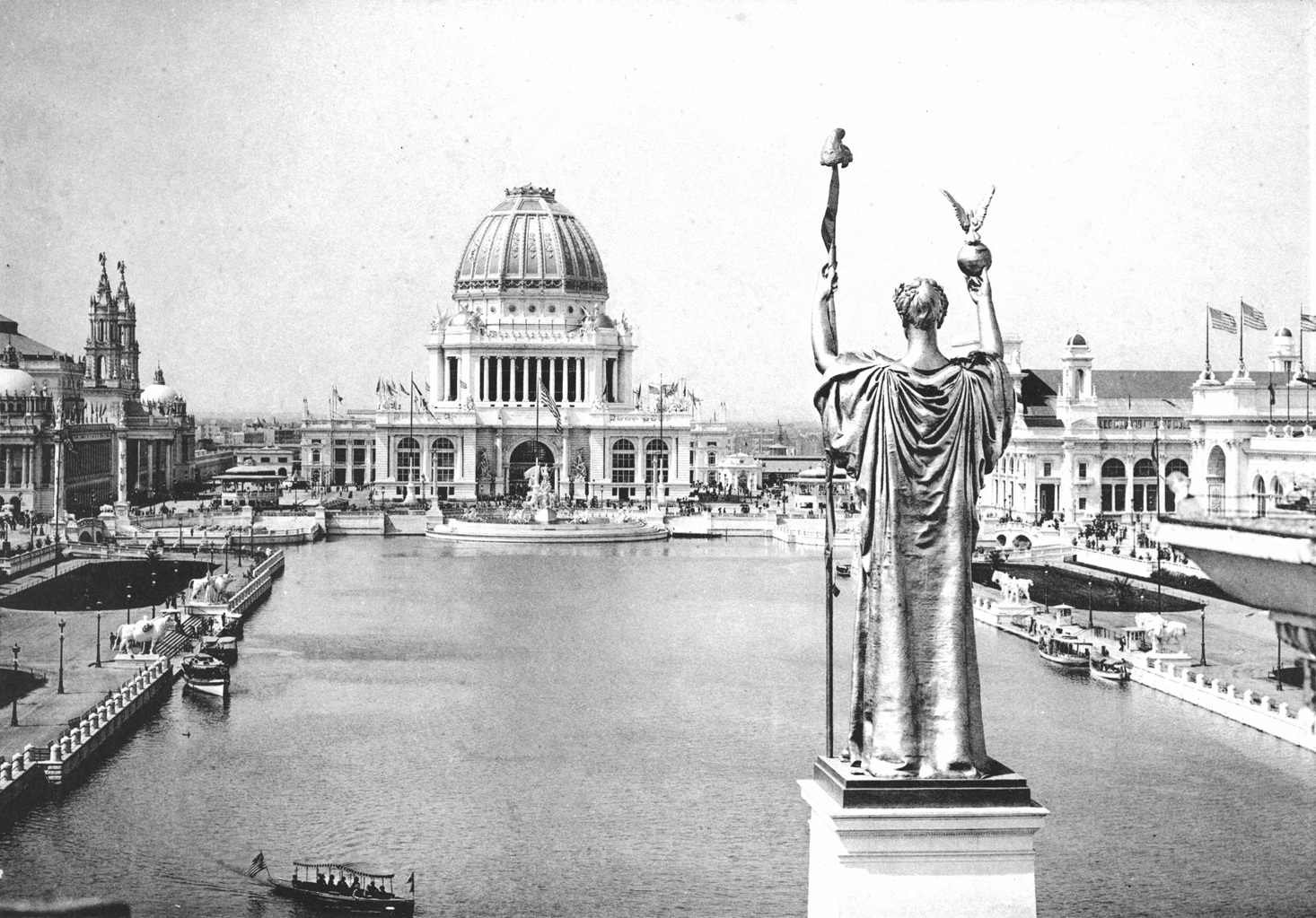
Larson beschrijft hoe Burnham, ondanks tegenslagen – zoals de plotselinge dood van zijn partner Root aan een longontsteking – de ‘Witte Stad’ (White City) realiseerde: een indrukwekkend complex van 200 neoklassieke gebouwen, kanalen en innovaties, waaronder elektrische verlichting (dankzij Westinghouse en Tesla).

Lang was onduidelijk hoe de tentoonstelling de Eiffeltoren kon evenaren. Burnham concludeerde dat een toren onmogelijk te overtreffen was. Toen kwam ingenieur George Washington Gale Ferris Jr. met een revolutionair idee: een gigantisch draaiend wiel waarin bezoekers konden plaatsnemen. Met het eerste Ferris Wheel kreeg de tentoonstelling alsnog een iconisch symbool dat de Eiffeltoren waardig was.

Maar terwijl Chicago juichte om zijn trots, huisvestte de stad ook een duister geheim: Holmes’ moordkasteel. De politie leek blind voor de talloze vermiste vrouwen in zijn omgeving. Uiteindelijk werd Holmes ontmaskerd en vastgesteld dat hij minstens negen mensen had vermoord, waaronder drie kinderen, vaak door slachtoffers op te sluiten in luchtdichte ruimtes en gas in te leiden. Het werkelijke aantal slachtoffers blijft onbekend.

‘Devil in the White City’ is meer dan een waargebeurd misdaadverhaal: het schetst een portret van een tijdperk – een era van vooruitgang en wreedheid, waarin Chicago herrees na de Grote Brand van 1871 (17.000 verwoeste gebouwen, 300 doden) en een tyfusepidemie die 10 procent van de bevolking wegvaagde.

De schrijver reconstrueert twee van Holmes zijn moorden, maar het zou nog fascinerender zijn om dieper in Holmes’ psyche door te dringen. Het is dan ook een droomproject voor Martin Scorsese, met Leonardo DiCaprio in de rol van Holmes. In 2010 verwierf DiCaprio de filmrechten.

Toch zijn er nog geen tekenen dat de verfilming er komt. De leeftijd van de betrokken legendes speelt een rol, maar de hoop blijft. Zo’n film zou de magie van dit fascinerende stuk Amerikaanse geschiedenis voor een nieuwe generatie tot leven kunnen wekken.


De World’s Columbian Exposition van 1893

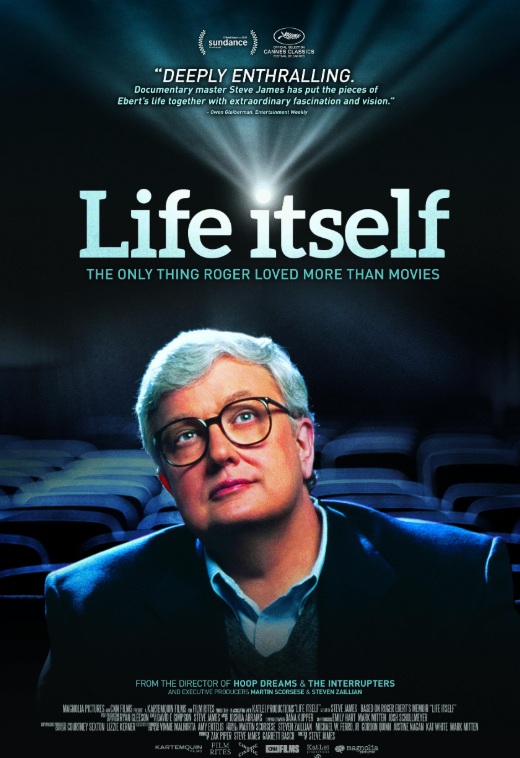
Life Itself: The Life and Times of Roger Ebert


“I was born inside the movie of my life… I don’t know how I got into the movie, but it continues to entertain me.”
― Roger Ebert

The career of Roger Ebert (1942 – 2013), probably the most famous mainstream film critic of all time, started as a sport writer at a newspaper. “I can write. I just always could”, he said about his early career. He wasn’t exaggerating. His talent was noted and on 21 he already had a column in the local newspaper in Illinois.

He moved to Chicago, got hired directly by The Chicago Sun Times and when their film critic retired, they gave him the job. He would stay in this job until his death in 2013. When he started his job in 1967, he was the youngest film critic in America. One of his early reviews was for Bonnie and Clyde, which was released in that year. He called it “a milestone in the history of American movies, a work of truth and brilliance” and awarded it four out of four stars.

Colleagues describe Ebert as ‘fast and furious’. He could produce a thought-out review in 30 minutes. He is the only film critic to win a Pulitzer price. His formula: producing 6 film reviews a week. During his career, he viewed 10.000 movies and reviewed 6.000 of them. From my personal experience, I can say this is a lot.

In his later life, Ebert got cancer of the thyroid and salivary glands and in 2006 his lower jaw was removed. In the documentary Life Itself, the renowned film critic looks back on his life.

Ebert saw films as ‘empathy machines’. They have the power to transport us to different times and places, and place us in the shoes of all sorts of characters. Early in his career, he would drink a lot and develop a major alcohol problem. He checked in AA in August 1997 and stayed sober till his death.

Another notable fact about his early career was he co-wrote the screenplay for Russ Meyer’s Beyond the Valley of the Dolls. What attracted him to Russ Meyer movies? the documentary maker Steve James asks an interviewee. “Boobs”, is the simple answer.

Ebert had a lot to say about films. He would also do live performances in which he would analyse classics like Vertigo and In Cold Blood frame by frame. “He had something interesting to say about every frame”, a friend observes.

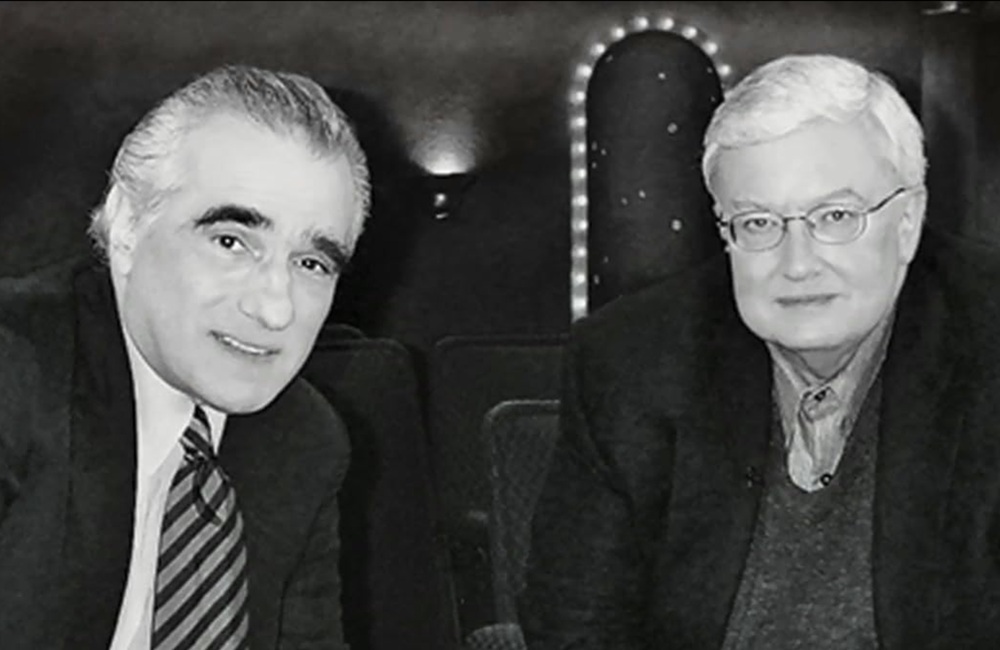
He could certainly be critical, but in a kind way, says Martin Scorsese. Ebert reviewed his first film Who’s That Knocking On My Door and promised he would become the American Fellini. He turned out to be right. Many unknown filmmakers loved Ebert; he could lift them – and their films – out of obscurity.

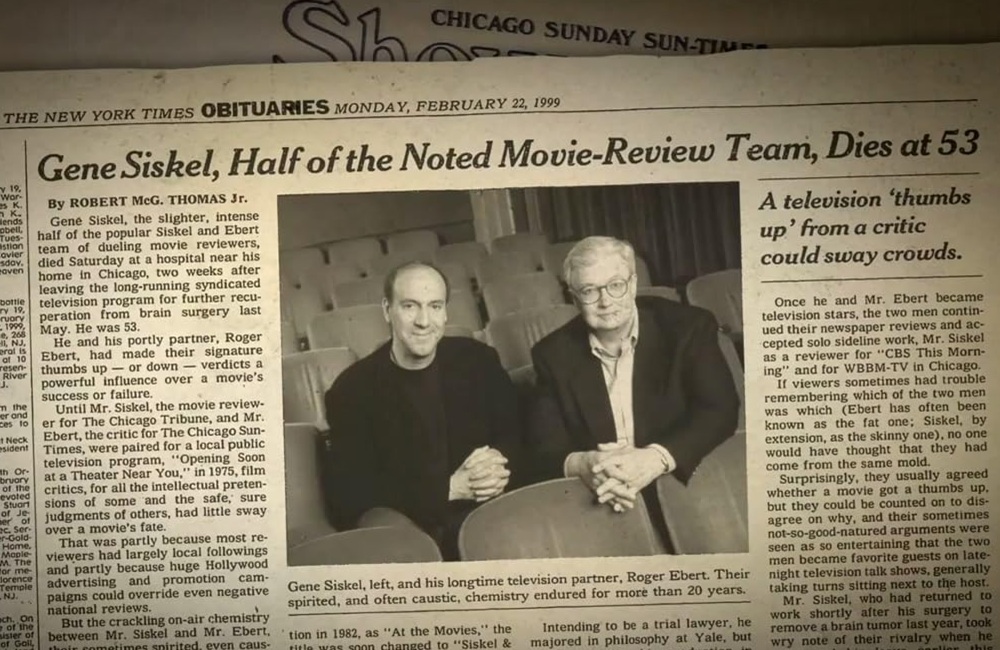
Ebert became really famous when he was coupled to other Chicago critic Gene Siskel for a TV show. The two were enemies at first, but they developed a great dynamic with furious discussions about the movies they loved/hated. For example, Ebert loved Scarface and Siskel hated it and they had a great discussion. The other way around: Ebert said Full Metal Jacket was “not original, and not a masterpiece” and Siskel thought it “was very original and close to a masterpiece.”

The cities New York and L.A. refused to air the program for a long time, because the reviewers were from Chicago. But eventually gave in and their programme At The Movies became a nationwide success; the two thumbs up or down they pioneered could make or break a movie…

A large segment of the documentary focuses on the Cannes Film Festival, which Ebert frequently attended and later wrote a book about. During the festival, he also pioneered early internet use by phoning in daily reviews for his newspaper. Before his passing, he built a cutting-edge website where his entire body of work is archived. It remains a vital resource for film information.

So why is the documentary, which was based on his autobiography, named ‘Life Itself’? A former colleague from the newspaper explains that Ebert was the lead star and director of the movie that was his life. And quite the movie it turned out to be.
12 Roger Ebert Reviews with Surprising Ratings
On IMDb, each classic film from Ebert’s era features a dedicated reviews page where critics contribute. Roger Ebert consistently ranks as the top reviewer for these movies, with each of his reviews including a rating from one to four stars. But which of his ratings stand out as the most unexpected?

1.) Blue Velvet –– 1 out of 4
2.) The Usual Suspects –– 1,5 out of 4
3.) A Clockwork Orange –– 2 out of 4
4.) Die Hard –– 2 out of 4
5.) Fight Club –– 2 out of 4
6.) Full Metal Jacket –– 2,5 out of 4
7.) Once Upon a Time in the West –– 2,5 out of 4
8.) Reservoir Dogs –– 2,5 out of 4
9.) Star Wars Episode 1: The Phantom Menace –– 3,5 out of 4
10.) Gates of Heaven –– 4 out of 4
11.) Knowing –– 4 out of 4
12.) Man Push Cart –– 4 out of 4

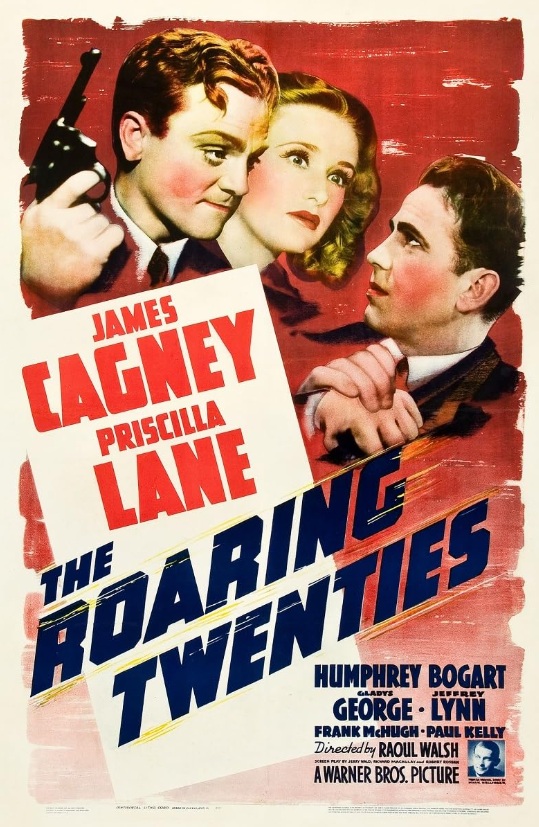
The Roaring Twenties (1939)


‘America’s Most Colorful Era!’

Directed by:
Raoul Walsh

Written by:
Jerry Wald (screenplay)
Richard Macaulay (screenplay)
Robert Rossen (screenplay)
Mark Hellinger (story)

Cast:
James Cagney (Eddie Bartlett), Priscilla Lane (Jean Sherman), Humphrey Bogart (George Hally), Gladys George (Panama Smith), Jeffrey Lynn (Lloyd Hart), Frank McHugh (Danny Green), Paul Kelly (Nick Brown), Elizabeth Risdon (Mrs. Sherman), Ed Keane (Henderson), Joe Sawyer (The Sergeant)

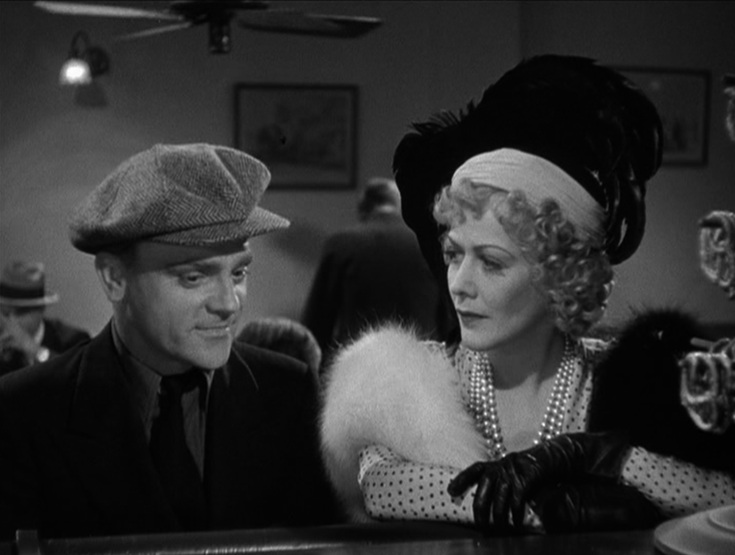
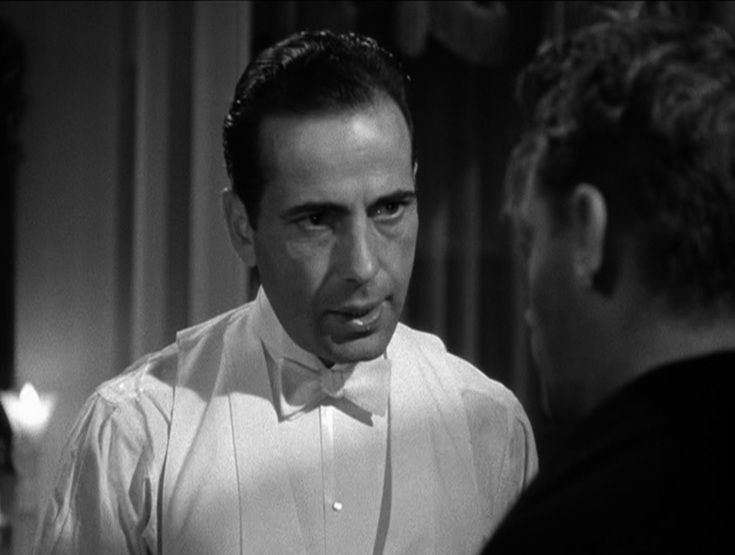
The Roaring Twenties opens in the immediate aftermath of World War I, as soldiers James Cagney and Humphrey Bogart return home in 1919. They find a nation grappling with economic hardship and rising living costs just as Prohibition is ratified, turning alcohol into both a forbidden fruit and a lucrative business opportunity.

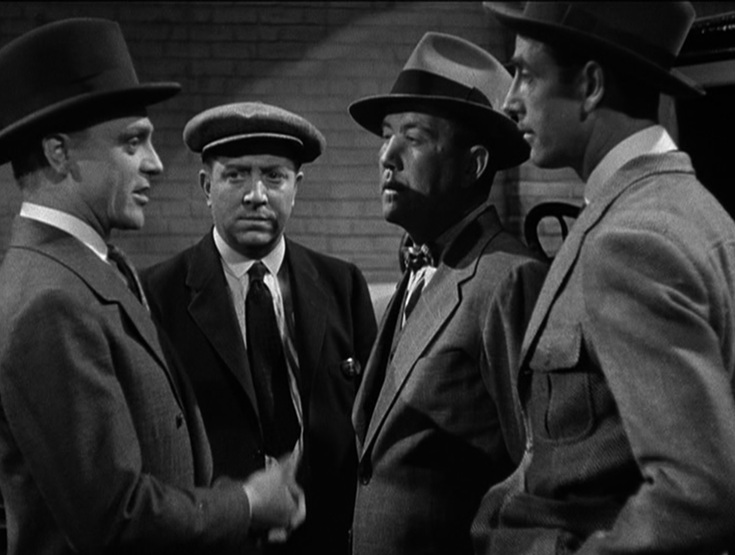
The film follows Eddie Bartlett (Cagney), a former doughboy who seizes the moment and rises to power in the bootlegging underworld. Along the way, he reconnects with Jean Sherman, a woman he corresponded with during the war, securing her a singing job at a nightclub. His path eventually crosses again with his old comrade George Hally (Bogart), now a rival booze importer. Their partnership sours, and tensions escalate when they double-cross fellow bootlegger Nick Brown.

The movie by Raould Walch, who would ten years later make the best gangster film yet at that point – White Heat – is a trendsetter in more than one way. Walsh crafts The Roaring Twenties with a dynamic, almost documentary-like style. Crisp black-and-white cinematography is punctuated by newsreel-style interludes, lending the film an energetic, GoodFellas-esque rhythm. The story of the ‘working gangster’ feels like a clear influence on Scorsese, blending ambition, a jetset lifestyle, and eventually an ugly downfall.

Cagney delivers another magnetic performance as Eddie Bartlett, a character who begins as a mild-mannered entrepreneur, but grows increasingly volatile as his world unravels. What sets The Roaring Twenties apart is its focus on redemption: Eddie’s final act is a selfless one, driven by love rather than greed. It is a rare moral twist for the genre.

Like most gangster tales, it ends with a memorable line, this time spoken by a dame: “He used to be a big shot.”

Rating:

Quote:
EDDIE BARTLETT: “I just ran into a streak of bad luck, that’s all. I’ll be there on top again. I just got to figure out a new angle.”

Trivia:
Gladys George replaced Ann Sheridan (the female star of Cagney’s previous gangster film Angels with Dirty Faces) who had replaced Lee Patrick who had replaced Glenda Farrell for the character of Panama Smith.