Martin

Director: George A. Romero
Written by: George A. Romero
Cast: John Amplas, Lincoln Maazel, Christine Forrest

Year / Country: 1977, USA
Running Time: 91 mins.

See it with someone you’re sure of…

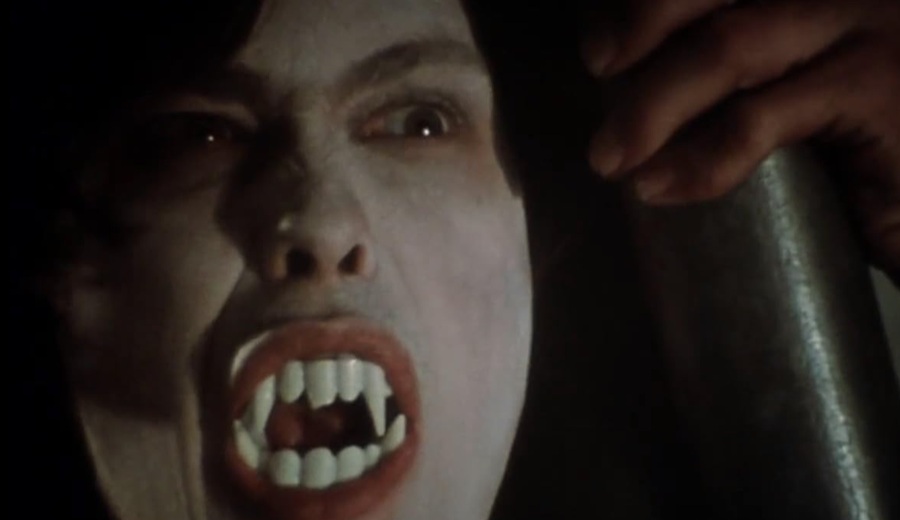
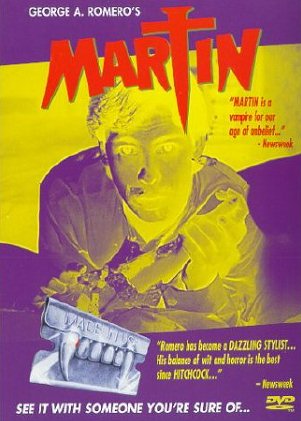
Martin is a vampire. At least that is what he appears to be. But why does he use a needle to put his victims to sleep? And why cut their wrists with a razor in order to drink their blood? Where are his fangs? There are answers to these questions. Because he slices their wrists he is able to stage a suicide. These logical explanations apply to everything Martin does. That way you can never be sure he is a real vampire. He could also be faking it or merely thinking he is one.

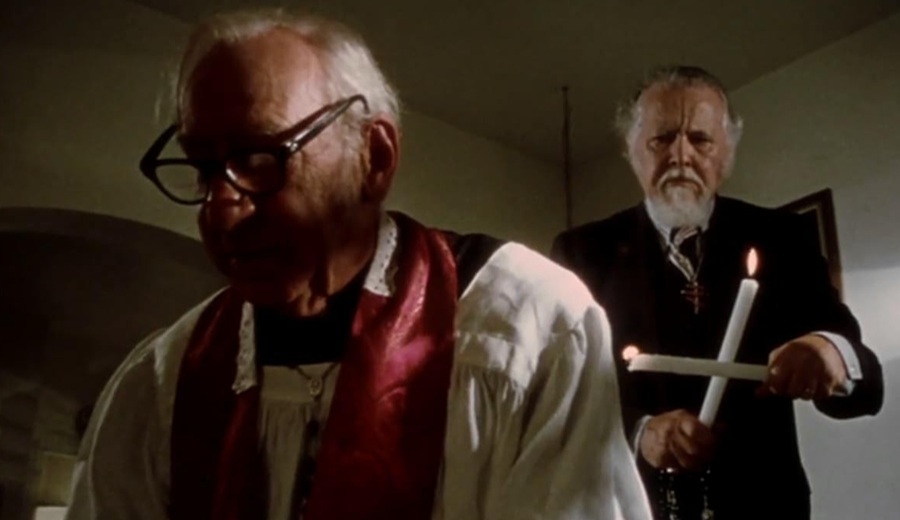
Martin’s eldest cousin Tada Cuda, where he goes to stay in Pittsburgh, certainly thinks he is a real nosferatu. He tells him that he will first save his soul and then destroy him. Vampirism is a family curse, we later learn, and Martin is one of the last living specimens. But the more we see of him, the less we believe he is for real. Every vampire myth is discarded by Martin. He eats garlic, can hold a crucifix and sunlight only mildly bothers him. He tells his cousin that there is no magic. It is just a sickness.

Black & white flashbacks later reveal that Martin is an old vampire, if he is not imagining it. In these flashbacks, Martin is chased by an angry mob after he gets caught feeding on human blood. This is where Romero’s point is becoming clearer. Monsters are created by man so they don’t have to deal with their own vileness. It is much more convenient to have a scapegoat like Martin. Romero himself said about Martin: “Man’s barbarism seems quick to rise, particularly when justified by some ‘cause’ of righteous society, as witness the heinous acts performed in wartime.”

That humans are more monsters than monsters is a theme that finds its way in almost all of Romero’s films. But rarely more successful than in Martin, which is considered his finest film besides the ‘Dead’ series. I agree. It is atmospheric as hell and especially when it reaches a horrible and confrontational ending, Romero’s point comes across perfectly.

Rating:

Biography: George A. Romero (1940, New York – 2017, Toronto), who lived in Pittsburgh, made his feature debut with Night of the Living Dead. It was a low budget zombie movie that was both groundbreaking and shocking in its time. Quickly, it became a major horror classic. He then directed some smaller, personal films in which he often combined horror and social commentary. In 1978 he topped the success of Night of the Living Dead with his brilliant follow-up Dawn of the Dead. In the eighties his career stagnated a bit when he created the third part in his zombie series Day of the Dead. It was a failure both commercially and critically. In 2005 Romero made a small comeback with Land of the Dead. Romero died in 2017.

Filmography (a selection): Night of the Living Dead (1968), There’s Always Vanilla (1971), Season of the Witch (1972), The Winners (1973, TV episodes), The Crazies (1973), O.J. Simpson: Juice on the Loose (1974, TV doc), Martin (1977), Dawn of the Dead (1978), Knightriders (1981), Creepshow (1982), Day of the Dead (1985), Monkey Shines (1988), Two Evil Eyes (1990) [with Dario Argento], The Dark Half (1993), Bruiser (2000), Land of the Dead (2005), Diary of the Dead (2007), Survival of the Dead (2009)

Land of the Dead

Director: George A. Romero
Written by: George A. Romero
Cast: Simon Baker, John Leguizamo, Asia Argento, Dennis Hopper

Year / Country: 2005, Canada / France / USA
Running Time: 93 mins.

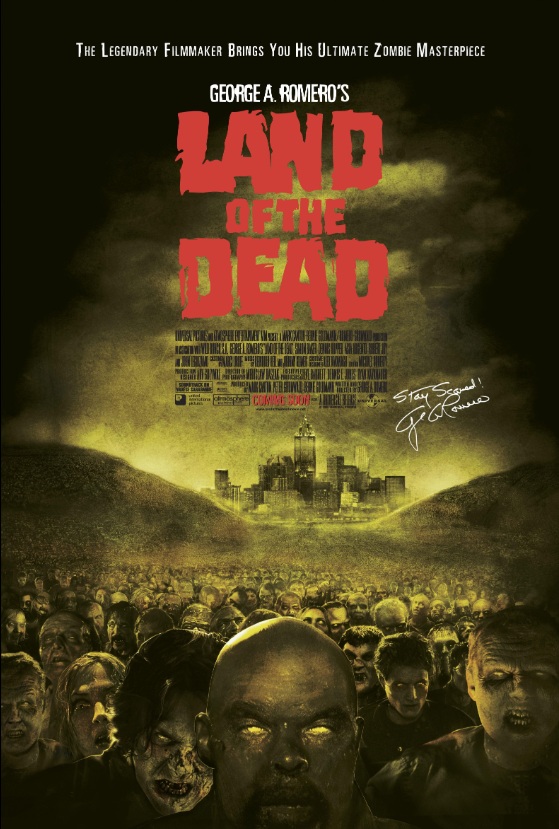
Twenty years after Day of the Dead, zombie king George A. Romero returns to his roots with the fourth part of his classic ‘Dead’ series. The story of Land of the Dead takes place years after Day. How long exactly is not specifically stated, but it’s long enough for two civilizations to have erupted.

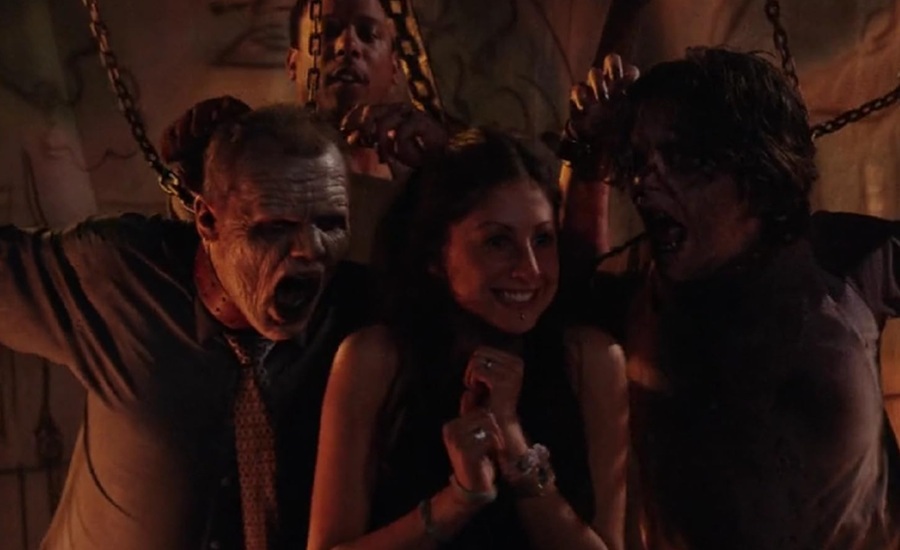
The first civilization in Land consists of the living dead who are no longer the ‘mindless walking corpses’ they once were. They have evolved, and have even become relatively intelligent (for walking corpses that is). The zombies can now communicate with each other and use basic strategies in attacks. They also have a leader, a gas pump attendant named Big Daddy, who knows how to display emotions. Especially anger.

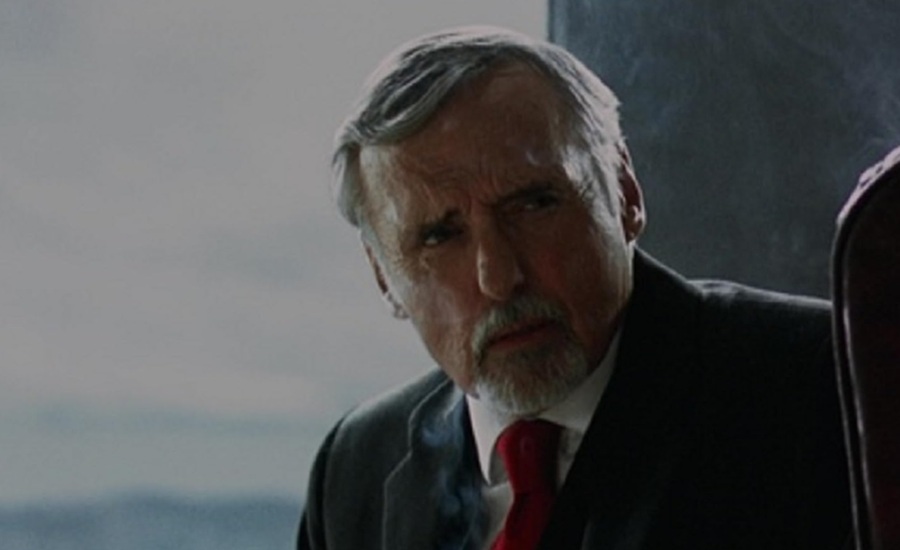
His anger is directed towards the other civilization in Land: the humans. They live in a fortified city protected by walls and electric fences which is dominated by macho behaviour and corrupt politics. Like the zombies, the humans also have a leader, the corrupt businessman Paul Kaufman (Dennis Hopper) who occupies the city’s tallest building. At night, the humans go out on a zombie killing spree to clear the surrounding area and gather supplies. For this purpose they use a massive armed vehicle called Dead Reckoning. During the nightly expeditions, the humans commit cruelties against the zombies which makes them (especially Big Daddy) very angry. But the humans commit crimes against each other as well.

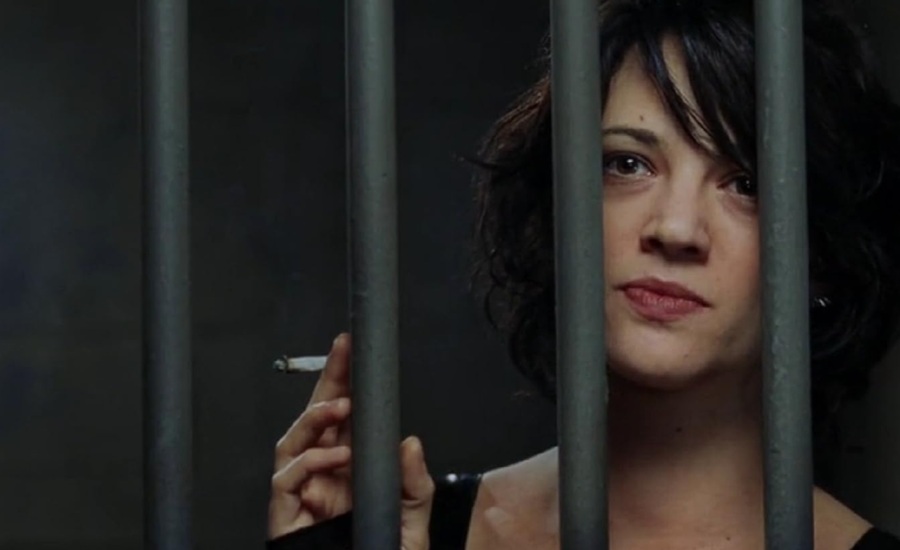
John Leguizamo plays Cholo, a young and reckless entrepreneur who makes a few bucks by bringing in booze for Kaufman. When Kaufman cheats Cholo in a deal, Cholo steals Dead Reckoning and demands five million to bring it back. Kaufman hires expedition leader Riley (Simon Baker) to bring in the vehicle that he designed himself. Riley sets out to find Cholo, but does so for different motives than Kaufman thinks. On his journey Riley picks up the female soldier Slack (Asia Argento), while the zombie army launches an attack on the city.

When Land of the Dead came out it was received with mixed emotions. Some felt that Romero should have left his old trilogy alone, while other fans couldn’t wait to see it. Those who were expecting too much were initially disappointed, but in retrospect saw more of Romero’s signature qualities. The overall reaction from critics was mostly positive. Once again Romero created a metaphorically rich film that contains plenty of humour, violence and stylish visuals. The downside is that the film’s plot is a little too thin to really involve the viewer, making this a slightly less enjoyable film than other ‘Dead’ entries. But with Romero that still means one hell of a good time. It might not be groundbreaking. But entertaining? Hell yes.

Rating:

Biography: George A. Romero (1940, New York – 2017, Toronto), who lived in Pittsburgh, made his feature debut with Night of the Living Dead. It was a low budget zombie movie that was both groundbreaking and shocking in its time. Quickly, it became a major horror classic. He then directed some smaller, personal films in which he often combined horror and social commentary. In 1978 he topped the success of Night of the Living Dead with his brilliant follow-up Dawn of the Dead. In the eighties his career stagnated a bit when he created the third part in his zombie series Day of the Dead. It was a failure both commercially and critically. It is more appreciated nowadays. In a recent feature by Empire – The 25 Best Zombie Movies Of All Time – it is ranked second only after Dawn of the Dead. In 2005 Romero made a small comeback with Land of the Dead. He died in 2017.

Filmography (a selection): Night of the Living Dead (1968), There’s Always Vanilla (1971), Season of the Witch (1972), The Winners (1973, TV episodes), The Crazies (1973), O.J. Simpson: Juice on the Loose (1974, TV doc), Martin (1977), Dawn of the Dead (1978), Knightriders (1981), Creepshow (1982), Day of the Dead (1985), Monkey Shines (1988), Two Evil Eyes (1990) [with Dario Argento], The Dark Half (1993), Bruiser (2000), Land of the Dead (2005), Diary of the Dead (2007), Survival of the Dead (2009)
Day of the Dead

Director: George A. Romero
Written by: George A. Romero
Cast: Lori Cardille, Terry Alexander, Joe Pilato, Jarlath Conroy

Year / Country: 1985, USA
Running Time: 102 mins.

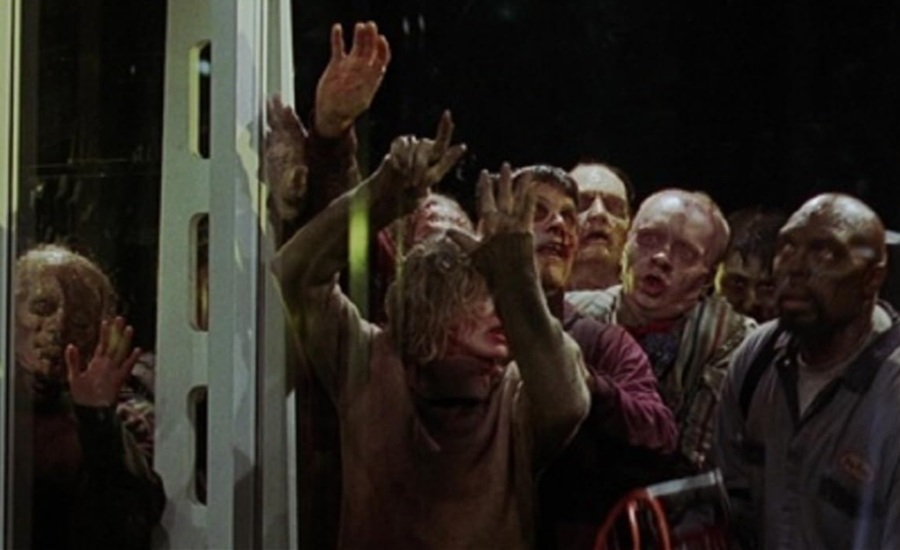
In George Andrew Romero’s Night of the Living Dead (1968) the dead were resurrected and started a crisis. In Dawn of the Dead (1978), the zombies were taking the upper hand. Now in 1985’s Day of the Dead, there are barely any humans left. A small group of survivors consisting of soldiers, scientists and civilians, are holed up in a military complex with hundreds of flesh-eaters roaming around on the outside.

There has been a time leap since Dawn, so the zombies are slowly decomposing and are looking more gray and green than in the previous ‘Dead’ movies. The different groups living in the claustrophobic complex are each dealing with the situation in their own way. The scientists are searching for a way to ‘control’ the zombies, while the soldiers want to wipe them all out. The few civilians on the other hand, just want to enjoy the time they have left.

The lack of any prospects starts to create tension within the group. Especially with the psychopathic Captain Rhodes (Joe Polito) who commands the small military force. Before long, their infighting leads to a final clash with the zombies. Romero shows us once again that humans are a greater danger to themselves than any outside threat.

Romero called Day of the Dead his favorite entry in the series, even though it was derided by critics upon release. Today the film got more of a cult status. And justly so. As a film basically showing total apocalypse, it succeeds brilliantly. The only problem is that it’s pretty depressing. From Dr. ‘Frankenstein’ Logan conducting gruesome experiments on zombies in his underground lab to the unpleasant characters: it all contributes to making this film pretty hard to sit through. In Dawn, the shopping mall location lended itself well for some inventive humor. The funniest thing about Day is the ‘intelligent’ zombie Bub who even utters some dialogue in the film (A..llli….ciaaaa…).

Romero’s golden touch, the fantastic special make-up effects by Tom Savini and the dark atmosphere make this a must-see for horror fans. The successful military satire is another good reason to see Day of the Dead. However, dejected types might be better off not watching this. Like the other ‘Dead’ films its concept may well be brilliant, but it is still a nasty and depressive movie. Twenty years later Romero would continue his series with Land of the Dead.

Rating:

Biography: George A. Romero (1940, New York – 2017, Toronto), who lived in Pittsburgh, made his feature debut with Night of the Living Dead. It was a low budget zombie movie that was both groundbreaking and shocking in its time. Quickly, it became a major horror classic. He then directed some smaller, personal films in which he often combined horror and social commentary. In 1978 he topped the success of Night of the Living Dead with his brilliant follow-up Dawn of the Dead. In the eighties his career stagnated a bit when he created the third part in his zombie series Day of the Dead. It was a failure both commercially and critically. It is more appreciated nowadays. In a recent feature by Empire – The 25 Best Zombie Movies Of All Time – it is ranked second only after Dawn of the Dead. In 2005 Romero made a small comeback with Land of the Dead. He died in 2017.

Filmography (a selection): Night of the Living Dead (1968), There’s Always Vanilla (1971), Season of the Witch (1972), The Winners (1973, TV episodes), The Crazies (1973), O.J. Simpson: Juice on the Loose (1974, TV doc), Martin (1977), Dawn of the Dead (1978), Knightriders (1981), Creepshow (1982), Day of the Dead (1985), Monkey Shines (1988), Two Evil Eyes (1990) [with Dario Argento], The Dark Half (1993), Bruiser (2000), Land of the Dead (2005), Diary of the Dead (2007), Survival of the Dead (2009)
Night of the Living Dead

Director: George A. Romero
Written by: John A. Russo, George A. Romero
Cast: Duane Jones, Judith O’Dea, Karl Hardman, Marilyn Eastman

Year / Country: 1968, USA
Running Time: 96 mins.

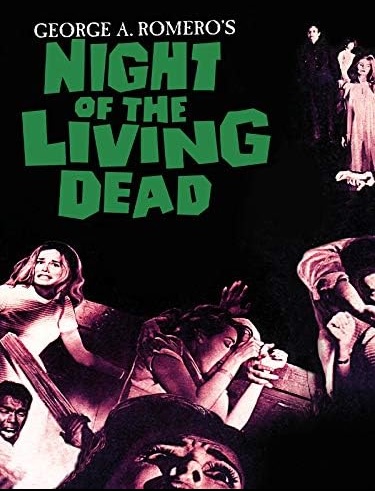
Director George A. Romero, who would dedicate most of his film career to making zombie movies, lays much of the groundwork right here. His feature debut would become an example of how to make a low budget horror movie; unknown actors, one central location and elements of social satire that appeal to the more intellectual viewer.

John and Barbra are visiting a graveyard where their father is buried, when John notices a strange phenomenon in the sky. Soon after they are attacked by a living dead man. Barbra manages to flee to a seemingly deserted farmhouse, leaving the annoying John behind as a zombie snack. In the farmhouse, Barbra soon gets company from both the living and the dead.

A possible explanation for the catastrophe is radiation that was released as a result from a NASA operation whereby a satellite was blown into bits. Romero’s message comes to the surface: not only are humans the cause of the major crisis, they are unable to deal with it once it’s there.

What works so well about this concept is the notion of crisis that erupts once the zombies are there. Their insatiable lust for human flesh and their large numbers make them a major threat. However, they are not nearly as scary as humans can be; narrow-minded, cruel and incapable of collaboration. A crisis of this scope would undoubtedly destroy us all.

There are many other elements that Romero would repeat and elaborate on in the zombie sequels that would follow. These include a lot of infighting among the ethnically mixed group of survivors, many panicky TV- and radio broadcasts, and quite a lot of graphic violence. Certainly considering the time in which this film was released.

Then there is the unexpected twist at the end that contributes to Night of the Living Dead’s status as a groundbreaking classic. The only thing I found lacking was the humour that its sequels contained. However this is still a film that is as tense as it is relevant. Maybe even more so in present times than back in 68’.

Rating:

Biography: George A. Romero (1940, New York – 2017, Toronto), who lived in Pittsburgh, made his feature debut with Night of the Living Dead. It was a low budget zombie movie that was both groundbreaking and shocking in its time. Quickly, it became a major horror classic. He then directed some smaller, personal films in which he often combined horror and social commentary. In 1978 he topped the success of Night of the Living Dead with his brilliant follow-up Dawn of the Dead. In the eighties his career stagnated a bit when he created the third part in his zombie series Day of the Dead. It was a failure both commercially and critically. It is more appreciated nowadays. In a recent feature by Empire – The 25 Best Zombie Movies Of All Time – it is ranked second only after Dawn of the Dead. In 2005 Romero made a small comeback with Land of the Dead. He died in 2017.

Filmography (a selection): Night of the Living Dead (1968), There’s Always Vanilla (1971), Season of the Witch (1972), The Winners (1973, TV episodes), The Crazies (1973), O.J. Simpson: Juice on the Loose (1974, TV doc), Martin (1977), Dawn of the Dead (1978), Knightriders (1981), Creepshow (1982), Day of the Dead (1985), Monkey Shines (1988), Two Evil Eyes (1990) [with Dario Argento], The Dark Half (1993), Bruiser (2000), Land of the Dead (2005), Diary of the Dead (2007), Survival of the Dead (2009)