
(1972 – 1975, USA)
Creators: Ed Spielman, Herman Miller
Cast: David Carradine (Kwai Chang Caine), Radames Pera (Young Caine), Keye Luke (Master Po), Philip Ahn (Master Kan)
3 Seasons (63 Episodes)
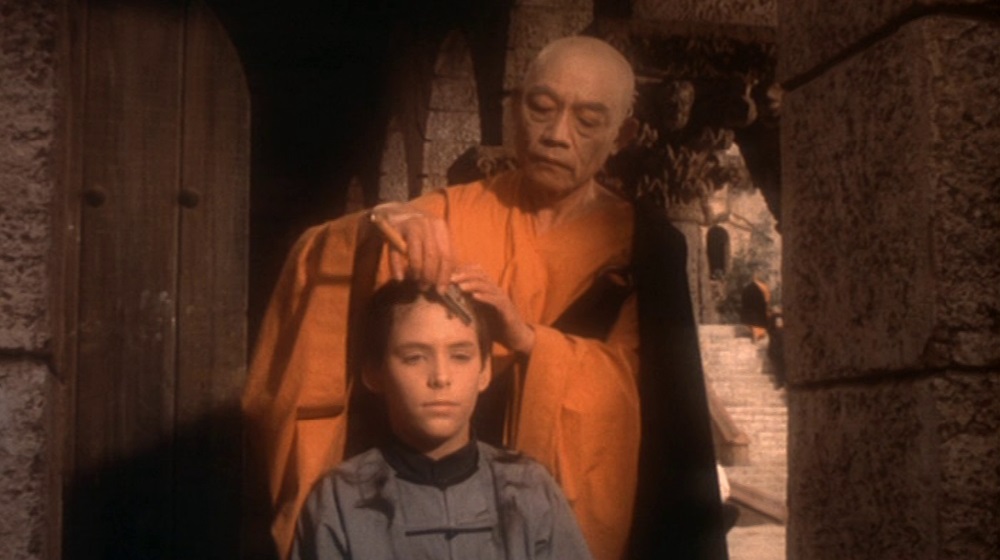
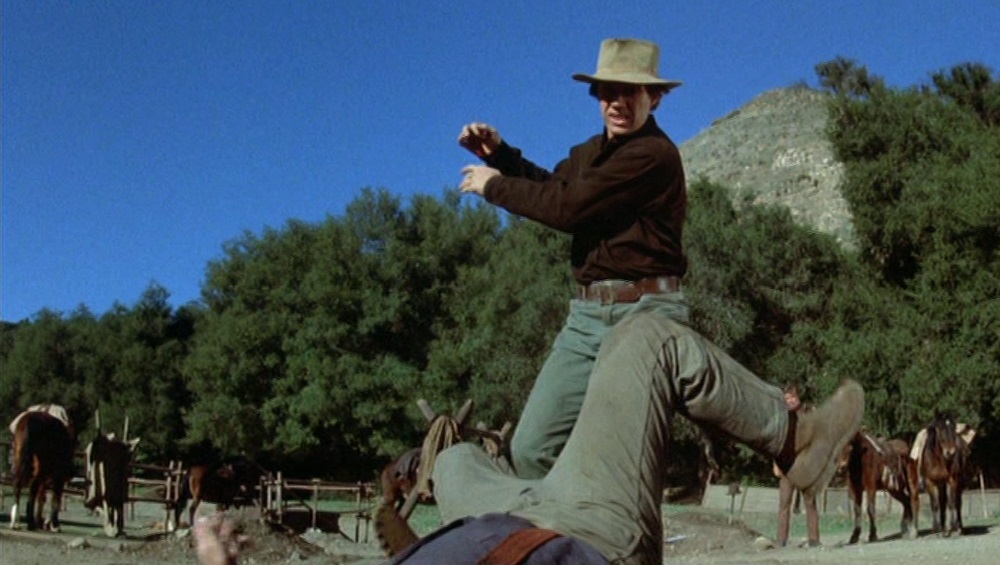
Kwai Chang Caine, a soft-spoken Shaolin priest exiled from China, wanders the savage American West of the mid-19th century. In each episode, he faces conflicts and hardships – whether injustice, violence, or intolerance – and relies on the teachings of his Shaolin monastery to navigate them. Through meditation, wisdom, and only when necessary, martial arts, Caine brings a sense of peace to a world ruled by chaos.
The show’s brilliance lies in its concept: placing a man trained in Taoist philosophy and Shaolin kung fu in the lawless, brutal Old West. The contrast is striking – while the West is filled with bandits, bigotry, and corruption, Caine embodies patience, serenity, and justice. His presence suggests that even a land steeped in violence can be redeemed through wisdom. The Taoist teachings interwoven throughout the show are its greatest strength, offering insights into paradoxes, balance, and a way of seeing the world differently. This depth of philosophy is what makes Kung Fu one of my all-time favorite series.
Yet, there is even more to appreciate. The sweeping American landscapes provide a breathtaking backdrop, immersing viewers in the setting. David Carradine, though regrettably not of Chinese descent (a disappointing yet unsurprising casting decision for the time), delivers a performance that is both mesmerizing and quietly powerful. His portrayal of Caine is nuanced, capturing both his gentleness and his underlying strength.
The series also boasts an impressive lineup of guest stars, many of whom later became household names, such as Jodie Foster, Harrison Ford, Barbara Hershey, Don Johnson, Carl Weathers, and many others. Their early appearances add to the show’s charm, making each episode a delight to revisit.
In today’s turbulent and uncertain world, Kung Fu remains a source of comfort and inspiration. While we may not be able to solve all of the world’s problems, Caine’s approach teaches us how to handle our own struggles with patience and wisdom. He fights only when absolutely necessary and never to kill, making this series a rare example of an action show that is fundamentally about non-violence.
Watching Kung Fu is an enlightening experience – it calms the mind, expands the spirit, and offers a guiding philosophy for life. It’s a show that doesn’t just entertain; it makes you wiser. I’m forever grateful for the lessons it has taught me, and I remain a lifelong student of Taoist philosophy because of it.

Read also: The Tao of Kwai Chang Caine
 FRAGMENTEN UIT HET SCHEMERLAND