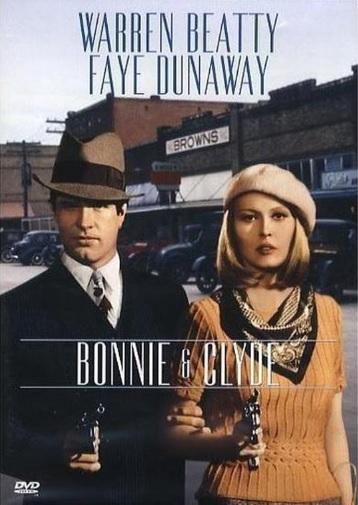
Director: Arthur Penn
Writers: David Newman, Robert Benton, Robert Towne
Stars: Warren Beatty, Faye Dunaway, Michael J. Pollard, Gene Hackman
This review is part of the feature:
The 33 Gangster Films You Can’t Refuse
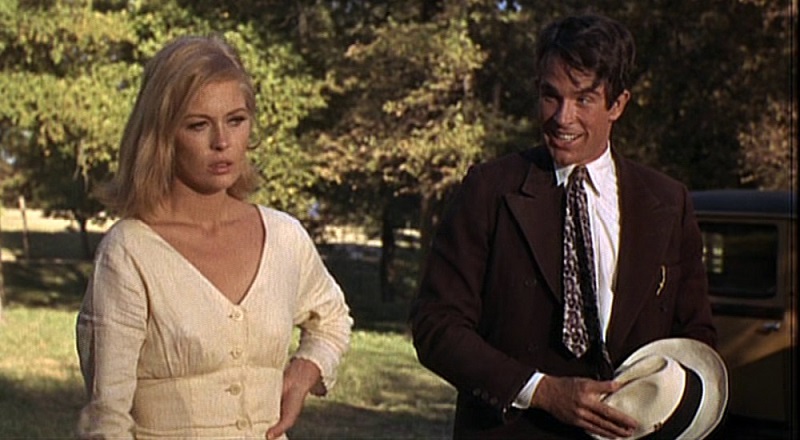
Few films have shaped the image of the outlaw couple as decisively as Bonnie and Clyde.
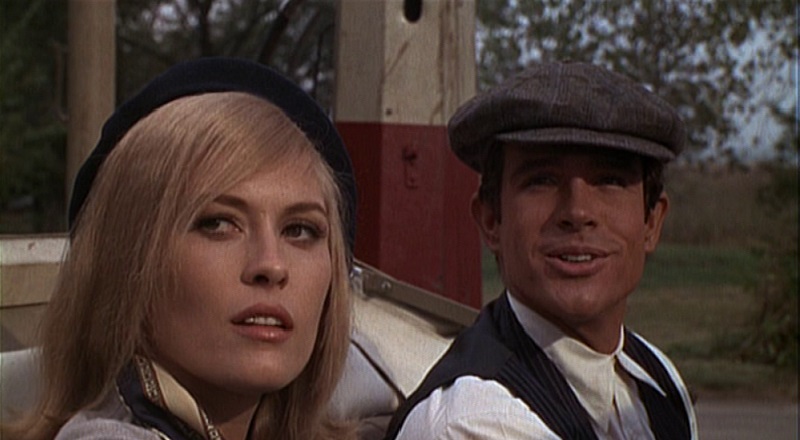
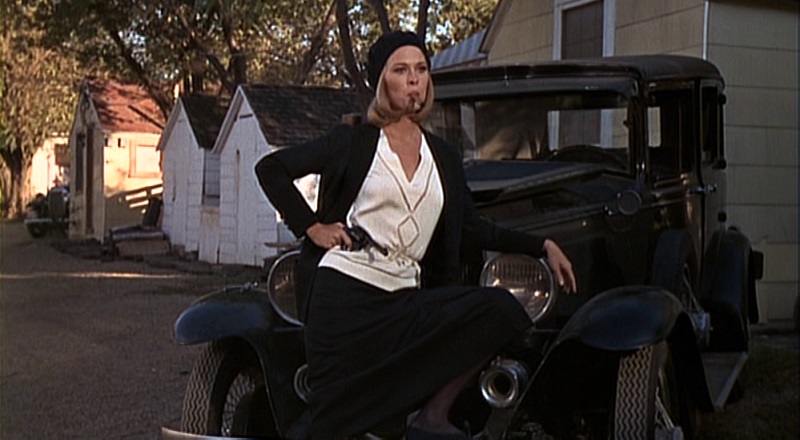
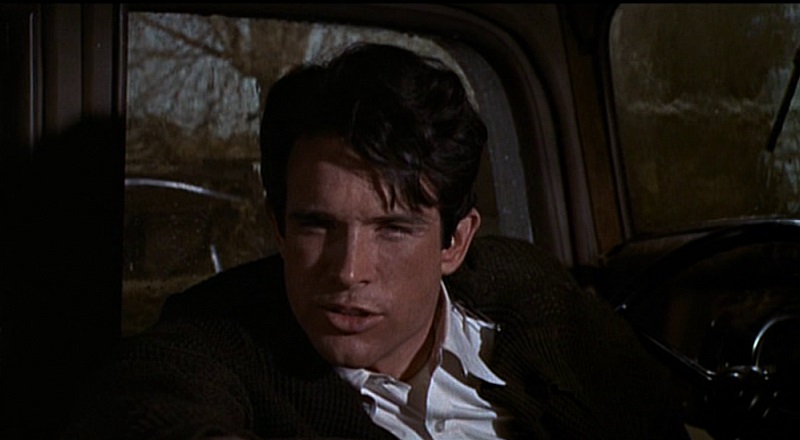
Set during the Great Depression, the film follows Bonnie Parker and Clyde Barrow as they drift from petty crime into full-blown notoriety, becoming folk legends in the process. Their crimes unfold against a backdrop of economic despair, where violence and celebrity blur into something dangerously seductive.
What sets Bonnie and Clyde apart from earlier gangster films is its tone. Rather than moralizing from a distance, the film pulls the audience uncomfortably close to its characters, inviting fascination even as their actions grow more brutal. The glamour of youth, style, and rebellion collides with sudden, shocking violence, redefining what a crime film could look and feel like in American cinema.
The film was controversial upon release, largely due to its unflinching depiction of bloodshed. Its climactic ambush remains one of the most influential endings in film history, helping usher in a new era of graphic realism that later gangster films would build upon.
Over time, outrage turned into admiration, and Bonnie and Clyde came to be recognized as a defining entry in the genre. It’s a movie that didn’t just depict crime, but changed how Hollywood portrayed it. Today, it stands as a cornerstone of the classic gangster film: stylish, violent, morally ambiguous, and endlessly influential.


Pingback: The 33 Gangster Films You Can’t Refuse – FRAGMENTEN UIT HET SCHEMERLAND
Pingback: 22. The Irishman (2019) – FRAGMENTEN UIT HET SCHEMERLAND