Smokey and the Bandit

Director: Hal Needham
Written by: James Lee Barrett, Charles Shyer, Alan Mandel
Cast: Burt Reynolds, Sally Field, Jerry Reed, Jackie Gleason

Year / Country: 1977, USA
Running Time: 96 mins.

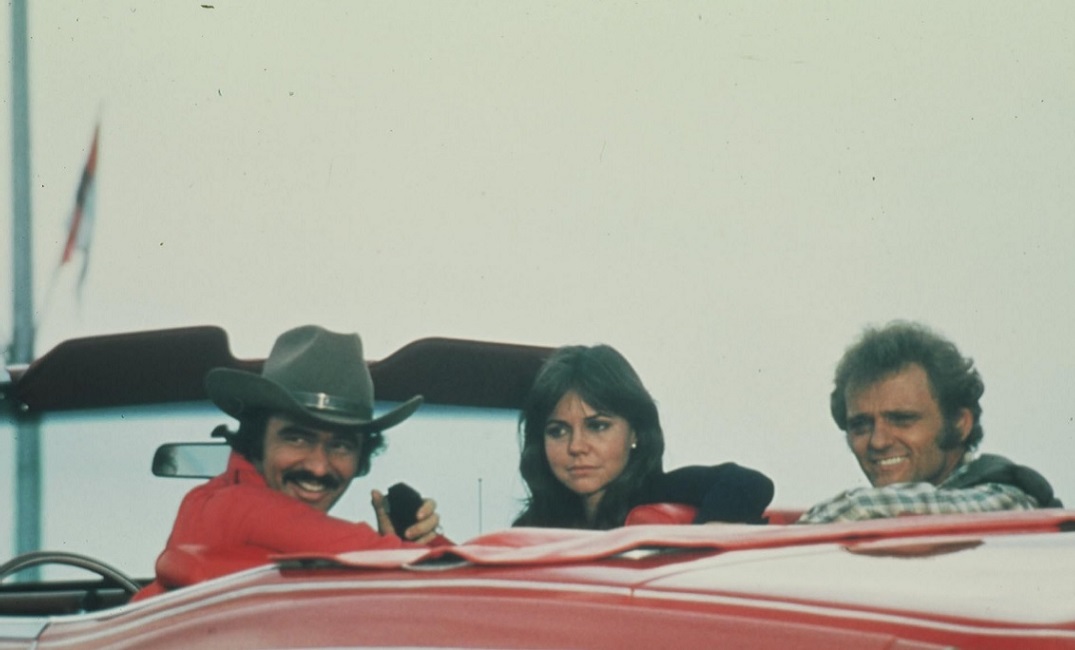
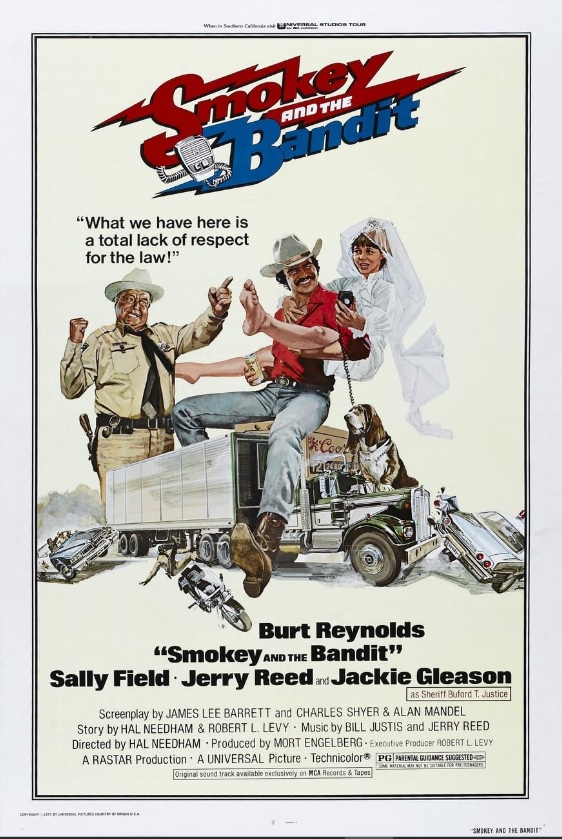
Trucking comedy Smokey and the Bandit was originally conceived as a B-movie, but became more of a mainstream project when Burt Reynolds got involved. Upon release it was a huge box office hit (second highest grossing movie after Star Wars in 1977). Nowadays, the comedy elements are pretty much outdated, but for nostalgic reasons it can still be a guilty pleasure.

The movie’s director, Hal Needham, was a professional stuntman at that time and not a filmmaker. He came up with the story and showed a script draft to Reynolds, for whom he had been a stunt double on various movies such as The Longest Yard and Gator. Reynolds agreed to do it and thereby replaced Jerry Reed who had originally been cast as the Bandit. Reed was cast instead as Bandit’s friend Snowman and would later play Bandit in Smokey and the Bandit Part 3.

The plot of this movie is anorexic. Bandit is a cowboy truck driver who accepts the job to haul a truckload of Coors beer to a car race in Georgia. This was considered bootlegging at the time and pretty soon, the Bandit is pursued by Sheriff Buford T. Justice aka Smokey (Jackie Gleeson). He also picks up hitchhiker Carrie (Sally Field), a runaway bride from Smokey’s son Junior. A cross-country pursuit begins that doesn’t end until the credits roll.

As a racing film, it is a little disappointing. There are decent stunts surely, but from a professional like Needham I had expected more innovation. Oh well, this is mostly just a pleasant reminder of the good ol’ days. Though it’s unlikely to attract many viewers from a younger generation I would still recommend it to anyone who likes to go through a time machine. The humour of this film has long been reinvented but is still infectious enough to put a smile on one’s face. The cartoonish characters also add to the fun factor.

Rating:

Biography: Hal Needham (1931, Memphis, Tennessee) served in the Korean war before becoming a stuntman. His break came in 1957 with TV western Have Gun – Will Travel as a stunt double for Richard Boone. In the sixties he became a top stuntman working on western hit movies such as The Man Who Shot Liberty Valance, How the West Was Won and Donovan’s Reef. In his long career, Needham also worked on many TV-shows including Gunsmoke, Rawhide and Black Saddle. He was also stunt double for Clint Walker, Burt Reynolds and others. In the seventies he became stunt coordinator on several Burt Reynolds films including White Lightning, The Longest Yard and Gator. He made his debut as a director in 1977 with Smokey and the Bandit. It became a massive hit. Throughout the next two decades he made many follow-ups and similar films usually starring Reynolds. In the nineties, his work consisted mostly of TV projects including four Bandit TV films.

Filmography: Smokey and the Bandit (1977), Hooper (1978), The Villain (1979), Death Car on the Freeway (1979, TV), Stunts Unlimited (1980, TV), Smokey and the Bandit II (1980), The Cannonball Run (1981), The Stockers (1981, TV), The Stockers (1981, TV), Megaforce (1982), Stroker Ace (1983), Cannonball Run II (1984), Rad (1986), Body Slam (1986), B.L. Stryker (1990, TV episode), Bandit: Bandit Goes Country (1994, TV), Bandit: Bandit Bandit (1994, TV), Bandit: Beauty and the Bandit (1994, TV), Bandit: Bandit’s Silver Angel (1994, TV), Street Luge (1996), Hard Time: Hostage Hotel (1999, TV)
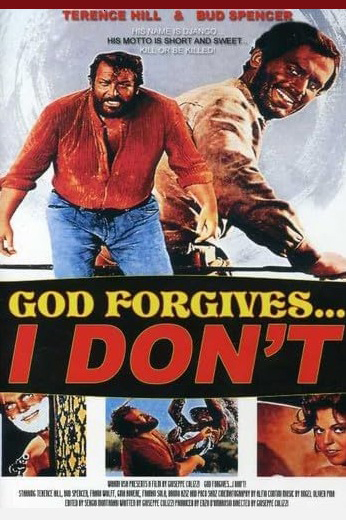

God Forgives… I Don’t!


Director: Giuseppe Colizzi
Written by: Giuseppe Colizzi, Gumersindo Mollo
Cast: Terence Hill, Bud Spencer, Frank Wolff, Gina Rovere

Year / Country: 1967, Italy / Spain
Running Time: 109 mins.

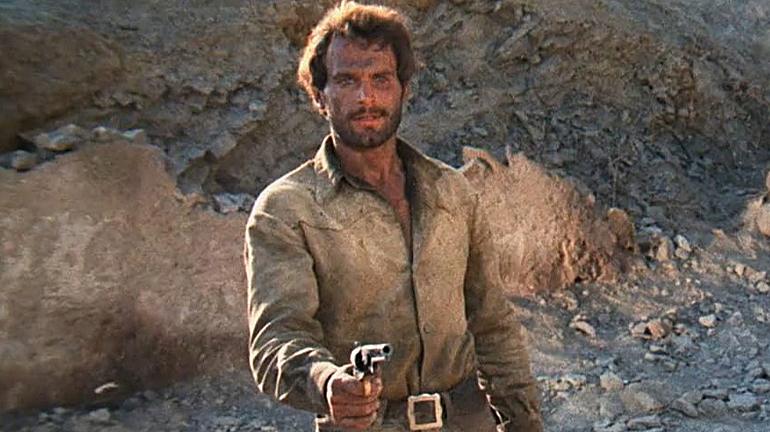
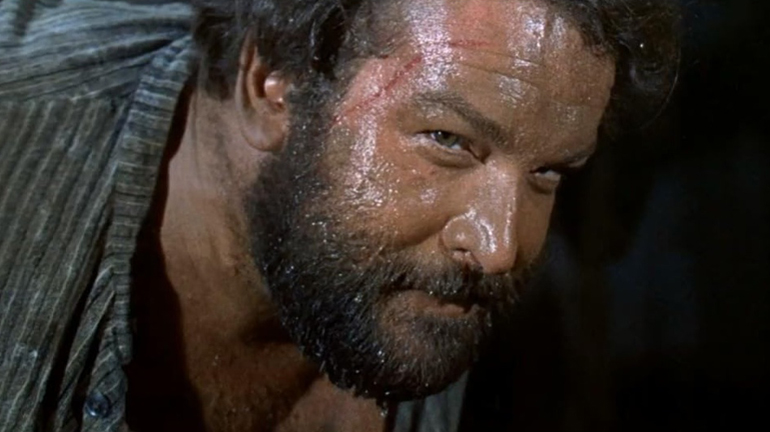
Italian stars Terence Hill and Bud Spencer would star in 19 films together. God Forgives… I Don’t! is their first collaboration. Although they act as a duo, the main credit goes to Hill. His character’s quest for revenge is the story’s main driver. Hill got this part because he resembles western-star Franco Nero, who wasn’t available for this movie. Hill took the opportunity to become a major star himself.

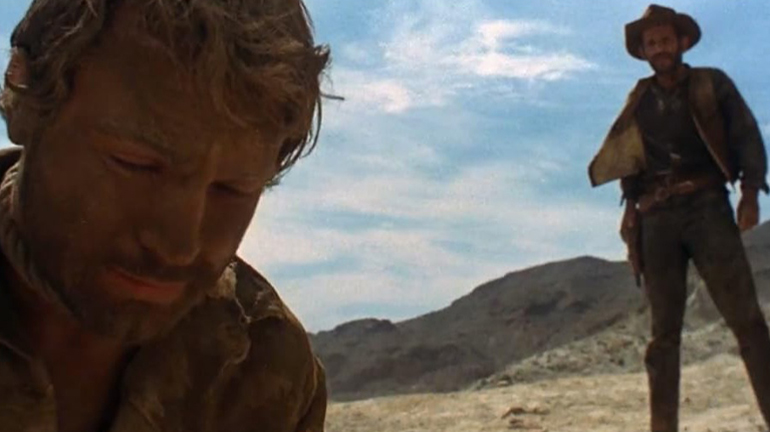
The story: a payroll train is robbed and the bandits took off with 100.000 dollars in gold. They also murdered everybody on the train, but accidentally left one witness alive. This witness tells insurance agent Hutch (Spencer) that the supposedly dead Bill San Antonio was the lead robber. Together with gunslinger Cat (Hill), who has a bone to pick with Antonio, he goes on a quest with the intention to retrieve the stolen gold.

God Forgives… I Don’t! is typical spaghetti-western material; loner versus evil outlaw; betrayal; gold; revenge. Unfortunately the story unfolds way too slowly, so any tension is killed. This could have been a satisfying 80/90 minute film. Now, it is a boring one. Also lacking is the trademark Hill / Spencer humour. They moved to greener territory soon after, which is fortunate – because with more films like this, they would not have made it as far as they did.

Rating:

Biography: Giuseppe Colizzi (1925, Rome – 1978, Rome) only directed a handful of movies. The first three were spaghetti westerns with Terence Hill and Bud Spencer as Cat Stevens and Hutch Bessy. These films helped them launch their careers prior to the Trinity movies. He then made the non-western Spencer/Hill vehicle All the Way Boys. He returned to the western with Run, Run, Joe!, starring Keith Carradine.

Filmography: God Forgives… I Don’t! (1967), Ace High (1968), Boot Hill (1969), All The Way Boys (1972), Run, Run, Joe! (1974), Switch (1979)

Death Proof

Director: Quentin Tarantino
Written by: Quentin Tarantino
Cast: Kurt Russell, Vanessa Ferlito, Rosario Dawson, Sydney Poitier

Year / Country: 2007, USA
Running Time: 114 mins.

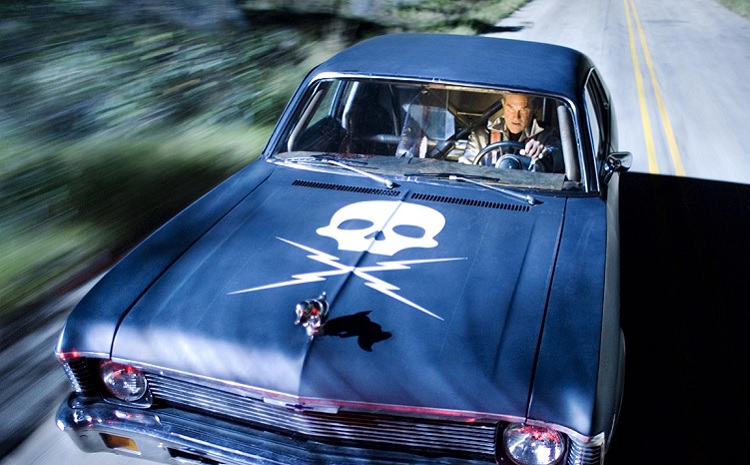
The tone of Death Proof is set right at the beginning. We hear loud engine sounds and follow a pair of feet bungling out the window of a driving car as the credits roll by. Tarantino’s half of Grindhouse is obviously some homage to cheap car chase and serial killer exploitation films. Originally part of a double bill with Robert Rodriquez’s Planet Terror, it was released outside the US as a separate movie to increase box office revenue. Not a great decision from an artistic viewpoint, but Death Proof does work as a stand-alone film.

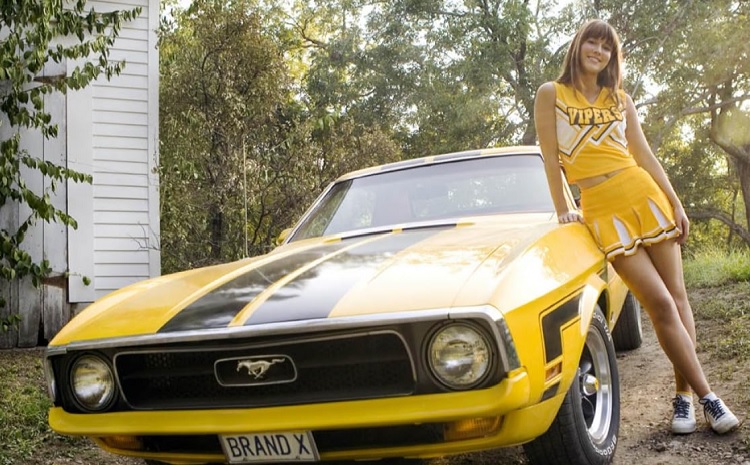
Kurt Russell plays Stuntman Mike, a weird and burned-out stunt driver who happens to be a psycho as well. He ‘suffers’ from a chick habit: stalking and eventually killing groups of beautiful young girls by crashing his ‘death proof’ car into them. Out of this he gets his sexual kicks. The first time, his plan works fine, but the second time around he should have done a little more research on his targets. This group of girls consist of fellow stunt drivers who get quite homicidal when Mike tries to pull his crap.

Tarantino uses various techniques, such as a damaged print and deliberate continuity mistakes to make Death Proof appear as a typical film that would have been shown in grindhouse theaters in the seventies. He has also included his typical trademark movie references, this time to genre classics such as Vanishing Point. In order to make it match with Planet Terror, the film also shares some characters with that film, such as Dr. Block and of course Texas ranger Earl McGraw.

One problem I have with Death Proof is that the dialogues, that normally seem effortless in a Tarantino film, come across here as sort of synthetic. This is probably done deliberately to fit the film’s campy B-style, but it is still distracting and it takes up a large part of the movie. Luckily this is made up with an interesting structure, a groovy soundtrack and a great old-school car chase scene at the end. Kurt Russell is also awesome as the movie’s central character. Stuntman Mike is a serial killer who belongs in the gallery of great Tarantino characters.

This may not be a masterpiece but it works very well as the type of experience it attempts to simulate. It is also a better balanced movie than Planet Terror. Sometimes it is a little ‘too Tarantino’ if there is such a thing, most noticeable by the casting of ‘super cool’ chicks and the overly hip dialogues. But Death Proof is nevertheless a film that has plenty of excitement and genuine coolness to offer.

Rating:

Biography: Quentin Tarantino (1963, Knoxville, Tennessee) made a big impression on the international film world when his feature debut Reservoir Dogs premiered at Sundance in 1992. After his second film Pulp Fiction screened at Cannes in 1994 and won the Palme D’or, Tarantino quickly became a household name. Since then he has enjoyed his fame by making more homages to the films he loves and grew up with.

Filmography (a selection): My Best Friend’s Birthday (1987), Reservoir Dogs (1992), Pulp Fiction (1994), Four Rooms (1995, segment ‘The Man From Hollywood’), Jackie Brown (1997), Kill Bill: Vol. 1 (2003), Kill Bill: Vol. 2 (2004), Sin City (2005, special guest director), CSI (2005, TV episodes), Grindhouse (2007, segment ‘Death Proof’), Inglourious Basterds (2009), Django Unchained (2012), The Hateful Eight (2015), Once Upon a Time… in Hollywood (2019)

Land of the Dead

Director: George A. Romero
Written by: George A. Romero
Cast: Simon Baker, John Leguizamo, Asia Argento, Dennis Hopper

Year / Country: 2005, Canada / France / USA
Running Time: 93 mins.

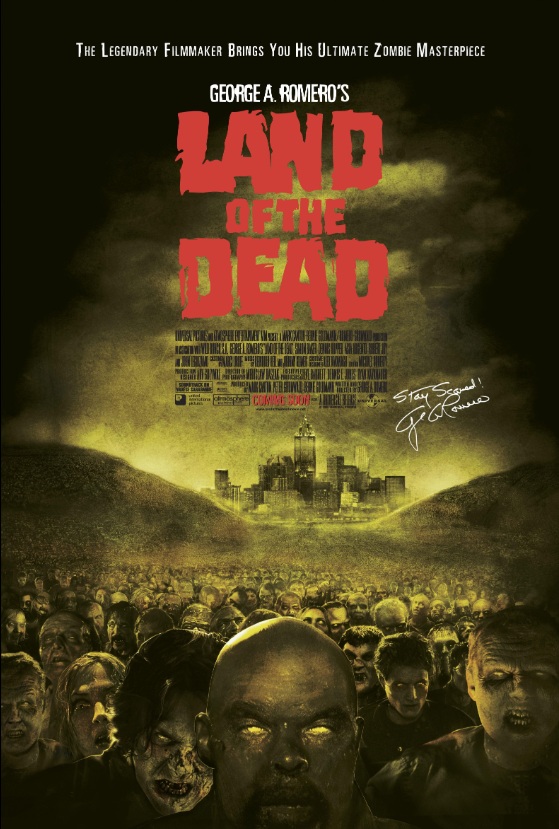
Twenty years after Day of the Dead, zombie king George A. Romero returns to his roots with the fourth part of his classic ‘Dead’ series. The story of Land of the Dead takes place years after Day. How long exactly is not specifically stated, but it’s long enough for two civilizations to have erupted.

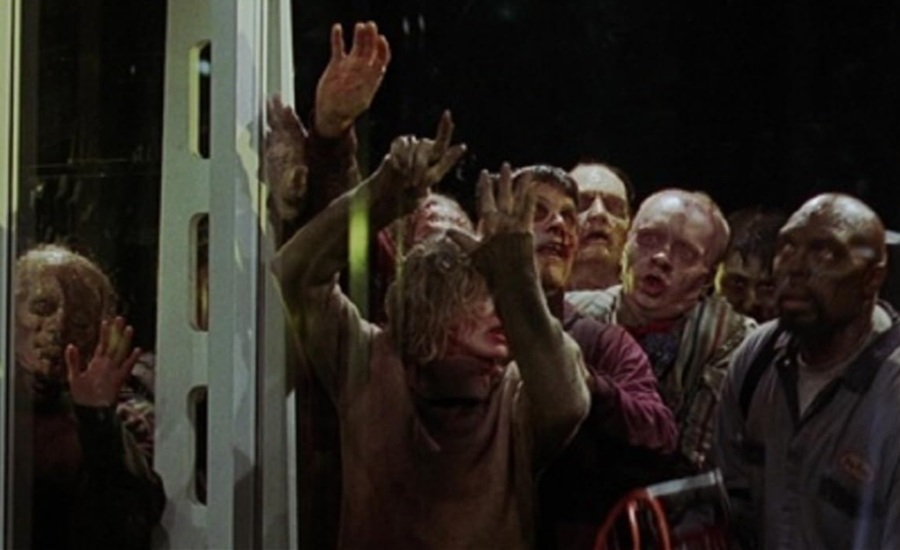
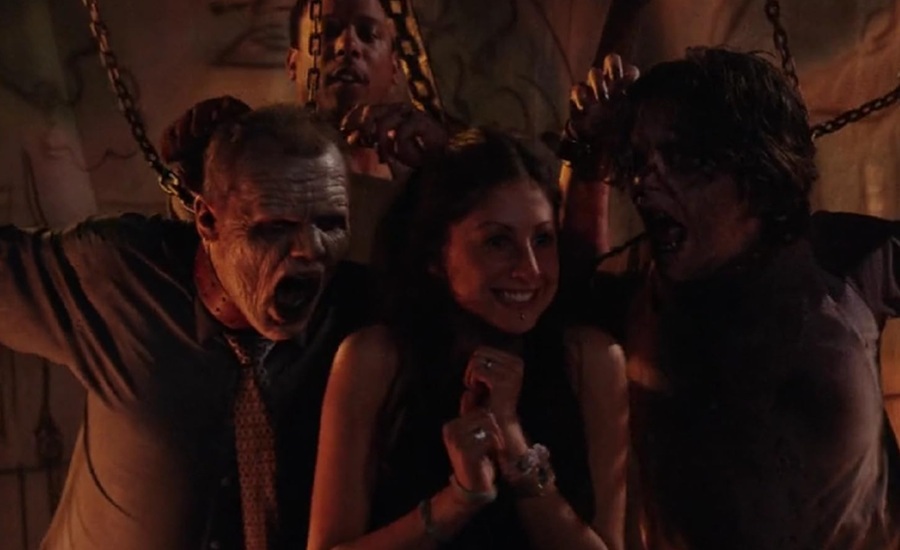
The first civilization in Land consists of the living dead who are no longer the ‘mindless walking corpses’ they once were. They have evolved, and have even become relatively intelligent (for walking corpses that is). The zombies can now communicate with each other and use basic strategies in attacks. They also have a leader, a gas pump attendant named Big Daddy, who knows how to display emotions. Especially anger.

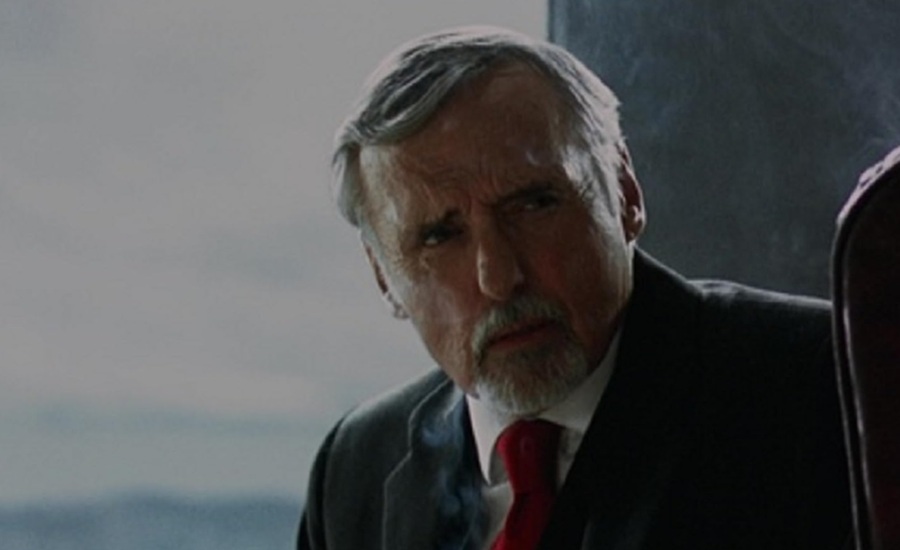
His anger is directed towards the other civilization in Land: the humans. They live in a fortified city protected by walls and electric fences which is dominated by macho behaviour and corrupt politics. Like the zombies, the humans also have a leader, the corrupt businessman Paul Kaufman (Dennis Hopper) who occupies the city’s tallest building. At night, the humans go out on a zombie killing spree to clear the surrounding area and gather supplies. For this purpose they use a massive armed vehicle called Dead Reckoning. During the nightly expeditions, the humans commit cruelties against the zombies which makes them (especially Big Daddy) very angry. But the humans commit crimes against each other as well.

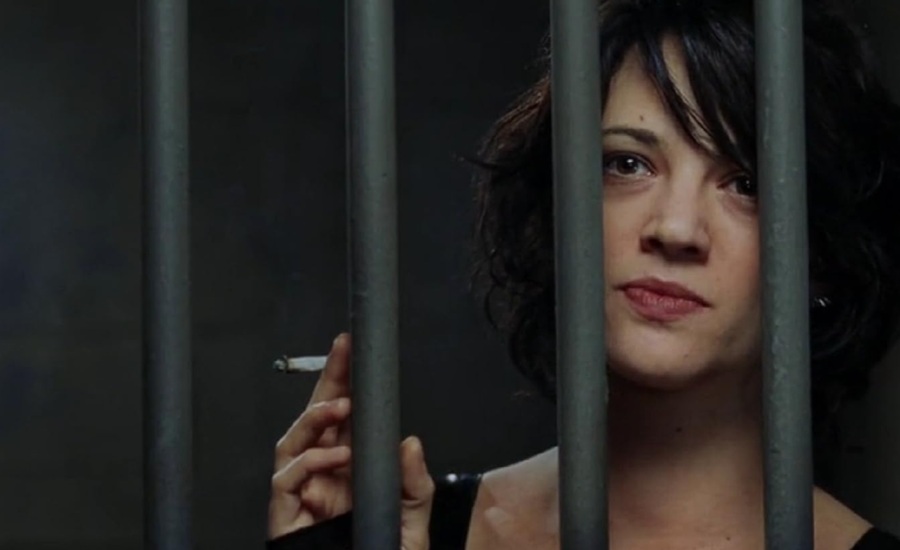
John Leguizamo plays Cholo, a young and reckless entrepreneur who makes a few bucks by bringing in booze for Kaufman. When Kaufman cheats Cholo in a deal, Cholo steals Dead Reckoning and demands five million to bring it back. Kaufman hires expedition leader Riley (Simon Baker) to bring in the vehicle that he designed himself. Riley sets out to find Cholo, but does so for different motives than Kaufman thinks. On his journey Riley picks up the female soldier Slack (Asia Argento), while the zombie army launches an attack on the city.

When Land of the Dead came out it was received with mixed emotions. Some felt that Romero should have left his old trilogy alone, while other fans couldn’t wait to see it. Those who were expecting too much were initially disappointed, but in retrospect saw more of Romero’s signature qualities. The overall reaction from critics was mostly positive. Once again Romero created a metaphorically rich film that contains plenty of humour, violence and stylish visuals. The downside is that the film’s plot is a little too thin to really involve the viewer, making this a slightly less enjoyable film than other ‘Dead’ entries. But with Romero that still means one hell of a good time. It might not be groundbreaking. But entertaining? Hell yes.

Rating:

Biography: George A. Romero (1940, New York – 2017, Toronto), who lived in Pittsburgh, made his feature debut with Night of the Living Dead. It was a low budget zombie movie that was both groundbreaking and shocking in its time. Quickly, it became a major horror classic. He then directed some smaller, personal films in which he often combined horror and social commentary. In 1978 he topped the success of Night of the Living Dead with his brilliant follow-up Dawn of the Dead. In the eighties his career stagnated a bit when he created the third part in his zombie series Day of the Dead. It was a failure both commercially and critically. It is more appreciated nowadays. In a recent feature by Empire – The 25 Best Zombie Movies Of All Time – it is ranked second only after Dawn of the Dead. In 2005 Romero made a small comeback with Land of the Dead. He died in 2017.

Filmography (a selection): Night of the Living Dead (1968), There’s Always Vanilla (1971), Season of the Witch (1972), The Winners (1973, TV episodes), The Crazies (1973), O.J. Simpson: Juice on the Loose (1974, TV doc), Martin (1977), Dawn of the Dead (1978), Knightriders (1981), Creepshow (1982), Day of the Dead (1985), Monkey Shines (1988), Two Evil Eyes (1990) [with Dario Argento], The Dark Half (1993), Bruiser (2000), Land of the Dead (2005), Diary of the Dead (2007), Survival of the Dead (2009)