“The mind is not only an internal phenomena, but an external landscape thing as well. When you walk around a city, it is located in your mind and you’re creating every external object you observe in this cityscape. Those objects wouldn’t be present without you. They don’t exist in the world, they exist strictly in observers.”
― Nicky Mento, ObserverWorld
[22-05-25] The road was becoming familiar by now. As I approached Belgium, five towers loomed on the outskirts of Antwerp, overlooking the highway. What a terrible, unnatural way to live, I thought. But I suppose, in this day and age, that qualifies as prime real estate.
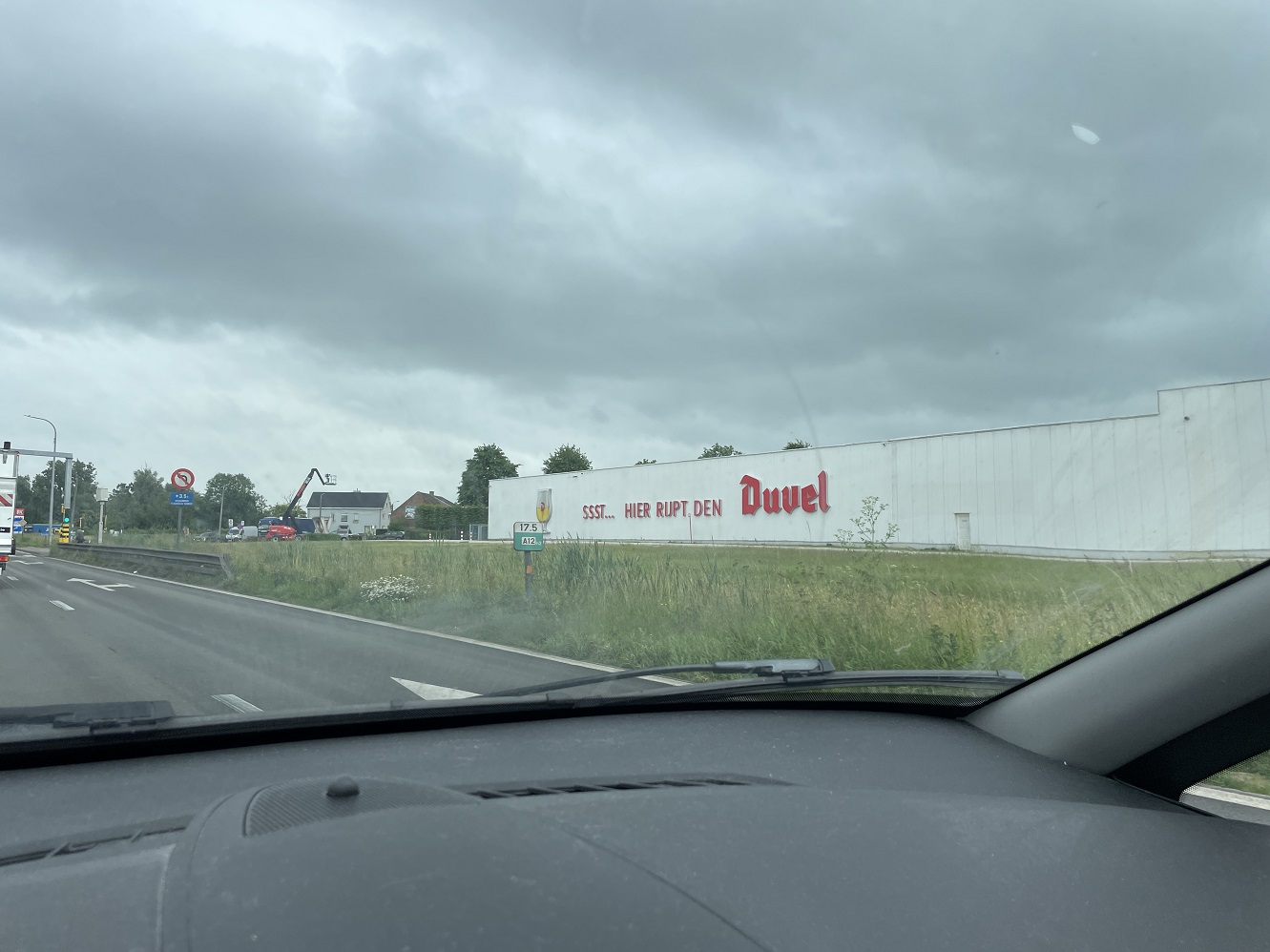
Other landmarks slipped past on the A12: the Duvel brewery, the gleaming geometry of the Atomium, and of course, the beautiful cathedral that greets you as you enter Brussels. I was in the city for the second time that week – this time for an interview with the head of the Belgian antitrust authorities, which, in the world of M&A, is no small thing.


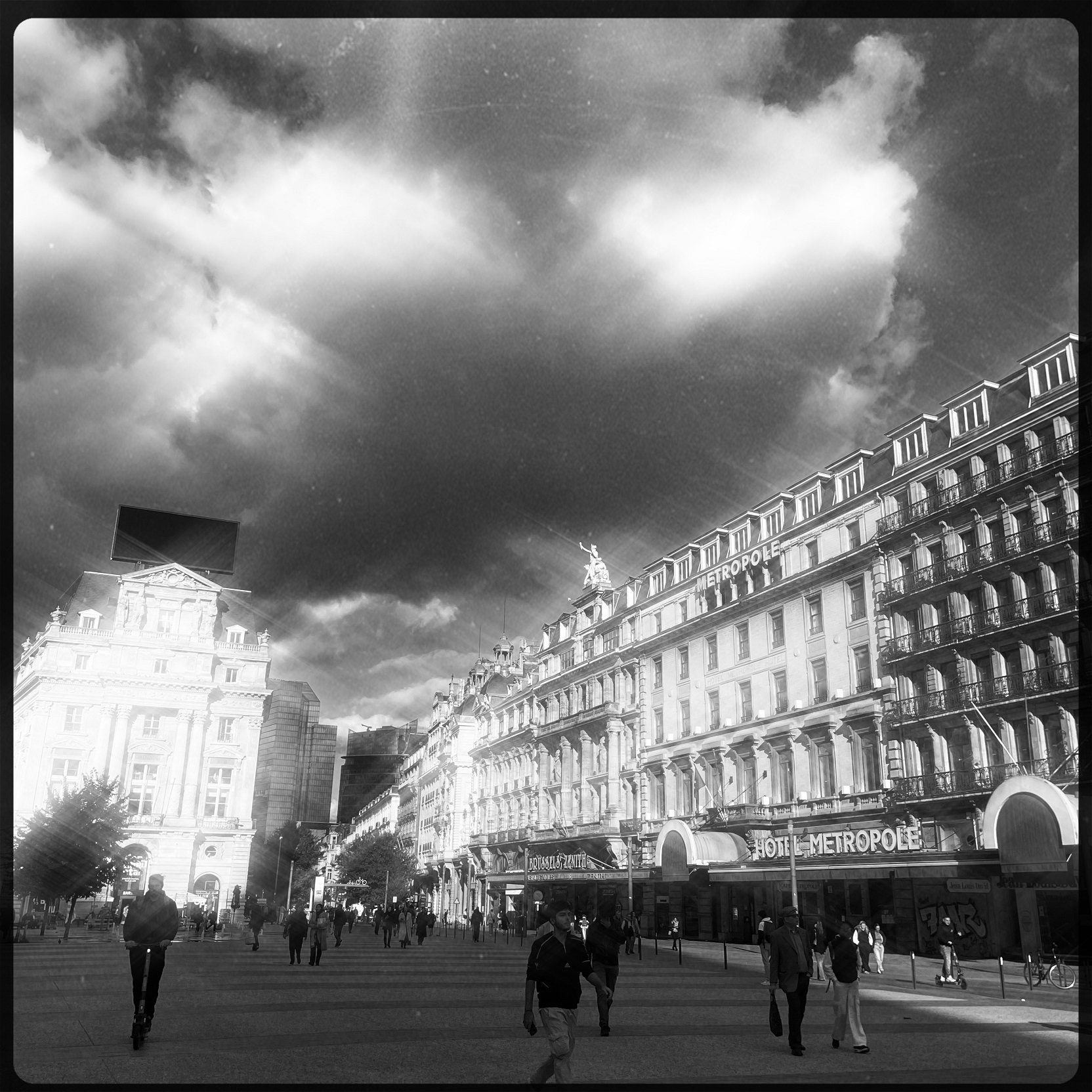
It was a week before my 45th birthday, and I felt good. Energized, even. Ready to explore this engaging city once more. The interview went well, and afterward, I ducked into a café to get some work done. Later, I made my way to De Brouckère Square again. But instead of stopping at the Metropole like last time, I went to the UGC cinema to watch Mission Impossible: Dead Reckoning.
I’d noticed Tom Cruise’s face of posters scattered across the city when I drove in. In this eighth – and possibly final – installment, he was truly up against the impossible: defeating a rogue artificial intelligence that had seized control of the internet.
The film wasn’t perfect, it dragged on in parts, but the finale was spectacular. The airplane sequence was a genuine triumph. It also tapped into one of the most pressing threats facing the modern world: the drift from information war to potential nuclear conflict. So kudos to Cruise and director Christopher McQuarrie for pulling it off.
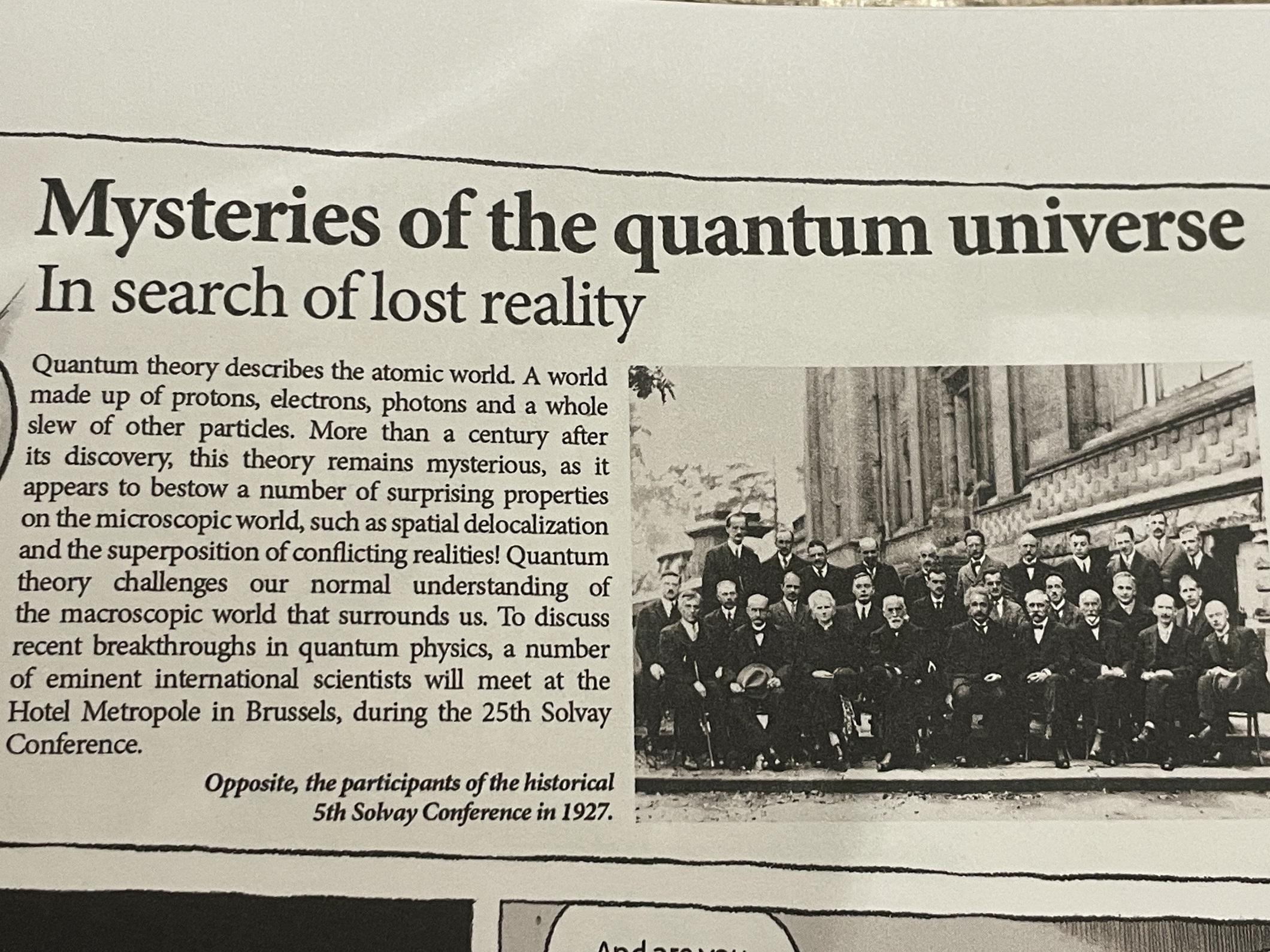
Luther had the last word, and it was a hopeful one: there are countless possibilities ahead, and we can choose well: not just for ourselves, but for others. “Nothing is written.” A message that harmonizes beautifully with quantum physics – and fittingly so, given this city’s history. In 1927, the world’s leading physicists gathered at the Metropole on De Brouckère Square to grapple with the implications of their discoveries.
They didn’t phrase it in those exact terms, but the idea was present: the universe arises from unmanifested potential, and it is consciousness – expressed through living beings – that brings it into form, shaping reality within the space-time field they themselves create.
In the film, the AI, known simply as The Entity, can calculate the probabilities of human choices, predicting the future with uncanny accuracy. To defeat it, the characters must make wildly improbable decisions, thereby evading its forecasts. That concept stuck with me: What improbable choice should I make? Should I invest everything into Free-Consciousness and try to get the platform off the ground?


I wandered into a sushi restaurant to think it over. The waiter greeted me with a nod and showed me to my table. I felt a bit like Robert De Niro’s character, Noodles, in Once Upon a Time in America, being led to a bed in the Chinese opium den – where he proceeds to dream the second half of the film into existence. Or so it seems. Only my opium was sushi and cola from an unfamiliar brand.
But I was there to dream. To dream about life, about work, about writing and movies. The week before, I’d come to a realization: I have too many passions. And by trying to do them all, none of them is really going anywhere. I started Free-Consciousness to bring a small spark of awareness to a world in decline. But if I want it to succeed, do I need to go all in?
To help answer that question, I brought along a trusted companion: the I Ching, or Book of Changes – one of humanity’s oldest living oracles. For more than three thousand years, this ancient Chinese system of divination and wisdom has helped emperors, sages, and ordinary people navigate life’s complexities. While traditionally understood through classical philosophy, new interpretations suggest the I Ching might be an early interface for the consciousness field; a symbolic system for engaging with probability patterns and glimpsing potential futures.
My question to the book was simple: Is it okay to dabble in all my hobbies, or should I focus on just one and fully commit?
The system revolves around 64 hexagrams – six-line figures made up of either solid (yang) or broken (yin) lines. Each hexagram represents a universal situation or process. I took three coins from my wallet and cast them six times to determine which lines to draw.

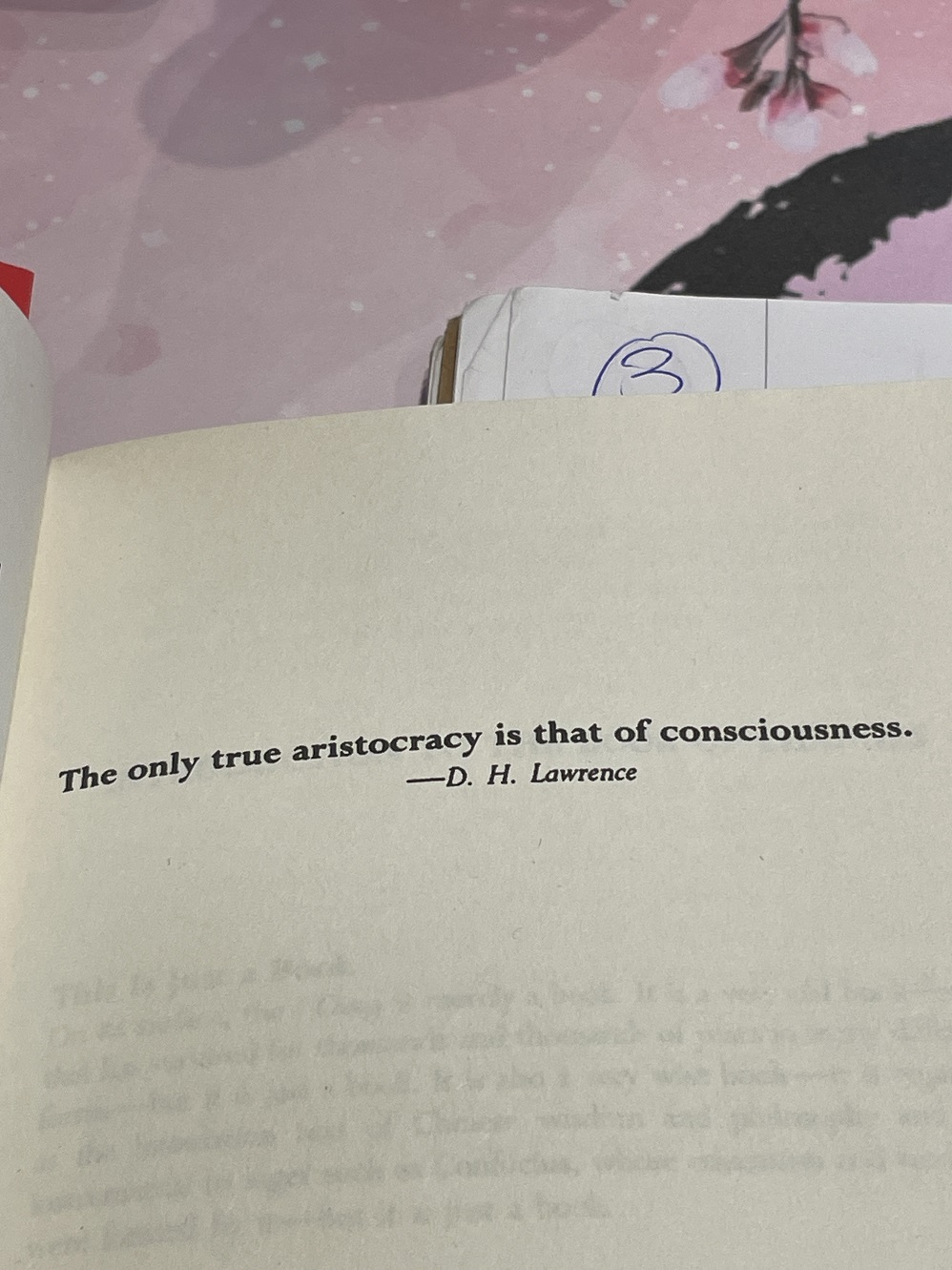
The result was Hexagram 53: Chien / Development. And it was exactly what I needed to hear.
The text read:
‘The image of this hexagram is that of a tree growing high on a mountaintop. If this tree grows too quickly, without properly rooting itself, it becomes vulnerable to the wind and may be torn apart. But if it takes time to establish strong roots and is content to grow gradually, it will enjoy a long life and a lofty view. Human beings are no different. While we often crave rapid progress – immediate achievement of all our goals – we must eventually come to understand that the only lasting progress is gradual. Chien urges you to accept this truth and shape your thoughts, attitudes, and actions accordingly.’
Word. Free-Consciousness is like that tree. It needs time to root before it can rise.




 FRAGMENTEN UIT HET SCHEMERLAND