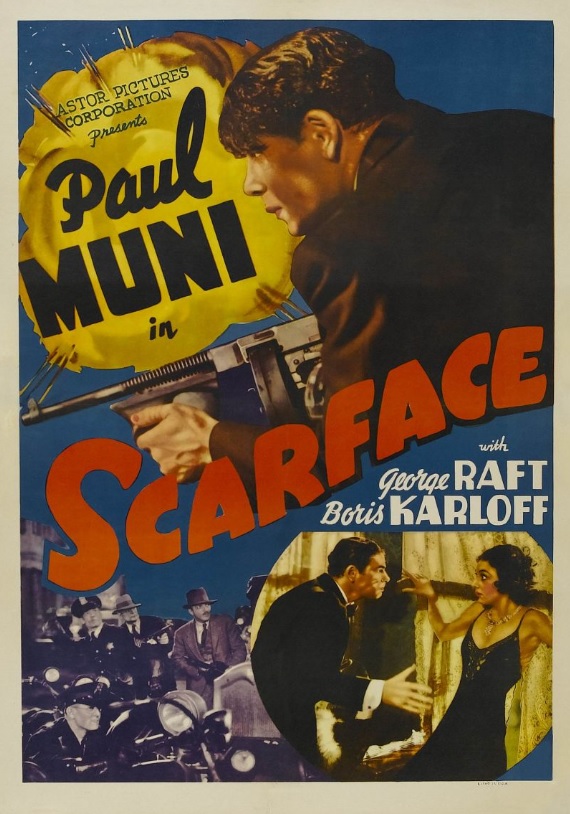
Directed by:
Howard Hawks, Richard Rosson
Written by:
Armitage Trail, Ben Hecht, Seton I. Miller
Cast:
Paul Muni (Tony), Ann Dvorak (Cesca), Karen Morley (Poppy), Osgood Perkins (Lovo), C. Henry Gordon (Guarino), George Raft (Rinaldo), Vince Barnett (Angelo), Boris Karloff (Gaffney), Purnell Pratt (Publisher), Tully Marshall (Managing Editor)
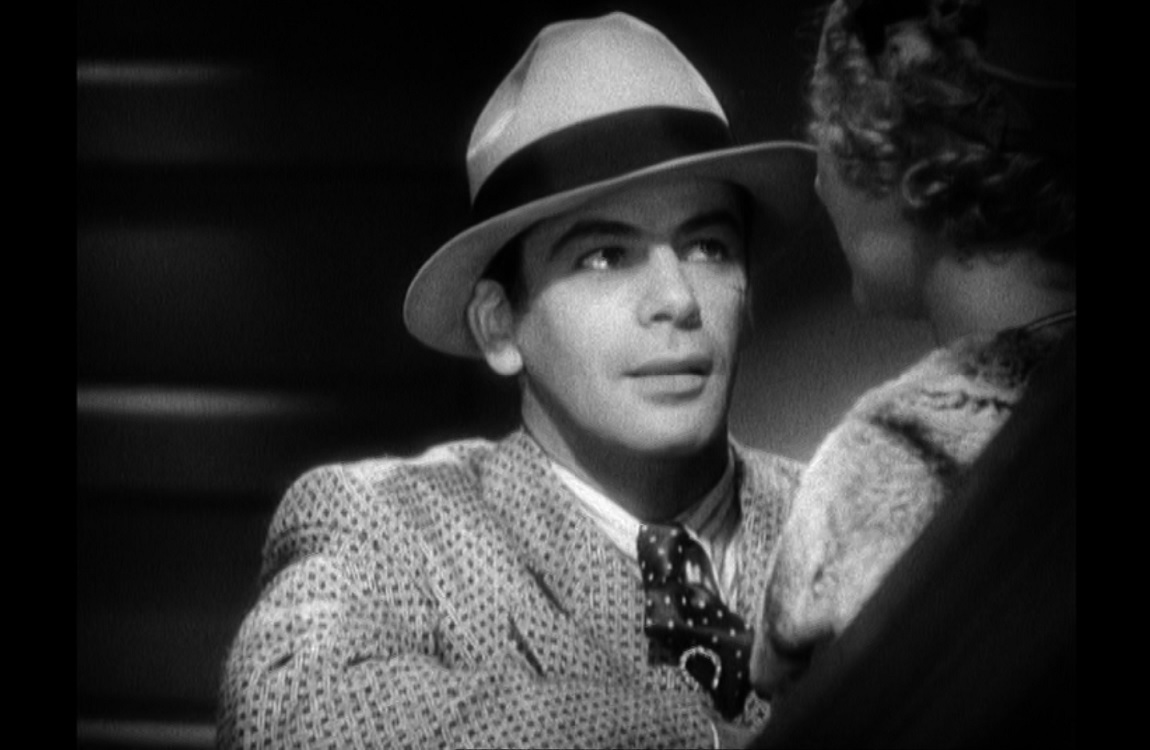
The original Scarface opens with a challenge — literally. The very first words on screen declare: “This picture is an indictment of gang rule in America. What are YOU going to do about it?” I can’t think of another film that confronts its audience so directly. It sets the tone for what’s to come: bold, brash, and unafraid to stir things up.
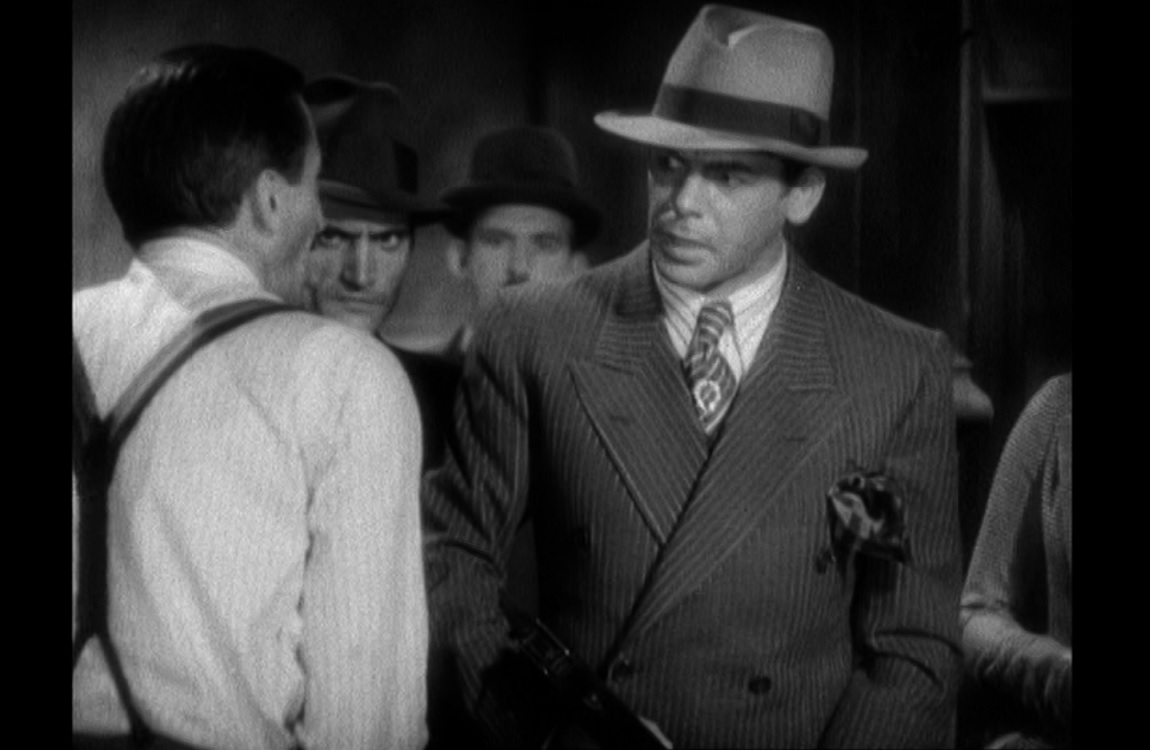
The story kicks off when Louis Costillo, the last of the old-school gang leaders, is gunned down. With him out of the way, Chicago is up for grabs. Enter Tony Camonte — a ruthless, trigger-happy Italian thug with big ambitions. He works for Johnny Lovo, a mob boss running the city’s bootlegging operations, but Tony clearly has bigger plans.
Tony’s greatest strength is his fearlessness. His greatest weakness? He’s reckless to the point of stupidity. At one point, he openly tells an underling — someone he barely knows — that he plans to kill Lovo and take over. Still, Tony lives by his own brutal code: “Do it first. Do it yourself. And keep doing it.” And for a while, that philosophy takes him far.
It’s no secret that Tony Camonte is a thinly veiled version of Al Capone — the real-life ‘Scarface’. The film even recreates the infamous St. Valentine’s Day Massacre, among other bloody moments from Capone’s reign. Paul Muni, who plays Tony, throws himself into the role with raw intensity. At times, maybe too much intensity. His exaggerated Italian accent borders on parody today — but to be fair, that larger-than-life acting style was very much in fashion back then.
Watching Scarface for the first time, I was struck by how much it echoes Brian De Palma’s 1983 version — the one I grew up with. Tony’s obsessive, almost incestuous protectiveness over his sister, the iconic ‘The World is Yours’ sign, and of course, his violent downfall in a hail of bullets — it’s all here. The DNA of De Palma’s Scarface runs straight back to Howard Hawks’ original.
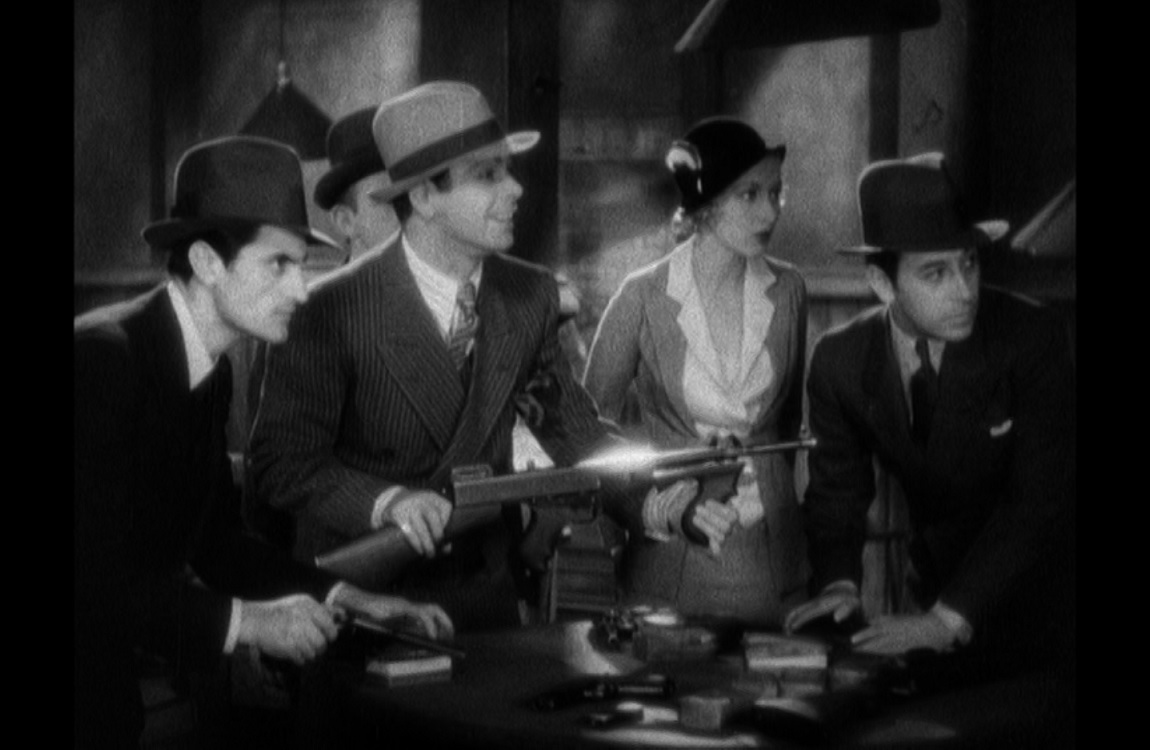
But what really stood out to me on my recent rewatch was just how groundbreaking the action scenes are. The machine gun shootouts — stark, brutal, and filmed in gritty black and white — feel years ahead of their time. There’s a raw energy to them that still hits hard, even nearly a century later. This Scarface might not have the swagger of Al Pacino’s Tony Montana, but it’s every bit as bold, violent, and unforgettable.
Rating:

Quote:
TONY CAMONTE: “Hey, Cesca, you and me, huh? We’ll show them. We’ll lick them all, the North Side, the South Side! We’ll lick the whole world!”
Trivia:
Like many of the early gangster movies, real machine gun fire is used to create the bullet damage in walls, including scenes with main characters ducking gunfire.



 FRAGMENTEN UIT HET SCHEMERLAND