60. Informal Investors

Episode: Mayham (SE6, EP3)
Characters: Christopher, Little Carmine, J.T. Dolan, Silvio, Larry Barese, Benny Fazio, Patsy, Vito and Murmur
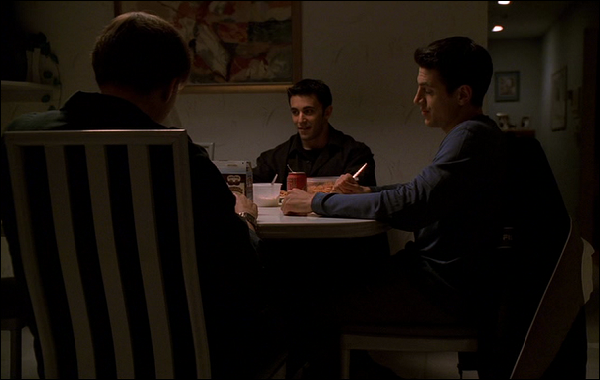
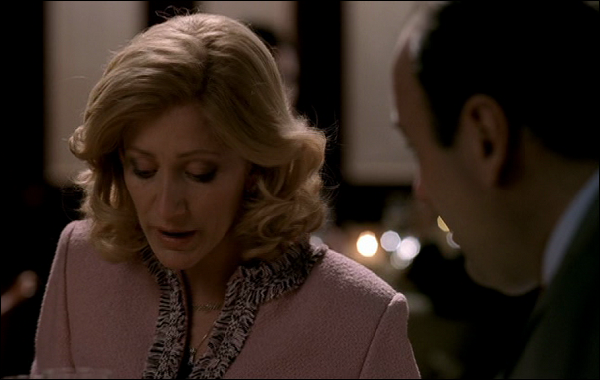
Screenwriter J.T. Dolan is summoned to the Bing by Christopher to do a pitch on a new kind of slasher film. Present are potential investors, all wiseguys and the film’s creative team Christopher and Little Carmine Lupertazzi. The dialogues in this scene are quite hilarious. Especially funny is how scared Dolan is of the mobsters present. Silvio shows his knowledge of the entertainment business. “How is that a slasher movie? Michael Myers is an escaped mental patient. Jason and Freddy, different kind of movie.”
59. Making of a Legend
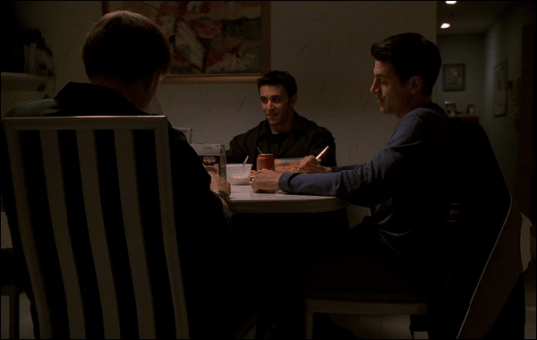
Episode: Amour Fou (SE3, EP12)
Characters: Ralphie, Jackie Jr. and Dino Zerilli
The Sopranos is so rich, so detailed. Every character has a whole history. The scene in which Ralph tells a legendary tale about the old days makes Tony even more larger than life than he already was at this point. After hearing the story of how Tony and Jackie Aprile, Sr. got on the fast track to getting made after robbing Feech La Manna’s card game, Jackie Jr. and Dino Zerilli get their stupid idea of pulling a similar stunt. And why didn’t Ralphie go along with the robbery? “Please, I’m still sick of it. I caught the clap from some hippie broad I was fucking. My dick was dripping like a busted pipe.” Whahahaha!!!
58. Playing the Part

Episode: Stage 5 (SE6, EP14)
Characters: Tony, Christopher, Carmela, Kelly Moltisanti, A.J., Bobby Jr. & Sophia Baccalieri, Paulie, Silvio, Gabriella Dante, Rosalie Aprile, Bobby, Janice, Joanne Moltisanti, Nica and priest
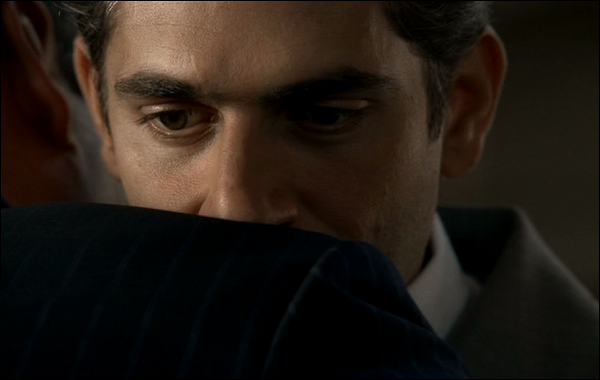
The tension between Tony and Christopher is tangible when they embrace at the baptism of Chris’ daughter Caitlin, for whom Tony becomes godfather. In therapy earlier, Tony said he thinks Chris hates him and wants to kill him. Judging by the look in Chris’ eyes, he seems to be 100% right! Great scene over which the song/poem ‘Evidently Chickentown’ by John Cooper Clarke is heard.
57. Reconciliation

Episode: Long Term Parking (SE5, EP12)
Characters: Tony and Carmela
Tony and Carmela get back together after almost a season of separation. The price tag: 600.000 dollars. Carmela will use this cash to build a spec house. Tony also promises that his mid life crisis will no longer intrude on Carmela’s life and the deal is sealed.
56. Making his Bones

Episode: Pilot (SE1, EP1)
Characters: Christopher and Emil Kolar
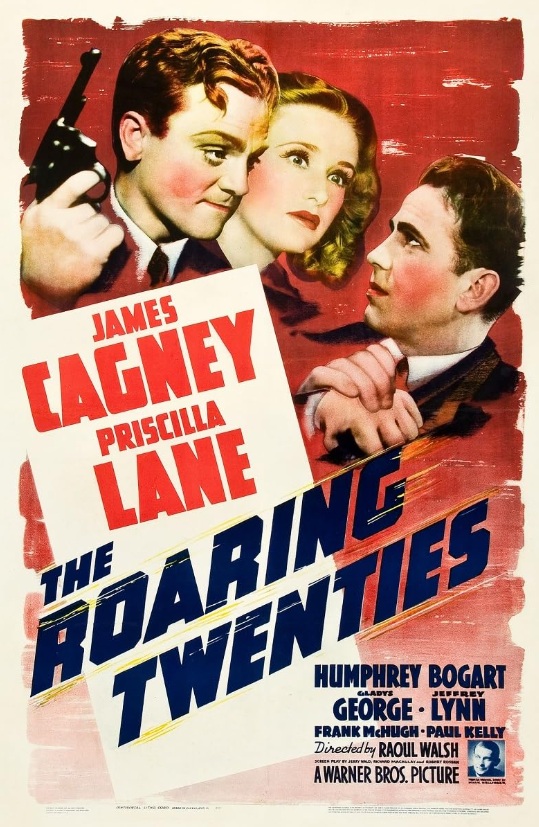
A wiseguy’s first hit is always a big deal in the Mafia. This is Christopher’s first; he wets Emil Kolar to hang on to a few garbage stops. His inexperience is noticeable, but so is his talent; he doesn’t hesitate for a second and whacks the Kolar kid GoodFellas-style. He shoots him in the back of his head and then shoots at his dead body as though he’s Joe Pesci. The location of the hit is a pork store which gives it something sinister. The shooting is intertwined with pictures of gangster cinema icons like Humphrey Bogart, Dean Martin and Edward G. Robinson. Since Christopher is a Hollywood inspired gangster, this makes this scene absolutely perfect. Also notice the meat cleaver on which Kolar snorts coke. Inspiration for Christopher’s gangster/horror movie ‘Cleaver’ later on?
55. Finn’s Testimony

Episode: Live Free or Die (SE6, EP6)
Characters: Tony, Christopher, Paulie, Silvio, Patsy, Carlo, Bobby, Dante ‘Buddha’ Greco and Finn De Trolio
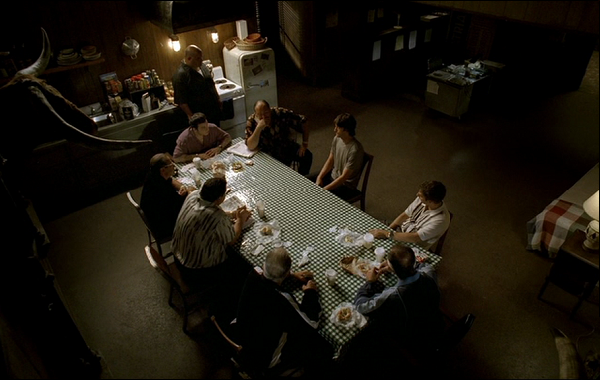
Finn’s testimony for witnessing Vito greasing a security guard’s weasel is a hilarious moment. Imagine having to come into a butcher shop to tell this story to a bunch of wiseguys. The responses are priceless, especially when Finn says; “It was the other way around. Vito was blowing the security guard.” Carlo: “Pitching, not catching.” Oh boy…
54. Out of the Closet
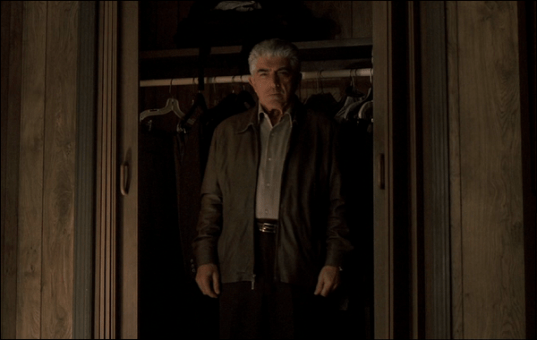
Episode: Cold Stones (SE6, EP11)
Characters: Phil, Vito, Gerry Torciano and Dominic ‘Fat Dom’ Gamiello
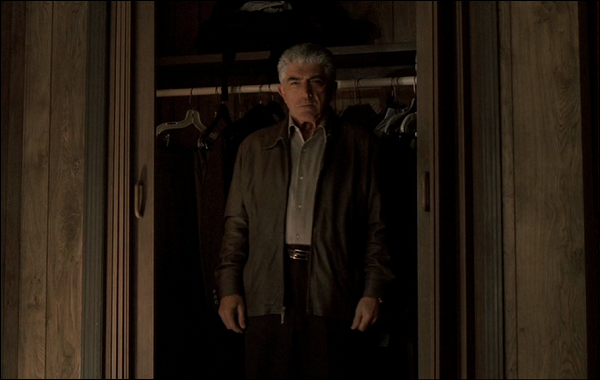
Vito meets his demise at the hands of Phil Leotardo. He should have stayed away, but couldn’t handle a lifestyle that didn’t include the thrills of the mob. When Phil steps out of the closet, it is like an image straight out of a horror movie. Four alternative versions of Vito’s death were reportedly shot. But they rightly chose this one, the most unpleasant one. It is an ugly moment.
53. Bad Draw
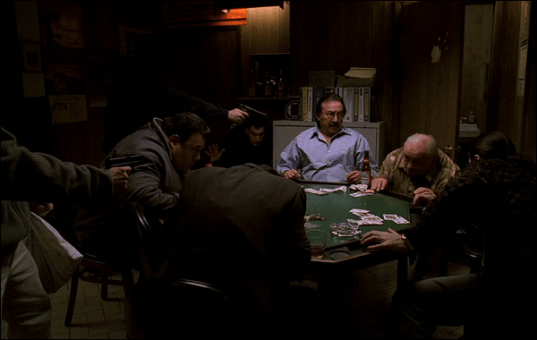
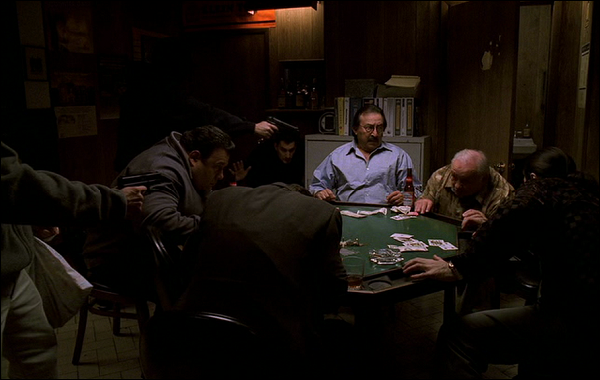
Episode: Amour Fou (SE3, EP12)
Characters: Jackie Jr., Carlo Renzi, Dino Zerilli, Eugene Pontecorvo, Furio, Christopher, Sunshine, Matush Gia and Ally Boy Barese
Every time a couple of young guys try to get higher up in the Mafia, a disaster happens. This card game robbery by Jackie Jr. is perhaps even worse than Matt Bevilaqua and Sean Gismonte’s attempt in Season 2. Jackie should have listened to his doubts rather than his friend Dino who says; “let’s do it before the crank wears off.” Oh, and remember never to hire Matush as your getaway driver.
52. Digging in the Past

Episode: Cold Cuts (SE5, EP10)
Characters: Christopher and Tony Blundetto
“My first. Czechoslovakian guy.” Christopher and Tony Blundetto are digging up corpses. It feels Shakespearian and that is because the scene in which Christopher holds the skull is a reference to the famous Yorick scene in Hamlet. The mood is very sinister, especially when Christopher is crushing the skull into tiny bits. Their complete lack of normal human emotions is mind boggling.
51. The Mix Up
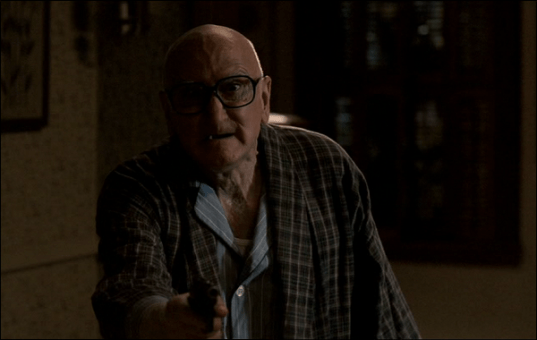
Episode: Members Only (SE6, EP1)
Characters: Tony and Uncle Junior
The increasingly demented Junior confuses Tony for his former enemy Little Pussy Malanga and shoots him at the end of ‘Members Only’. Tony barely manages to dial 911 and then passes out. A true cliffhanger as they are rarely seen in The Sopranos. Great!!






 FRAGMENTEN UIT HET SCHEMERLAND