The 33 Gangster Films You Can’t Refuse


“It’s not just Italian American gangsters. It’s Cagney and Bogart movies, it’s Westerns. Americans seem to have some kind of fascination with outlaws in general. Maybe it’s because we were an outlaw nation to begin with. This nation was born of rebellion against authority, and in a weird way, that’s what these characters represent. That image is very attractive to Americans. It’s part of the national unconscious. It’s practically in our genetic code.”

― Steven Van Zandt in the article ‘A Harried Godfather struggles to balance his personal and professional lives’. By Matt Zoller Seitz in The Star-Ledger, 1-9-1999

Introduction

As far back as I can remember, I always loved gangster movies. Well, that’s not exactly true; I have always loved watching bad guys, so I definitely recognize myself in that Steven Van Zandt quote above – and I’m not even American. As a child, I loved cartoons and action films – like the James Bond movies – that featured inspiring villains.

Then, when I was 13, I saw GoodFellas for the first time. It immediately became my favorite film, my love for the gangster genre was awakened, and I have since watched countless gangster films. So now, more than 30 years later, I have decided to put together my personal ultimate ranking of gangster classics.

But what do I mean by ‘gangster film’? First, I had to get my criteria straight: gangsters must play a lead role in the movie. So is Heat a gangster movie? Definitely. Yes, fifty percent of the film is about the cops trying to catch the robbers, but those robbers play a huge role in the movie. In screen time alone, Neil McCauley’s gang can match most of the other gangsters on this list.

Of the final selection, I had the most doubts about The Untouchables and Lock, Stock and Two Smoking Barrels. The first is really about Elliot Ness and his special police force, but I still felt the gangsters play a very prominent part in the film. Robert De Niro’s Al Capone, in particular, is such a powerful gangster performance that the movie belongs on this list.

As for Lock, Stock: the main characters may not be arch criminals, but they are still up to their necks in crime. Besides, most of the other characters are legendary gangsters such as Hatchet Harry, Big Chris, and Barry the Baptist, so it’s pretty obvious it should be included.

One movie that didn’t make the cut is L.A. Confidential. A brilliant film, surely, but its ‘gangsters’ are mostly crooked cops, and therefore don’t count as gangster characters.

Great movies that almost made the cut: Scorsese’s Mean Streets, which I chose not to include because its characters are so low-level in the underworld and the film features few high-level mobsters.

The terrific A History of Violence, which is more an action thriller focused on the psychology of its characters rather than crime. And Bound, more an erotic thriller in which one main character (Joe Pantoliano’s Caesar) happens to be in the mob.

Movies that do live up to the criteria and almost made it, and therefore deserve an honorable mention: Gotti, A Bronx Tale, The Roaring Twenties, Little Caesar, Scarface (1932), Eastern Promises, and The Public Enemy.

So now, without further ado, I present the 33 gangster films that define the genre for me… Just don’t go busting my balls about the selection, okay?

The 33 Gangster Films You Can’t Refuse
32. Road to Perdition
31. American Gangster
30. The Killing
29. King of New York
28. The Departed

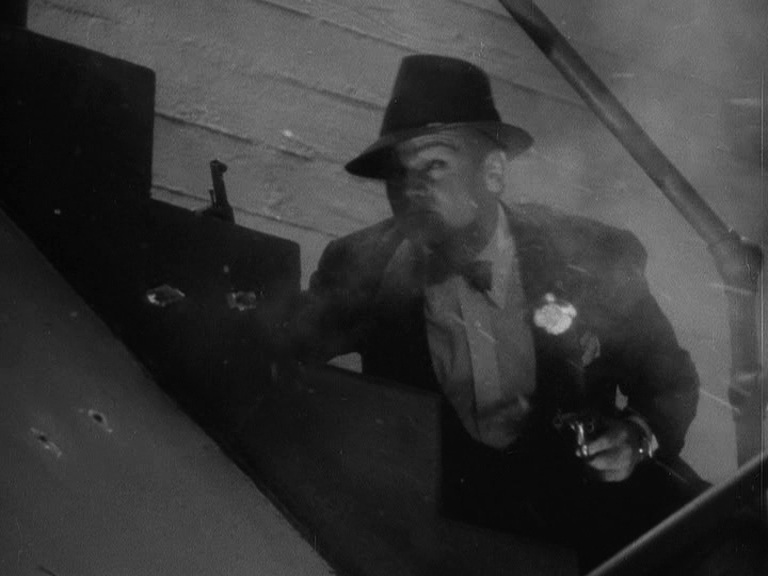
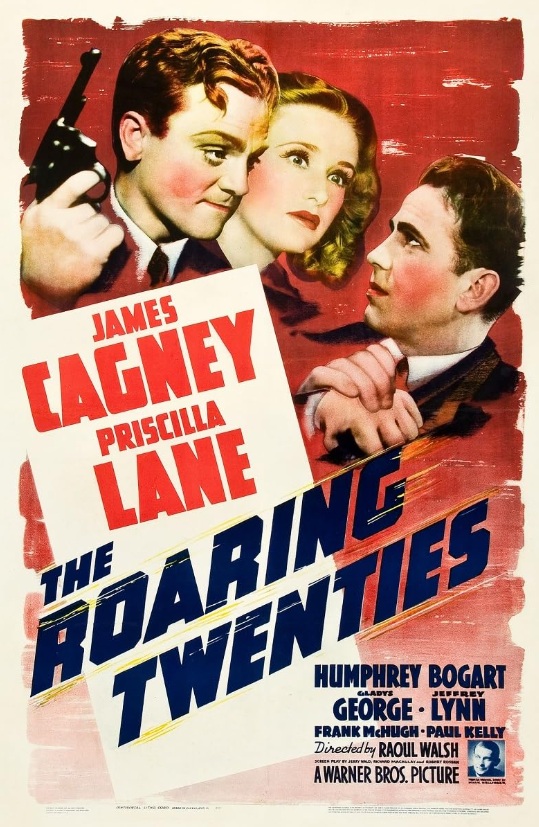
The Roaring Twenties (1939)


‘America’s Most Colorful Era!’

Directed by:
Raoul Walsh

Written by:
Jerry Wald (screenplay)
Richard Macaulay (screenplay)
Robert Rossen (screenplay)
Mark Hellinger (story)

Cast:
James Cagney (Eddie Bartlett), Priscilla Lane (Jean Sherman), Humphrey Bogart (George Hally), Gladys George (Panama Smith), Jeffrey Lynn (Lloyd Hart), Frank McHugh (Danny Green), Paul Kelly (Nick Brown), Elizabeth Risdon (Mrs. Sherman), Ed Keane (Henderson), Joe Sawyer (The Sergeant)

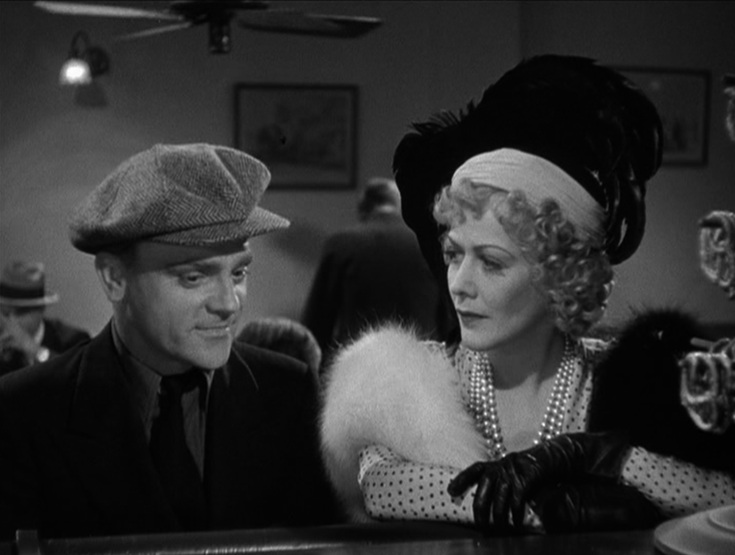
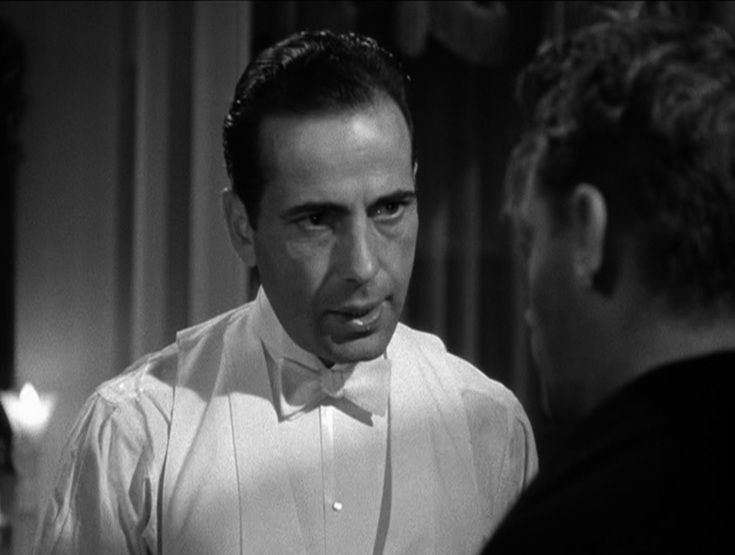
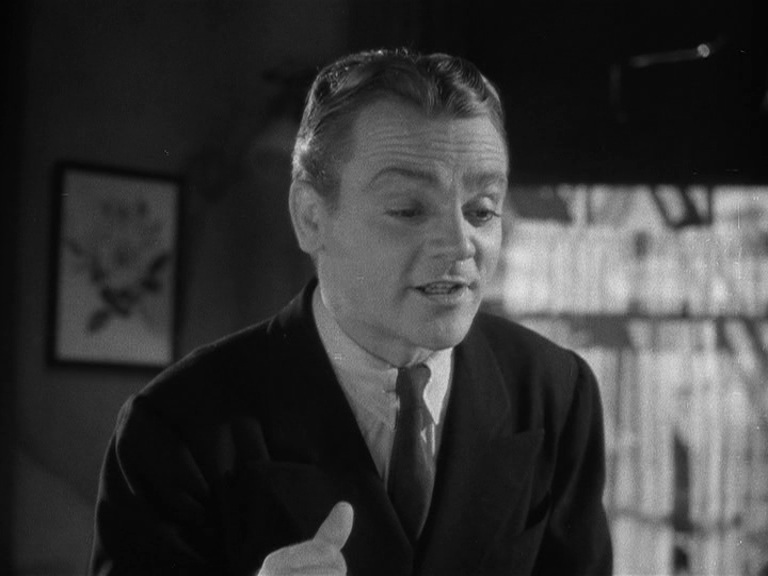
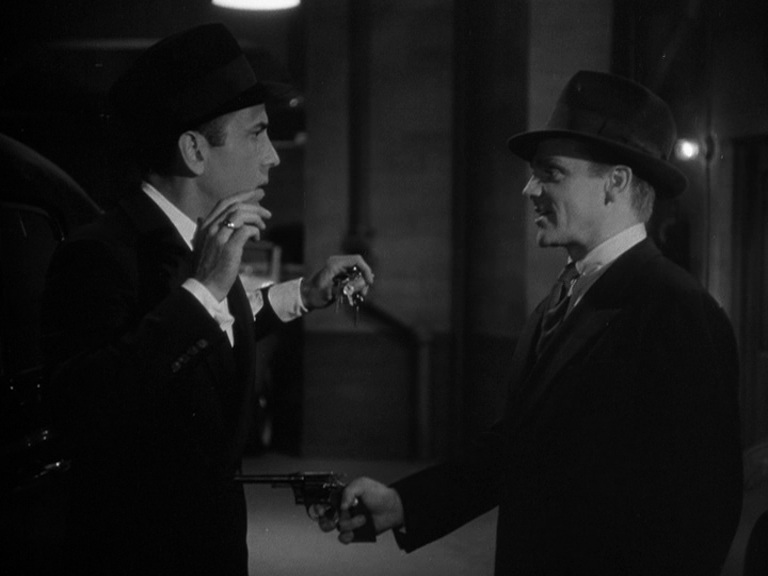
The Roaring Twenties opens in the immediate aftermath of World War I, as soldiers James Cagney and Humphrey Bogart return home in 1919. They find a nation grappling with economic hardship and rising living costs just as Prohibition is ratified, turning alcohol into both a forbidden fruit and a lucrative business opportunity.

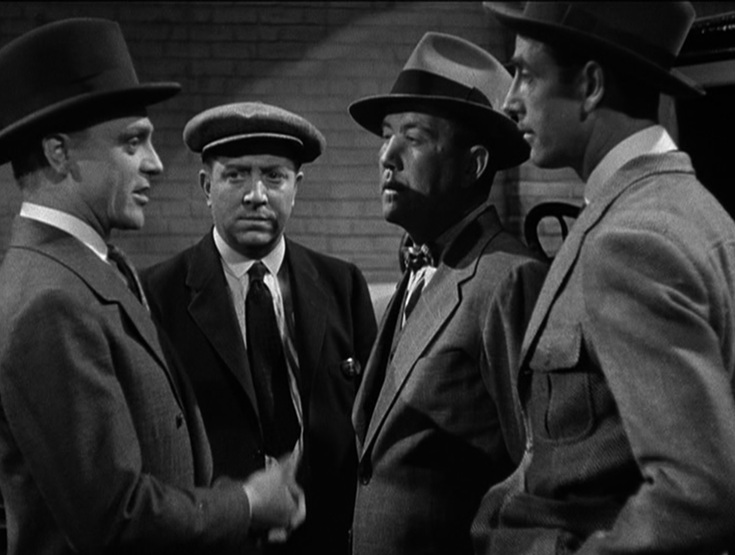
The film follows Eddie Bartlett (Cagney), a former doughboy who seizes the moment and rises to power in the bootlegging underworld. Along the way, he reconnects with Jean Sherman, a woman he corresponded with during the war, securing her a singing job at a nightclub. His path eventually crosses again with his old comrade George Hally (Bogart), now a rival booze importer. Their partnership sours, and tensions escalate when they double-cross fellow bootlegger Nick Brown.

The movie by Raould Walch, who would ten years later make the best gangster film yet at that point – White Heat – is a trendsetter in more than one way. Walsh crafts The Roaring Twenties with a dynamic, almost documentary-like style. Crisp black-and-white cinematography is punctuated by newsreel-style interludes, lending the film an energetic, GoodFellas-esque rhythm. The story of the ‘working gangster’ feels like a clear influence on Scorsese, blending ambition, a jetset lifestyle, and eventually an ugly downfall.

Cagney delivers another magnetic performance as Eddie Bartlett, a character who begins as a mild-mannered entrepreneur, but grows increasingly volatile as his world unravels. What sets The Roaring Twenties apart is its focus on redemption: Eddie’s final act is a selfless one, driven by love rather than greed. It is a rare moral twist for the genre.

Like most gangster tales, it ends with a memorable line, this time spoken by a dame: “He used to be a big shot.”

Rating:

Quote:
EDDIE BARTLETT: “I just ran into a streak of bad luck, that’s all. I’ll be there on top again. I just got to figure out a new angle.”

Trivia:
Gladys George replaced Ann Sheridan (the female star of Cagney’s previous gangster film Angels with Dirty Faces) who had replaced Lee Patrick who had replaced Glenda Farrell for the character of Panama Smith.

Angels with Dirty Faces (1938)


‘The saga of America’s dirty faced kids… And the breaks that life won’t give them!’

Directed by:
Michael Curtiz

Written by:
John Wexley (screenplay)
Warren Duff (screenplay)
Rowland Brown (story)

Cast:
James Cagney (Rocky Sullivan), Pat O’Brien (Jerry Connolly), Humphrey Bogart (James Frazier), Ann Sheridan (Laury Ferguson), George Bancroft (Mac Keefer), Billy Halop (Soapy), Bobby Jordan (Swing), Leo Gorcey (Bim), Gabriel Dell (Pasty), Huntz Hall (Crab)

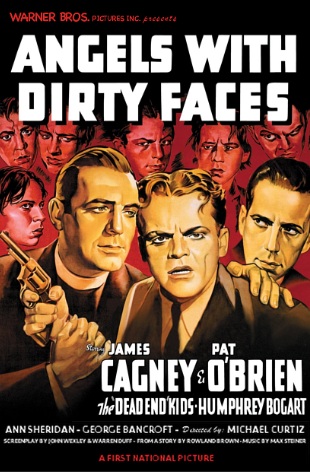
Angels with Dirty Faces brings together two screen legends – James Cagney and Humphrey Bogart – in a gangster film that transcends the genre. The chemistry between them is great.

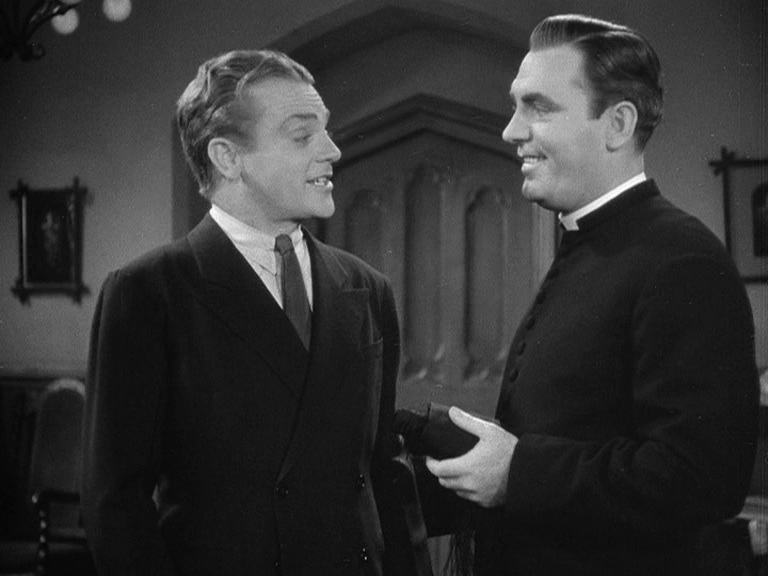
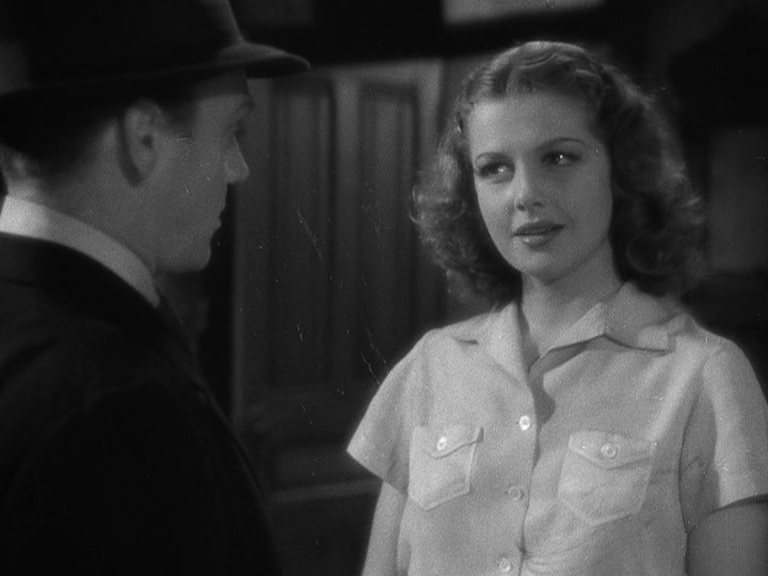
Cagney stars as Rocky Sullivan, a tough kid sent to juvenile prison for petty theft who grows into a hardened criminal. Bogart plays his lawyer, Frazier, while Pat O’Brien portrays Jerry Connolly, Sullivan’s childhood friend turned priest. And the lovely Ann Sheridan stars as Laury, his childhood teasing target who becomes his trusted partner.

When Sullivan befriends a group of street kids who once robbed him, Connolly tries desperately to steer them away from a life of crime. Meanwhile, Frazier orchestrates a betrayal that adds a layer of moral complexity to the story.

Directed by Michael Curtiz (Casablanca), Angels with Dirty Faces feels less like a traditional gangster film (such as The Public Enemy or White Heat) and more like a sharp social commentary. The real focus isn’t just on Sullivan, but on the impressionable youth drawn into his orbit.

Still, it’s a powerful film with standout performances. Cagney’s portrayal of Sullivan foreshadows the unhinged mobster he’d later perfect in White Heat. His influence on the genre is undeniable. The film’s iconic ending remains just as gripping today.

A year later, Cagney and Bogart would reunite for another classic, The Roaring Twenties, but Angels with Dirty Faces stands on its own as a thought-provoking blend of crime and conscience.

Rating:

Quote
ROCKY SULLIVAN: “What do you hear, what do you say?”

Trivia
The scene where Rocky forces a reluctant henchman to take his place in the pharmacy’s phone booth – knowing it will cost him his life – was directly inspired by the real-life death of infamous New York gangster Vincent ‘Mad Dog’ Coll. During a brutal gang war with Dutch Schultz, Coll took refuge in an apartment above a pharmacy, venturing out only to use the phone booth inside to call his girlfriend. Schultz caught wind of this routine and seized the opportunity: when Coll entered the booth for his usual call, Schultz’s gunmen stormed in and fatally shot him.

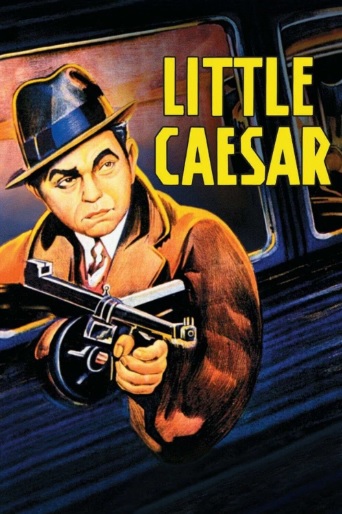
Little Caesar (1931)


‘Big boss of racketeerdom. Master of men until he defied a girl in love!’

Directed by:
Mervyn LeRoy

Written by:
W.R. Burnett (novel)
Francis Edward Faragoh (screenplay)
Robert N. Lee (screenplay)

Cast:
Edward G. Robinson (Caesar Enrico ‘Rico’ Bandello), Douglas Fairbanks Jr. (Joe Massara), Glenda Farrell (Olga Stassoff), William Collier Jr. (Tony Passa), Sidney Blackmer (Big Boy), Ralph Ince (Pete Montana), Thomas E. Jackson (Sgt. Flaherty), Stanley Fields (Sam Vettori), Maurice Black (Little Arnie Lorch), George E. Stone (Otero)

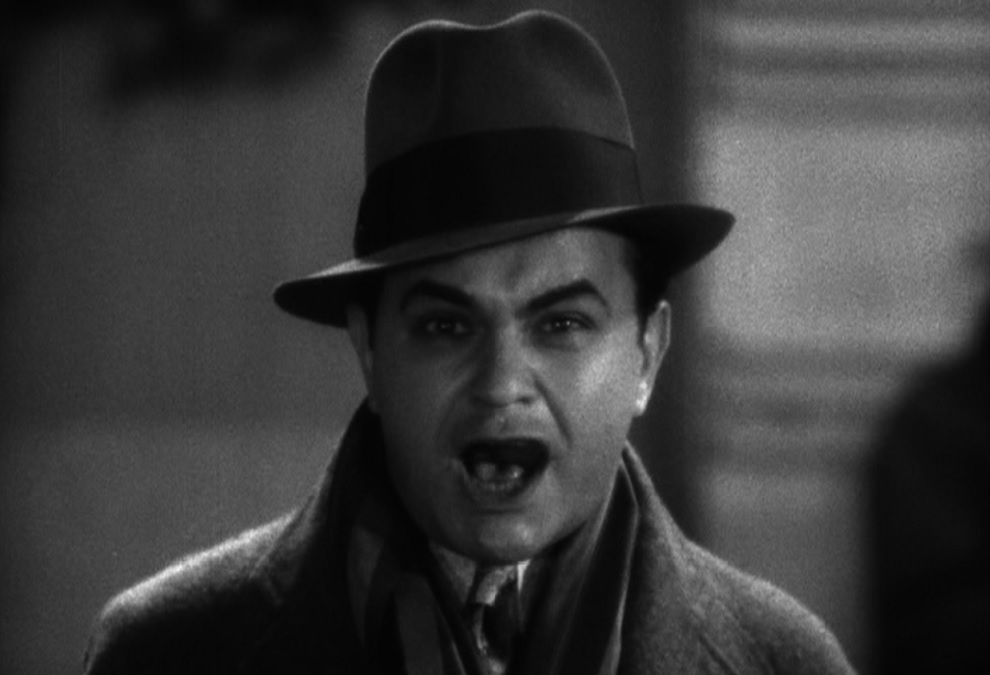
Two friends, Joe Massera and Caesar Enrico ‘Rico’ Bandello, head East to work for a gang. Joe’s true dream is to be a dancer, but Rico is driven by ambition. He envies the powerful gangsters they encounter and craves the lifestyle—the women, the clothes, the respect.

During a New Year’s Eve nightclub heist, Rico impulsively shoots and kills the head of the newly formed crime commission. His boss is furious, but Rico quickly convinces the crew that he should take charge. As their leader, however, he brings the full weight of the police down on them.

Meanwhile, Joe falls in love with fellow dancer Olga and longs to leave the gang behind. Rico refuses to let him go. Though Rico proves himself a sharper and bolder leader than his predecessor, his recklessness and raw emotion expose the kind of flaws that would define countless cinematic mobsters to come.

Released just a year after The Doorway to Hell with James Cagney – a film that introduced many of the tropes later cemented in gangster cinema – Little Caesar is often considered the first fully realized entry in the genre. Edward G. Robinson, in his breakout role, is terrific as the hotheaded gangster desperate to show he fears no one.

The film’s ending – Rico’s death behind the billboard that advertises a dance performance by Joe and Olga – is extremely memorable (“Is this the end of Rico?). It has a great final shot, another hallmark of the genre. In those moments, and through Robinson’s commanding performance, Little Caesar reveals why it stands as such a landmark in gangster film history.

Rating:

Quote:
RICO BANDELLO: “I could do all the things that fella does, and more, only I never got my chance. Why, what’s there to be afraid of? And when I get in a tight spot, I shoot my way out of it. Why sure. Shoot first and argue afterwards. You know, this game ain’t for guys that’s soft!”

Trivia:
Speculation has it that a federal anti-organized crime law – The Racketeering Influence Corrupt Organization Act, or RICO – got its acronym from Edward G. Robinson’s character.