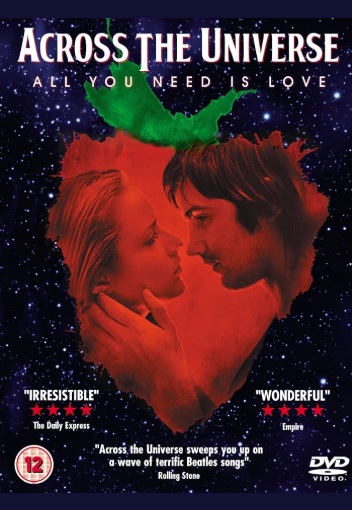
Across the Universe – a Beatles Musical


All you need is love.

Director: Julie Taymor
Written by: Dick Clement, Ian La Frenais, Julie Taymor
Cast: Evan Rachel Wood, Jim Sturgess, Joe Anderson

Year / Country: 2007, United Kingdom, United States
Running Time: 133 mins.
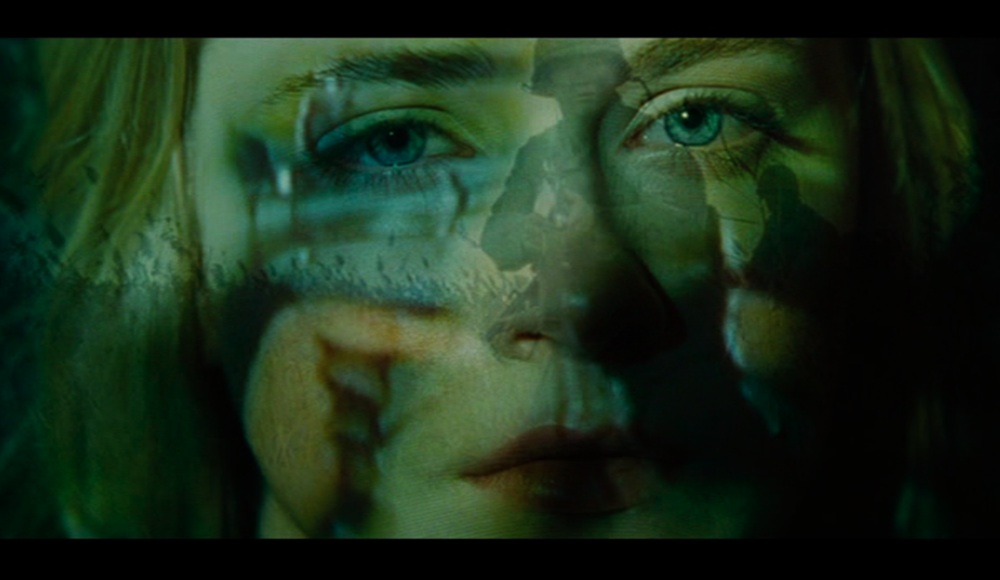
Across the Universe is a jukebox musical in which the songs are provided by the greatest band of all time: the Beatles.

It opens with the main character Jude (Jim Sturgess) singing ‘Girl’ – a John Lennon classic – on a beach, immediately immersing the audience in the emotions and energy of the 1960s. The film continues with ‘Helter Skelter’ and ‘Hold Me Tight’, offering a glimpse of Liverpool’s vibrant nightlife.

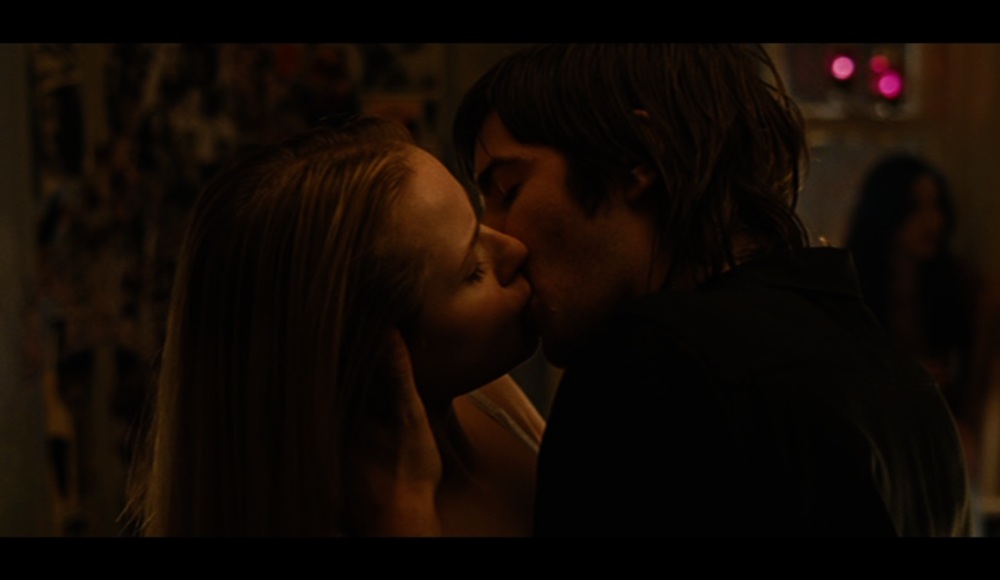
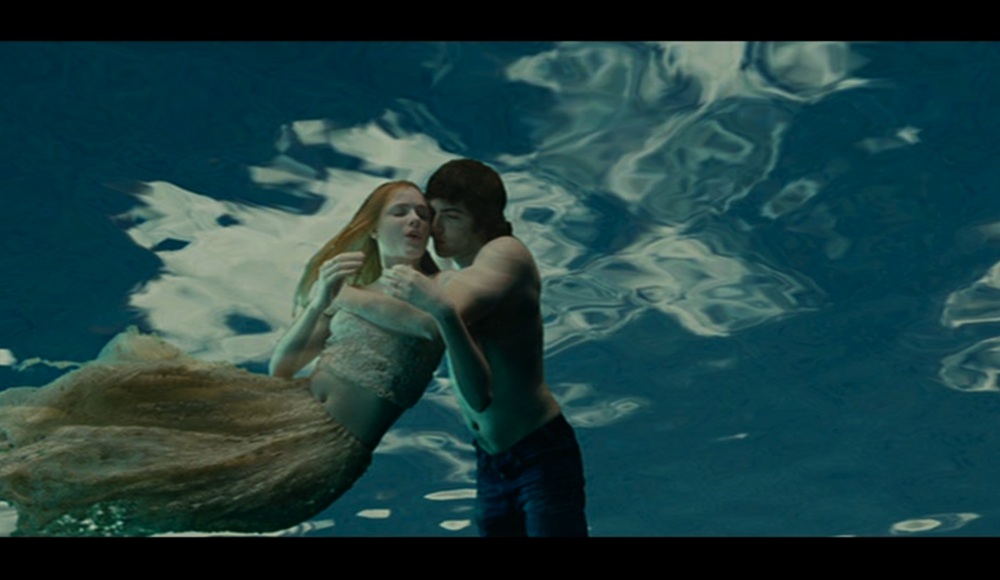
Like so many of the Beatles’ songs, love is the film’s central theme, and Evan Rachel Wood and Jim Sturgess bring undeniable chemistry to their roles. Jude, a shipyard worker, travels to the US to find his G.I. father, whom he’s never met. After locating him – a janitor at Princeton – he meets student Max, who takes him home to meet his sister Lucy. Their connection sparks a romantic love story, but Across the Universe is also deeply rooted in the era’s revolutionary spirit.

Max and Jude move to New York, but their lives are disrupted when Max is drafted for Vietnam. They rent a room from Sadie, a talented singer, and her guitarist Jo Jo, both on the brink of stardom. Lucy joins them in New York, and their relationship blossoms amid the growing anti-war movement, which becomes increasingly radical as the conflict worsens.

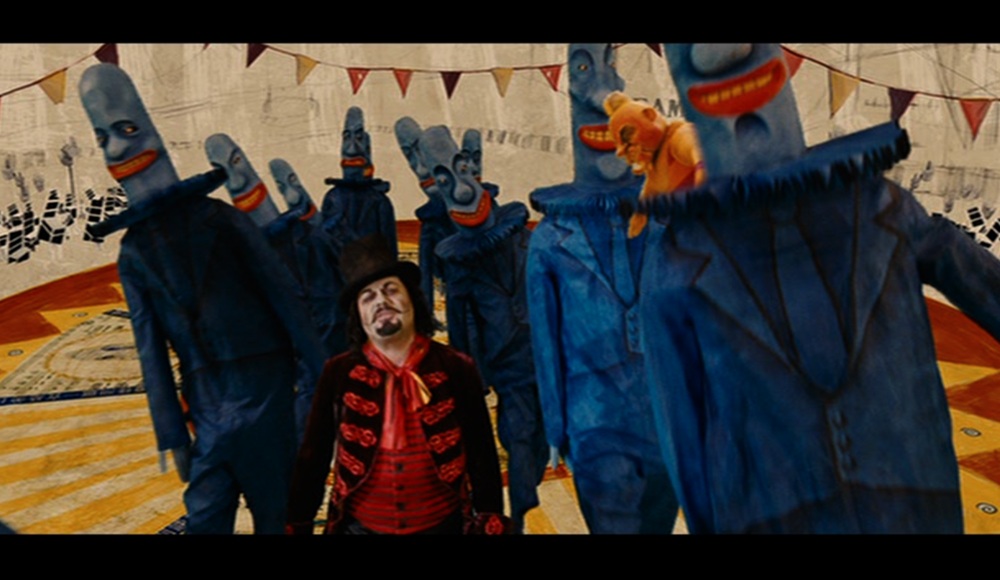
The movie features 34 Beatles compositions, many performed memorably by the cast. Standout musical numbers include ‘I Want You’ in a US Army Recruitment Centre, a surreal circus performance of ‘Being For the Benefit of Mr. Kite’ (complete with blue meanies), and a soulful ‘Let It Be’ by a black church choir.

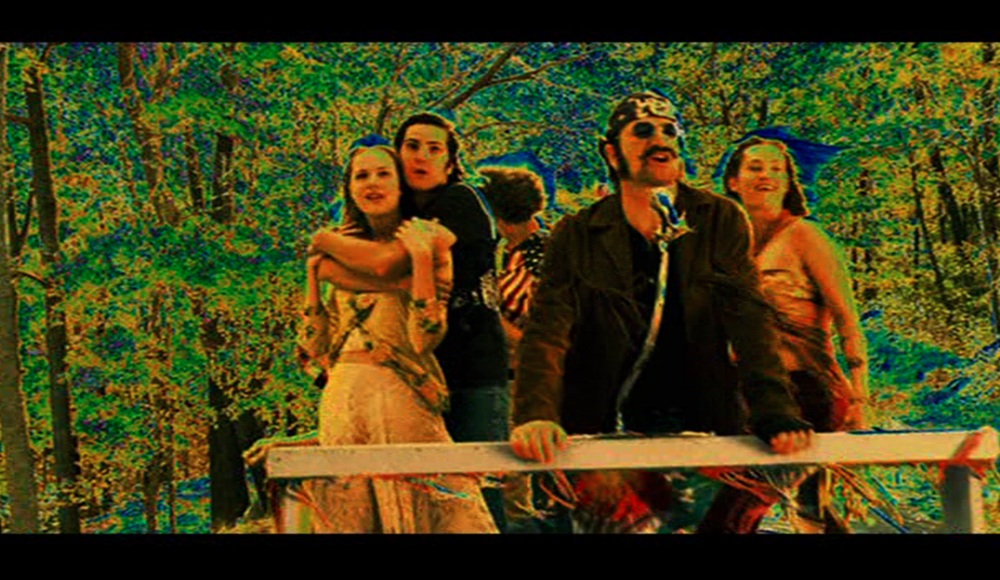
The film is packed with visual and lyrical nods to the Beatles, from character names to cranberry sauce, the number 9, and psychedelic imagery that mirrors the band’s evolution – from Liverpool’s working-class roots to the revolutionary fervor of 1960s America, and in between a psychedelic magical mystery tour in the countryside.

The film unfortunately was a box office flop, but the two surviving Beatles praised the film after seeing it, and when the director asked Paul McCartney what could have been done better, he replied: “What’s not to like?” And who am I to disagree with Paul?

Rating:

Biography: Julie Taymor (1952, in Newton, Massachusetts) is an acclaimed American director, playwright, and costume designer, renowned for her groundbreaking work in theater, opera, and film. She is best known for her inventive use of masks, puppets, and visual spectacle, blending Eastern and Western artistic traditions. Her most iconic achievement is directing Disney’s The Lion King (1997), which revolutionized Broadway with its innovative puppetry and staging. In film, Taymor directed Frida (2002), a biopic of artist Frida Kahlo starring Salma Hayek, which received six Academy Award nominations and won two. She also directed Across the Universe (2007), The Tempest (2010), and The Glorias (2020), a biopic about feminist icon Gloria Steinem. Her work often explores themes of transformation, identity, and social justice, and she is celebrated for her ability to create magical, immersive worlds on stage and screen.

Filmography: (a selection): The Tempest (1986, Video), Juan Darién: A Carnival Mass (1990, TV Movie), Fool’s Fire (1992, TV Movie), Salome (1995, TV Movie), Titus (1999), Frida (2002), Across the Universe (2007), The Tempest (2010), A Midsummer Night’s Dream (2014), The Glorias (2020)
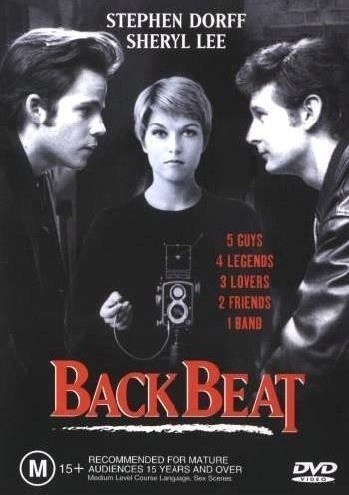
Backbeat: The Early Days of the Beatles


He had to choose between his best friend… the woman he loved… and the greatest rock ‘n’ roll band in the world.

Director: Iain Softley
Written by: Iain Softley, Michael Thomas, Stephen Ward
Cast: Sheryl Lee, Stephen Dorff, Ian Hart, Gary Bakewell

Year / Country: 1994, United Kingdom, Germany
Running Time: 100 mins.

Just let me hear some of that rock and roll music.
Any old way you choose it.
It’s got a backbeat, you can’t lose it.
Any old time you use it.
Gotta be rock and roll music.
If you want to dance with me.

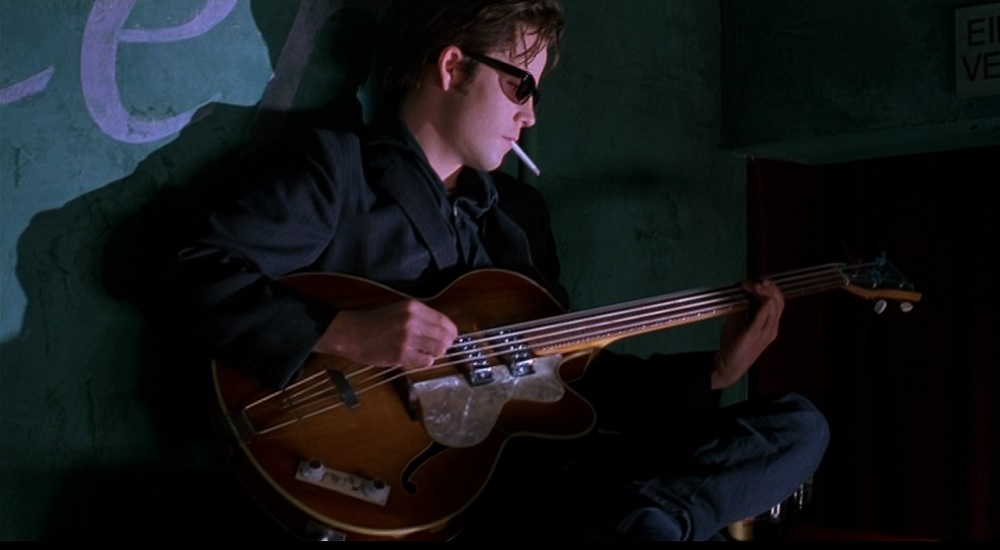
Liverpool, 1960 – home of the soon-to-be-famous Liverpudlians John Lennon (Ian Hart), Paul McCartney (Gary Bakewell), and Stuart Sutcliffe (Stephen Dorff). Stu is a talented painter who uses the money from selling his first painting to buy a bass guitar. He joins the band of his best friend John, and John convinces him to come along to Hamburg, where they’ve been asked to perform in a nightclub for an extended period.

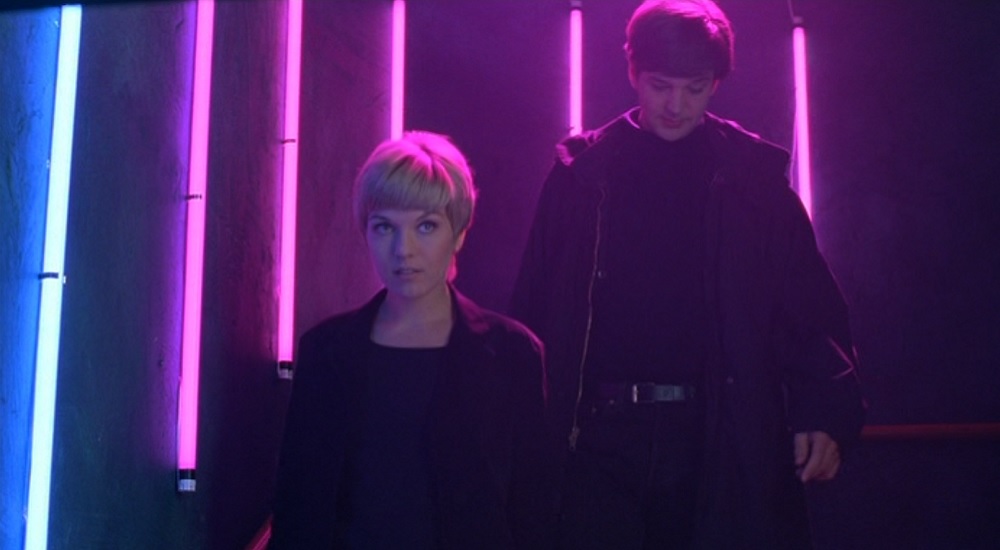
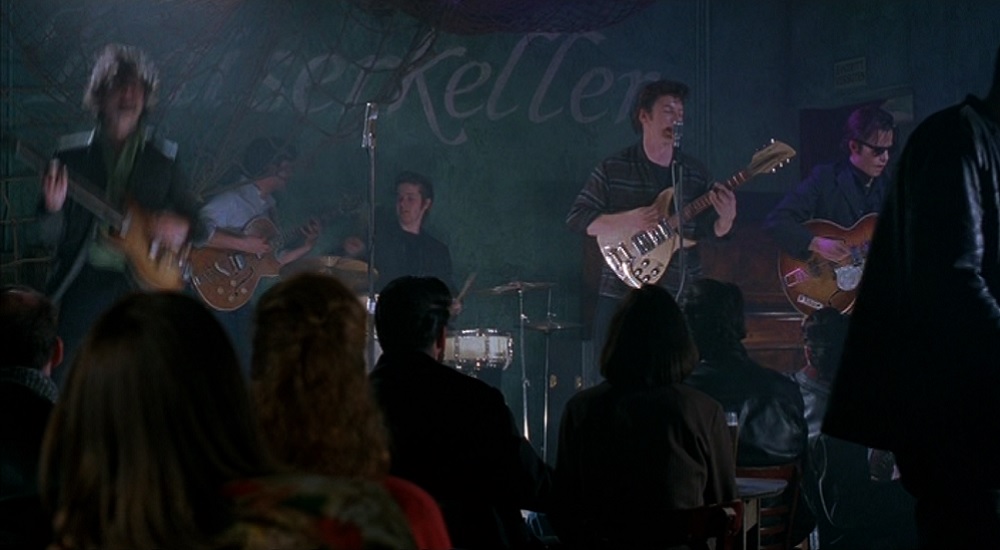
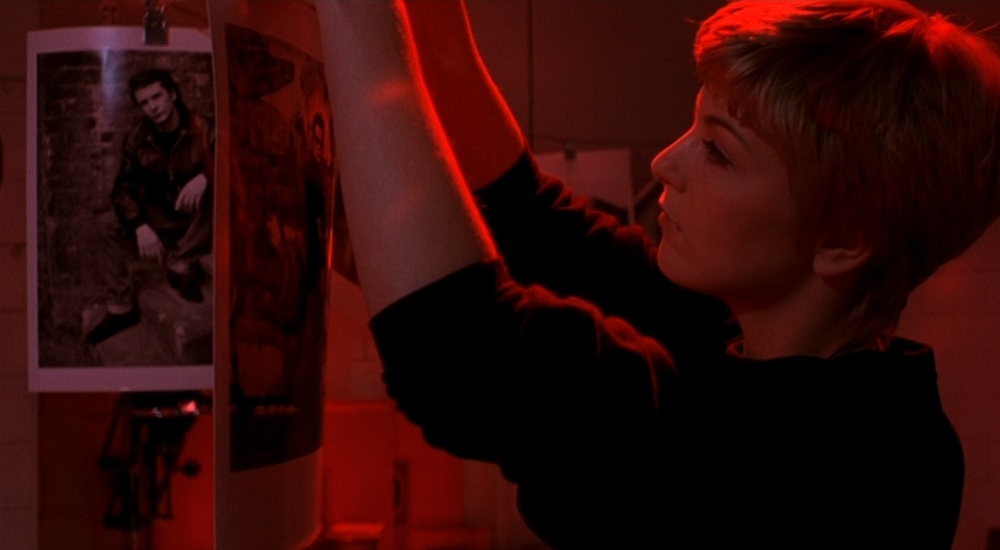
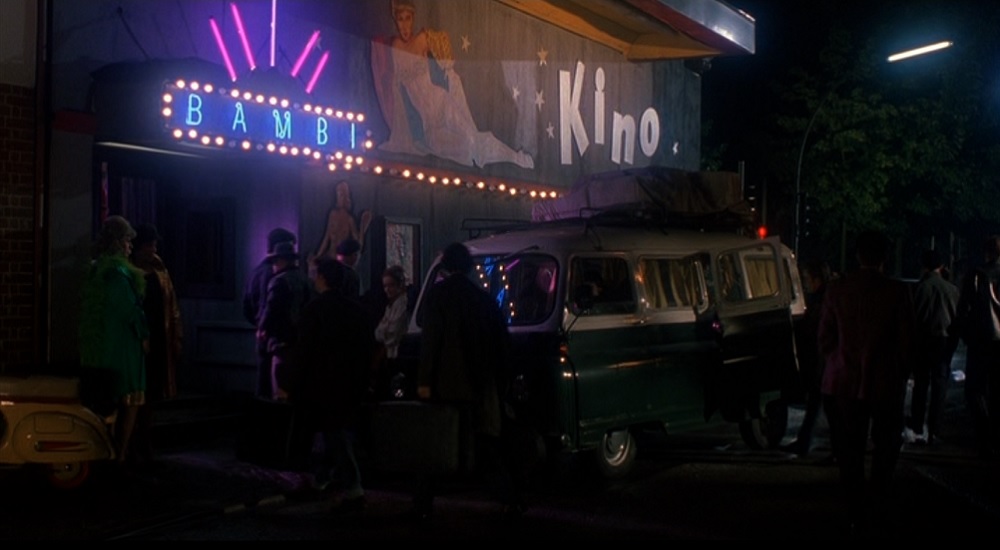
They arrive on the Reeperbahn in Hamburg and end up sleeping in a run-down porno theatre. Between strip acts in the Kaiserkeller, they play classic rock ’n’ roll songs for drunken German crowds. Their energy and raw talent spill out of every performance. But Stuart’s heart soon turns to something other than the music and the band: he falls in love with the local photographer Astrid.

Backbeat captures the true story of the Beatles before they were famous. It was in Hamburg that they learned to play together night after night (fueled by speed pills) and built up their insanely extensive repertoire. Ringo wasn’t in the band yet (Pete Best was the drummer), and the group still had five members rather than four. It is also the tragic story of John Lennon’s best friend and a beautiful love story. Stephen Dorff and Sheryl Lee are great in their lead roles.

What impresses most about the film is the music. It truly captures the spirit and passion of this incredible moment in history. I expect that Sam Mendes’ four biographical films scheduled for 2028 will draw heavily from the same sources – and from Backbeat – in capturing the beginnings of the sensational life story of the greatest band in history, and of the man who tragically never got to see what came after.

Rating:

Biography: Iain Softley (1956, London) is a British film director, screenwriter, and producer known for his visually distinctive style and interest in character-driven stories. He first gained professional recognition directing music videos and documentaries for the BBC before transitioning into feature films. Softley’s debut feature, Backbeat (1994), a drama about the early days of The Beatles in Hamburg, earned international acclaim and multiple award nominations. He followed this with the cult-favorite cyber-thriller Hackers (1995), which helped launch the careers of several actors, including Angelina Jolie. His subsequent films, including The Wings of the Dove (1997), K-PAX (2001) and The Skeleton Key (2005) showcased a wide stylistic range. Softley has also worked extensively in television and stage, including adaptations and original productions.

Filmography (a selection): Backbeat (1994), Hackers (1995), Toni Braxton: How Could an Angel Break My Heart (1997, music video), K-PAX (2001), The Skeleton Key (2005), Inkheart (2008), Playhouse Presents (2012, TV Episode), Trap for Cinderella (2013), The Outcast (2015, TV Episodes), Curve (2015), The Shepherd (2023, short)

The Beatles: ‘Get Back’ versus ‘Let It Be’

Jawel, ik ben de gelukkige bezitter van het album ‘Get Back’ van ‘The Beatles’. ‘Boeit mij dat wat?’, zul je vast denken, maar een Beatles verzamelaar zal het wel begrijpen. Ook al vond ik het album altijd onvoorstelbaar slecht (voor ‘The Beatles’ dan), het is niet meer te krijgen op Amazon, en iets bezitten dat schaars is maakt dat je er toch waarde aan toekent.

Onlangs heb ik ook ‘Let It Be’ aangeschaft en daarmee heb ik bijna alle muziek van ‘The Beatles’ compleet, wat niet zo indrukwekkend lijkt, maar je kunt je vergissen in hoeveel ze gemaakt hebben. George Harrison schreef hun productiviteit toe aan Paul McCartney in de documentaire over zijn leven ‘Living in the Material World‘. ‘Zaten we lekker in het zonnetje en ging de telefoon. We wisten dat het Paul was. Hij wilde dat we weer aan het werk gingen.’

The Beatles 2

Een klein stukje geschiedenis. ‘Let It Be’ is het laatst uitgebrachte album van de groep. Het verscheen in 1970, een maand nadat de groep definitief uit elkaar was gegaan. De opnames waren echter gemaakt voor de opnames van hun legendarische album ‘Abbey Road’ en veel fans vinden dat dat dan ook hun laatste album moet zijn. Wat in ieder geval duidelijk is, is dat ‘Abbey Road’ een onvoorstelbaar betere afsluiter zou zijn geweest dan ‘Let It Be’. Het verschil in kwaliteit is werkelijk enorm.

Op Amazon krijgt ‘Let It Be‘ veel vijf-ster kritieken en dat vind ik persoonlijk echt te veel eer voor wat zonder twijfel hun zwakste album is. Veel van de liedjes staan ook op ‘Get Back’ wat ik dus nooit wat vond. Ik weet nu waarom dat is. De titel ‘Get Back’ refereert aan het plan van de band om weer live te gaan toeren, iets dat ze op dat punt in 1969 (het jaar van de opnames) compleet verleerd waren. Het album – dat diende als soundtrack voor een film die ze toen aan het maken waren – zou vooral live opnames bevatten en geen dubbele lagen meer, zoals de briljante studioplaten die ze de jaren ervoor hadden afgeleverd.

Als groot fan van hun studioalbums, zoals ‘Rubber Soul’, ‘Revolver’ en ‘St. Peppers Lonely Hearts Club Band’ was ik verwend met de mooiste studio-opnames ooit gemaakt (nu nog steeds). Vanuit dat referentiepunt ‘Get Back’ luisteren is als slapen op een spijkermat als je gewend bent aan een hemelbed. Bij ‘Let It Be’ was mijn verwachtingspatroon compleet anders – ik verwachte het niet goed te vinden – en daardoor viel het album me erg mee.

Een meesterwerk is het niet, maar er staan wel pareltjes op. Drie om precies te zijn: ‘Two of Us’, ‘Let It Be’ en ‘The Long and Winding Road’. Bij het luisteren naar ‘Get Back’ waren deze drie toppers me ontgaan vanwege de slechte geluidskwaliteit. De andere songs lijken qua stijl vooral overblijfselen van ‘The White Album’ dat ze daarvoor opnamen. En er zitten best aardige tracks bij zoals ‘Dig a Pony’, ‘Across the Universe’ en natuurlijk ‘Get Back’.

Met een nieuwe blik, of liever een nieuw gehoor, ben ik vervolgens opnieuw naar het ‘Get Back’ album gaan luisteren en die ervaring is verbeterd. De gebrekkige geluidskwaliteit maakt het nog steeds lastig optimaal te genieten van de plaat, maar het is nu wel ‘iets’ terwijl het eerst niets was.

Wat zijn uiteindelijk de verschillende tussen ‘Get Back’ en ‘Let It Be’?
– De geluidskwaliteit van ‘Let It Be’ is een stukje beter, maar heeft nog wel dat ‘live performance’ gevoel dat ze nastreefden tijdens de ‘Get Back’ sessies. Verschillende tracks zijn ook live opnames van een concert.

– Op ‘Get Back’ (mijn bootleg versie tenminste) staan twee tracks die niet op ‘Let It Be’ staan: ‘Don’t Let Me Down’, een mooie compositie die zo van ‘Abbey Road’ afkomstig zou kunnen zijn, en ‘Teddy Boy’ dat nozem betekent in Liverpool, refererend aan ‘The Beatles’ in hun beginjaren, dat waren nozems.

– Op ‘Let It Be’ staan weer twee tracks die niet op ‘Get Back’ staan: ‘Across the Universe’ en ‘I Me Mine’ (de laatste Beatles song ooit opgenomen).

The Beatles 1

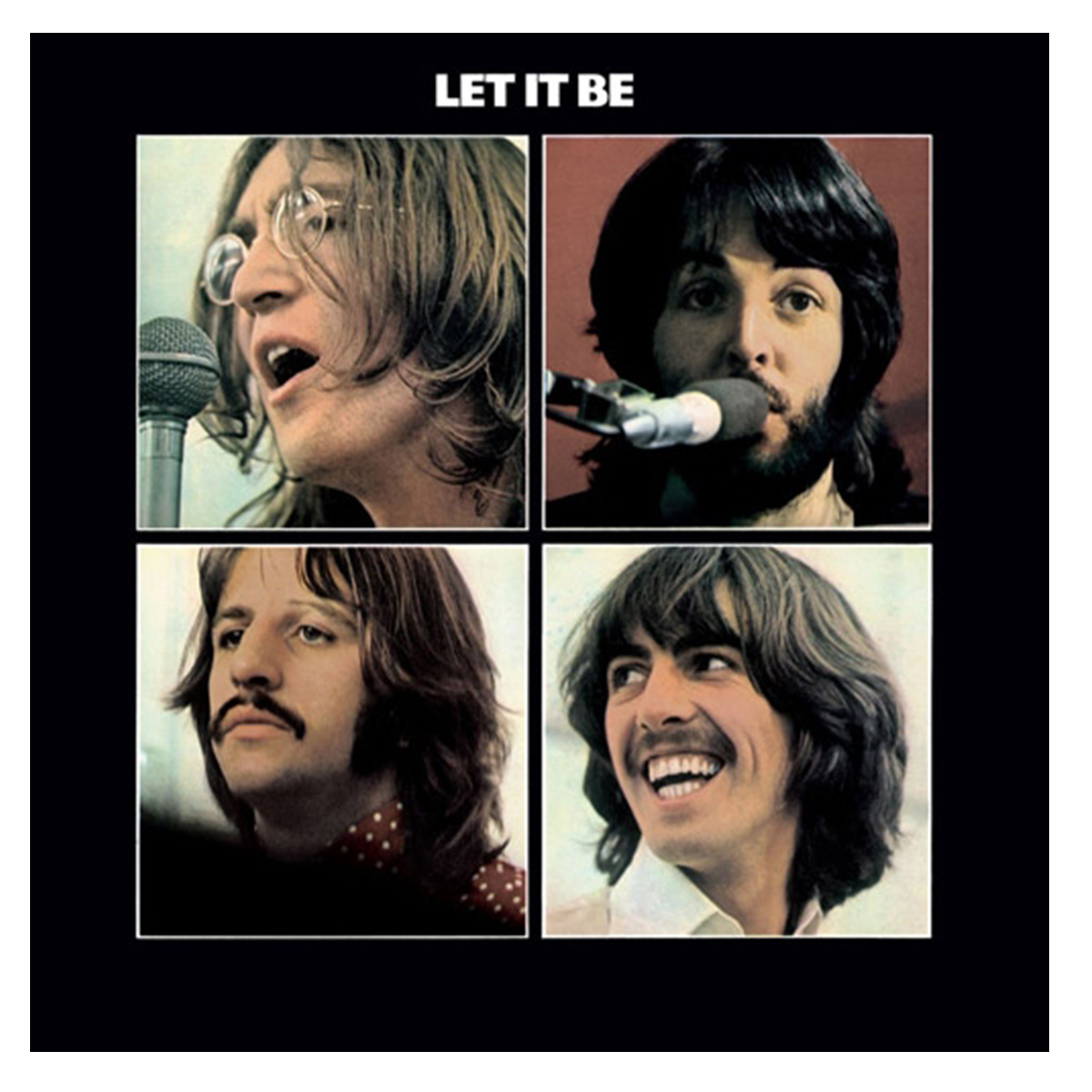
Dat is het wel. Natuurlijk zijn er ook verschillen in coverart. ‘Get Back’ is een visuele referentie aan hun eerste album ‘Please Please Me’. Op ‘Let It Be’ staan gewoon vier hoofden van de bandleden. Waarom ze daarvoor gekozen hebben weet ik niet; het is een lelijke cover. Misschien omdat de band toen al uit elkaar was en ze iets moesten doen waarvoor ze de band niet bij elkaar hoefden te brengen.

Vanwege de geluidskwaliteit zou ik toch kiezen voor ‘Let It Be’ als een keuze überhaupt nodig was. Moet je dit album hebben als Beatle Maniac? Ja, bij de drie eerder genoemde pareltjes vergeet je weer even dat de band hier op het punt stond uit elkaar te vallen, en wordt je herinnerd aan het geniale samenspel van deze vier muzikale genieën uit Liverpool.