America’s Drift Toward Autocracy Not Yet Priced Into Stock Markets

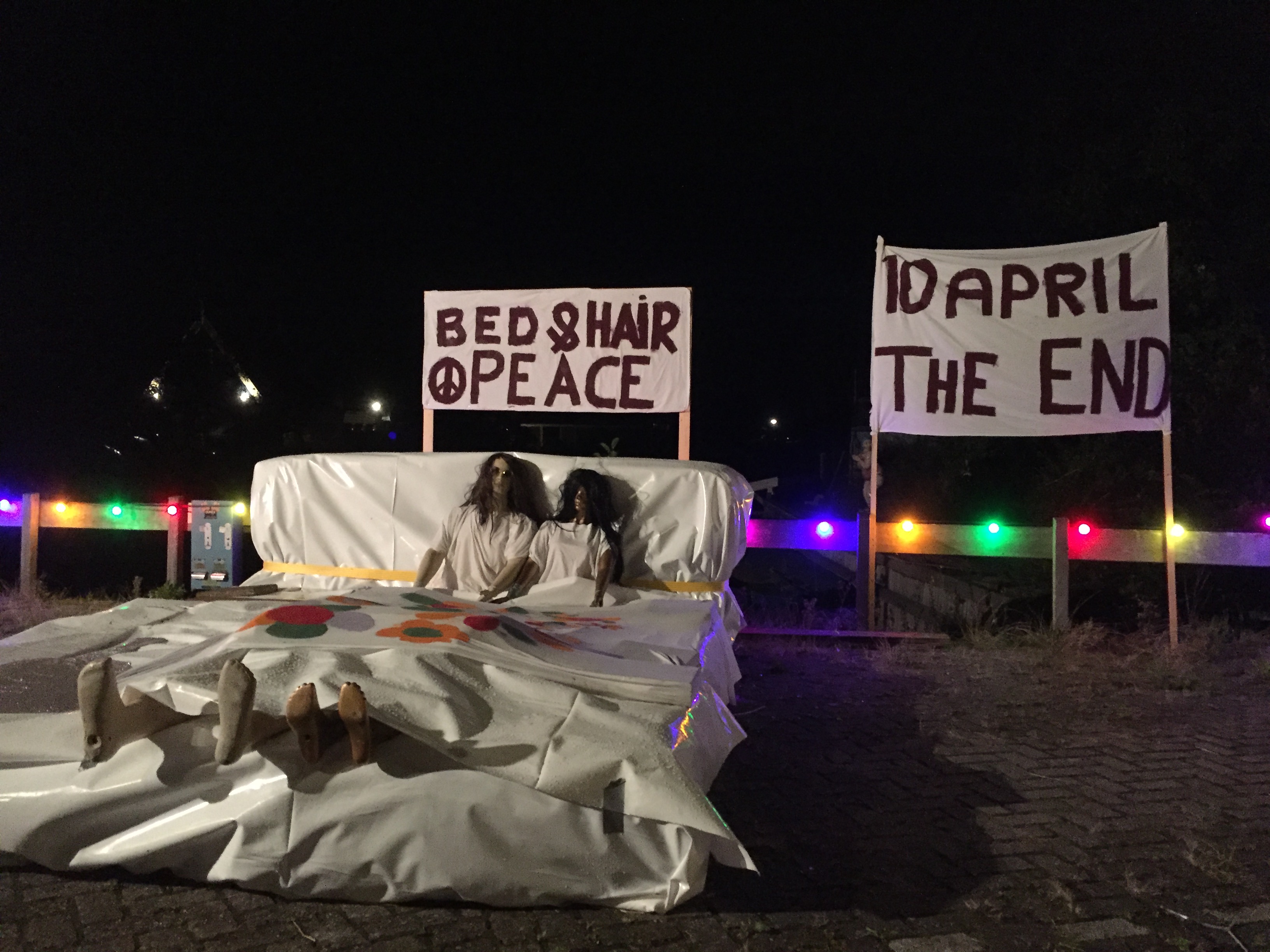
The rate at which Trump and his fascist thugs are installing an autocratic regime in the United States is breathtaking. Federal forces are deployed in cities with the instruction to use ‘maximum force’ against Americans, every institution that is not MAGA is attacked, and brown people are kidnapped off the streets by gestapo ICE agents by the hundreds. Every American who values democracy knows this is the fight of their lives.

The economic fallout of Trump’s policies is already visible. Tourism is struggling. Farmers are hurting. Ordinary people are seeing their spending power decline. Yet the stock market has held up surprisingly well since Trump took office. Certain sectors, especially tech, have enjoyed gains, even as volatility has spiked due to trade wars, tariffs, inflation risks, and global uncertainty.

Everyone understands America is facing serious long-term risks. Markets, however, are biased toward the short term: they price in near-term, quantifiable changes like tax or regulatory shifts. Longer-term and systemic risks – climate change, for example – are notoriously underpriced because they are difficult to time or quantify.

Authoritarianism, like climate change, unfolds gradually. Its costs are diffuse, slow to appear, and thus rarely priced in until too late. America’s drift toward authoritarianism under Trump is almost certainly underestimated by investors. Over time, it will be bad for U.S. companies and markets:

● Investors demand higher returns for exposure to countries where the rule of law is undermined.

● Arbitrary executive actions (e.g., against companies critical of the regime) would raise uncertainty and financing costs.

● Independent courts, regulators, and agencies provide predictability and contract enforcement. Authoritarian consolidation erodes these safeguards.

● Without reliable institutions, companies face a higher risk of politicized regulations, favoritism, or selective enforcement.

● Global capital depends on confidence in U.S. democratic stability. Authoritarian drift could lead to capital outflows, reduced foreign direct investment, and a weaker dollar as investors seek safer jurisdictions.

● Authoritarian systems often mean policy changes on a whim, benefiting allies and punishing opponents. That increases volatility, discourages long-term business planning, and incentivizes short-termism over innovation.

● U.S. authoritarianism could strain alliances (this is already happening), trigger retaliatory trade policies, and weaken American leadership in global standard-setting.

● U.S. competitiveness relies on being a magnet for global talent. An authoritarian shift could reduce immigration, drive skilled workers abroad (this is already happening), and create a climate of fear and censorship that stifles innovation and entrepreneurship.

● Institutional investors and consumers worldwide are increasingly guided by environmental, social, and governance (ESG) criteria. A U.S. move toward authoritarianism would damage its ESG profile, pushing pension funds and global asset managers to divest.

Historical Comparisons
Other countries that consolidated authoritarian rule show a clear pattern: markets initially underprice the risk, only to suffer later when the costs become undeniable.

Russia (Putin):
In the early 2000s, Russia was attractive to foreign investors. But once Putin consolidated power, arbitrary interventions like the Yukos oil seizure scared off capital. Valuations remained permanently discounted due to ‘Kremlin risk’. By 2022, geopolitical aggression fueled by authoritarian control triggered massive capital flight, sanctions, and an investment collapse.

Turkey (Erdogan):
Turkey was once an emerging-market success story. As Erdogan weakened central bank independence and concentrated power, the lira collapsed, inflation soared (up to 84%), and foreign direct investment dried up. Unpredictable regulations, cronyism, and politicized courts continue to suppress growth.

Hungary (Orban):
Orban’s erosion of rule of law and press freedom led investors to see Hungary as politically risky compared to peers like Poland or the Czech Republic. Reliance on EU subsidies deepened as private capital inflows shrank.

Venezuela (Chávez/Maduro):
An extreme case. Venezuela was once South America’s wealthiest nation. But authoritarian populism led to expropriations, collapse of the private sector, and irreversible capital flight. Markets underestimated the risks until it was too late.

Will Trump’s attempt succeed?
The jury’s still out on this one. Crucial will be the mid-term elections from next year where democrats can win back dominance in the House of Representatives and part of congress. I am personally very pessimistic about this. Trump will not allow the democrats to win and rig the election any way he can. I have a hard time seeing any other scenario than violent revolution to turn this nightmare around and undo the untold damage Trump is causing.

Andor Season 2: The Most Political Star Wars Show Arrives at Exactly the Right Moment

Andor (2022–2025 – 24 episodes)
Creator: Tony Gilroy
Starring: Diego Luna, Denise Gough, Stellan Skarsgård, Adria Arjona & Kyle Soller

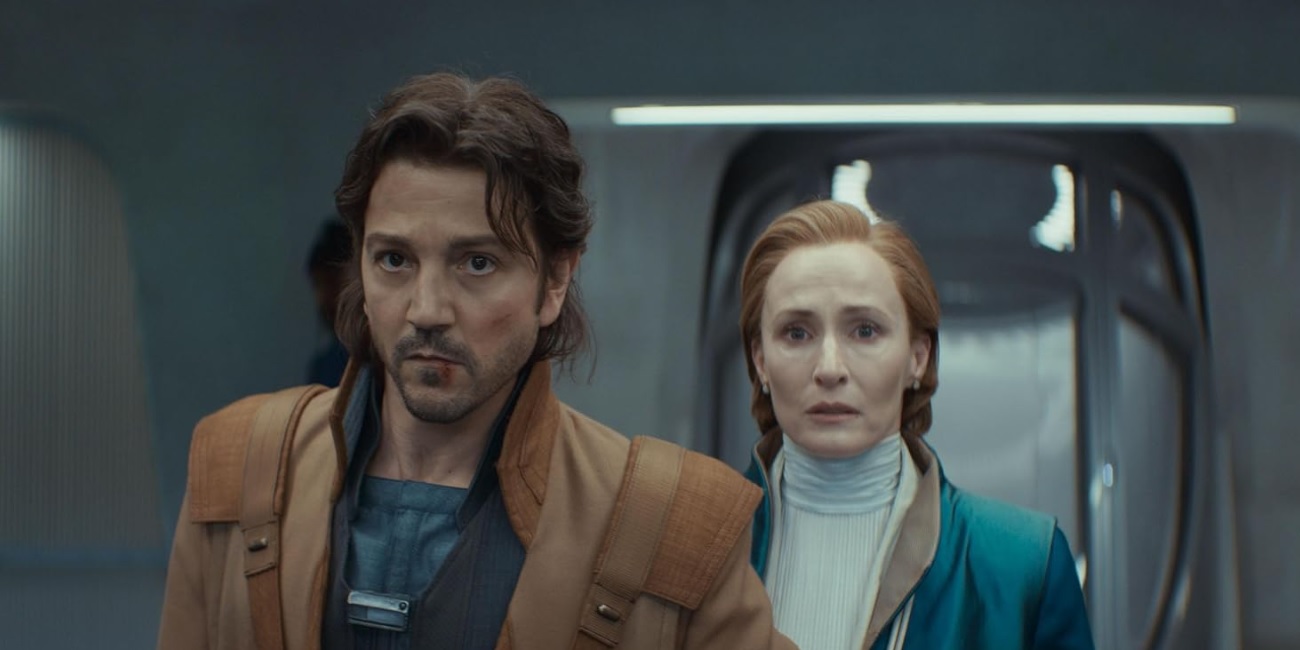
The second season of Andor leads directly into the events of Rogue One, which itself sets the stage for A New Hope. It’s a story of rebellion, defiance, and resistance – values the world desperately needs right now but seems to be running short on. The timing of Andor is striking, coinciding with an authoritarian shift currently underway in the United States.

The series opens with a thrilling scene in which the main hero, Cassian Andor, steals a TIE fighter. He struggles to fly it, leading to a daring and spectacular escape. Before taking off, he tells a resistance ally: “The Empire cannot win. You will never be right unless you’re doing what you can to stop them.” It’s a line that feels less like fiction and more like prophecy.

In the original Star Wars films, the Empire was portrayed as an all-powerful, faceless regime with little internal resistance. Andor pulls back the curtain, revealing the machinery of authoritarianism – and the cracks within it. We see how such regimes function, and we meet those who make them work. These Imperial functionaries are a million times more competent than the members of Trump’s regime, but they still run into their share of challenges.

Among these enablers of evil, Dedra and Syril – introduced in Season 1 – are the most fascinating. Now involved in a love affair, their current mission is to work on an energy programme on the planet Ghorman. The Empire wishes to extract a valuable mineral called Kalkite. Sound familiar? Dedra gets the top job, and Denise Gough shines in the role – utterly convincing as a sycophantic bureaucrat championing a fascist program to “Make the Empire Great Again.”

Andor is a refreshingly original take on the Star Wars universe, offering a chilling portrayal of life under autocracy. Ironically, it’s produced by Disney which like so many other free institutions is currently under attack by the Trump government for its commitment to diversity and inclusion. But Andor responds in kind: with fierce resistance. Its rebels – Cassian, his partner Bix, Luthen, and Mon Mothma – are flawed, human, and fiercely dedicated. They’re all willing to risk everything for the cause.

The story unfolds slowly but deliberately, structured into four arcs of three episodes each, moving steadily toward the Battle of Yavin and the destruction of the Death Star. We follow Cassian as he escapes with resistance fighters in the stolen TIE fighter; Mon Mothma as she balances a strategic marriage for her daughter with her political double life; and Bix, suffering from PTSD, hiding during an immigrant crackdown on a farming planet; a clear parallel to current global events.

Meanwhile, Dedra and Syril navigate their lives on Coruscant. Dedra handles her overbearing mother-in-law while being invited to join a secret imperial operation on Ghorman.

The pacing can be slow at times, but the show remains compelling throughout. In episode 8, the tone turns especially grim when a massacre takes place on Ghorman – evoking contemporary parallels to the genocide in Gaza. The killer droids deployed during the assault give us a harrowing preview of what future wars might look like. The rebels – and the audience – finally discover that Orson Krennic (a scene stealing Ben Mendelsohn) has spent ten years developing the Death Star. The Ghorman minerals were essential to his work, regardless of the cost to the planet.

From that point on, the narrative builds steadily toward the beginning of Rogue One. With its second and final season, Andor now stands as the best Star Wars series Disney has produced. The visuals are stunning – hard to imagine 20 years ago that a series could look like this in 2025 – and the story offers a bold, original angle within the Star Wars mythology. The cast is uniformly excellent. While many deserve praise, Diego Luna (whose name feels fitting for the galaxy far, far away) anchors the series with a nuanced, committed performance.

The political parallels are unmistakable. A stormtrooper arresting a senator in the Senate, Mon Mothma’s colleagues afraid to vote against Palpatine, state propaganda distorting the truth: these are no longer just fantasy. They’re reflections of what’s happening in the real world.

Andor also reminds us what revolution really is. It’s not one dramatic act, but a thousand small ones by people willing to make sacrifices. In the end, everyone is drawn in. Everyone must choose: become an enabler of tyranny or a rebel prepared to risk everything. For the characters in Andor, the choice is stark. There are no grey areas anymore.

The heart of the show – and perhaps our current moment – is best captured in Mon Mothma’s impassioned Senate speech: “When truth leaves us. When we let it slip away, when it is ripped from our hands, we become vulnerable to the appetite of whatever monster screams the loudest.”

The Beatles: Reunion Project

It was fifty years ago today…

Vandaag is het 50 jaar geleden dat Paul McCartney aankondigde uit The Beatles te stappen. Een scheiding is nooit in één moment te vatten, maar dit is wel een vrij definitief moment geweest.

Mijn adoratie voor The Beatles kan ik niet sterk genoeg uitdrukken. Ik zie hun verschijning in de geschiedenis als de levens van Plato en Aristoteles in het oude Griekenland. Zij gaven ons filosofie en wetenschap. The Beatles gaven ons via hun muziek de boodschap dat het universum uiteindelijk iets goeds is en dat liefde de drijvende kracht is.

Dat vier zulke getalenteerde muzikanten elkaar hebben gevonden en de levens van miljoenen en miljoenen mensen positief hebben beïnvloed is een wonder. Kun je nagaan in wat voor bizar universum we leven? Een universum dat heeft gezorgd voor het ongemanifesteerde potentieel voor deze band om in bestaan te komen. Hoe goed waren ze? Een groep die een nummer als Revolution als B-kant van een single heeft uitgebracht. I rest my case.

De muzikale erfenis van de groep is groot en machtig. Stuk voor stuk heb ik ze kapot gedraaid: de vijftien albums uit de kerncatalogus. Van Please Please Me tot Past Masters en alles ertussen. Ze hebben een enorme output geleverd, zeker gezien de korte tijd dat ze bij elkaar waren. Alles even briljant en de muziek gaat nooit vervelen. Dan is er nog het solo-werk van de individuele Beatles-leden om uit te putten. Maar hoe goed sommige platen ook zijn; het zijn geen Beatles-albums. Gelukkig is hiervoor een oplossing gevonden door acteur Ethan Hawke.

Compilatie van solo-werk
Beatles-fanaat Ethan Hawke stelde The Black Album samen voor de film Boyhood van Richard Linklater, een film waarin scheidingen een belangrijk thema is. Hawke schreef hier een geweldige essay over dat slechts deels in de film zit (lees het volledige essay hier).

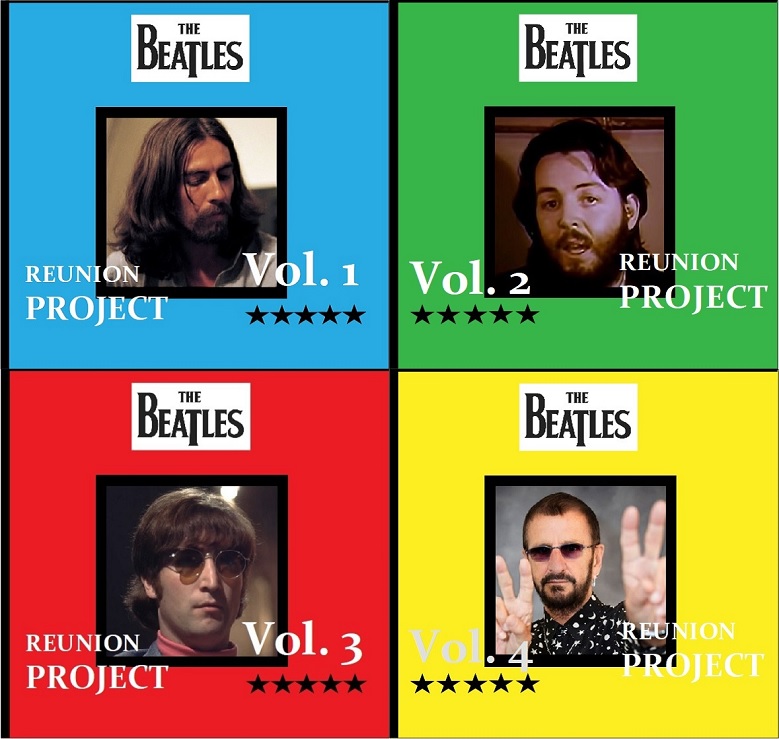
The Black Album is een krachtige mix waarin Hawke erin slaagt een balans te vinden tussen het solowerk van John, Paul, George en Ringo, zodat het inderdaad bijna lijkt alsof de band weer bij elkaar is. Echter, smaak is persoonlijk en ik zou andere keuzes maken. Vandaar dat ik – geïnspireerd door Hawke – mijn eigen compilatie heb gemaakt om The Beatles weer bij elkaar te brengen, getiteld Reunion Project. Het zijn in totaal vier albums geworden, één voor iedere Beatle. De albums zijn op Spotify te luisteren onder deze titels:
– The Beatles: Reunion Project Vol. 1
– The Beatles: Reunion Project Vol. 2
– The Beatles: Reunion Project Vol. 3
– The Beatles: Reunion Project Vol. 4


Toegegeven: het artwork kan nog wat werk gebruiken. Maar het gaat om het idee. The Black Album was een rouw-album en was dus zwart. De Reunion Project-albums hebben juist felle kleuren om te vieren dat de boys weer bij elkaar zijn.

De tracks

Volume 1
01. Let ‘Em In (Paul McCartney & Wings, Wings at the Speed of Sound, 1976)
02. Crippled Inside (John Lennon, Imagine, 1971)
03. Jenny Wren (Paul McCartney, Chaos and Creation in the Backyard, 2005)
04. Gimme Some Truth (John Lennon, Imagine, 1971)
05. What is Life (George Harrison, All Things Must Pass, 1970)
06. When the Night (Paul McCartney & Wings, Red Rose Speedway, 1973)
07. Mrs. Vandebilt (Paul McCartney & Wings, Band on the Run, 1973)
08. Mother (John Lennon, John Lennon/Plastic Ono Band, 1970)
09. Free as a Bird (The Beatles, Anthology 1, 1995)
10. Junk (Paul McCartney, McCartney, 1970)
11. Bogey Music (Paul McCartney, McCartney II, 1980)
12. You (George Harrison, Extra Texture (Read All About It), 1975)
13. One Day (At a Time) (John Lennon, Mind Games, 1973)
14. Woman (John Lennon, Double Fantasy, 1980)
15. Living in the Material World (George Harrison, Living in the Material World, 1973)
16. Photograph (Ringo Starr, Ringo, 1973)
17. Maybe I’m Amazed (Paul McCartney, McCartney, 1970)

Volume 2
01. Working Class Hero (John Lennon, John Lennon/Plastic Ono Band, 1970)
02. I Don’t Know (Paul McCartney, Egypt Station, 2018)
03. Beautiful Boy (John Lennon, Double Fantasy, 1980)
04. The Lovely Linda (Paul McCartney, McCartney, 1970)
05. Too Many People (Paul McCartney, Ram, 1971)
06. It Don’t Come Easy (Ringo Starr, non-album single, 1971)
07. Whatever Gets You Thru the Night (John Lennon, Walls and Bridges, 1974)
08. John Sinclair (John Lennon, Some Time in New York City, 1972)
09. Give Me Love (Give Me Peace On earth) (Harrison, Living in the Material World, 1973)
10. Uncle Albert/Admiral Halsey (Paul McCartney, Ram, 1971)
11. Oh My Love (John Lennon, Imagine, 1971)
12. Here Today (Paul McCartney, Tug of War, 1982)
13. I Live For You (George Harrison, All Things Must Pass, 1970)
14. Oh Yoko! (John Lennon, Imagine, 1971)
15. Fine Line (Paul McCartney, Chaos and Creation in the Backyard, 2005)
16. Getting Closer (Paul McCartney & Wings, Back to the Egg, 1979)
17. Nobody Loves You (When You’re Down and Out) (Lennon, Walls and Bridges, 1974)

Volume 3
01. (Just Like) Starting Over (John Lennon, Double Fantasy, 1980)
02. All Things Must Pass (George Harrison, All Things Must Pass, 1970)
03. Ram On (Paul McCartney, Ram, 1971)
04. Jealous Guy (John Lennon, Imagine, 1971)
05. You Gave Me the Answer (Paul McCartney & Wings, Venus and Mars, 1975)
06. Back Off Boogaloo (Ringo Starr, non-album single, 1972)
07. Love (John Lennon, John Lennon/Plastic Ono Band, 1970)
08. Who Can See It (George Harrison, Living in the Material World, 1973)
09. Bluebird (Paul McCartney & Wings, Band on the Run, 1973)
10. Every Night (Paul McCartney, McCartney, 1970)
11. Friends To Go (Paul McCartney, Chaos and Creation in the Backyard, 2005)
12. Instant Karma! (We All Shine On) (John Lennon, non-album single, 1970)
13. One More Kiss (Paul McCartney & Wings, Red Rose Speedway, 1973)
14. A Certain Softness (Paul McCartney, Chaos and Creation in the Backyard, 2005)
15. Hold On (John Lennon, John Lennon/Plastic Ono Band, 1970)
16. That Would Be Something (Paul McCartney, McCartney, 1970)
17. Cheer Down (George Harrison, non-album single, 1989)

Volume 4
01. My Sweet Lord (George Harrison, All Things Must Pass, 1970)
02. Real Love (The Beatles, Anthology 2, 1996)
03. Come On To Me (Paul McCartney, Egypt Station, 2018)
04. Oh My My (Ringo Starr, Ringo, 1973)
05. Don’t Let Me Wait Too Long (George Harrison, Living in the Material World, 1973)
06. Out the Blue (John Lennon, Mind Games, 1973)
07. Another Day (Paul McCartney, Ram, 1971)
08. Look At Me (John Lennon, John Lennon/Plastic Ono Band, 1970)
09. San Ferry Anne (Paul McCartney & Wings, Wings at the Speed of Sound, 1976)
10. Imagine (John Lennon, Imagine, 1971)
11. Band on the Run (Paul McCartney & Wings, Band on the Run, 1973)
12. Grow Old With Me (John Lennon, Milk and Honey, 1984)
13. Watching the Wheels (John Lennon, Double Fantasy, 1980)
14. English Tea (Paul McCartney, Chaos and Creation in the Backyard, 2005)
15. The Back Seat of My Car (Paul McCartney, Ram, 1971)
16. Mind Games (John Lennon, Mind Games, 1973)
17. Warm and Beautiful (Paul McCartney & Wings, Wings at the Speed of Sound, 1976)

Toelichting selectie
● Ik heb de verhouding toegepast van de laatste albums. John & Paul zijn 50/50 verantwoordelijk voor het leeuwendeel. George heeft zo’n één op zeven nummers bijgedragen en Ringo één bijdrage per album. Paul heeft iets meer songs omdat hij langer door heeft kunnen componeren dan John, maar ik ben extra kritisch op hem geweest om de verhoudingen te bewaken.
● Het nummer God, hoewel een van de betere nummers van John Lennon, heb ik niet opgenomen omdat hij zingt ‘I don’t believe in Beatles’. Dat past niet op een reünie-album.
● Het Dylanesque Working Class Hero, ook van Lennon, heb ik wel opgenomen ook al zingt hij meerdere malen ‘fuck’, iets wat op een typisch Beatles-album niet zou voorkomen. Maar ik heb het benaderd alsof de boys in 1970 niet uit elkaar zouden zijn gegaan. Dan waren ze andere dingen gaan proberen, waaronder wellicht Lennon een keer ‘fucking’ laten zingen op een album.
● Zoals op alle albums vanaf Rubber Soul zijn er geen covers opgenomen. Alle nummers zijn dus door de solo-artiesten zelf geschreven, soms wel met een medeschrijver.
● De twee tracks die Paul, George en Ringo opnamen voor Anthology in 1995, 15 jaar na de dood van John Lennon, heb ik ook opgenomen omdat het gewoon super goede tracks zijn. In de Anthology-documentaire vertellen de toen nog drie levende Beatles dat ze graag wat muziek wilde maken toen ze toch weer bij elkaar waren. Maar John was er niet om inspraak te geven en ze besloten altijd alles met zijn vieren. Toen hebben ze gezocht naar werk wat hij niet heeft kunnen afmaken en vonden ze Real Love en Free as a Bird. En zo zijn er uiteindelijk toch nog twee echte Beatles-tracks toegevoegd aan de gigantische waslijst songs die ze hebben geproduceerd.

Na 50 jaar is de pijn van de scheiding eindelijk een keer voorbij en kunnen we gewoon puur genieten van hun nalatenschap. Hoe langer iets al bestaat, hoe langer het nog zal bestaan. 50 jaar is dus niks. The Beatles zijn een blijvend geschenk van het universum.

© Jeppe Kleyngeld, april 2020

A Fistful of Dynamite

Director: Sergio Leone
Written by: Sergio Donati, Sergio Leone, Luciano Vincenzoni
Cast: Rod Steiger, James Coburn, Romolo Valli, Maria Monti

Year / Country: 1971, Italy
Running Time: 147 mins.

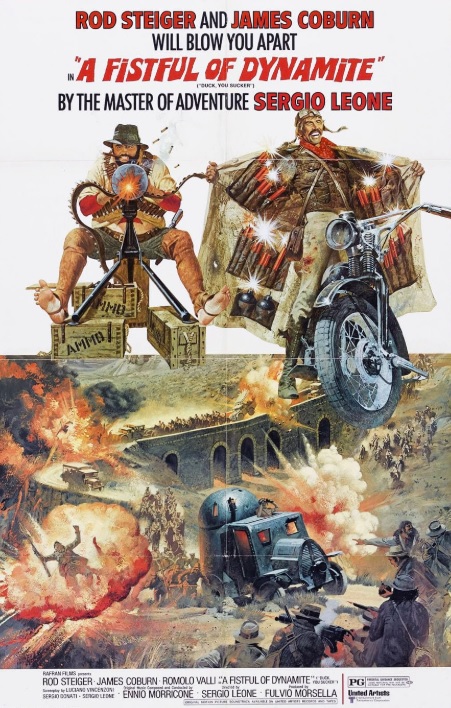
A Fistful of Dynamite (also known as Duck, You Sucker!) is the second entry in Sergio Leone’s loose trilogy of epic films, sandwiched between Once Upon a Time in the West and Once Upon a Time in America. It is Leone’s final spaghetti western and his most overlooked film. But frankly, that is because it is his weakest. That’s not to say it’s without merit, but it lacks the tight storytelling and grandeur of his greatest works.

Set against the backdrop of the Mexican Revolution in 1913, the film follows an unlikely duo: the cigar chewing hick Juan Miranda and the dynamite juggling Irishman John Mallory. Their partnership begins with a planned bank robbery, only for them to discover that the bank is actually a political prison. Juan is unexpectedly thrust into the role of a revolutionary hero, and together, he and John take on the formidable Mexican army, led by a sadistic officer.

The film’s opening is striking. Juan shares a stagecoach ride with a group of wealthy elites who openly insult him and his people, branding them as animals while indulging in gluttonous excess. This immediately earns Juan some sympathy – until his six sons arrive to rob and humiliate the passengers, with Juan even committing an off-screen rape. Leone challenges the audience’s perceptions, presenting prejudice and social injustice while also revealing Juan’s own flaws. Enter John Mallory, an Irish dynamite expert who quite literally blasts onto the scene in a moment of cultural stereotyping played for dark humor.

Rod Steiger’s performance as Juan is divisive. While the character is intentionally unsympathetic, Steiger’s over-the-top acting makes him difficult to watch. Originally, Leone wanted Eli Wallach for the role, but the studio refused. While Wallach’s casting might have risked echoing his Tuco character from The Good, the Bad and the Ugly, it’s hard not to wonder if he would have been a better fit.

Leone claimed the film is ultimately about friendship rather than revolution. This isn’t immediately convincing, given Juan and John’s rocky introduction, but by the end, their relationship develops into something genuine and poignant. John’s journey, revealed through flashbacks, makes the bond between them all the more meaningful.

Despite its flaws – an overlong runtime, a less sweeping feel than Leone’s other Once Upon a Time films, and an Ennio Morricone score that, while good, doesn’t reach the heights of their other collaborations – the film still has standout moments. The ambush at the bridge is classic cinema, boasting one of the greatest explosions ever filmed. The panning shot along the execution ditches is haunting, and the climactic train collision is truly spectacular. Overall, the film is just not the revolution Leone’s earlier westerns were.

Rating:

Biography: Sergio Leone (1929, Rome – 1989, Rome) made his debut in the cinema working as a voluntary assistant and extra, among other things, in The Bicycle Thieves by Vittorio de Sica. Later, he became assistant director to Mario Bonnard. In 1959, when Bonnard was ill, he took over from him on the set of The Last Days of Pompeii. In 1961 he directed his first full-length film: The Colossus of Rhodes. But the film that was to bring him to the general attention came out in 1964: A Fistful of Dollars. His next films, For a Few Dollars More and The Good, The Bad and the Ugly complete what came to be known as the Dollars Trilogy and were a great box-office success. He would only make three more films before tragically passing away in 1989. He was taken from us by a heart attack in his house in Rome, while working on an ambitious project for a film on the Siege of Leningrad.

Filmography: The Colossus of Rhodes (1961), A Fistful of Dollars (1964), For a Few Dollars More (1965), The Good, The Bad and the Ugly (1966), Once Upon a Time in the West (1968), A Fistful of Dynamite (1971), Once Upon a Time in America (1984)