
FilmDungeon.com is glad to explore the video trenches to find that oddball treasure between the piles of crap out there. Of course, a treasure in this context can also be a film that’s so shockingly bad it’s worth a look, or something so bizarre that cult fans just have to see it. Join us on our quest and learn what we learn. Hopefully we’ll uncover some well-hidden cult gems.
Researched by: Jeppe Kleijngeld
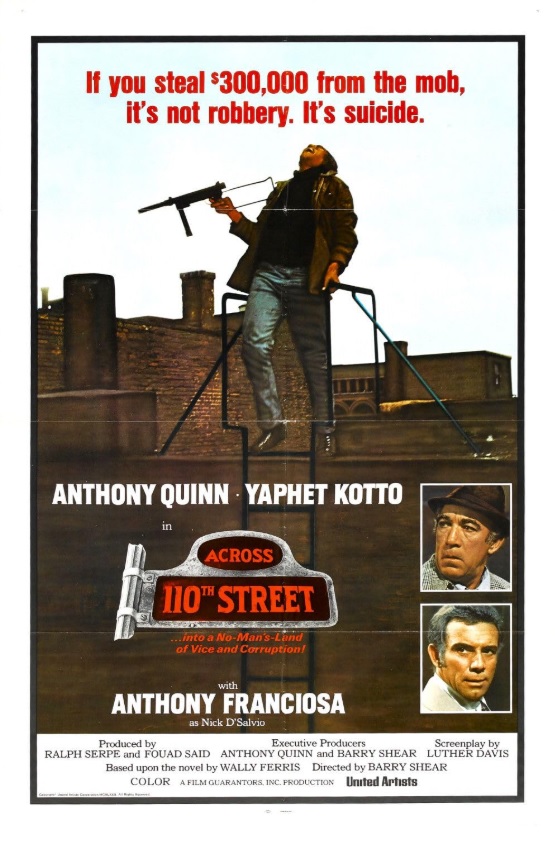 Across 110th Street (USA, 1972)
Directed by: Barry Shear
Written by: Luther Davis, Wally Ferris
Cast: Anthony Quinn, Yaphet Kotto, Anthony Franciosa
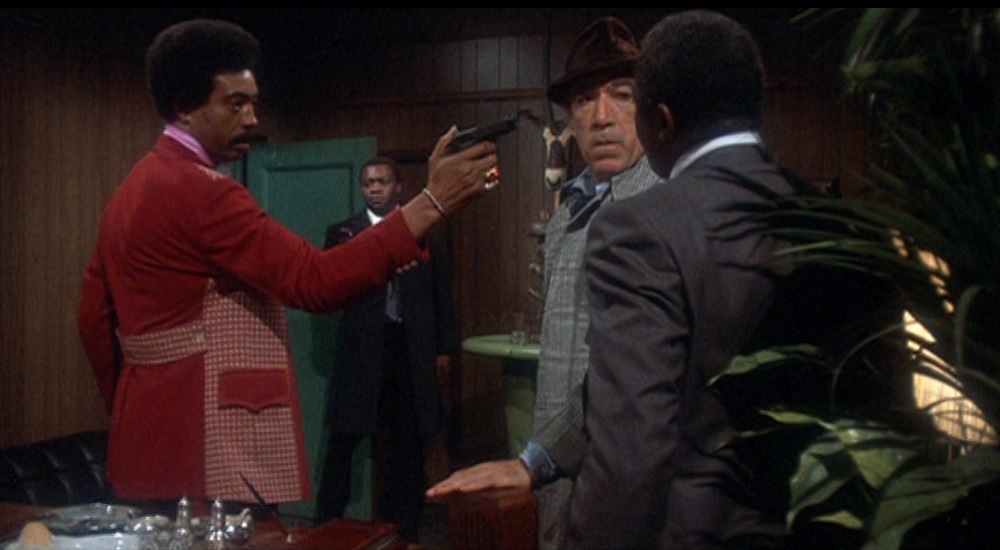
Tarantino’s Jackie Brown opens to the same rip-roaring title song as this movie: ‘Across 110th Street’ by Bobby Womack. It’s a homage to an exploitation classic, a New York set crime thriller about a gang of black criminals who rob the mob, sparking a brutal chase involving both the Mafia and the police. The police duo in charge consists of the corrupt captain Frank Matteli (Anthony Quinn) and Lieutenant William Aylesworth Pope (Yaphet Kotto); a street guy versus a guy who wants to do it by the book. Their chemistry is electric, giving the movie an emotional and moral backbone amid the chaos. The film was slammed at the time for the extreme violence, and while the film is indeed gritty, it is generally well acted and executed. Beneath the grit lies a sharp commentary on race, corruption, and urban decay in 1970s America. Watching it now, it’s easy to see why Tarantino holds it in such high regard.

 The Curse of Frankenstein (UK, 1957)
Directed by: Terence Fisher
Written by: Jimmy Sangster (screenplay), Mary Shelley (novel)
Cast: Peter Cushing, Hazel Court, Robert Urquhart, Christopher Lee
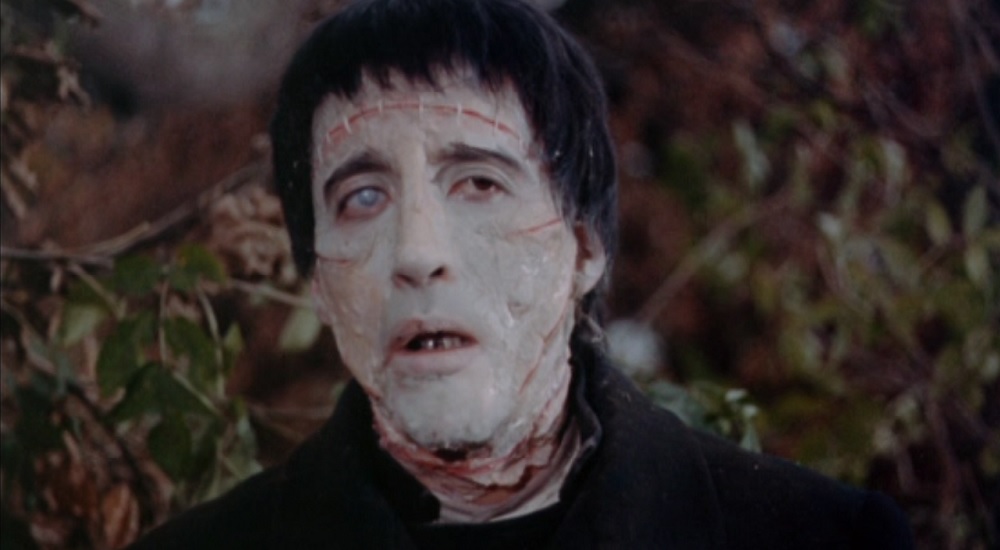
Peter Cushing stars as Dr. Frankenstein and Christopher Lee as the creature in Hammer Studios’ retelling of the Frankenstein legend. Directed by Terence Fisher, who would go on to make Horror of Dracula a year later, this film is often regarded as one of the finest adaptations of Mary Shelley’s novel, even rivaling the classic Universal versions. Told in flashback from a prison cell, Victor Frankenstein recounts the story of how his obsession with discovering the secret of life led him to commit unspeakable crimes. For a film made in 1957, the horror remains remarkably effective, due in large part to Lee’s chilling performance. As Hammer’s first color horror film, The Curse of Frankenstein was notable for its bold use of gore in color and its vivid gothic style. It marked the beginning of the studio’s signature brand of horror and launched a successful series of sequels, with Fisher directing several of them.

 Dark Star (USA, 1974)
Directed by: John Carpenter
Written by: John Carpenter, Dan O’Bannon
Cast: Dan O’Bannon, Dre Pahich, Brian Narelle
John Carpenter’s debut film gives us a cynical look at outer space travel. Not the majestic kind Kubrick showed us in 2001: A Space Odyssey, but more like space travel as a monotonous, blue-collar grind. Dark Star is the name of the ship that looks like a surf board. The job of its crew is to destroy unstable planets. And while this may sound exciting, the five crew members – who have been on board Dark Star for twenty years – are mostly bored out of their minds and increasingly detached from reality. Co-writer and actor Dan O’Bannon originally conceived the idea of an alien aboard the ship, but budget limitations forced him to turn that concept into the film’s now-infamous beach-ball creature. His alien idea would later become Ridley Scott’s Alien (1979). Tarantino once called this movie a masterpiece. I don’t see it that way, but I like the 2001 parody concept and the execution, including the inventive special effects, is certainly well done.

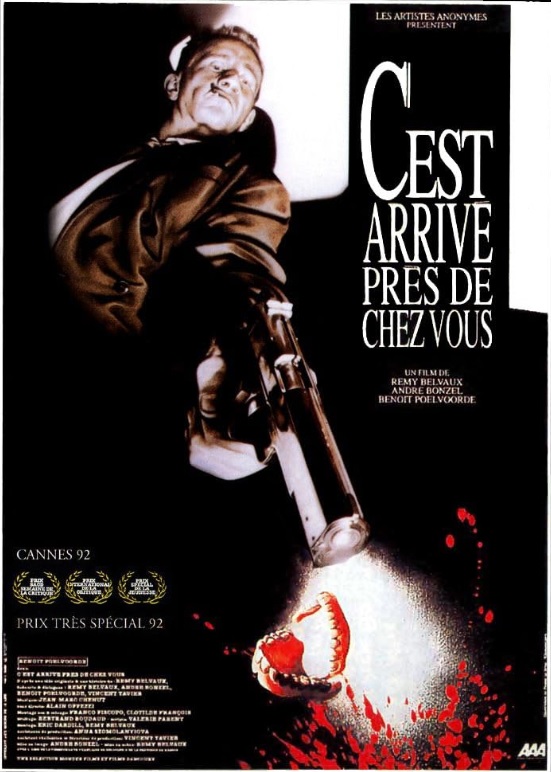 Man Bites Dog | C’est arrivé près de chez vous (Belgium, 1992)
Directed by: Rémy Belvaux, André Bonzel, Benoît Poelvoorde
Written by: Rémy Belvaux, André Bonzel, Benoît Poelvoorde
Cast: Benoît Poelvoorde, Jacqueline Poelvoorde-Pappaert, Nelly Pappaert
In this notorious cult classic from the French part of Belgium, a three-headed camera crew follows the gleefully depraved serial killer Ben, as he spends his days gruesomely murdering people for sport and profit. During the shoot, the crew becomes more and more complicit in Ben’s crimes. The sheer amount of killings is not very realistic, but the profiling of the killer, chillingly portrayed by Benoît Poelvoorde, convinces in all its sickness. The mockumentary concept was pretty new at the time, and the approach – taking the viewer inside the mind of a horrible human being, who – when he’s not busy killing people against depressing urban backdrops – is offering his warped and racist views in interviews – makes for disturbing cinema. The filmmakers, who worked on a shoestring budget, wanted to make something different, and they have succeeded in this task. C’est arrivé près de chez vous (‘It Happened Near You’) became a unique, deeply unsettling, and darkly comic milestone of cult cinema.
 The Lady in Red (USA, 1979)
Directed by: Lewis Teague
Written by: John Sayles
Cast: Pamela Sue Martin, Robert Conrad, Louise Fletcher
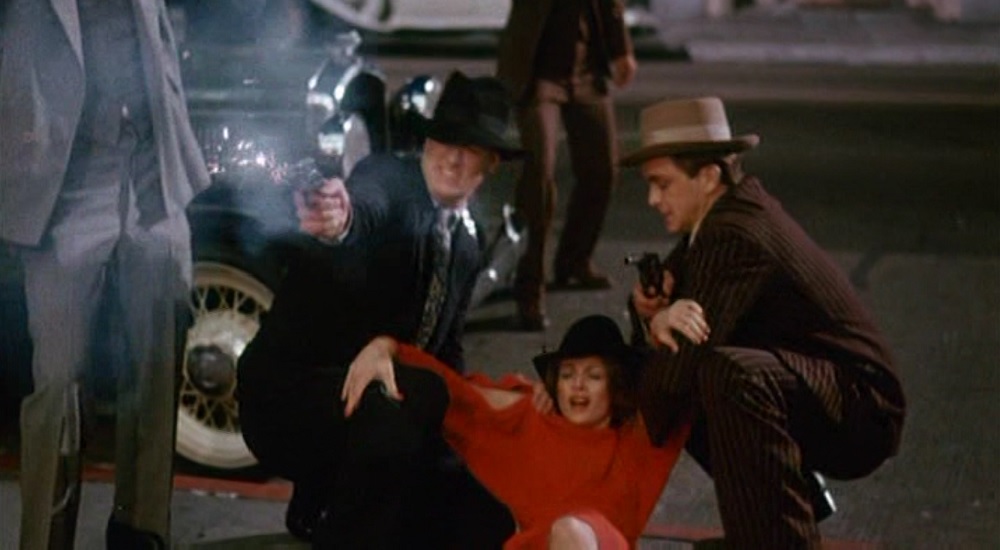
Farm girl Polly moves to Chicago, where she becomes romantically involved with gangster John Dillinger. The film is curious in that it’s not really about Dillinger, but about his girlfriend and the unwitting role she played in the gangster’s famous demise at a movie theater. It traces Polly’s own descent into crime: she starts out as a seamstress, tries her hand at prostitution, and eventually ends up in jail. After Dillinger’s death, she organizes a dangerous but lucrative armed robbery on her own. Written by John Sayles, directed by Lewis Teague, and produced by Julie Corman – indeed, Roger Corman’s wife – the film unmistakably feels like a Corman-style exploitation picture, complete with plenty of bloody, machine-gun action. In his 2021 book ‘Once Upon a Time in Hollywood‘, Quentin Tarantino mentioned that in an alternate Hollywood universe, he directed a remake of this film. It certainly sounds like something he’d do well. Who knows – maybe an idea for his tenth and final movie?









 FRAGMENTEN UIT HET SCHEMERLAND