The Roaring Twenties (1939)


‘America’s Most Colorful Era!’

Directed by:
Raoul Walsh

Written by:
Jerry Wald (screenplay)
Richard Macaulay (screenplay)
Robert Rossen (screenplay)
Mark Hellinger (story)

Cast:
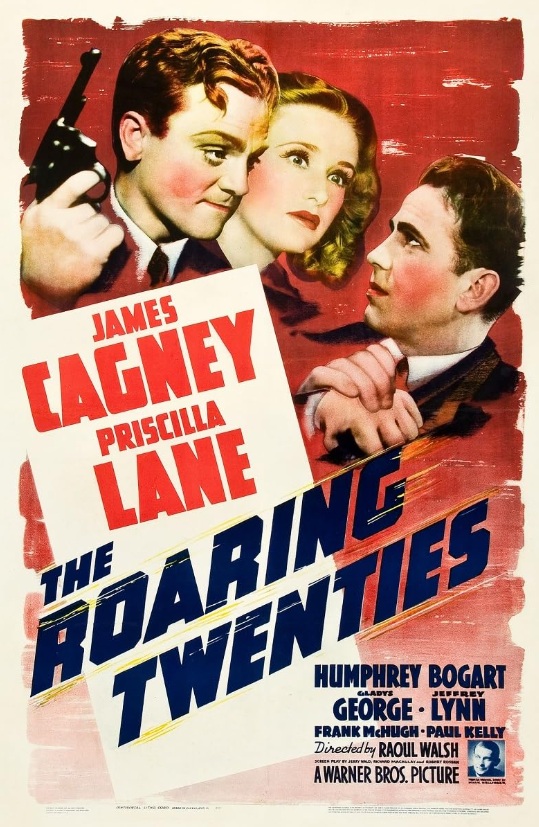
James Cagney (Eddie Bartlett), Priscilla Lane (Jean Sherman), Humphrey Bogart (George Hally), Gladys George (Panama Smith), Jeffrey Lynn (Lloyd Hart), Frank McHugh (Danny Green), Paul Kelly (Nick Brown), Elizabeth Risdon (Mrs. Sherman), Ed Keane (Henderson), Joe Sawyer (The Sergeant)
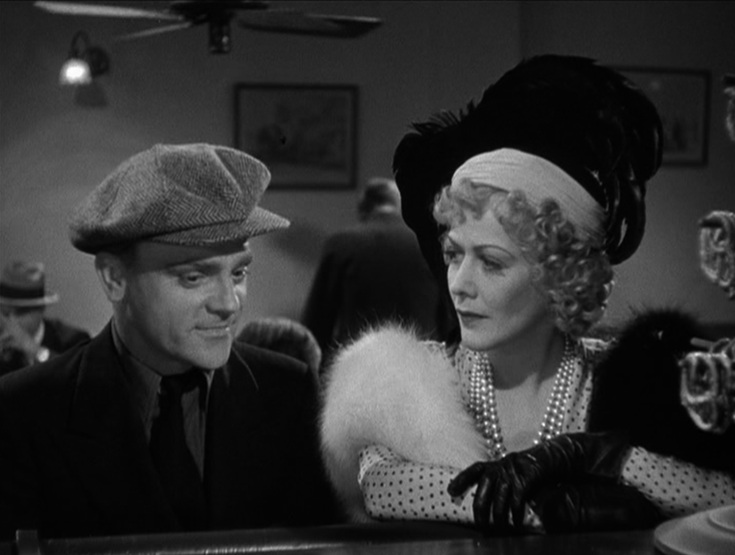
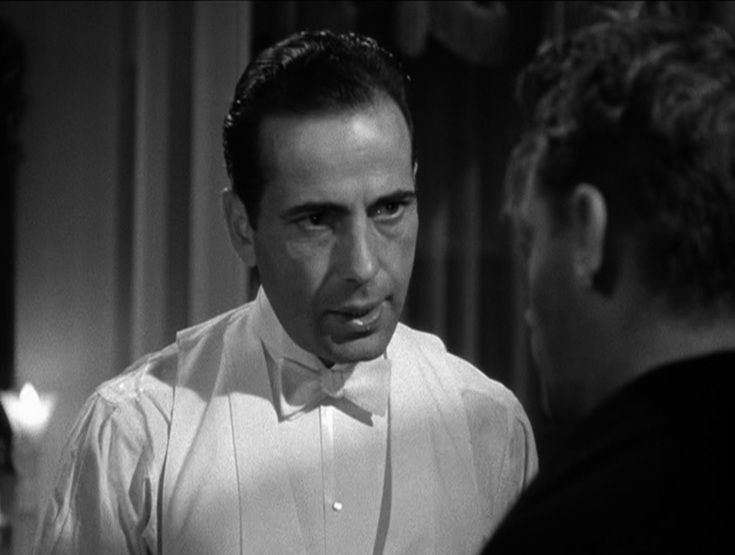
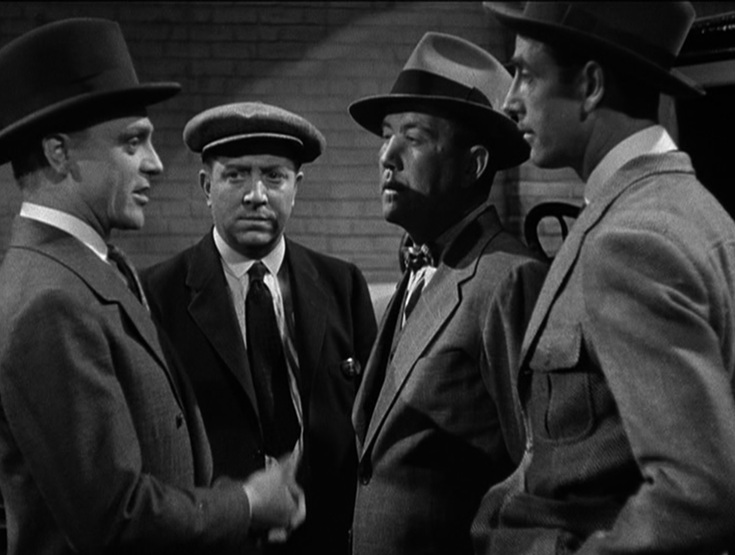
The Roaring Twenties opens in the immediate aftermath of World War I, as soldiers James Cagney and Humphrey Bogart return home in 1919. They find a nation grappling with economic hardship and rising living costs just as Prohibition is ratified, turning alcohol into both a forbidden fruit and a lucrative business opportunity.

The film follows Eddie Bartlett (Cagney), a former doughboy who seizes the moment and rises to power in the bootlegging underworld. Along the way, he reconnects with Jean Sherman, a woman he corresponded with during the war, securing her a singing job at a nightclub. His path eventually crosses again with his old comrade George Hally (Bogart), now a rival booze importer. Their partnership sours, and tensions escalate when they double-cross fellow bootlegger Nick Brown.

The movie by Raould Walch, who would ten years later make the best gangster film yet at that point – White Heat – is a trendsetter in more than one way. Walsh crafts The Roaring Twenties with a dynamic, almost documentary-like style. Crisp black-and-white cinematography is punctuated by newsreel-style interludes, lending the film an energetic, GoodFellas-esque rhythm. The story of the ‘working gangster’ feels like a clear influence on Scorsese, blending ambition, a jetset lifestyle, and eventually an ugly downfall.

Cagney delivers another magnetic performance as Eddie Bartlett, a character who begins as a mild-mannered entrepreneur, but grows increasingly volatile as his world unravels. What sets The Roaring Twenties apart is its focus on redemption: Eddie’s final act is a selfless one, driven by love rather than greed. It is a rare moral twist for the genre.

Like most gangster tales, it ends with a memorable line, this time spoken by a dame: “He used to be a big shot.”

Rating:

Quote:
EDDIE BARTLETT: “I just ran into a streak of bad luck, that’s all. I’ll be there on top again. I just got to figure out a new angle.”

Trivia:
Gladys George replaced Ann Sheridan (the female star of Cagney’s previous gangster film Angels with Dirty Faces) who had replaced Lee Patrick who had replaced Glenda Farrell for the character of Panama Smith.
White Heat (1949)


James Cagney Is Red Hot In ‘White Heat’!

Directed by:
Raoul Walsh

Written by:
Ivan Goff (screenplay)
Ben Roberts (screenplay)
Virginia Kellogg (story)

Cast:
James Cagney (Cody Jarrett), Virginia Mayo (Verna Jarrett), Edmond O’Brien (Hank Fallon / Vic Pardo), Margaret Wycherley (Ma Jarrett), Steve Cochran (Big Ed Somers), John Archer (Philip Evans), Wally Cassell (Cotton Valletti), Fred Clark (Trader Winston), Marshall Bradford (Chief of Police), Paul Guilfoyle (Roy Parker)

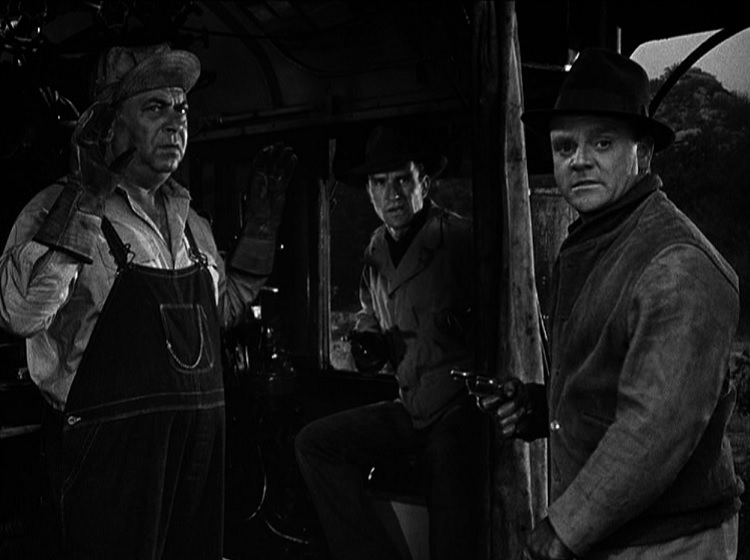
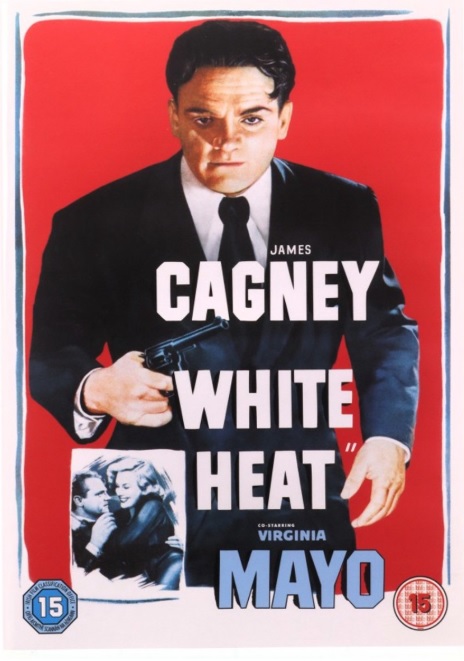
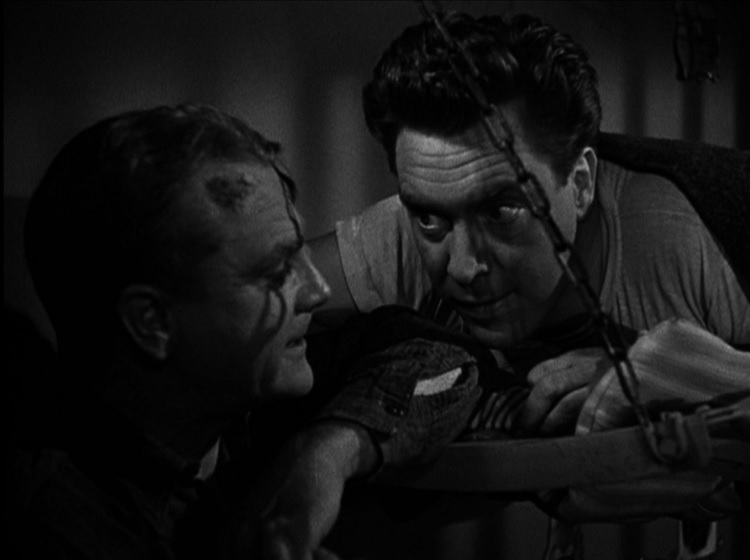
White Heat opens in High Sierra – a nod to the 1941 Humphrey Bogart classic directed by Raoul Walsh – where the Jarrett Mob executes a daring heist on a treasury train, making off with 300,000 dollars in government money. The stage is set for a relentless manhunt as the authorities vow to dismantle the gang and reclaim the stolen fortune.

At the helm of the Jarrett gang is Cody Jarrett, a volatile and psychopathic criminal plagued by deep-seated mother issues. James Cagney delivers a career-defining performance, infusing Jarrett with terrifying intensity and unpredictable rage.

Director Raoul Walsh, who previously collaborated with Cagney on The Roaring Twenties, masterfully guides this explosive portrayal, cementing White Heat as a trendsetter for modern crime thrillers.

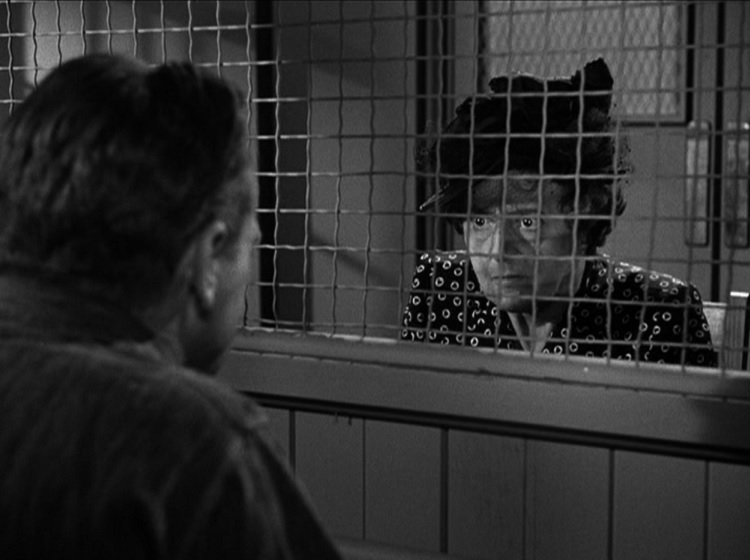
The supporting cast shines, particularly Virginia Mayo as Verna Jarrett, the bubblegum-chewing femme fatale, and Margaret Wycherley as the sinister Ma Jarrett – a character whose malevolence rivals the likes of the mother character Livia from I, Claudius and The Sopranos. Cagney’s unhinged outbursts and chilling charisma make Jarrett one of cinema’s most unforgettable villains.

From its gripping opening to its spectacular, thematically resonant finale, White Heat is a relentless and timeless masterpiece. The film’s iconic line – “Made it, Ma! Top of the world!” – isn’t just Jarrett’s delusional triumph; it’s a fitting tribute to the film itself. Few movies achieve such enduring power, but White Heat stands tall among the greats.

Rating:

Quote:
CODY JARRETT: “Big Ed, Great… Big… Ed. Know why they call him that? Because his ideas are big. Someday he’s gonna get a really big one, about me. It’ll be his last.”

Trivia:
The unusually close relationship between Cody Jarrett and his domineering mother was inspired by real life bank robbers Kate Barker (aka Ma Barker) and her sons.

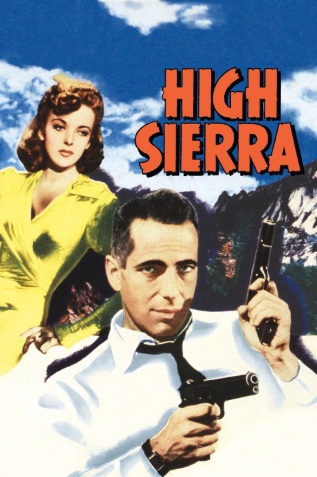
High Sierra (1941)


´The blazing mountain manhunt for Killer Mad-Dog Earle!´

Directed by:
Raoul Walsh

Written by:
W.R. Burnett (screenplay and novel)
John Huston (screenplay)

Cast:
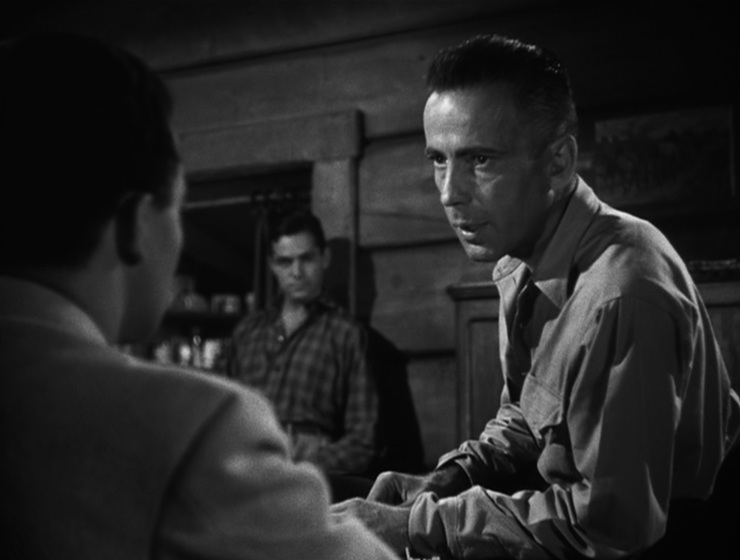
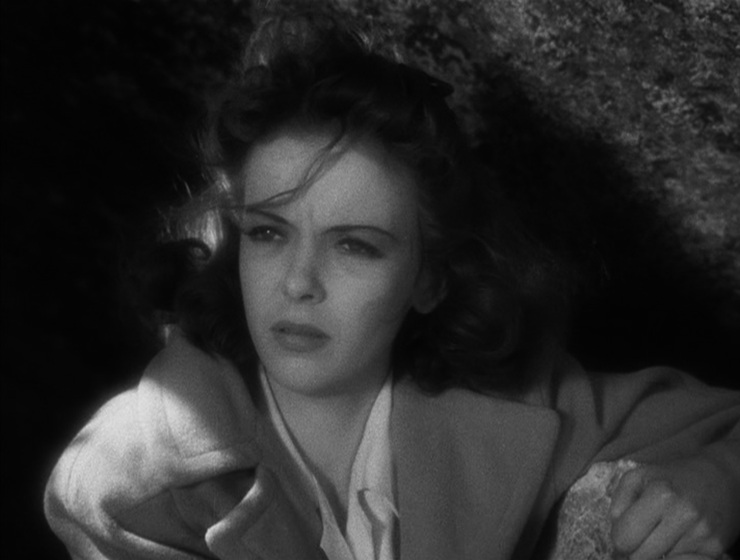
Ida Lupino (Marie Garson), Humphrey Bogart (Roy Earle), Alan Curtis (Babe Kozak), Arthur Kennedy (Red Hattery), Joan Leslie (Velma), Henry Hull (‘Doc’ Banton), Henry Travers (Pa), Jerome Cowan (Healy), Minna Gombell (Mrs. Baughmam), Barton MacLane (Jake Kranmer)

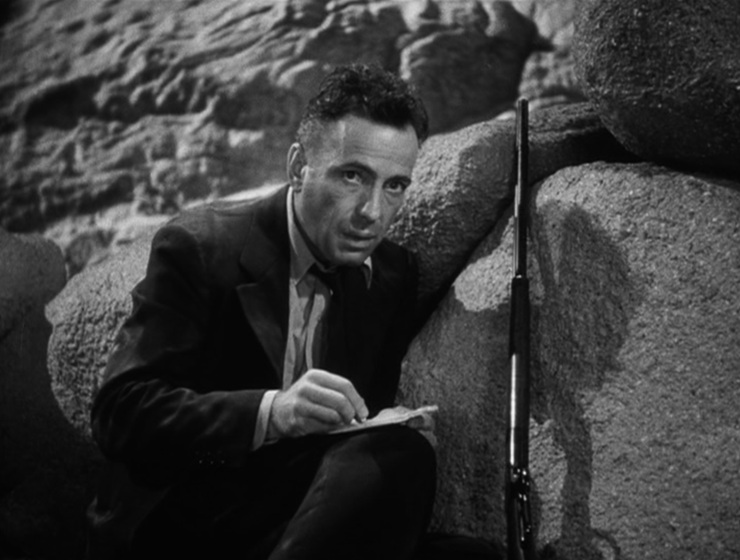
The famous bank robber Roy Earle (Humphrey Bogart), who was supposed to be in jail for life, is pardoned. He immediately joins a group of desperados who plan to rob a hotel. Along the way, he meets two women who will both play an important role in Earle’s remaining time on earth.

1941 was the year Bogart made his breakthrough as a Hollywood legend. It was the last time he got second billing. In the same year, he made The Maltese Falcon, directed by John Huston, who also wrote the screenplay for High Sierra. Both are early film noirs. High Sierra is based on a novel by W.R. Burnett, who also wrote the gangster films Little Caesar and Scarface.

Raoul Walsh directed another classic about the era of gangsters three years earlier: The Roaring Twenties. It was an influential genre picture. With High Sierra, he achieves the same. It has speed, excitement, and, in Bogart, a great leading man. The camerawork is also very advanced.

The ending at Mount Whitney, the highest mountain in the USA, is a classic gangster moment. Walsh would direct his ultimate gangster film in 1949: White Heat.

Rating:

Quote:
DR. PARKER: “Remember what Johnny Dillinger said about guys like you and him? He said you were just rushing towards death.”

Trivia:
Bogart’s part was originally intended for Paul Muni (the original Scarface in 1932), who turned it down because he didn’t like the script.