10 Writing Tips From Stephen King

Stephen King (1947) is a renowned American author celebrated as the ‘King of Horror’ for his iconic contributions to the genre. He has also explored other genres, among them suspense, crime, science-fiction, fantasy and mystery. King has published 65 novels/novellas, including seven under the pen name Richard Bachman, five non-fiction books, and approximately 200 short stories.

Now, a writer with such a huge body of work can surely give some advice to those of us who are attempting to write fiction or have that ambition. I myself have been considering it for a long time, and I still have that crazy dream of one day writing a masterpiece. But I don’t think I can. I am a web editor and that is a completely different game than writing fiction.

Nevertheless, if I do want to make an attempt to write any kind of fiction in the future, the book ‘Stephen King on Writing’ – a lovely gift from my wife Loesje – is my must-read guide. It gave me much clarity on how to approach the process if I ever want to have a serious go at it. Below are ten tips for aspiring writers, who are serious about completing a work of fiction that will actually please their readers.

01) Start with story
Starting your novel with thematic concerns (like I always do ;-)) is a bad idea, believes King. Good fiction always begins with story and then progresses to theme. Another important belief of King is that stories are found things, like fossils. Stories pretty much make themselves. It is the job of the writer to give them a place to grow (and to transcribe them of course). Use your whole writer’s toolbox as well as you can to get as much of the fossil out of the ground in the best possible state.

02) Read, read, read
To become a good writer, there is really no way around this one. You must read vigorously. King: ‘We read to experience the mediocre and the outright rotten; such experience helps us to recognize those things when they begin to creep into our own work.’ Good writing, on the other hand, teached the learning writer about style, graceful narration, plot development, the creation of believable characters and truth-telling. Reading is the creative center of a writer’s life. ‘Do it because you enjoy it.’

03) Practice, practice, practice
Same thing as reading, you must write a lot to succeed. ‘If you want to be a writer, you must do two things above all others: read a lot and write a lot. There’s no way around those two things that I’m aware of, no shortcut.’ So there you have it.

04) Work on your book every day
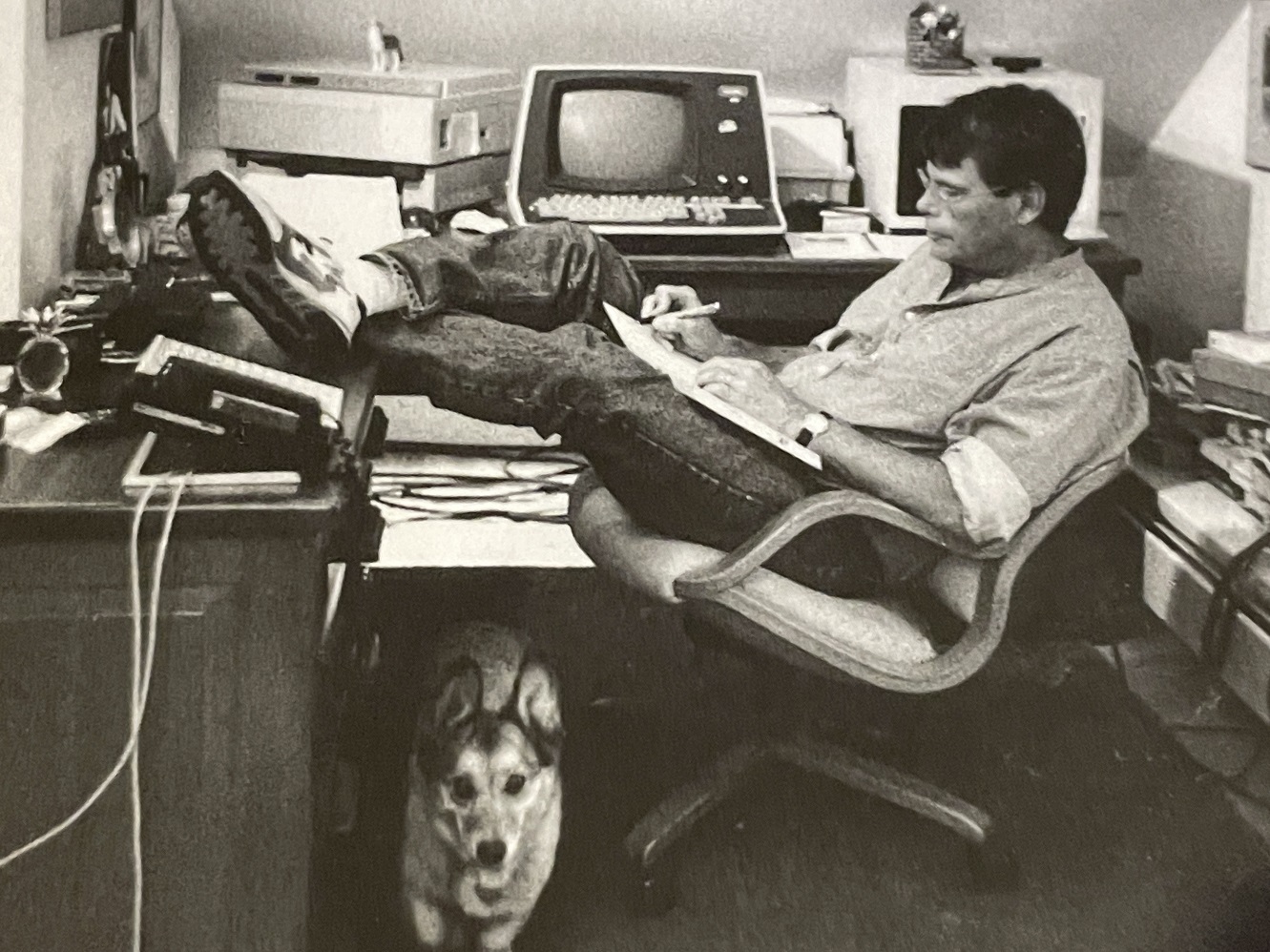
One of the things that makes writing novels so different from writing articles or essays or even making magazines, is that you have to approach it like a day job. Except it shouldn’t feel like a job. King cranks out a novel in three months’ time, and he does that by showing up every day in his room and spending hours there behind his writing desk. I erroneously thought I could write my great novel in bars, cars, toilets, trains, in-between moments, et cetera, but that’s not possible. I have been able to do that with my essays on Free-Consciousness, but with a novel it simply won’t work.

To succeed, you must work on your book every day, writes Stephen King: ‘Once I start work on a project, I don’t stop and I don’t slow down unless I absolutely have to. If I don’t write every day, the characters begin to stale off in my mind – they begin to seem like characters instead of real people. The tale’s narrative cutting edge starts to rust and I begin to lose my hold on the story’s plot and pace. Worst of all, the excitement of spinning something new begins to fade. The work starts to feel like work.’

05) Keep the reader on your mind
Again, focussing on story is one of the most important tasks as a writer. If you want to achieve satisfying an audience with your book, that is. ‘Book buyers want a good story to take with them on the airplane, something that will first fascinate them, then pull them in and then will keep them turning the pages. Your reader must always be your main concern: without Constant Reader, you are just a voice quicking in the void.’

06) Focus on paragraphs
King argues that the paragraph, not the sentence, is the basic unit of writing – the place where coherence begins and words stand a chance of becoming more than mere words. It is a marvelous and flexible instrument that can be a single word long or run on for pages. You must learn to use it well if you are to write well. In fiction, the paragraph is less structured – it’s the beat instead of the actual melody. The more fiction you read and write, the more you’ll find your paragraphs forming on their own. And that’s what you want. When composing it’s best not to think too much about where paragraphs begin and end, the trick is to let nature take its course.

07) Avoid the passive tense and don’t use dialogue attribution
‘Stephen King on Writing’ also contains some style tips of which these two are especially important. First of all, avoid the passive tense. Don’t write: The meeting will be held at seven o’clock. Write instead: The meeting’s at seven. Don’t write: The body was carried from the kitchen and placed on the sofa. Write instead: Freddie and Myra carried the body out of the kitchen and laid it on the parlor sofa. Another tool that is often misused is dialogue attribution. Don’t do it, says King.

‘Put it down’, she shouted menacingly.
‘Give it back’, he pleaded abjectly, ‘it’s mine.’
‘Don’t be such a fool, Jekyll’, Utterson said contemptuously.

Just resist the temptation and write he said, she said.

08) Use descriptive writing in the right way
A description, according to the master, begins with a visualisation of what it is. ‘You want your reader to experience. It ends with translating what you see in your mind into words on the page.’ Don’t underdo it and don’t overdo it: ‘Thin description leaves your reader feeling bewildered and nearsighted. Overdescription buries him or her in details and images. The trick is to find a happy medium.’

09) Make good use of rewriting
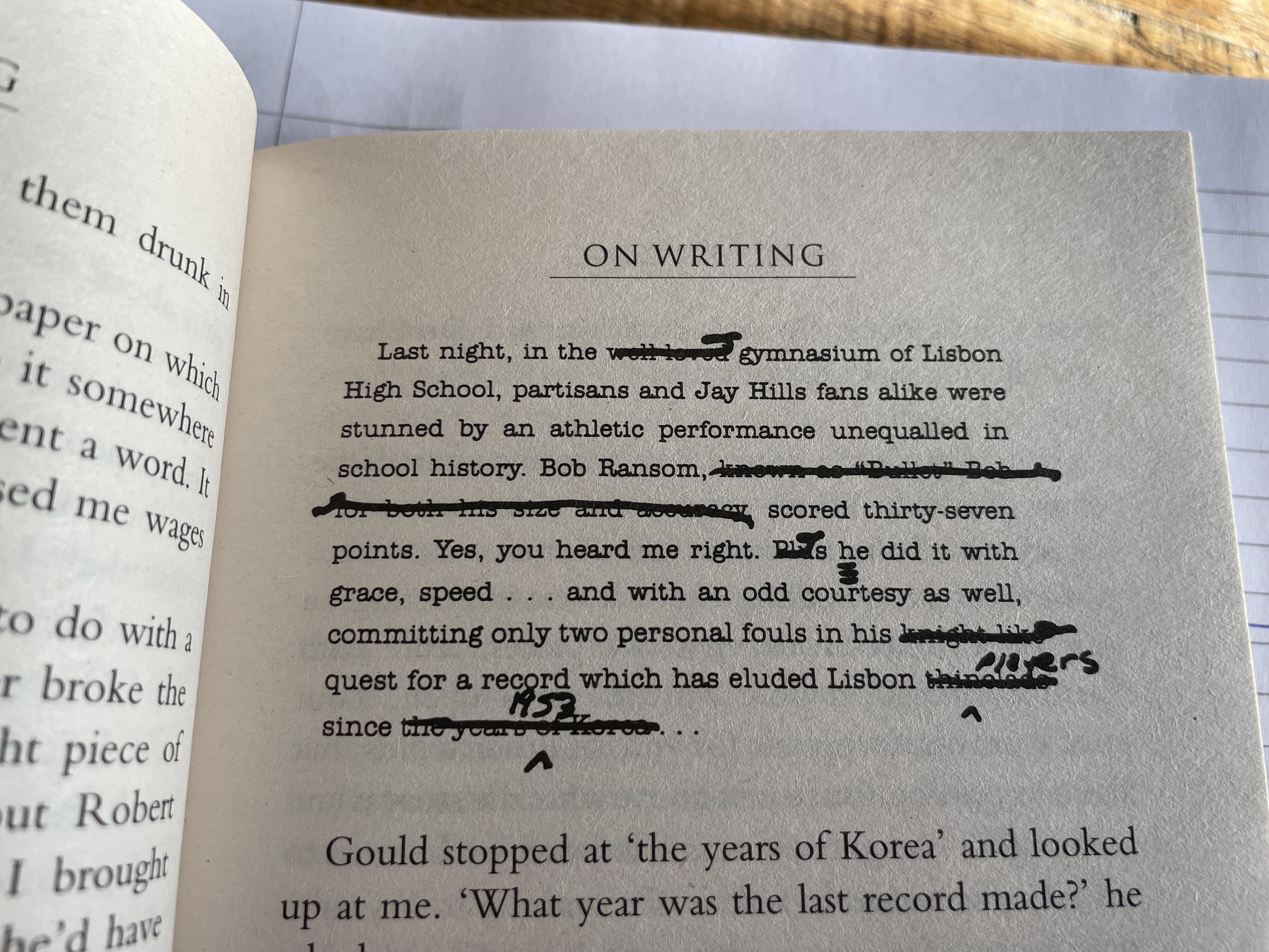
His first editor – John Gould – gave young Stephen a tip on a sports article he wrote: ‘When you write a story, you’re telling yourself the story. When you rewrite, your main job is taking things out that are not the story.’ When rewriting your first draft, it should be possible to take out 10 percent.

Gould added something else that was interesting. ‘Write with your door closed, rewrite with you door open.’ Your stuff starts out being just for you. But once you know what the story is and get it right, it belongs to anyone who wants to read it. ‘Or criticize it.’

When you have completed the first draft of your book, leave it alone for at least six weeks, King advises. Because then you have some more distance between your work and your authorship, you can more easily delete or rewrite passages. Then hand out the books to about eight proofreaders and let them criticize it.

10) Keep on going
A lesson King learned from almost abandoning his breakthrough novel ‘Carrie’ – which enabled him to pursue a career as a full-time novelist – is that ‘stepping away from a piece of work just because it’s hard, either emotionally or imaginatively, is a bad idea. Sometimes you have to go on when you don’t feel like it, and sometimes, you’re doing good work when it feels like all you’re managing is to shovel shit from a sitting position.’

Conclusion
Taking all this in, I wondered if this is really the thing for me. Besides the practical advice, King’s book is also like a confrontational eye-opener for dreamers like me. Is this really the sort of thing that I want to do and that I am able to do? The sort of strenuous reading and writing program King advocates – four to six hours a day, every day – will not seem strenuous if you really enjoy doing these things and have an appetite for them.

So that will be the litmus test for me if I ever want to attempt (again) to write a novel: will I really enjoy going through this process? If not, then just fuhgeddaboudit.

Read also: How to Write a Television Series

De Kleijngeldjes breiden uit… (poging 2)

Een Mini-Recap van 2024.

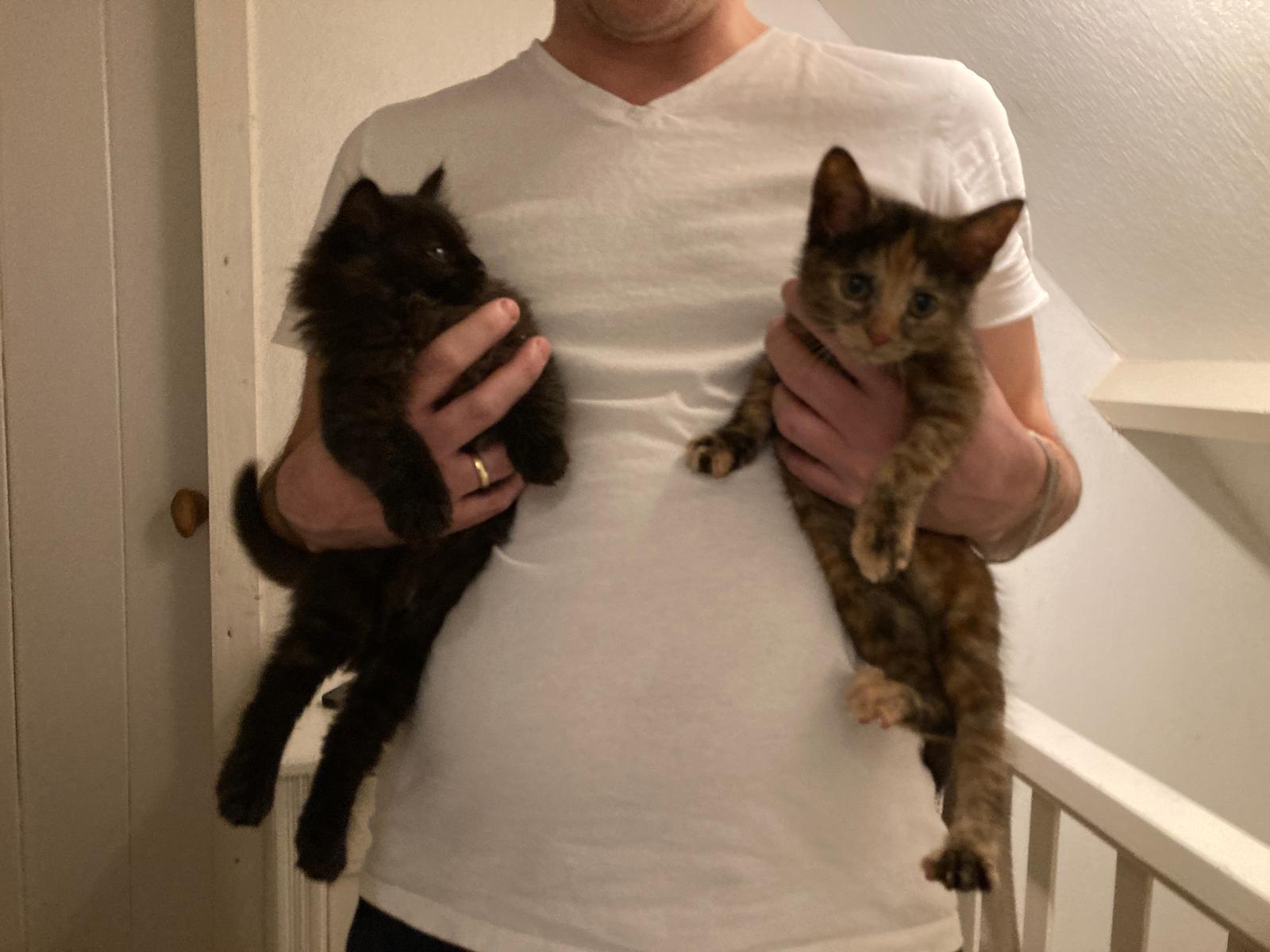
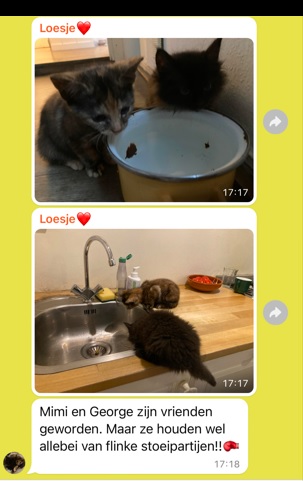
Het jaar begon met een onsuccesvolle poging om een hond te nemen, maar eindigde met de wél succesvolle adoptie van twee kittens.

Welkom in de familie, Mimi en George!

Verder was 2024 een druk, maar geslaagd jaar. De M&A-business blijft booming, en naast mijn vaste baan bij Sijthoff Media heb ik dit jaar mijn eigen freelancebedrijf opgezet. Al meteen in 2024 mocht ik diverse opdrachten uitvoeren, waaronder een aantal in België via MandA.be. Mijn AI-assistent heeft me geholpen de workload te managen. Thank you Chat.

In augustus lanceerde ik, na zeven jaar onderzoek en schrijven, Free-Consciousness.com. Het doel van dit platform is om kennis te bundelen vanuit een grondige journalistieke basis over een onderwerp dat me nauw aan het hart ligt en waar ik een duidelijke visie op heb: de mentale aard van het universum.

Ook binnen het gezin was er veel verandering. Rosa is begonnen op de middelbare school en is officieel de puberteit ingetreden. Af en toe wil ze Loesje en mij op Marktplaats zetten, maar dat zien we als een gezonde ontwikkeling. Loesje is gelukkig nog steeds pijnvrij, dankzij haar succesvolle zelfbehandeling via de cursus van Dr. Sarno. Well done, Lucy!

Op het gebied van (geo)politiek was 2024 helaas geen geweldig jaar. Poetin blijft de ‘Crime Minister’ van de Russische Federatie en de ‘speciale militaire operatie’ in Oekraïne gaat bijna het vierde jaar in. Mijn grootste wens voor 2025 is dat de conflicten, waaronder die in Oekraïne en Gaza, eindelijk tot een einde komen.

Daar drink ik vanavond op. Gelukkig nieuwjaar!

Free-Consciousness is A-Live!!!

Today is the official launch of my new website: Free-Consciousness. It is the result of seven years of reading, researching and writing and I am super proud of the result. Check it out here: free-consciousness.com.

The first seed of the platform was sown in 2017 when I read the book ‘Biocentrism’. This paradigm shattering work forever altered my perspective on reality, and initiated my continuous search for figuring out how this process we call ‘the universe’ operates. The answers that I found were, and still are, absolutely mind boggling.

The purpose of Free-Consciousness is to give insights in an understandable way of why we must be living in a consciousness-based reality, and what this means for the notions we have about life, death, space and time, the material world and evolution.

The core of the platform at this starting point is the ‘Essays’ page for which I wrote 10 long essays (and 2 short introductory ones) that cover the entire model of my current thinking. It explains why our minds and the outside reality are the same thing, how space and time are mental algorithms that are part of the process we use to construct reality, and how in a timeless universe, death cannot be in any way ‘the end’.

In the next phase of this massive personal project, I will be working on promoting the platform, covering new discoveries on the ‘Mental Notes’ page, and preparing a new series of essays on topics such as DNA, psychedelics, Eastern philosophy and the Many Worlds Interpretation of Quantum Theory.

I want to thank my amigo Arnold for his fantastic technical help in building the platform. I also want to thank Christiaan Drost, who designed the terrific central image for the homepage. I also want to thank my two loves Rosa & Loesje, for their ongoing mental support, love, inspiration, and so much more.

5 vragen over het Konijneneiland in Schermerhorn

Bestaat het Konijneneiland nog?
Ja en nee. Ja, het Konijneneiland bestaat nog, maar Stichting Het Konijneneiland is dit jaar opgeheven. De stichting was opgericht om konijnen een beter leven te geven, maar na honderden levens van konijnen en andere dieren verbeterd te hebben is het voor Loesje tijd om iets nieuws te gaan doen. Het eiland zelf, sinds 2010 in ons beheer, is nog altijd een klein paradijsje in de polder. We hebben er nu kippen en schapen rondlopen en heel veel bomen geplant.

Waar is het eiland gevestigd?
Langs de N243 ter hoogte van Schermerhorn. Het is het eerste eiland dat vanaf de weg te zien is als je uit de richting van Alkmaar komt en het loopt door tot aan het reclamebord van de beeldentuin van Nic Jonk in Grootschermer. Het is een écht eiland, maar het is wel via een bruggetje langs de weg toegankelijk.

Wat is nu nog het doel van het Konijneneiland nu er geen konijnen meer worden opgevangen?
Het is eigenlijk een enorme tuin geworden, waar we heel veel tijd en liefde in hebben gestopt. Het houdt me in beweging. Als redacteur zit ik eigenlijk de hele dag en ik ben ook niet zo’n sportman. Het onderhoud van het eiland dwingt me om het schrijven af te wisselen met wandelen en werken in de buitenlucht. Voor HSP’er Loesje is het een fijne prikkelarme omgeving om dagelijks even tot zichzelf te komen en in verbinding te staan met de natuur.

Wat zijn de belangrijkste voor- en nadelen van zo’n eiland?
Het voornaamste nadeel is dat zo’n eiland onderhouden heel veel werk is. Vanaf de lente is de groei van alle planten, bomen en struiken niet bij te benen. Het is een constant gevecht tegen de elementen, waarbij je continu achter de feiten aanloopt. Ook kost het aardig wat geld aan materialen en gereedschappen.

Toch zou ik er niet snel afscheid van willen nemen. De laatste jaren dringt steeds meer het besef door dat de wereld voor een periode van ernstige ontwrichting staat. Het klimaatprobleem en de biodiversiteitscrisis gaan gezamenlijk zeer ernstige en negatieve gevolgen hebben. Desondanks denk ik dat we de transitie als mensheid wel gaan maken voordat het echt misgaat, maar we zullen wel getuige zijn van een heleboel ellende.

Dit kan het gevoel van machteloosheid oproepen omdat niks wat ik persoonlijk ga doen deze klimaat- en natuurrampen zal voorkomen. En daarmee kom ik op het eiland: daar heb ik wel invloed op. We hebben een stukje natuur gecreëerd waar dieren, vogels en insecten veilig kunnen leven en bomen kunnen groeien en bloeien. De wereld gaan we er niet mee redden, maar het is fijn om met zo’n initiatief wel op kleine schaal iets concreets te kunnen bijdragen. Ook is het een fijne plek om lekker te chillen in de zomer.

Mag ik komen kijken?
Zeker, het eiland is vrij toegankelijk. Houd svp de poortjes goed gesloten in verband met de dieren, maar kom gerust eens langs als je in de buurt bent.