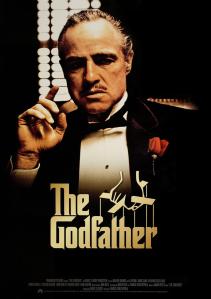
‘An offer you can’t refuse’
Directed by:
Francis Ford Coppola
Written by:
Mario Puzo (novel / screenplay)
Francis Ford Coppola (screenplay)
Cast:
Marlon Brando (Don Vito Corleone), Al Pacino (Michael Corleone), James Caan (Santino ‘Sonny’ Corleone), Richard Castellano (Peter Clemenza), Robert Duvall (Tom Hagen), Sterling Hayden (Capt. McCluskey), John Marley (Jack Woltz), Richard Conte (Don Emilio Barzini), Al Lettieri (Virgil ‘The Turk’ Sollozzo), Diane Keaton (Kay Adams)


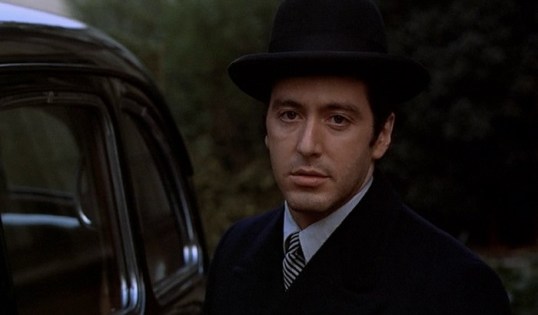
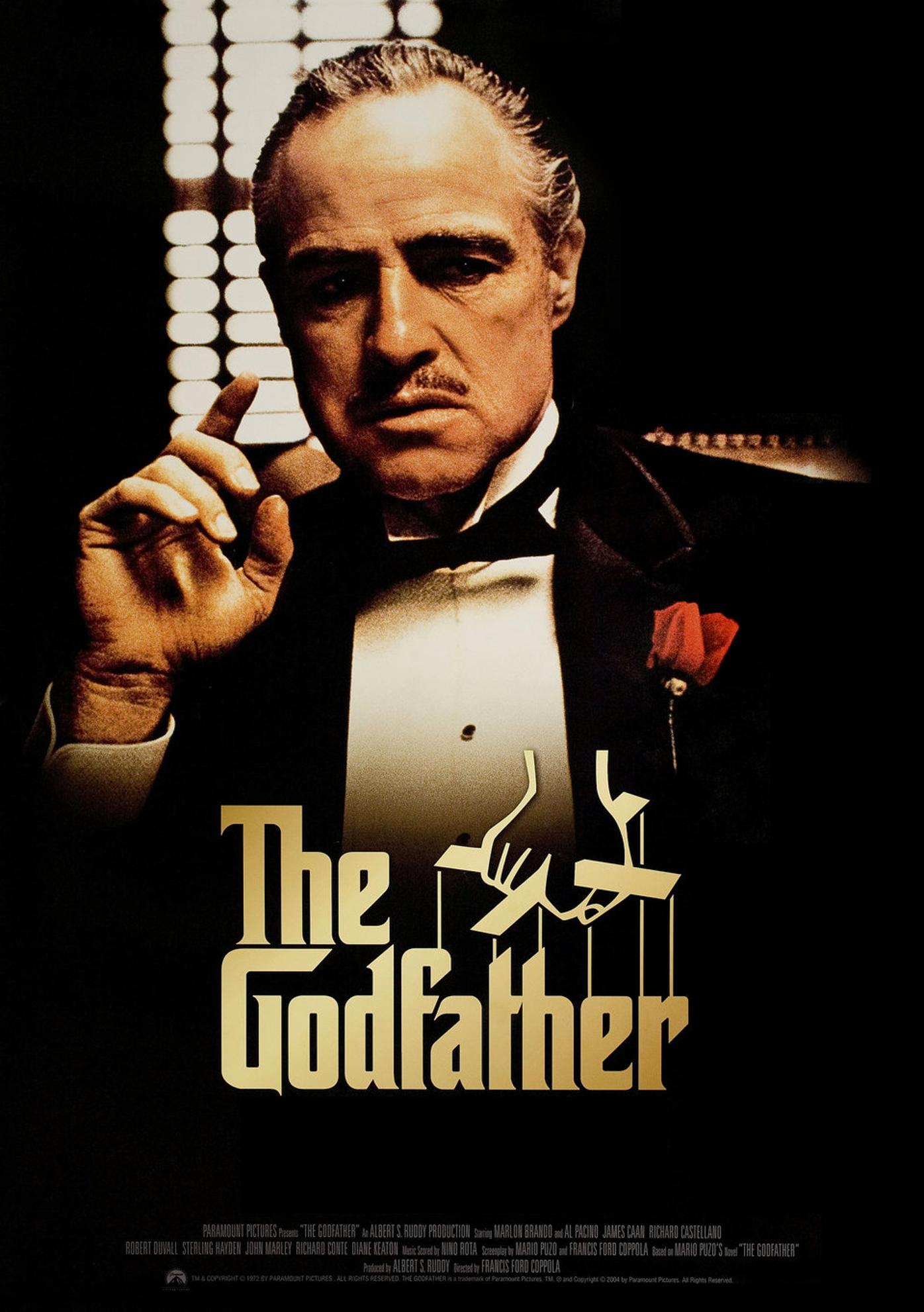
When discussing gangster films, The Godfather is the one movie that is always part of the conversation. Often hailed as the greatest gangster film of all time, it frequently tops high-profile lists as the best movie ever made, transcending genres entirely.
A myriad of elements contribute to its enduring appeal: the impeccable casting, masterful performances, meticulous production design, breathtaking cinematography, inspired direction, and Nino Rota’s iconic score. However, one element elevates The Godfather above its peers: the family theme. Director Francis Ford Coppola, drawing from his own Italian-American heritage, imbues the narrative with a deeply relatable exploration of family dynamics. This personal touch makes the story resonate universally, beyond the crime genre.
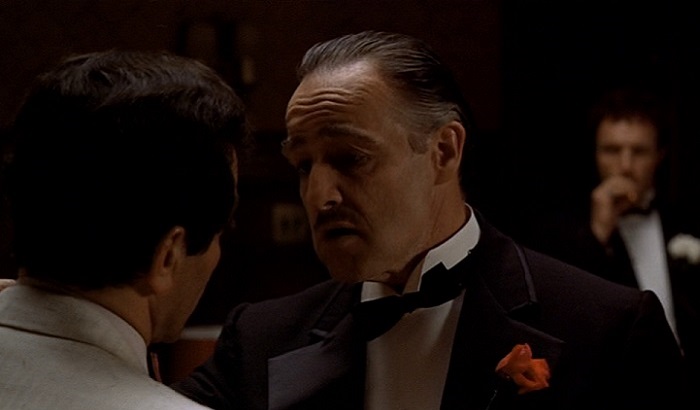
At its heart, The Godfather tells the story of the Corleone crime family at its zenith and the challenges it faces. Aging patriarch Don Vito Corleone (Marlon Brando) grapples with two critical dilemmas: selecting a successor to lead the family after his death and navigating the changing criminal landscape of post-war America. The rise of the narcotics trade brings new threats, and his resistance to adapt creates powerful enemies.
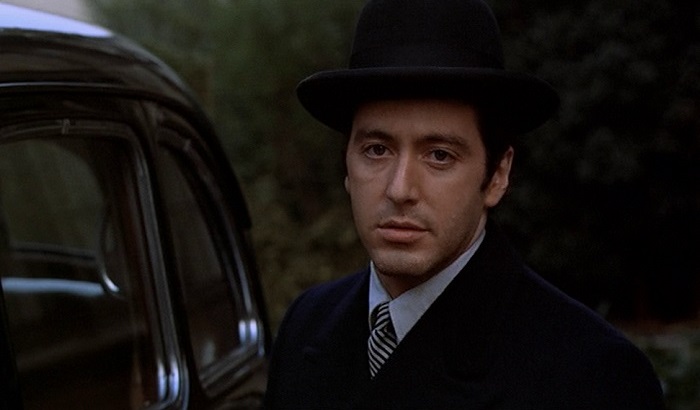
Ironically, neither Paramount Pictures nor Coppola himself anticipated the monumental success of the film. While Coppola had achieved some recognition for his work on Patton (winning an Academy Award for the screenplay), he was not yet an established auteur. Meanwhile, Mario Puzo’s source novel, though popular, was dismissed by some as pulp fiction. The production was fraught with difficulties, most notably in casting. Paramount was resistant to casting Marlon Brando, then considered a liability, and the studio balked at Coppola’s insistence on the relatively unknown Al Pacino for the pivotal role of Michael Corleone. These decisions nearly cost Coppola his job. Looking back, it’s impossible to imagine anyone else embodying these roles.
Despite the hurdles, Coppola and Paramount struck cinematic gold. The Godfather became not just a groundbreaking box-office sensation but an instant classic, revered by critics and audiences alike. Every aspect of the film is masterfully executed: the authentic recreation of the late 1940s and early 1950s, the technical precision, Rota’s hauntingly beautiful score, and, above all, the performances.
The acting remains a standout triumph. Brando’s monumental portrayal of Don Vito earned him a well-deserved Oscar, but the supporting cast is equally remarkable. James Caan is explosive as the hot-headed Sonny Corleone, and Al Pacino delivers a career-defining performance as Michael. Pacino’s subtle and chilling transformation from an idealistic college graduate to a ruthless mob boss anchors the film. When Don Vito’s demise shifts the narrative focus to Michael, the transition is seamless, a testament to Pacino’s magnetic presence.
Michael’s arc forms the emotional core of The Godfather. His descent into violence and moral compromise is both tragic and compelling. By the time he exacts his revenge in the film’s climactic sequence, the audience feels both the catharsis of his triumph and the weight of his irrevocable loss. The final moments, where the office doors close on Michael and shut out his wife Kay, encapsulate the story’s tragic brilliance. It’s a devastatingly poignant image of power, isolation, and corruption.
Every frame, every line, and every note of The Godfather exudes cinematic perfection. It’s a film that redefined not only the gangster genre but cinema itself. To speak of The Godfather is to speak of the very essence of filmmaking excellence. It remains, unequivocally, a masterpiece for the ages.
Rating:

Quote:
MICHAEL CORLEONE: “My father is no different than any powerful man, any man with power, like a president or senator.”
Trivia:
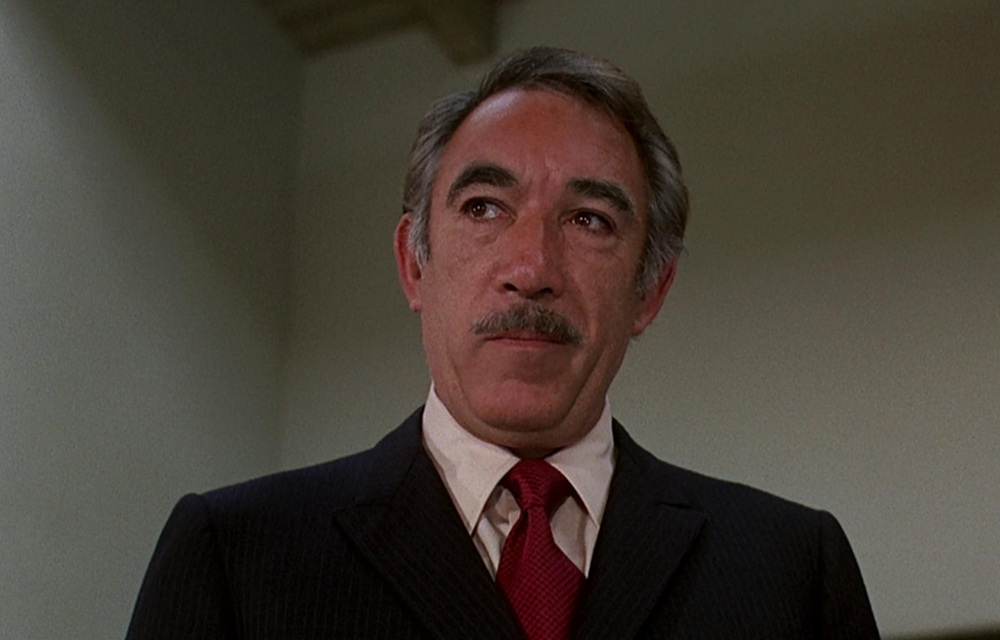
Ernest Borgnine, Edward G. Robinson, Orson Welles, Danny Thomas, Richard Conte, Anthony Quinn, and George C. Scott were considered by Paramount Pictures for the role of Don Vito Corleone.