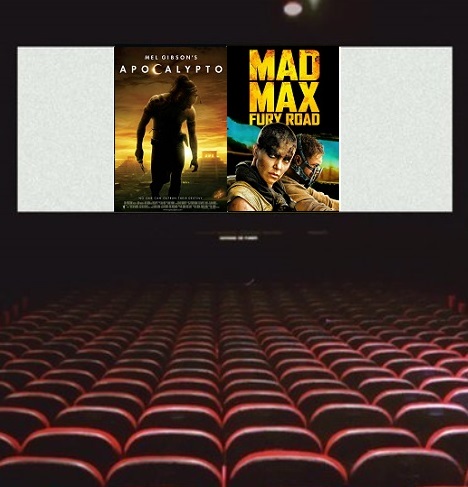
Apocalypto (2006) opens with a little quiet before the storm; a tribe of Indians hunting a tapir, capturing it and having a pleasant night around the campfire. Then an evil tribe attacks and their harmonious lives soon descend into violent madness. Mad Max: Fury Road (2015) immediately throws you into the action and doesn’t give you a breather for at least 45 minutes. Both movies explore culture gone bad. The Indian tribes are working on destroying their culture from within, but their environment is still beautiful and rich with life. In Fury Road, civilization has already collapsed and all that is left is a desolate wasteland (it was filmed in the Namibian desert). They are both great settings for some of the most spectacular chase scenes ever committed to celluloid. In Apocalypto, it is a grueling foot chase through the deadly jungle (filmed in Mexico’s Catemaco rain forest) and a fight to the death. Mad Max throws in spectacular war machines and a stunningly visualized ride to mayhem. Both feature outrageous custom design, kinetic editing and ‘die hard’ violence along the way. Thematically, the films are very similar. In both stories, the men are the insane ones, and the (pregnant) women carry the greatest hope for humanity in these desperate times. But in both stories, at least one man is sane enough to take on the crazies and help the women, and their offspring, towards a better future. A connection between the two classics you may have missed at this point, is that Apocalypto is directed by none other than Mel Gibson, the original road warrior, who was too old to play Max in 2015. I must admit I enjoyed Apocalypto more than Mad Max: Fury Road. The latter features shots that are just mind boggling, but I didn’t feel much for the characters. In Apocalypto, I did. As a Double Bill, this works fantastically.

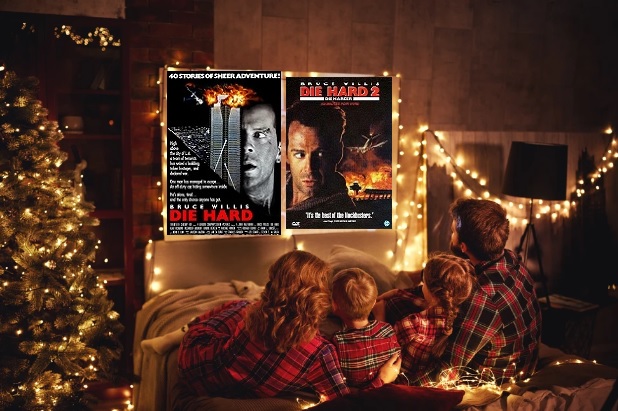
 The greatest Christmas Double Bill in history! Bruce Willis stars in the role that made him a super star: John McClane is an old style hero: smoking cigarettes, cracking jokes and killing bad guys. The first Die Hard (1988) is considered the greatest action film of all time. Why is that so? I tried to analyze it and came up with this. First of all; it is really, really tense. John McClane (Willis) is locked up in a building with a bunch of heavily armed and completely ruthless German terrorists. What are the odds of survival? Minimal. This is survival action optimally done. It is fun to watch a guy – who is not really scared of death, but definitely no narcissistic psychopath either – face impossible odds. Secondly, the screenplay is intelligent and the casting is terrifically done. Part 2 is off course (this is the sequel after all) BIGGER! It takes place at an airport, which is taken over by terrorists who want to free a South American dictator (Franco Nero) who is landing soon. Groovy! In a magazine article on an airplane read by one of the characters, a picture is shown of Roger Murtaugh (Danny Glover) and Martin Riggs (Mel Gibson) in Lethal Weapon 2. This is a sequel that was indeed even better than the original. Die Hard 2 is not, although you could argue for it. Film critic Roger
  Ebert thought so and wrote
  airplane crash. Thereby, they make the main baddie – William Sadler – even worse than Hans Gruber (Alan Rickman) in the first one. Still, Die Hard 2 loses momentum a little bit during the second half (especially after the clever plot twist) and therefore I still think the first movie is superior. The endings of both movies give you this very warm Christmas feeling indeed. In part 1, John meets his pal Al for the first time, and then Al kills Karl and proves he is ready again for joining the force (he got a desk job after accidentally shooting a thirteen-year old kid with a fake gun). In the second movie, John blows up the plane with terrorists and thereby creates landing lights for all the other planes that were close to crashing, including the one that carries his wife. Then he tells her he loves her so much and they carry off in a modern sledge accompanied by Frank Sinatra’s ‘Let It Snow’. It makes me all warm inside and the same goes for the fantastic first part ending.Therefore, Die Hard is just the greatest Christmas movie ever. Die Hard 2 adds to the fun.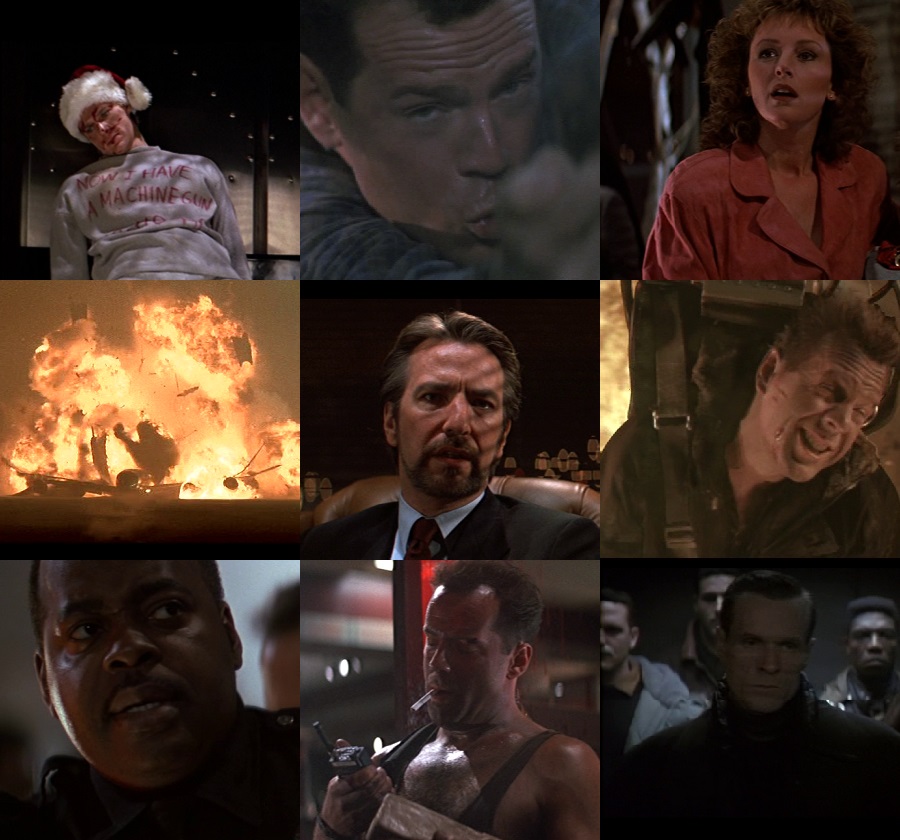


 FRAGMENTEN UIT HET SCHEMERLAND