The Act of Killing: Een surreële nachtmerrie

In 1965 werd de Indonesische regering omver geworpen door het leger. In het jaar daarop werden alle tegenstanders van het militaire bewind – communisten of vermeende communisten – vermoord. Deze moorden werden uitgevoerd door de paramilitaire jeugdbeweging (Pancasila Youth) en gangsters. In totaal werden ruim één miljoen mensen vermoord in minder dan een jaar tijd.

Anwar Congo is een massamoordenaar uit die tijd die nog in leven is. Veel van zijn collega’s leven ook nog, en krijgen nog respect van de lokale bevolking ook. Ruim 45 jaar later zijn ze nog steeds gevreesd en is het militaire bewind waar zij deel van uitmaken nog steeds aan de macht. De huidige Indonesische president spreekt zelfs openlijk zijn steun uit voor de ‘gangsters’ – vrije mannen – zonder wie ze niks voor elkaar zouden krijgen. Deelnemers aan de genocide, zoals Congo, zijn nooit veroordeeld voor hun misdaden tegen de mensheid, ook niet in het internationale gerechtshof in Den Haag.

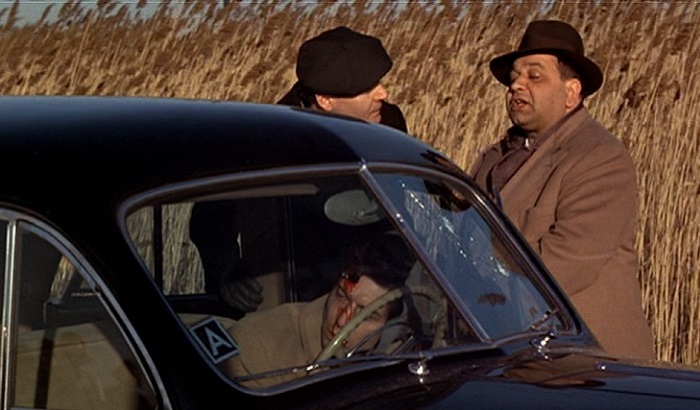
In de compleet shockerende voor een Oscar genomineerde documentaire The Act of Killing blikken Congo en zijn collega’s uit de doodseskaders terug op de slachtingen van 1965. Ze doen dat niet in de vorm van getuigenissen, maar als sterren in hun eigen film. De makers van deze documentaire ontdekten namelijk al snel bij het verslaan van dit onderwerp dat de deelnemers aan de massaslachting graag opschepte over hun gruwelijke daden. Dus de beste manier om hun medewerking te krijgen was om ze hun verleden te laten uitbeelden op camera. Dat briljante idee heeft geresulteerd in een unieke documentaire, waarin de moordenaars zichzelf en hun slachtoffers spelen.

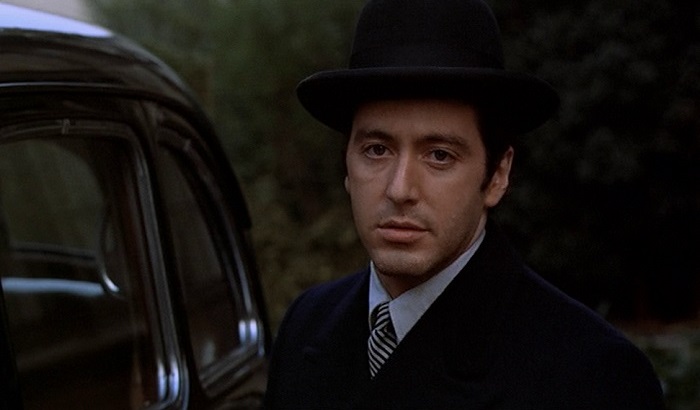
Congo en zijn maten zijn echte filmliefhebbers. Het waren filmsterren als Al Pacino en Marlon Brando die ze toentertijd geïnspireerd hebben. Congo werkte dan ook als kaartjesknipper bij een filmtheater, toen hij werd geronseld als communistendoder. The Act of Killing toont het productieproces van een film die nooit als zodanig gemonteerd zal worden. In plaats daarvan toont regisseur Joshua Oppenheimer de kijker het ruwe materiaal. Ongemonteerde fragmenten van moord- en martelscènes, ruwe ondervragingen en kannibalisme. De beelden ogen verder allemaal erg Indonesisch; prachtige kleuren, veel dans en musical nummers. Maar het verontrustende is de onuitspreekbare waarheid die eronder ligt.

Anwar Congo & medebeul Adi Zulkadry

Anwar Congo & medebeul Adi Zulkadry

Herman Koto - Gangster, paramilitair leider en frequent travestiet

Herman Koto – Gangster, paramilitair leider en frequent travestiet

De moordenaars mogen zelf de genres uitkiezen waarin ze hun daden uitbeelden: van musicals tot klassieke Hollywood gangster films.

De moordenaars mogen zelf de genres uitkiezen waarin ze hun daden uitbeelden: van musicals tot klassieke Hollywood gangster films.

Zonder de context van de 1965 moorden zou dit een compleet bizarre vertoning zijn, met slecht acteerwerk bovendien. Maar die context is er. De slachtoffers van de genocide werden gewurgd, doodgeknuppeld, hun hoofden werden afgehakt, ze werden overreden of hun anus werd volgestouwd met hout totdat ze stierven van inwendige bloedingen. Hoe kunnen deze moordenaars leven met wat ze gedaan hebben? Een onderdeel van het filmproces is steeds de beelden terugkijken die ze gefilmd hebben. De meeste collega’s van Congo zijn te dom en banaal om er iets bij te voelen, maar Congo – die mogelijk wel 1.000 mensen persoonlijk heeft omgebracht – is duidelijk de intelligentste van het stel, en zijn herbeleving van het verleden leidt uiteindelijk tot heftige emoties. Of wil hij dat alleen maar graag?

Misschien nog wel shockerender dan de moordenaars zelf zijn de gewone burgers die aan de documentaire meedoen. De Indonesiërs zijn nog niet eens begonnen hun vele trauma’s te verwerken. In plaats daarvan leven ze nog midden in deze angstdroom. Ze worden nog met regelmaat afgeperst door dezelfde mensen die in het verleden hun families hebben afgeslacht. En ze moeten nog tegen ze glimlachen ook. De samenleving die The Act of Killing blootlegt is corrupt, verknipt en genadeloos. Een ware nachtmerrie.

Tot slot is The Act of Killing ook confronterend om te kijken omdat het veel, nee alles, vertelt over de essentie van het menselijk ras; dat wij mensen onder bepaalde omstandigheden tot alles in staat zijn. ‘We moesten wel’. Zo rechtvaardigen deze barbaarse wezens hun daden. Ja, onder zekere omstandigheden transformeren mensen weer snel tot wat ze oorspronkelijk waren: wrede moordmachines, die enige wroeging binnen de kortste keren inruilen voor zelfrechtvaardiging. The Act of Killing is een aanrader, maar het is geen prettige kijkervaring. Verre van zelfs.
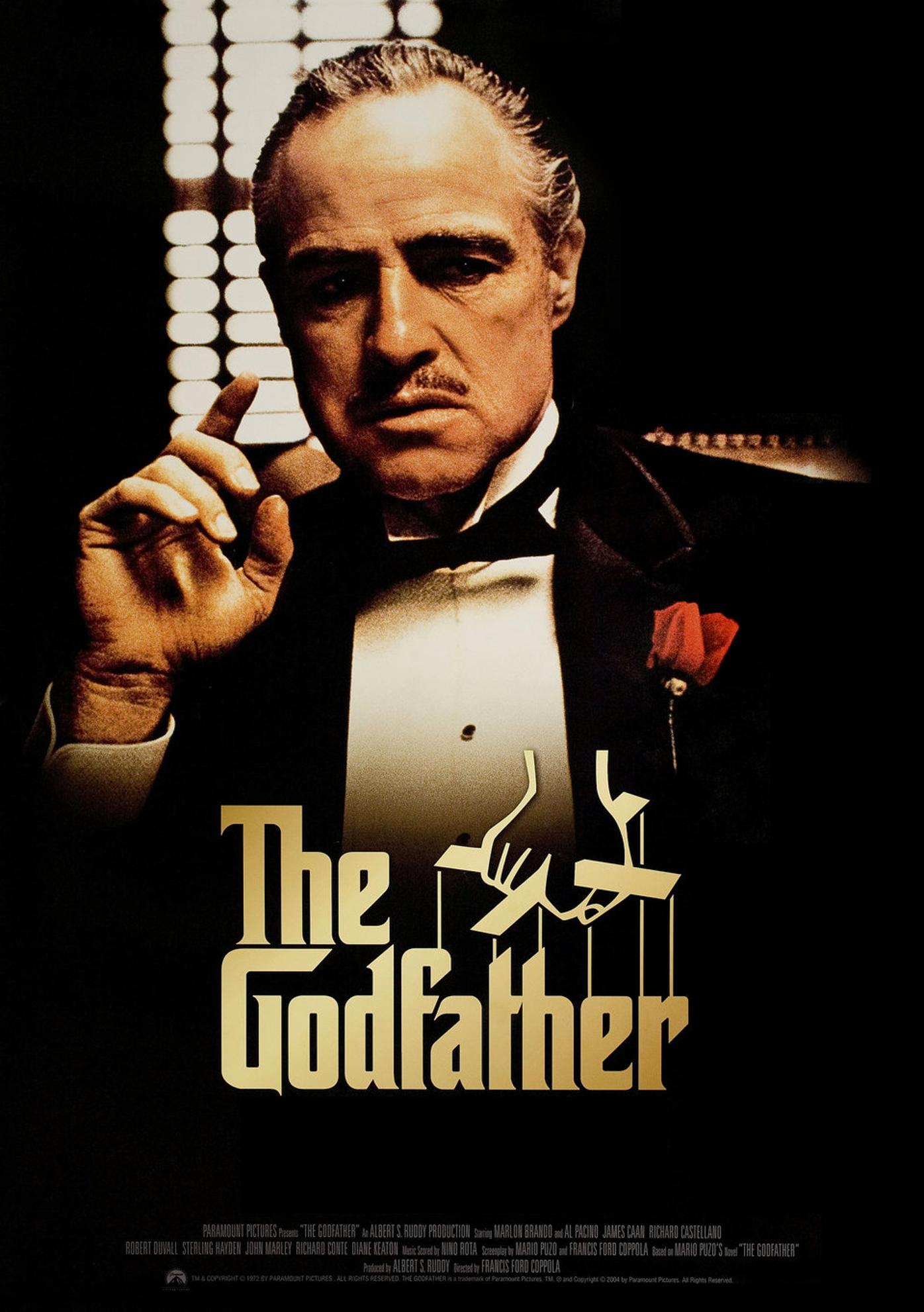
The Godfather (1972)


‘An offer you can’t refuse’

Directed by:
Francis Ford Coppola

Written by:
Mario Puzo (novel / screenplay)
Francis Ford Coppola (screenplay)

Cast:
Marlon Brando (Don Vito Corleone), Al Pacino (Michael Corleone), James Caan (Santino ‘Sonny’ Corleone), Richard Castellano (Peter Clemenza), Robert Duvall (Tom Hagen), Sterling Hayden (Capt. McCluskey), John Marley (Jack Woltz), Richard Conte (Don Emilio Barzini), Al Lettieri (Virgil ‘The Turk’ Sollozzo), Diane Keaton (Kay Adams)

When discussing gangster films, The Godfather is the one movie that is always part of the conversation. Often hailed as the greatest gangster film of all time, it frequently tops high-profile lists as the best movie ever made, transcending genres entirely.

A myriad of elements contribute to its enduring appeal: the impeccable casting, masterful performances, meticulous production design, breathtaking cinematography, inspired direction, and Nino Rota’s iconic score. However, one element elevates The Godfather above its peers: the family theme. Director Francis Ford Coppola, drawing from his own Italian-American heritage, imbues the narrative with a deeply relatable exploration of family dynamics. This personal touch makes the story resonate universally, beyond the crime genre.

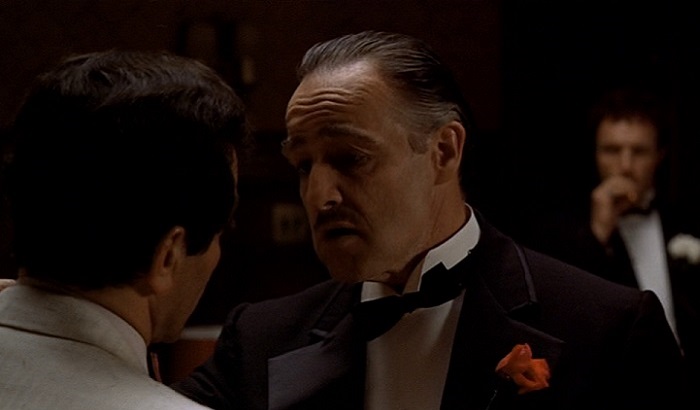
At its heart, The Godfather tells the story of the Corleone crime family at its zenith and the challenges it faces. Aging patriarch Don Vito Corleone (Marlon Brando) grapples with two critical dilemmas: selecting a successor to lead the family after his death and navigating the changing criminal landscape of post-war America. The rise of the narcotics trade brings new threats, and his resistance to adapt creates powerful enemies.

Ironically, neither Paramount Pictures nor Coppola himself anticipated the monumental success of the film. While Coppola had achieved some recognition for his work on Patton (winning an Academy Award for the screenplay), he was not yet an established auteur. Meanwhile, Mario Puzo’s source novel, though popular, was dismissed by some as pulp fiction. The production was fraught with difficulties, most notably in casting. Paramount was resistant to casting Marlon Brando, then considered a liability, and the studio balked at Coppola’s insistence on the relatively unknown Al Pacino for the pivotal role of Michael Corleone. These decisions nearly cost Coppola his job. Looking back, it’s impossible to imagine anyone else embodying these roles.

Despite the hurdles, Coppola and Paramount struck cinematic gold. The Godfather became not just a groundbreaking box-office sensation but an instant classic, revered by critics and audiences alike. Every aspect of the film is masterfully executed: the authentic recreation of the late 1940s and early 1950s, the technical precision, Rota’s hauntingly beautiful score, and, above all, the performances.

The acting remains a standout triumph. Brando’s monumental portrayal of Don Vito earned him a well-deserved Oscar, but the supporting cast is equally remarkable. James Caan is explosive as the hot-headed Sonny Corleone, and Al Pacino delivers a career-defining performance as Michael. Pacino’s subtle and chilling transformation from an idealistic college graduate to a ruthless mob boss anchors the film. When Don Vito’s demise shifts the narrative focus to Michael, the transition is seamless, a testament to Pacino’s magnetic presence.

Michael’s arc forms the emotional core of The Godfather. His descent into violence and moral compromise is both tragic and compelling. By the time he exacts his revenge in the film’s climactic sequence, the audience feels both the catharsis of his triumph and the weight of his irrevocable loss. The final moments, where the office doors close on Michael and shut out his wife Kay, encapsulate the story’s tragic brilliance. It’s a devastatingly poignant image of power, isolation, and corruption.

Every frame, every line, and every note of The Godfather exudes cinematic perfection. It’s a film that redefined not only the gangster genre but cinema itself. To speak of The Godfather is to speak of the very essence of filmmaking excellence. It remains, unequivocally, a masterpiece for the ages.

Rating:

Quote:
MICHAEL CORLEONE: “My father is no different than any powerful man, any man with power, like a president or senator.”

Trivia:
Ernest Borgnine, Edward G. Robinson, Orson Welles, Danny Thomas, Richard Conte, Anthony Quinn, and George C. Scott were considered by Paramount Pictures for the role of Don Vito Corleone.