Zijn we alleen op onze kleine blauwe bal? Dat is onwaarschijnlijk. In de Melkweg waar we wonen alleen al zijn er tenminste 200 miljard sterren. En de Melkweg is slechts één van de 100 miljard sterrenstelsels van het universum. Dit is veel groter dan het menselijk brein kan bevatten.
Leven kan allerlei vormen aannemen. Van hersenloze monsters tot complete intelligente beschavingen. Of wezens die zo vreemd zijn dat we het niet eens als leven zouden herkennen. Hoe kunnen alienjagers dit leven opsporen? De wetten van het universum lijken overal hetzelfde te zijn, dus wellicht geldt dat ook voor leven, al zijn de details anders.
Over het ontstaan van het leven op aarde bestaan meerdere theorieën. Volgens een ervan is het bij toeval ontstaan in poelen met oersoep vol met chemicaliën, genaamd aminozuren. Miljoenen jaren lang botsten de moleculen op elkaar totdat de ideale combinatie spontaan ontstond. Het ultieme mazzeltje waarmee al het leven op aarde begon. De kans dat dit spontaan gebeurt is astronomisch klein, maar er wint altijd wel ergens iemand de jackpot, niet?
Er is nog een intrigerende hypothese: panspermie. Het leven zou elders zijn ontstaan en zijn getransporteerd van planeet tot planeet door astroïden. Het is mogelijk dat steenblokken bevroren organismen kunnen meedragen binnenin. Organismen die extreme temperaturen en ruimtvacuüm kunnen weerstaan. Het is zelfs mogelijk dat astroïden nu nog steeds leven naar andere werelden brengt.


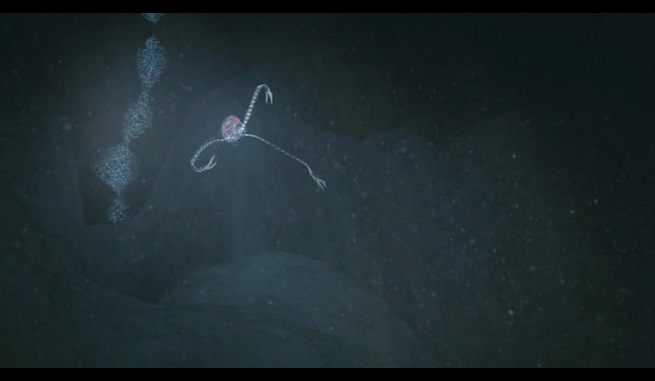
Na het ontstaan komt de fase van overleven waar voedsel voor nodig is. Dus moeten alienjagers zoeken naar plakken waar aliens voedsel zouden kunnen vinden. Water is onmisbaar voor al het bekende leven en water is overal in de ruimte te vinden. Bijvoorbeeld op Europa, één van de manen van Jupiter. Deze maan bevat bevroren water, want het is er min 165 graden Celsius. De ijslaag op Europa is wel 24 kilometer dik. Maar door de zwaartekrachtwerking wordt de maan gekneed als een bal klei, een proces dat warmte veroorzaakt. Wellicht zit onder de ijslaag vloeibaar water en daar zouden aliens kunnen wonen. Zwemmende aliens die geen idee hebben van wat er buiten allemaal gebeurt. Een missie naar Europa is prijzig, maar zal ongetwijfeld plaatsvinden in de toekomst. NASA heeft al concrete plannen.
Als de wetenschap breder wil kijken is dat lastig omdat planeten vaak moeilijk te spotten zijn. Dat vereist zeer geavanceerde technologie. De binoculaire Kech-telescoop met zijn dubbele negen meter grote spiegels is één van de krachtigste allertijden. Maar zelfs deze telescoop kan niet direct expoplaneten zien. Hij speurt naar sterren met waarneembare schommelingen. Vervolgens kan het licht van een ster uit een opname gefilterd worden, zodat een eventueel planetenstelsel van de betreffende ster waargenomen kan worden. In 1995 is de eerste exoplaneet gevonden en sindsdien zijn dat er veel meer geworden.
Hawking stelt dat elke levensvorm die fysiek mogelijk is vermoedelijk ergens bestaat in ons uitgestrekte universum. Er kunnen ook heel goed aliens bestaan die niet afhankelijk zijn van water, maar van andere chemicaliën. Contact leggen met aliens zal lastig blijven omdat de afstanden zo gruwelijk zijn. Per lichtjaar is een boodschap wel een jaar onderweg, en de meeste sterren liggen op honderden tot duizenden lichtjaren afstand.
Als aliens ons ooit komen bezoeken verwacht Hawking geen positieve uitkomst. Want als ze hier komen zijn ze net als wij geëvolueerd uit een soort die alles exploiteert. Als ze het vermogen hebben hier te komen zijn het zonder twijfel zeer intelligente ruimtenomaden die het verouderingsproces hebben weten stop te zetten. Mogelijk kunnen we zelfs de energie van een ster aanwenden om wormgaten te creëren waardoor ze enorme afstanden kunnen afleggen in no time.
Bestaan aliens? Ongetwijfeld. We hoeven maar naar onszelf te kijken om te beseffen dat er onwaarschijnlijke dingen plaatsvinden in het uitgestrekte universum. Bovendien is het wat arrogant (mijn woorden) om te denken dat we uniek zijn.