
Hebzucht, succes, neergang… Dit zijn de 10 finance films die je gezien moet hebben.
Door Jeppe Kleijngeld
10. Too Big to Fail (2011)
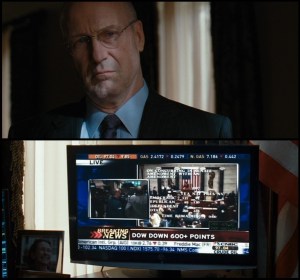
In deze geslaagde productie van HBO volgen we de hoofdrolspelers van de bankencrisis van 2008 op de meest cruciale momenten die de wereldeconomie heeft gekend in de afgelopen decennia. We weten hoe het afloopt, maar toch is het begin van de Grote Recessie in de VS een fascinerend schouwspel. Hank Paulson, voormalig CEO van Goldman Sachs en in 2008 staatssecretaris van Financiën, wordt geconfronteerd met een hele batterij falende banken en verzekeraars, waaronder Lehman Brothers en AIG. Nadat hij Lehman Brothers failliet heeft laten gaan, zal het niet lang meer duren voordat kredietverlening wereldwijd tot stilstand komt en de wereldeconomie volledig in elkaar stort. In een race tegen de klok moet Paulson samen met de overheid en Wall Street tot een oplossing komen voordat het ergste financiële armageddon aller tijden werkelijkheid wordt.
9. Boiler Room (2000)
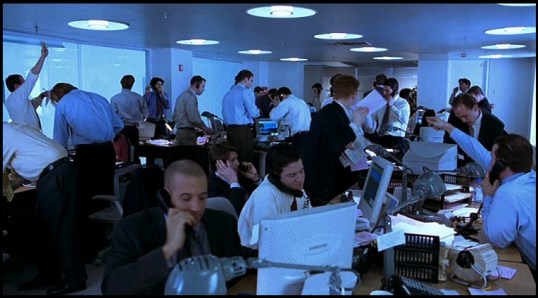
Realistisch beeld van een stel opgefokte beurshandelaren voor wie maar een ding telt: keiharde dollars. Seth, een ambitieuze, slimme en ondernemende jongeman krijgt een baan als trainee bij J.T. Marlin, een kleine firma in aandelenhandel die buiten Wall Street opereert. De recruiter vertelt hem en de andere trainees al bij binnenkomst: ‘als je hier komt werken ben je binnen drie jaar miljonair.’ Zijn nieuwe collega’s wonen in belachelijke huizen en rijden in Ferrari’s rond alsof het de normaalste zaak van de wereld is. Seth leert hoe de agressieve verkoop in zijn werk gaat, maar komt er al snel achter dat de handel van het kantoor geen zuivere koffie is en dat de FBI een zaak aan het opbouwen is tegen J.T. Marlin. Kan Seth – die inmiddels zelf ook klanten met waardeloze aandelen geruïneerd heeft – nog iets doen om zijn eer en toekomst te redden? Boeiende en spannende film die ook de kant van de slachtoffers laat zien van de oneindig hebzuchtige cultuur van de financiële sector.
8. The Big Short (2015)

De huizenmarkt bubbel in de VS is de grootste Ponzifraude aller tijden en het knappen van deze bubbel veroorzaakte de grootste financiële crisis ooit. Bij een financiële gebeurtenis van dit formaat zou je verwachten dat er door slimme beleggers op gespeculeerd zou zijn. En dat is inderdaad gebeurd, maar slechts door een handvol investeerders. De huizenmarktgekte had rond 2007 zulke extreme vormen aangenomen dat alleen een stel mafkezen kon inzien dat de bubbel zou gaan barsten. ‘The Big Short’ volgt deze vreemde vogels. Het begint bij de super autistische Dr. Michael Burry (Christian Bale) die als eerste in de gaten heeft wat er staat te gebeuren. Drie andere investeringsteams en een eenling volgen zijn vermoedens op met eigen onderzoeken en doen de meest schokkende ontdekkingen. Een stripper met zes hypotheken? Deze bubbel ZAL gaan barsten. Met een cast vol sterren (Ryan Gosling, Steve Carell, Brad Pitt) en een intelligent, vermakelijk en goed te volgen scenario, is ‘The Big Short’ de eerste film die de crisis echt voor een groot publiek toegankelijk maakt.
7. Barbarians at the Gate (1993)

De enige film die echt gaat over M&A (Mergers & Acquisitions) is een komedie over de corporate greed die in de jaren 80′ bizarre vormen aannam. Amerikaanse bedrijven staken zich voor een triljoen dollar in de schulden en de aandeelhouders werden stinkend rijk. De film – gebaseerd op het non-fictie boek van journalisten Bryan Burrough en John Helyar – vertelt de geschiedenis van RJR Nabisco, verkoper van sigaretten en voedsel (o.a. Orio koekjes). De CEO van het bedrijf F. Ross Johnson wil de aandeelhouders uitkopen middels een leveraged buy-out (schuld tegenover de assets van het bedrijf), een deal van 20 miljard dollar. Maar Johnson passeert daarbij Henry Kravis, de koning van de bedrijfsovernames en uitvinder van de leveraged buy-out. Kravis laat het er niet bij zitten en er ontstaat een agressieve en legendarische biedingstrijd. Hier worden de aandeelhouders rijker en rijker van, maar voor de 140.000 medewerkers ziet de toekomst er steeds somberder uit. ‘Barbarians at the Gates’ slaagt er goed in om aan te tonen welke spelletjes er soms gespeeld worden aan de bedrijfstop, ‘barbaarse’ praktijken die mijlenver afstaan van de gewone man en vrouw. Ook is het een mooi tijdsbeeld van het decennium van de hebzucht. RJR Nabisco is nog steeds exemplarisch voor de over the top private equity overnames van de jaren 80’.
6. Enron: The Smartest Guys in the Room (2005)
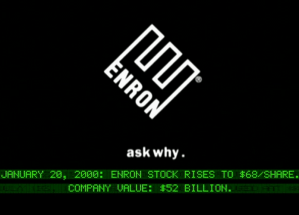
De gebeurtenissen in deze film hebben echt plaatsgevonden. Dat is moeilijk te geloven gezien de waanzinnige omvang van de bedrijfsfraude die de documentaire ‘Enron’ ons laat zien. Op zijn top was Enron de zevende grootste corporate van Amerika met een waardering van 70 miljard dollar. Investeerders liepen weg met het typische ‘new economy’ bedrijf, dat traditionele energiedienstverlening transformeerde in financiële instrumenten. Ze vonden pijplijnen maar ouderwets en zagen meer in een gedereguleerde optie- en aandelen markt voor gaslevering. Ondertussen flesten de bestuurders de boel met ‘mark to market accounting’ (winsten boeken terwijl er geen cent binnenkwam), schulden verstoppen in een web van dochterondernemingen buiten het zicht van beleggers om en een kunstmatig energietekort creëren en daar van profiteren. En de banken en accountants? Die profiteerden allemaal mee (accountantskantoor Arthur Andersen – dat failliet ging ten gevolgen van het Enron-schandaal – kreeg één miljoen dollar per week betaald om de bizar ondoorzichtige boekhouding goed te keuren). Het faillissement van Enron is dit jaar 20 jaar geleden, en is en blijft hét schoolvoorbeeld van hoe het in een bedrijf faliekant verkeerd kan gaan.
5. Inside Job (2010)

Door de wereldwijde financiële crisis die in 2008 in alle hevigheid losbarstte zijn miljoenen mensen hun spaargeld kwijtgeraakt, hebben mensen wereldwijd hun baan verloren en zijn talloze mensen – vooral in de Verenigde Staten – hun huis uitgezet en gedwongen in tenten te leven. Hoe is het zover gekomen? Deze vraag wordt beantwoord in de onthullende documentaire ‘Inside Job’. Consolidatie van de financiële sector (too big to fail). Ongereguleerde financiële producten, zoals derivaten. Accountantsfirma’s, rating agencies en toezichthouders die profiteren, maar niet ingrijpen… Alle oorzaken van de crisis komen voorbij en de maatregelen die NIET genomen zijn als respons op het falen. Het doel van regisseur Charles Ferguson met ‘Inside Job’ is simpel; de oorzaken en gevolgen van de crisis haarfijn uitleggen. Ferguson slaagt zeer goed in zijn doel, want de excessen die hij toont zijn zo wanstaltig dat ze je als kijker onmogelijk onverschillig kunnen laten. Daarmee is ‘Inside Job’ geweldig voor inzichtvorming, maar wel een film die je machteloos doet voelen.
4. Wall Street (1987)

De film ‘Wall Street’ van Oliver Stone is zinder twijfel dé finance film. De in brons gegoten citaten, zoals ‘greed’ — for lack of a better word — is good’, zijn misschien wel net zo bekend als ‘I’ll make him an offer he can’t refuse’ uit ‘The Godfather’. Toch staat de film niet bovenaan de lijst. Ooit – in de jaren 80′ – zou hij dat wel gestaan hebben, maar er zijn betere films verschenen sindsdien. Artistiek gezien is ‘Wall Street’ als film niet eens zo heel goed. Maar het Oscar-winnende optreden van Michael Douglas is zo legendarisch dat het de film ver overstijgt. Zijn Gordon Gekko is de vleesgeworden vertegenwoordiger van de hebzuchtcultuur van de financiële wereld uit de jaren 80′. Het tijdperk van de corporate raiders die bedrijven stuk maken gewoon omdat ze dat kunnen, en miljoenen verdienen over de rug van de duizenden arbeiders die door het financiële geweld het veld moeten ruimen. En laten we Charlie Sheen niet vergeten die – destijds pas 22 jaar – een glansrol neerzet naast Douglas. Zijn Bud Fox is het jonge, snel lerende broekie die, aangetrokken door de financiële genialiteit van Gekko, al snel al zijn familiewaarden verloochend voor het grote geld, de vrouwen en de cocaïne. Bijna 30 jaar na de release is ‘Wall Street’ nog altijd de klassieker waaraan iedereen als eerste aan zal denken als het gaat om financiële films. En daarmee is de vierde plek meer dan verdiend.
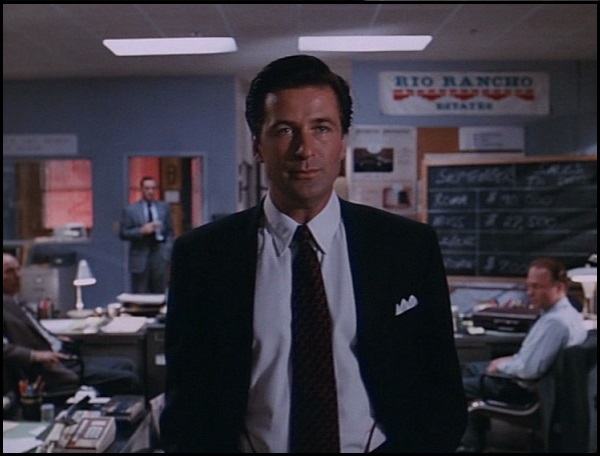
3. Glengarry Glenn Ross (1992)
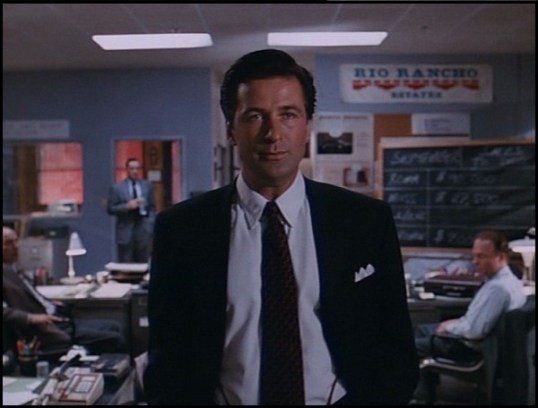
‘Put that coffeepot down! Coffee is for closers only. You think I’m fucking with you? I’m not fucking with you.’ In de keiharde wereld van onroerend goed – waar je bronzen ballen voor nodig hebt – gaat het maar om één ding: ABC – Always Be Closing. Voor de vier verkopers op een vastgoedkantoor loopt de spanning hoog op wanneer de bazen een Jack Welch-achtige maatregel invoeren: de topverkoper krijgt een Cadillac en de verliezer krijgt de zak. Volgens de verkopers hangen hun kansen echter samen met de kwaliteit van de leads die ze krijgen, en die is al een tijd beroerd (‘The leads are weak? You are weak!’). Er zijn wel goede leads – de Glengarry leads – maar die willen de bazen niet geven. Die zijn alleen voor echte closers. ‘Glengarry Glenn Ross’ is een zeer scherp geschreven en geacteerd verbaal spektakel. Met een topcast: Al Pacino, Ed Harris, Jack Lemmon, Kevin Spacey en Alec Baldwin, die laatste in een film-stelende openingsscene.
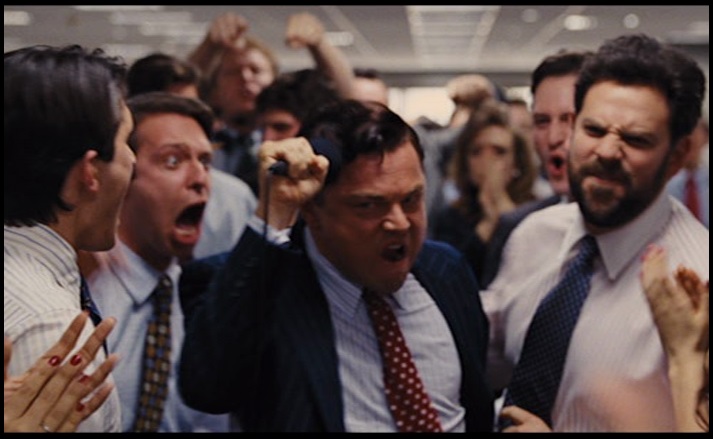
2. The Wolf of Wall Street (2013)

Het levensverhaal van self-made miljonair Jordan Belfort, wiens passie voor geld niet onderdeed voor zijn lust naar drank, drugs en vrouwen. Meesterregisseur Marin Scorsese heeft de biografie van Belfort op dezelfde wijze verfilmd als hij dat eerder deed voor gangsters (in ‘GoodFellas’, ‘Casino’ en ‘The Departed’): met razendsnelle montage, voice-over en de glamoureuze levensstijl van de hoofdpersonen centraal. Als economie de studie is van hoe mensen kunnen krijgen wat ze willen, is ‘The Wolf of Wall Street’ de studie van mensen die ALLES willen hebben en grotendeels ook krijgen, totdat uiteindelijk de FBI een einde aan het feestje maakt. Deze film zal niet ieders smaak zijn vanwege de belangrijke rol die de excessen en het wangedrag spelen, zoals cocaïnegebruik, prostitueemisbruik en dwergwerpen, maar als je er in kunt komen is het ongetwijfeld wel de grappigste film over de financiële wereld ooit gemaakt. Met Oscarwaardige rollen voor Leonardo DiCaprio en Jonah Hill.
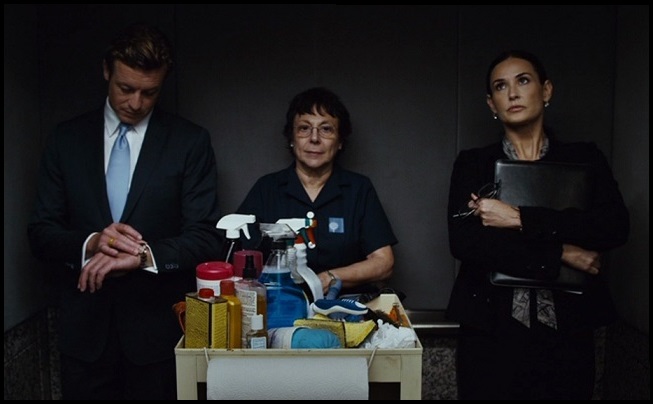
1. Margin Call (2011)

‘Margin Call’ toont ons de wereld van Wall Street voor de crisis van 2008, en zoals hij verbijsterend genoeg nog steeds is. De corporate schurken van tegenwoordig handelen in bizar complexe gedereguleerde financiële producten die de CEO’s van zakenbanken zelf niet eens volledig begrijpen. De film begint aan de vooravond van de grootste crisis ooit. Een risk werknemer ontdekt min of meer toevallig dat de financiële rommel (gebundelde waardepapieren) die ze op de balans hebben staan heel snel zijn astronomische waarde zal verliezen. Deze waardedaling zal het einde betekenen voor de investeringsbank. De Raad van Bestuur komt bij elkaar met aan het hoofd de meedogenloze CEO John Tuld (Jeremy Irons). Hij geeft aan dat dit de grote klap wordt voor Wall Street die hij al tijden ziet aankomen. Omdat hij toch wil blijven voortbestaan met zijn bank, geeft hij hoofd Sales Sam Rogers (Kevin Spacey) de opdracht een bliksemverkoop te organiseren. Hiermee hoopt hij alle rommel van zijn balans te krijgen voordat de concurrentie door heeft wat er aan de hand is…
‘Margin Call’ fascineert met een beeld van de financiële sector dat volledig accuraat voelt. De cultuur van deze bank, die prima model kan staan voor één van de bekende vijf (Merrill Lynch, Morgan Stanley, Bear Stearns, Goldman Sachs en Lehman Brothers) is giftig, maar voldoet wel steeds aan de spelregels van het kapitalisme. Dat maakt ook dat de grote slechterik van het verhaal eigenlijk niks verweten kan worden. Hij doet waar hij voor is ingehuurd door de aandeelhouders, breekt geen regels en verkoopt de giftige bezittingen aan handelaren als hemzelf. In een kapitalistische visie kun je het hem niet kwalijk nemen dat hij zijn informatievoordeel uitnut. Of dat hij een bonus opstrijkt van 86 miljoen dollar. Nee, het is niet ethisch, maar je kunt er niks aan doen als je het vrije markt principe ondersteunt. Verontrustende, maar geniale film.
Dit artikel werd eerder gepubliceerd op LinkedIn









 FRAGMENTEN UIT HET SCHEMERLAND