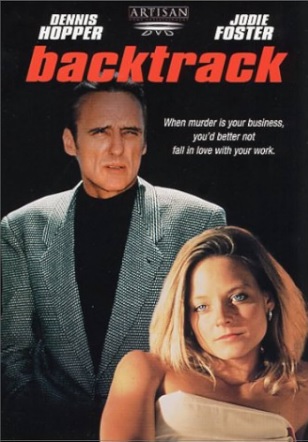
Backtrack (1990)


‘When murder is your business, you’d better not fall in love with your work.’

Directed by:
Dennis Hopper

Written by:
Rachel Kronstadt Mann, Ann Louise Bardach

Cast:
Dennis Hopper (Milo), Jodie Foster (Anne Benton), Joe Pesci (Leo Carelli), Dean Stockwell (John Luponi), Vincent Price (Lino Avoca), John Turturro (Pinella), Fred Ward (Pauling), Julie Adams (Martha), Tony Sirico (Greek), Sy Richardson (Capt. Walker)

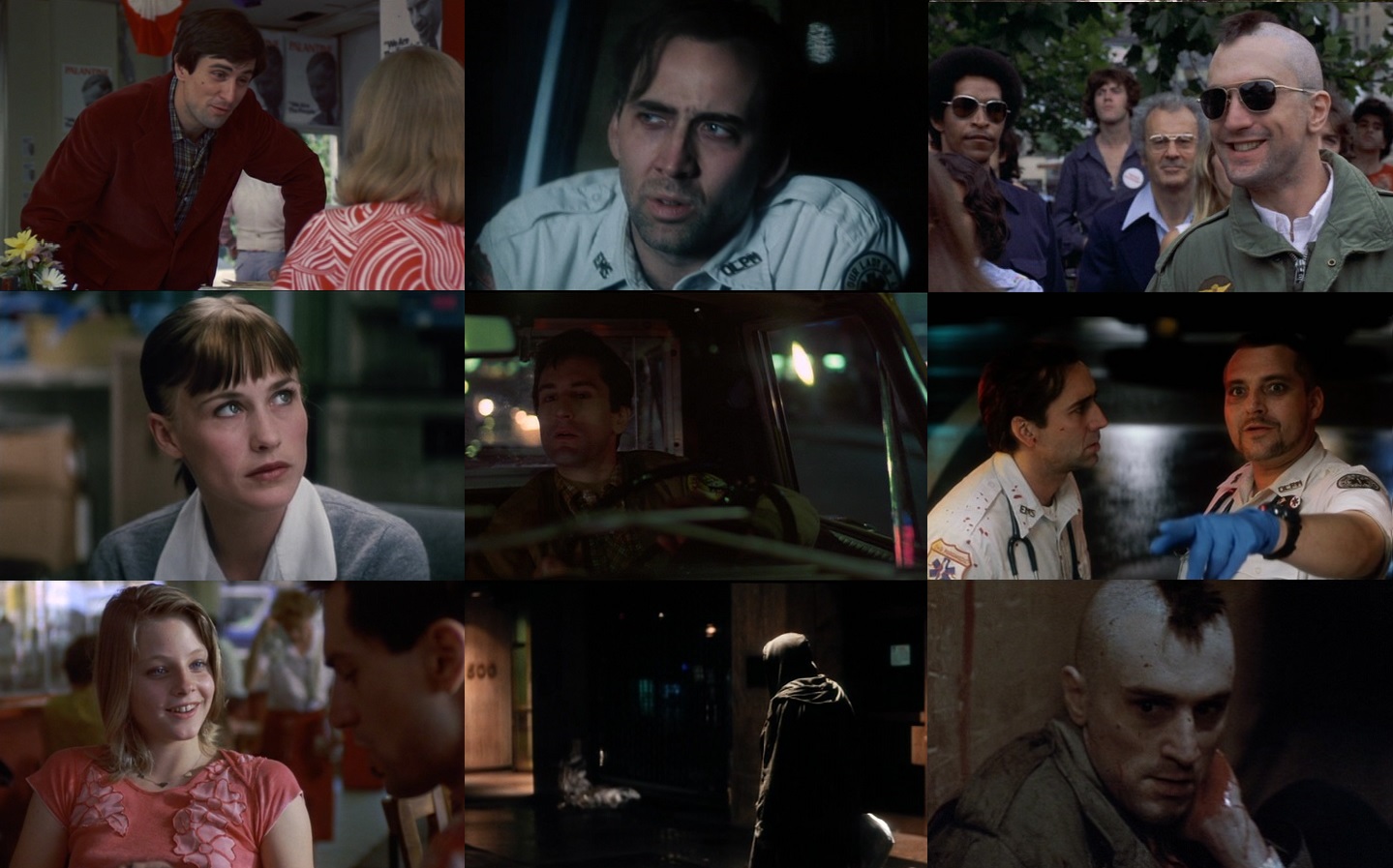
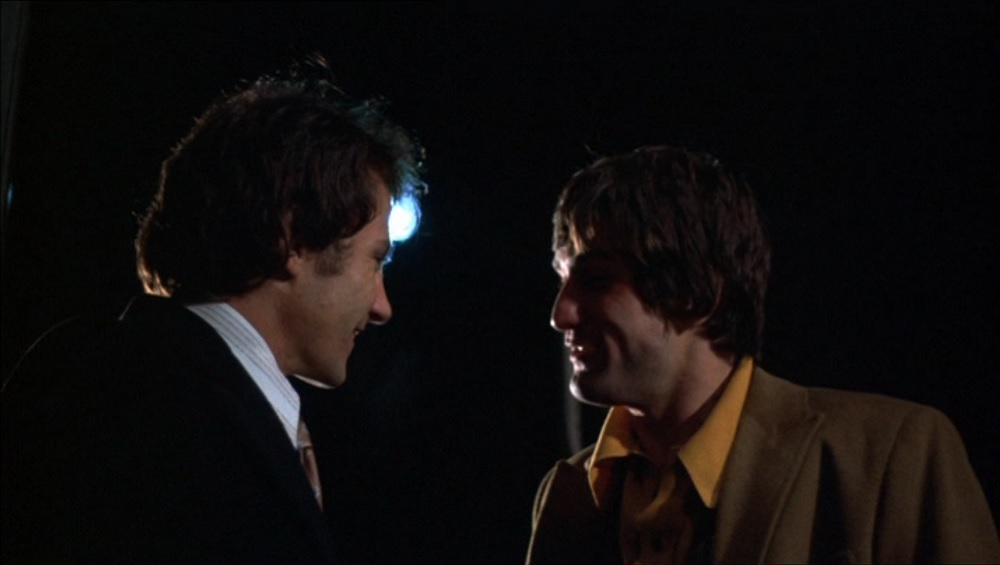
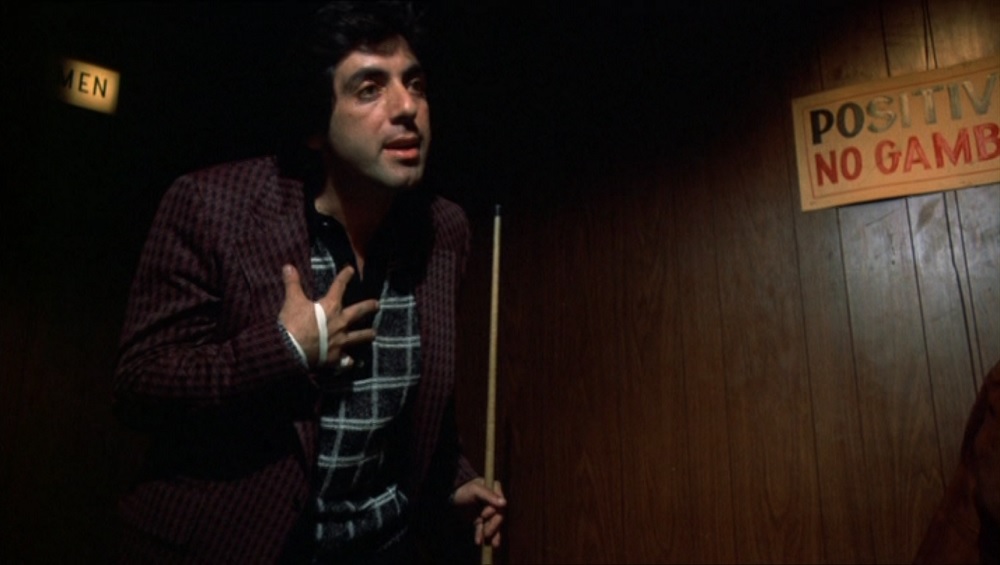
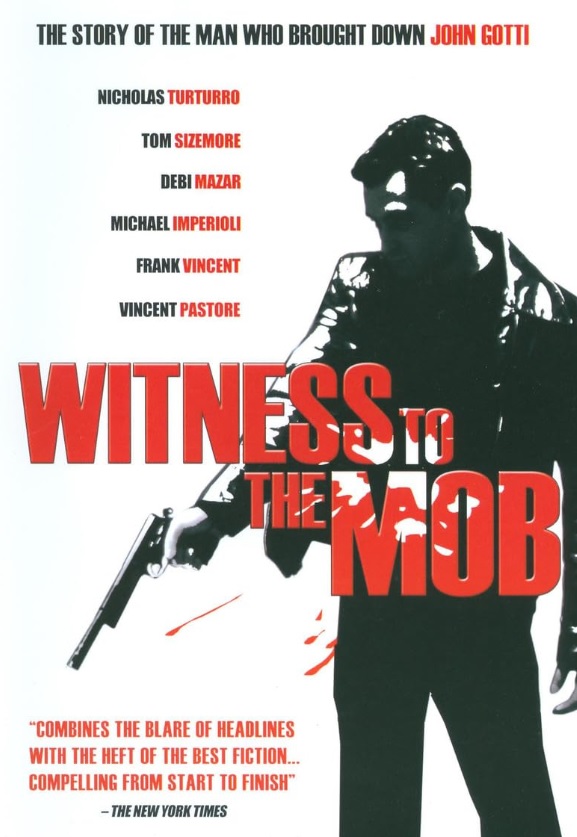
Alright, so this is quite a strange film by Dennis Hopper. It was originally released as Catchfire, but that version was apparently so bad that Hopper had his name replaced in the credits with the pseudonym Alan Smithee. Backtrack is the 18-minutes-longer cut made for cable TV, with Hopper’s directorial credit restored.

Jodie Foster plays an artist who witnesses a mafia murder. The mob – led by the explosive Leo Carelli (Joe Pesci, in the same year he gave his ultimate mobster performance in GoodFellas) – hires hitman Milo (Dennis Hopper) to silence her.

What makes it puzzling is the sheer amount of talent involved: Jodie Foster, Joe Pesci (uncredited, despite a substantial role), Dean Stockwell, John Turturro, and others. The film also features familiar faces like Charlie Sheen, Bob Dylan (!), and Tony Sirico (Paulie Walnuts from The Sopranos). Yet, despite this very impressive cast, no one is given particularly strong dialogue – not even the two leads.

The bigger problem is that the film never decides what it wants to be. Is it a tense thriller? An arthouse experiment? A romantic gangster film in the vein of Bonnie and Clyde? Or an action movie given that out of nowhere, there’s a helicopter chase? The tone shifts constantly, leaving the viewer wondering: what exactly am I watching? That question is never answered.

It’s also unclear what motivates Hopper’s character, Milo, a saxophone-playing hitman. He suddenly falls in love with his target, but why? And why does she start to reciprocate? Their relationship feels entirely unconvincing.

Originally, Hopper’s cut ran 180 minutes. It’s difficult to imagine what his true vision for the film might have been. The studio, Vestron Pictures, disliked his version and re-edited it without his consent. Hopper was furious and sued, but by then the company had already gone bankrupt.

In short, Backtrack is a curious film for many reasons, but unfortunately the final product simply doesn’t work. It’s a shame, given the remarkable cast, but the movie is proof that without a strong screenplay, even great talent can’t save the day.

Rating:

Quote:
MILO: “There’s something going on here that I really don’t understand. But I like it.”

Trivia:
The movie includes three Oscar winners: Jodie Foster, Joe Pesci and Bob Dylan; and three Oscar nominees: Dennis Hopper, Catherine Keener and Dean Stockwell.

The 15 Greatest George Harrison Songs

During his formative years as lead guitarist of The Beatles, George Harrison, often called the quiet and spiritual Beatle, developed himself as a successful songwriter in his own right, who worked in the shadow of songwriting canon Lennon-McCartney. He ended up writing some of the group’s most iconic songs, and then – post-Beatles – continued to add a number of classics to his repertoire as a productive solo artist. These are my 15 favorites.

15. Blow Away

Day turned black, sky ripped apart. Rained for a year ‘til it dampened my heart. Cracks and the leaks, the floorboards caught rot. About to go down, I had almost forgotten… Great opening lyrics, this title song and single from of his 1979 album ‘George Harrison’. This easy listening song became one of Harrison’s most popular recordings from his solo career, and it’s easy to understand why.

14. I Want To Tell You

This was the third track George added to ‘Revolver’, and thereby the first time he contributed more than two tracks to a Beatles album. The song is about the difficulty of conveying the emotions you experience during an acid trip. It’s the opening song of ‘Live in Japan’, the fantastic album made of the concert tour George did in Japan with Eric Clapton as his guitarist and band leader.

13. Piggies

‘Piggies’ is a social satire inspired by George Orwell’s ‘Animal Farm’. Great combo of classical music, baroque pop and absurd lyrics (pigs eating bacon). Unfortunately it was, along with ‘Helter Skelter, used by Charles Manson and his cult as a foundation for his race-related counter cultural revolution. Still, it remains a terrific song, and Harrison’s second best song on the magnificent ‘White Album’ in my humble opinion.

12. Living in the Material World

This song’s title was chosen by Martin Scorsese for his documentary about Harrison. It’s another one of his spiritual songs and the title of his follow-up album to ‘All Things Must Pass’. It’s a very memorable tune in which George describes the limits of knowledge we have in this state as living beings and the clearer picture that will emerge after death. John and Paul are also mentioned in the lyrics.

11. If I Needed Someone

Along with ‘Think For Yourself’, this was George’s contribution to ‘Rubber Soul’. He apparently wrote it for Pattie Boyd, with whom he wasn’t yet married in 1965. It was inspired by the sound of the American band the Byrds who George and John liked and who were clearly inspired by the Beatles. The ambivalent lyrics are quite beautiful, and ‘If I Needed Someone’ was at the time considered to be George’s best song at that point.

10. Within You, Without You

One of the three Indian songs George composed for the Beatles (the others are ‘Love You To’ and ‘The Inner Light’) and his only song on ‘Sgt. Pepper’s Lonely Hearts Club Band’. “I think that is one of George’s best songs”, John Lennon later said. “I like the arrangement, the sound and the words. He is clear on that song. You can hear his mind is clear and his music is clear.” It was recorded in Abbey Road Studios in London without the other Beatles, and features Indian instruments such as the sitar, a tambura and a tabla.

09. I Me Mine

In Peter Jackson’s ‘Get Back’ about the ‘Get Back’ sessions in Twickenham Studio’s, George arrives one morning, and he starts playing a new song he’s been working on for Ringo and some crew members. It is called ‘I Me Mine’. They like it and so do I. The lyrics point to self-centredness as part of the human condition. It was the last song The Beatles, somewhat ironically, recorded before they split up and went to do their own thing.

08. Cheer Down

‘Cheer Down’ was the closing song of the tremendous action film Lethal Weapon 2 in 1989. It was picked by George’s friend Eric Clapton, who was in charge of the music. The title of the song is attributed to Harrison’s wife Olivia, who told her husband to ‘cheer down’ when he would get too enthusiastic. He wrote it together with Tom Petty, and released it as a single with ‘Poor Little Girl’ as the B-side. It was the last such release by Harrison as a solo artist during his lifetime.

07. Tax Man

On The Beatles’ legendary album ‘Revolver’, George got the opening track with ‘Tax Man’. It was the first political song by the group, written as a protest against the progressive super tax of 95 percent the band had to pay at that time. It was introduced by Harold Wilson, prime minister and Labour Party leader, who is mentioned in the lyrics along with conservative leader Ted Heath. The fantastic guitar solo is played by none other than Paul McCartney.

06. What Is Life

‘What Is Life’ is one of the hit singles of ‘All Things Must Pass’, Harrison’s triple album which was released in november 1970 after the breakup of the group. Background musicians on the song include Eric Clapton and the Delaney & Bonnie and Friends Band. It became one of Harrison’s most popular compositions and showed the depth of his talents that had been hiding in plain sight behind Lennon and McCartney. The songs was used in the final segment of GoodFellas, the part in which Henry Hill’s life as a gangster goes off the rails.

05. Here Comes The Sun

And what is currently the most streamed Beatles-song? It’s not a Lennon-McCartney composition, but by far Harrison’s ‘Here Comes The Sun’. It is currently on 1.1 billions streams on Spotify. George wrote this pearl at Eric Claptons’ country house on an acoustic guitar while skipping a business meeting at Apple Corps headquarter about The Beatles’ business affairs. It became one of his signature songs and together with ‘Something’ formed his genius contribution to ‘Abbey Road’, the final album they recorded. The beautiful composition shows his maturity as a songwriter.

04. Something

This classic love song from ‘Abbey Road’ became Harrison’s first A-side single (it was released as a double A-side single together with Lennon’s ‘Come Together’). It is considered as a definite highlight of Harrison’s career. Lennon called it “the best track on ‘Abbey Road’” and it was later covered by a.o. Frank Sinatra, Elvis Prestley, Ray Charles and Shirley Bassey. After ‘Yesterday’ it is the most covered song by The Beatles.

03. While My Guitar Gently Weeps

Rolling Stone Magazine ranked this song seventh in their list ‘The 100 Greatest Guitar Songs of All Time’. And justly so! The guitar work (played partly by Eric Clapton uncredited) is sweeping. The words that started this composition – gently and weeps – were randomly chosen from a book George found lying around. This reflects the meaning of the lyrics that appear to be about randomness and – typical for George – universal love. Inspired by the Taoist concept that everything is relative to everything else as opposed to the Western view that things are merely coincidental.

02. Give Me Love (Give Me Peace On Earth)

I am a sucker for George’s spiritual songs and this is reflected in my choice for his greatest two songs. ‘Give Me Love’ (1973) became George’s second number one single in the US knocking McCartney’s ‘My Love’ to the second spot. It contains beautiful slide-guitar solos, and I love his passionate pleading to the Lord, asking to be freed from birth (released from the karmic cycle of birth, death, and rebirth). Don’t miss the beautiful live version from the ‘Live in Japan’ album.

01. My Sweet Lord

Why ‘My Sweet Lord’ is my favorite George Harrison song? Because the songs heralded the arrival of Harrison’s slide guitar technique, and I absolutely love the sound of the guitars on this song. The solo especially is marvelous. Also, George’s passionate singing is terrific, and those background vocals: LOVE THEM! Lennon didn’t like it much, commenting: “Every time I put the radio on it’s ‘oh, my Lord.’ I’m beginning to think there must be a God.” But maybe he was a little jealous that George became the first ex-Beatle to score a number-one single. Later in the 1970s, Harrison was found guilty to have subconsciously plagiarized the song ‘He’s So Fine’ by The Chiffons.

10 Reasons the Nineties’ Cinema Kicked Ass

I was a little young to realize what a terrific time for cinema the nineties were. Holy crap. Around forty percent of my favorite movies come from the nineties, including my number one of all time: GoodFellas. In this article, I will give you 10 reasons why the nineties kicked complete ass as a movie decade.

1. Tarantino’s Arrival
In 1992, a young film maverick silently arrived with Reservoir Dogs. Many viewers and critics were a little off-put by the violence and immoral characters, but yet loved the non-chronological storytelling, the brilliant dialogues and the awesome performances. The talent of this new writer/director named Quentin Tarantino was undeniable.

Two years later he blew critics and audiences away with his epic Pulp Fiction. Tarantino was for the nineties what Scorsese was for the seventies; a significant promise. And he delivered. The nineties saw him direct an excellent third movie, Jackie Brown (1997), and two of his screenplays were turned into memorable films: True Romance (1993) and Natural Born Killers (1994). In 1996 he also made From Dusk Till Dawn with another promising young director from Texas. Robert Rodriguez had debuted in 1992 with the low budget miracle El Mariachi which he followed up with Desperado (1995). A duo was formed…

2. It Was a Time to Thrill
The nineties was the decade of the thriller. Especially the detective versus serial killer genre flourished with The Silence of the Lambs (1991) and Se7en (1995). Of course these two spawned countless imitations, but none as good. Another excellent movie in the psychopath category is Rob Reiner’s adaptation of Stephen King’s Misery in 1990. That movie’s villain Annie Wilkes (played by Kathy Bates) is probably even scarier than Hannibal Lecter, Buffalo Bill and John Doe combined.

The nineties also had more than its share in fantastic crime thrillers. Top examples include Brian de Palma’s Carlito’s Way (1993), Luc Besson’s Leon (1994), Michael Mann’s Heat (1995), Brian Singer’s The Usual Suspects (1995) and Curtis Hanson’s L.A. Confidential (1997). Special mention in the Thriller department goes to Paul Verhoeven’s erotic contribution Basic Instinct (1992), an absolute classic in its genre.

3. Glory Days For the Coens
They already made an impression as independent filmmakers in the 1980’s. Both their debut Blood Simple and second feature Raising Arizona tasted like more. In the 1990’s they really became film-buffs’ favorites. Miller’s Crossing (1990) is a perfect take on Dashiell Hammett and possibly their finest crafted work. Later, this decade, they had a brilliant black comedy run with the unforgettable classics Fargo (1996) and The Big Lebowski (1998). These Coen Brothers are absolutely terrific.

4. History Can Be Fun
Sure, every period has produced great historical movies, but the nineties had a very impressive reaping in the War / History genre. Way above average to be sure. In 1990 a certain Kevin Costner brought the American frontier to the big screen with the Oscar-winning epic Dances With Wolves. It was a marvelous revitalization of the Western genre. World War 2 is also captured in several Oscar-winning pictures, most notably Steven Spielberg’s Schindler’s List (the ultimate WWII film), but also in Saving Private Ryan (also by Spielberg), La Vita E Bella (by Roberto Benigni) and The Thin Red Line (by Terrence Malick).

Another great war story is spectacularly told in Braveheart (1995), the bloody epic that showed that Mel Gibson is a highly competent director. A number of excellent historical biographies also saw the light of day, most notably JFK (1991, Oliver Stone) and Ed Wood (1994, Tim Burton). And last but least, Titanic (1997, James Cameron) and Forrest Gump (1994, Robert Zemeckis) came out and successfully combined fictional stories with historic events.

5. Great Stand Alone Triumphs
While many masterpieces made in the nineties are part of a larger oeuvre or movement, there were also loads and loads of standalone triumphs. Movies that seemingly came out of nowhere and surprised friend and foe. Below, I picked one of my favorites of these surprises for each year of the nineties. Choosing just one was very difficult in some cases…

1990 Edward Scissorhands (Tim Burton)
1991 Thelma & Louise (Ridley Scott)
1992 Hard Boiled (John Woo)
1993 Groundhog Day (Harold Ramis)
1994 The Shawshank Redemption (Frank Darabont)
1995 Toy Story (John Lasseter)
1996 Bound (Lana Wachowski, Lilly Wachowski)
1997 Boogie Nights (Paul Thomas Anderson)
1998 Festen (Thomas Vinterberg)
1999 Fight Club (David Fincher)

6. Harvest of Horror
O.k., so the eighties ruled in the Horror territory. That doesn’t mean the nineties sucked. What is so great about it then? Well, Wes Craven’s re-invention of the slasher genre with Scream (1996) and Scream 2 (1997) was a terrific postmodern treat leading to many new series, such as I Know What You Did Last Summer (1997), and new installments of old horror series like Bride of Chucky (1998). It goes without saying that some of these were better than others.

Abel Ferrara made a significant contribution to the genre with Body Snatchers (1993), a very effective remake of the classic Invasion of the Body Snatchers, and The Addiction (1995), a great original take on the vampire genre. Speaking of vampires, what to think of Bram Stoker’s Dracula (1992) by Francis Ford Coppola? It’s the best version since Tod Browning’s original from 1931.

The formidable Sam Raimi completed his magnificent Evil Dead trilogy with Army of Darkness, the funniest installment yet. Peter Jackson also combined humor and supreme gore in Braindead (1992) and also delivered The Frighteners (1996). Anything else? Certainly. A selection: Joe Dante’s Gremlins 2 (1990), Adrian Lyne’s Jacob’s Ladder (1990), Ron Underwood’s Tremors (1990), David Fincher’s Alien 3 (1992), Jean-Pierre Jeunet’s Alien: Resurrection (1997) and Taylor Hackford’s The Devil’s Advocate. Last but not least, Daniel Myrick and Eduardo Sánchez’s The Blair Witch Project (1999) spawned a new horror genre with its handheld camera. It’s also the first movie that successfully used the internet to create a hype.

7. The Brits are Back in Town
After a period of recession, the British film industry bloomed again in the nineties. Four Weddings and a Funeral (1994) launched the career of Hugh Grant and was a smash hit at the box office. In 1995 James Bond returned after a long period in the pretty awesome Goldeneye. What’s really great about British cinema in the nineties is the emergence of new talent though. The trio John Hodge, Danny Boyle and Andrew MacDonald made a terrific debut with Shallow Grave (1994) and followed it up with one of the best films of the decade: Trainspotting (1996). In 1998 Guy Ritchie was another positive British surprise with the very funny and exciting Lock, Stock and Two Smoking Barrels.

8. Scorsese Scores Big-time
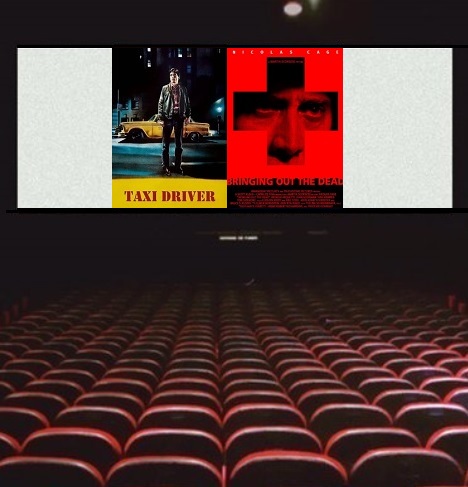
He delivered brilliant work in the seventies (Mean Streets, Taxi Driver) and eighties (Raging Bull). In the early nineties the maestro showed that he could deliver masterpieces in every decennium. He started by breaking all cinematic conventions in GoodFellas (1990), the greatest film ever made about the real Mafia. Then he made the highly influential thriller Cape Fear (1991) and the excellent costume drama The Age of Innocence (1993) before returning to the mob genre with the superbly realized Casino (1995). He ended the decade with the underrated Bringing Out the Dead (1999).

9. Indie Cinema to the Max
Tarantino and the Coens are already honored in this overview, but there are many other great independent American directors who made their entrance in the nineties or definitely established themselves as masters. In the debut department, we saw Richard Linklater arrive with Slacker (1991), Dazed and Confused (1993) and Before Sunrise (1995). Kevin Smith also made a super impression with the low budget comedy Clerks (1994).

Other indie directors delivered some of their finest work in the nineties. For instance, Jim Jarmusch made Dead Man (1995) and Ghost Dog: Way of the Samurai (1999), David Lynch made Lost Highway (1997) and The Straight Story (1999), Steven Soderbergh made King of the Hill (1993) and Out of Sight (1998) and Todd Solondz made Happiness (1998). If we could only go back to re-experience this richness in indie cinema again. Oh boy.

10. Sci-Fi is Booming
The early nineties saw Schwarzenegger star in two of the most kick-ass Sci-Fi / Action movies of our time: Total Recall (1990) and Terminator 2: Judgment Day (1991). The director of the first one, Paul Verhoeven, would write more sci-fi history in 1997 with Starship Troopers (1997). Other excellent movies in this genre that came out in the nineties are: Robert Zemeckis’ Back to the Future III (1990), Steven Spielberg’s Jurassic Park (1993), Terry Gilliam’s Twelve Monkeys (1995), Roland Emerich’s Independence Day (1996), Luc Besson’s The Fifth Element (1997), Paul W.S. Anderson’s Event Horizon (1997), David Cronenberg’s ExistenZ (1999) and Dean Parisot’s Galaxy Quest (1999).

The final year of the millennium also saw Star Wars return to the big screen, but Star Wars: Episode I – The Phantom Menace (1999) was not an all positive experience. It was another sci-fi film released in 1999 that formed the perfect transition into the new millennium: the cyberpunk story The Matrix by the Wachowski brothers (now sisters). An exciting (and very, very good) surprise hit and the greatest ending imaginable for a movie decade that completely rocked.

Did You Notice This ‘GoodFellas’ Reference in ‘Killers of the Flower Moon’?

The latest Scorsese is out! Let’s not hope it is his final film, but if it is, it’s a great one and it contains all the elements of a typical Scorsese movie: criminal conspiracies, the founding myths of America, sin and morally corrupt men… they are all there.

If you know Scorsese’s oeuvre, you might have thought about his other movies during the viewing of ‘Flower Moon’. I certainly did. There was one reference in particular that caught my eye. Logically, since I have seen GoodFellas probably more than 30 times, so I couldn’t miss this reference.

At the end of GoodFellas, protagonist Henry Hill (Ray Liotta) decides to join the witness protection programme and testify against his former superiors James Conway (Robert De Niro) and Paul Cicero (Paul Sorvino). In the scene before the final scene, Hill is in court and he is asked by the prosecutor to point out Conway and Cicero for the jury. Hill does and the prosecutor says:

“Your honor, please let the record reflect that Mr. Hill has identified the defendant James Conway.”

In Killers of the Flower Moon, De Niro’s role is similar to James Conway, since his character – William Hale – is like Conway, leader of a major criminal conspiracy.

Towards the ending of ‘Flower Moon’, Leonardo DiCaprio’s character Ernest Burkhart is testifying against Hale in the Osage murder trial. And when I saw De Niro sitting there in the courtroom, I knew it was coming. And yes, Burkhart is asked to point out Hale and surely the prosecutor says:

“Your honor, please let the record reflect that Mr. Burkhart has identified the defendant William Hale.”

Nice one, Marty!