By Jeppe Kleijngeld
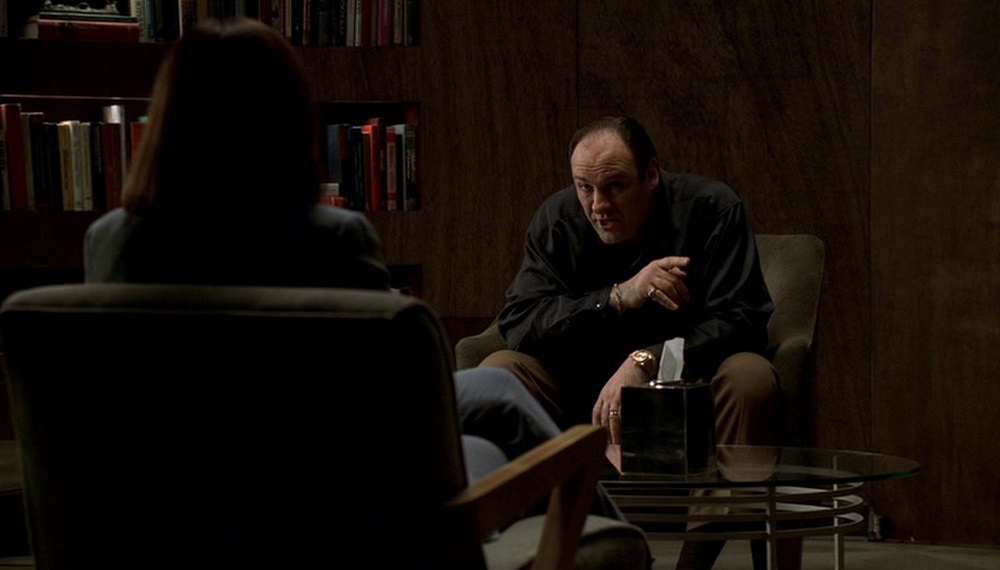
 In 1999, a mobster walked into a psychiatrist’s office and changed television history forever. The Sopranos was a revolution because it taught us that television can be just as good as cinema. Many of the 86 episodes that would eventually be produced are as brilliant as the best five star movies.
The show’s creator, David Chase (an Italian-American originally named DeCesare), wanted to achieve a number of things with the show. It had to be entertaining; he and his friends would have to enjoy it. It had to be set and filmed in the state he grew up in: New Jersey. And it would have to feature local Italian-American actors to make the portrayals as real as possible. Thematically, the show was mostly about realising the American dream and achieving happiness in the modern era. A time in which many Americans feel that the best is over.
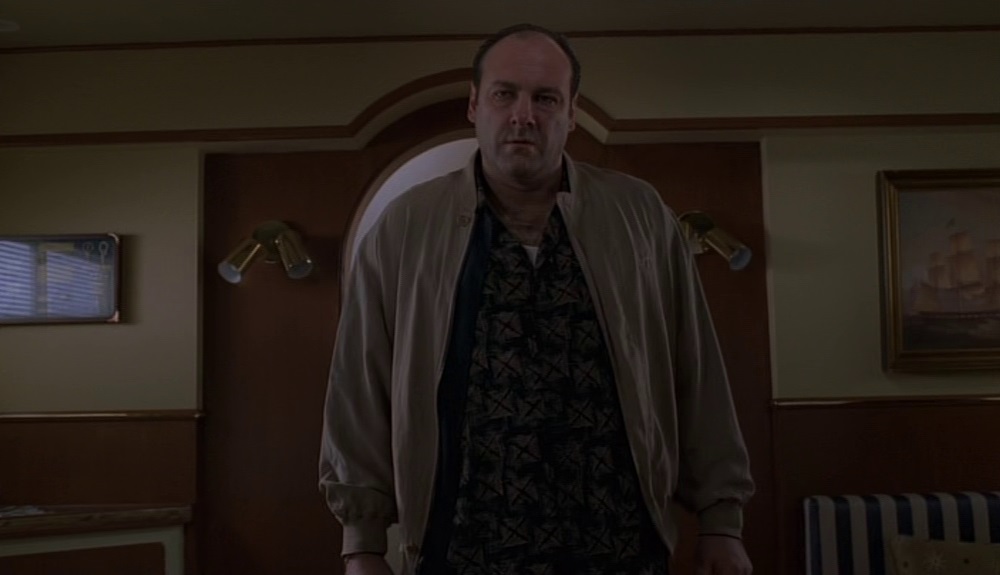
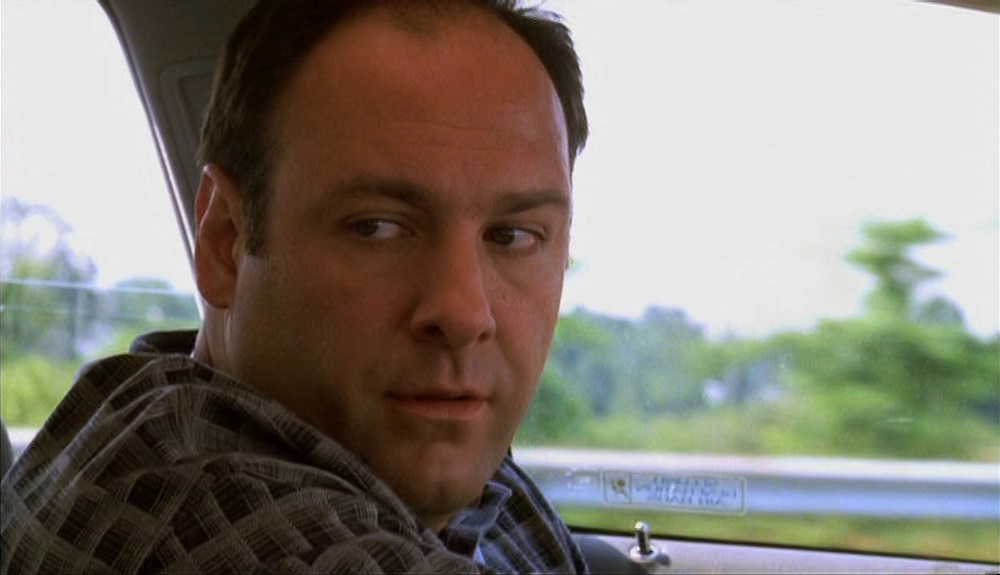
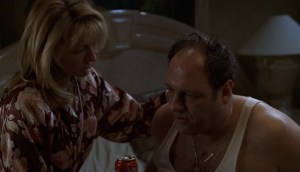
At the centre of the Sopranos-universe Chase placed a character that might never be surpassed in how three-dimensional, how larger-than-life and how monumental he would be written and performed. The late James Gandolfini made Tony Soprano the anti-hero of all anti-heroes, and the most memorable lead for any tv-show before or since. James Gandolfini really delivers a Marlon Brando/Vito Corleone kind of performance. The beauty is: this is 86 episodes, so the depth he is able to create for this character is nothing less than astonishing.

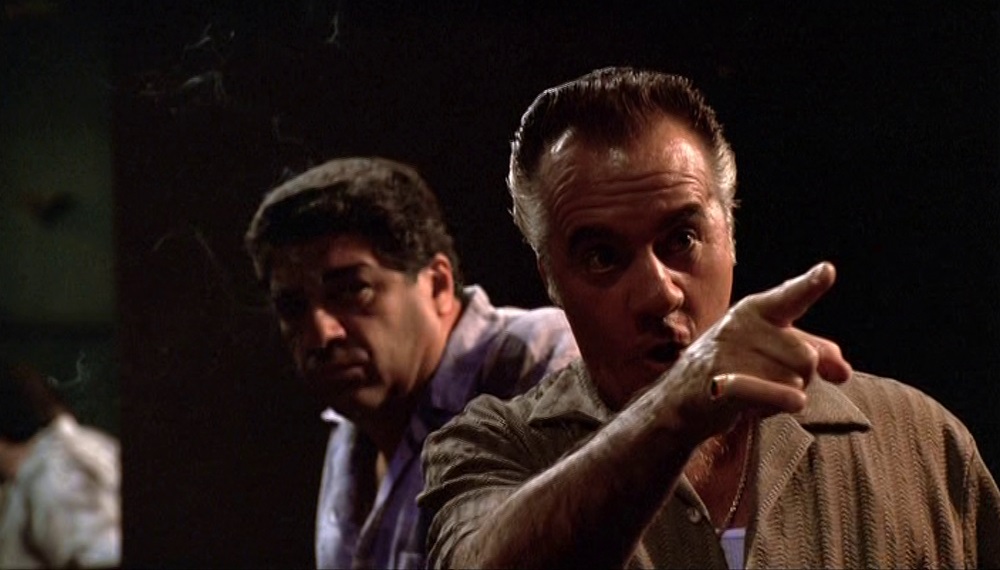
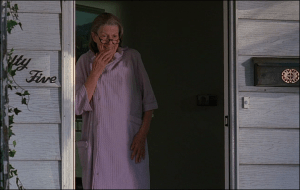
Chase had always been a big fan of gangster movies like The Godfather, GoodFellas and the old James Cagney classics, and decided it would be interesting if the main character – originally named Tommy Soprano – would be a New Jersey wiseguy. This had never been done before. Gangster films are mostly set in New York, L.A., or Chicago, so this would be a big differentiator of the show. The Jersey suburbs and wastelands would form a very interesting canvas against which the characters would perform their outrageous, damning and often hideous acts. Beyond every envelope Tony receives from one of his underlings, there is a story of pain and suffering. Like the time when mobster Paulie suffocates an old lady with a pillow to get his hands on some cash.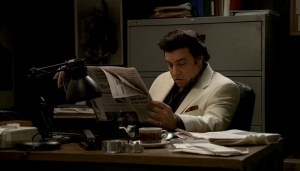
Not only would the main character be a mobster, he would be a mobster in therapy. Tony starts going there from the pilot onwards to deal with panic attacks, a condition that resulted from growing up with a wiseguy father and batshit crazy mother. Chase’s own mother, a terribly negative and dysfunctional woman, formed the inspiration for Tony’s mother Livia. Fantastically portrayed by Nancy Marchand, Livia would become the most famous villainous mother character in television history. She would also be key to one of most incredible storylines of the show, the one in which Livia – together with Tony’s uncle Junior – tries to have her own son whacked for putting her in a nursing home. This is a comedy. But a very intelligent one.
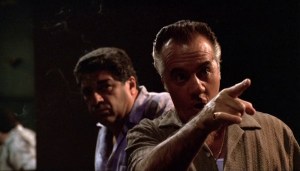
It is no surprise that The Sopranos instantly became my favorite tv-show ever, if you know that GoodFellas is ever since its release my all-time favorite movie. The Sopranos is – in a way – 86 episodes of GoodFellas-style quality viewing. But it is by no means a rip-off. What the two productions have in common is that they portray the lifestyle of the street level wiseguy. And in both cases it becomes quickly apparent that there is nothing remotely glamourous about these lifestyles. The Soprano family in New Jersey make their money by offering ‘protection’ to businesses (mostly the garbage industry) against other gangsters looking to rip them off. They also lend money to gambling addicts at ridiculous interest rates. And they always make their money through (the threat of) violence.
Mobsters are capable of this vicious behaviour because they lack empathy. They don’t mind ruining a guy’s life or murdering him if that can make them a quick buck and they can get away with it. It is this psychological aspect of the gangster’s life that gets a lot of attention in The Sopranos and it’s fascinatingly done. As an audience, you’re spending a lot of time in the company of killers. The thing is, these guys are really funny and it’s extremely entertaining to see how they go about their daily business and what their private lives look like. Therefore as a viewer, you often forget what they are really about. And then, time and again, you’re confronted with savage behaviour and brutal violence often aimed at the unlucky and innocent.
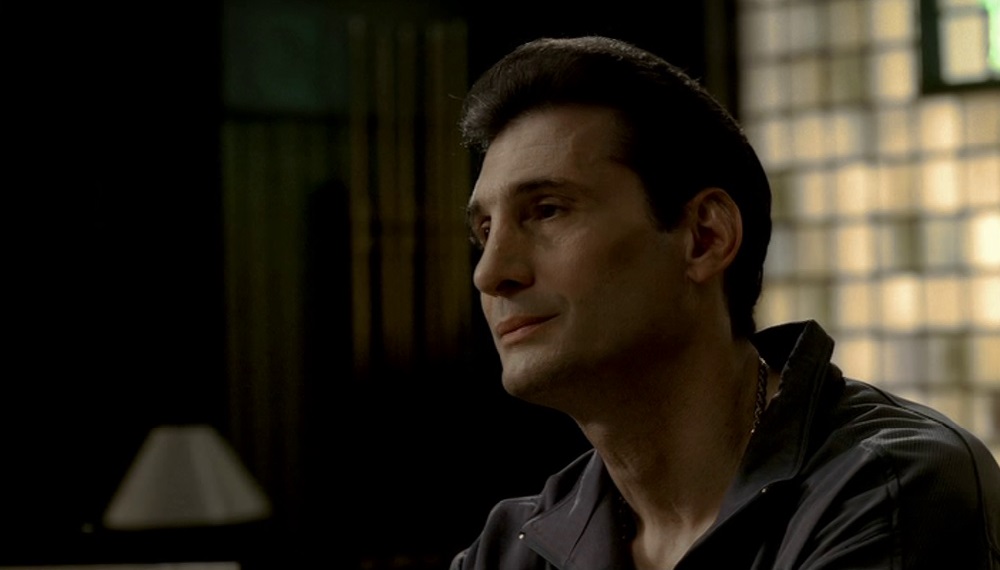
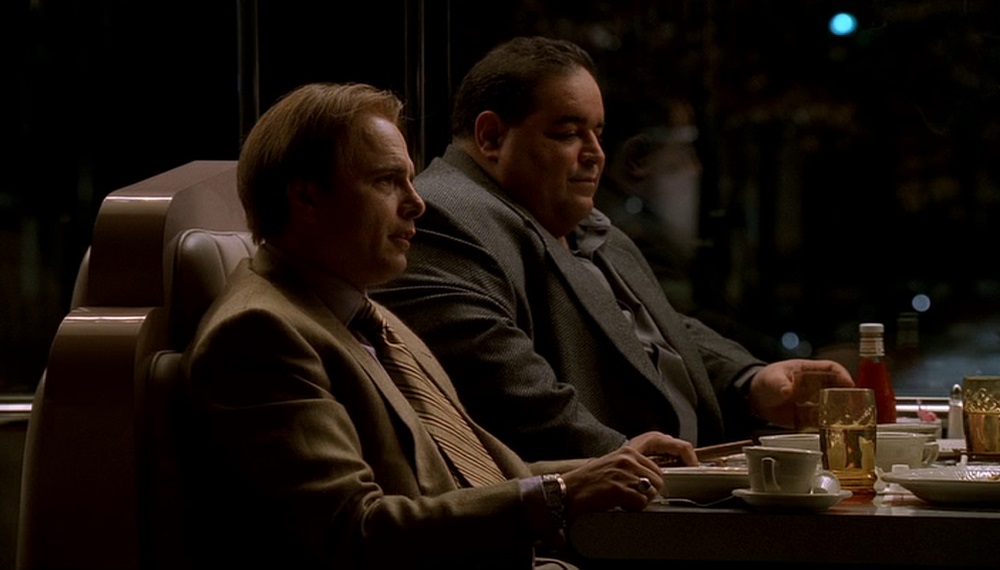
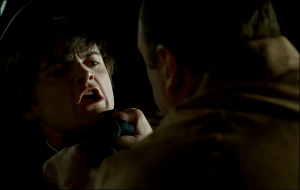
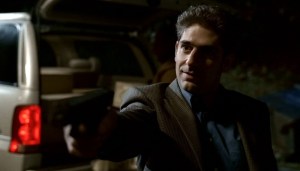
The main characters of this show are thus all sociopaths capable of terrible deeds. Even their wives lack empathy. How else can they stand being around these guys for so long? The very first episode already shows us who these people really are. The young mob wannabe Christopher (Michael Imperioli), who wants to prove himself, murders a guy just to hang on to some stupid garbage scheme. And Tony purposefully hits a degenerate gambler with a Lexus and then savagely beats the crap out of him. The casual way this violence occurs should tell us: This is what these guys do, have been doing, and will forever be doing. It is really bad and will get worse. How can they cope with it and how should we as viewers? The show doesn’t judge, but just shows us these characters for what they are. We are the moral judges ourselves.
According to Michael Rispoli – who was in the running for playing Tony and ended up playing Jackie Aprile – the pilot script already had the brilliance built into it. He was therefore not surprised at all that it became a hit. There were so many ways you could go with this story. And he was right. Chase and his very talented writing and production team really went for the best cinematic quality they could accomplish.

After the pilot was shot in 1997, HBO ordered a full season which was shot in 1998 and premiered on the pay channel in 1999. It became a huge success. Audiences, in that first year 10 million viewers, loved it and became instantly hooked. The first season, which might very well be considered as a 13 episode mega movie, is an absolute masterpiece. In an early review in 1999, The New York Times wrote it may just be the greatest work of American popular culture of the last quarter century.
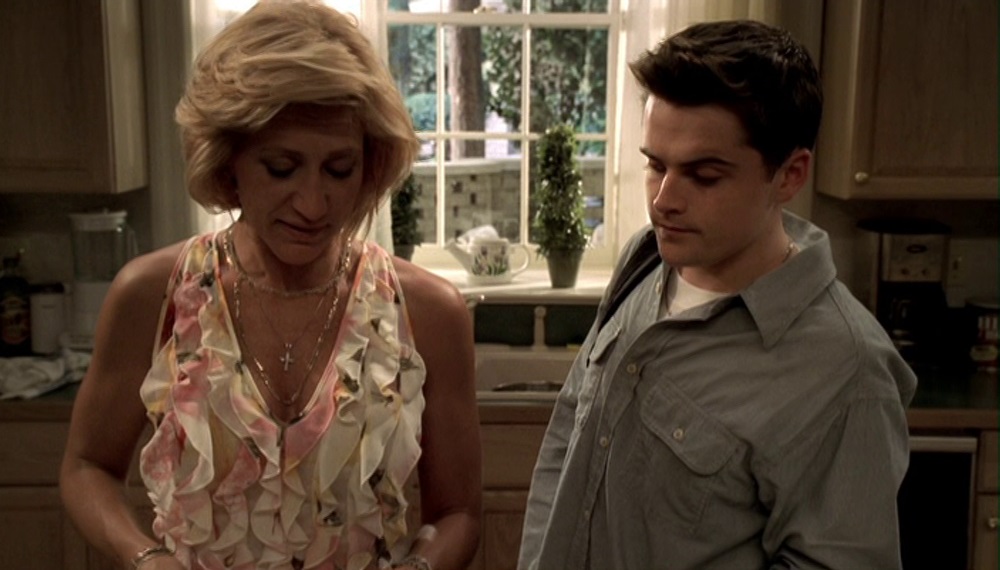
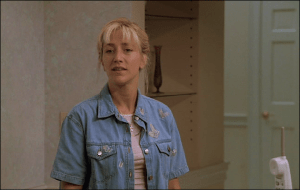
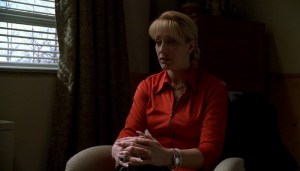
What was a very smart move by creator Chase – who had worked before as writer/producer on such shows as The Rockford Files and Northern Exposure – was to include elements that a wide audience would enjoy: Tony’s ‘normal’ family life with his wife Carmela (a fantastic Edie Falco), interactions with non-criminal locals in New Jersey, the modern Italian American lifestyle and the very realistic therapy scenes. But by making Tony a depressed arch criminal who enjoys beating and killing rivals, he added dimensions that make the show much more layered than the sitcom audiences were used to: The Sopranos is so rich and accomplished in its writing that you can watch it five times and still find it immensely enjoyable and discover new details every time. Even in what is considered one of the worst episodes of the series – ‘Christopher’- there are classic moments. Like the mobsters sitting on their asses in front of the pork store complaining about Native Americans. “When did we ever get anything without having to work our asses off?” says Vito dead serious. “I would like to sit on my ass all day, smoking mushrooms and collecting government checks”, says Bobbie. And this happens after the episode ‘No Show’ in which the crew gets paid for doing absolutely nothing whatsoever. These characters…..

After the extremely positive reactions to the first season, Chase and his teams went for an even better second season. When I viewed the Season 2 finale – ‘Funhouse’ – for the first time, I knew right away: this is an entirely different league than anything that I have seen before on the small screen. It can comfortably compete with the best of Scorsese, Kubrick, Tarantino and Coppola. Yes.
Rather than copying the proven formula of the previous season or successful episodes, they took the show in a new direction every time. The first season centered mostly around the power struggle between Tony and his uncertain uncle Junior (a brilliant turn by Dominic Chianese). It famously ended with Tony surviving an assasination attempt orchestrated by his mother and uncle, and then becoming the new boss of New Jersey. A major plotline in the second season is Tony’s friend and associatte Pussy’s betrayal to the feds. When his own best friends are forced to murder him in the final episode, it becomes ever more clear that they will have to make very costly sacrifices to maintain their lifestyles.

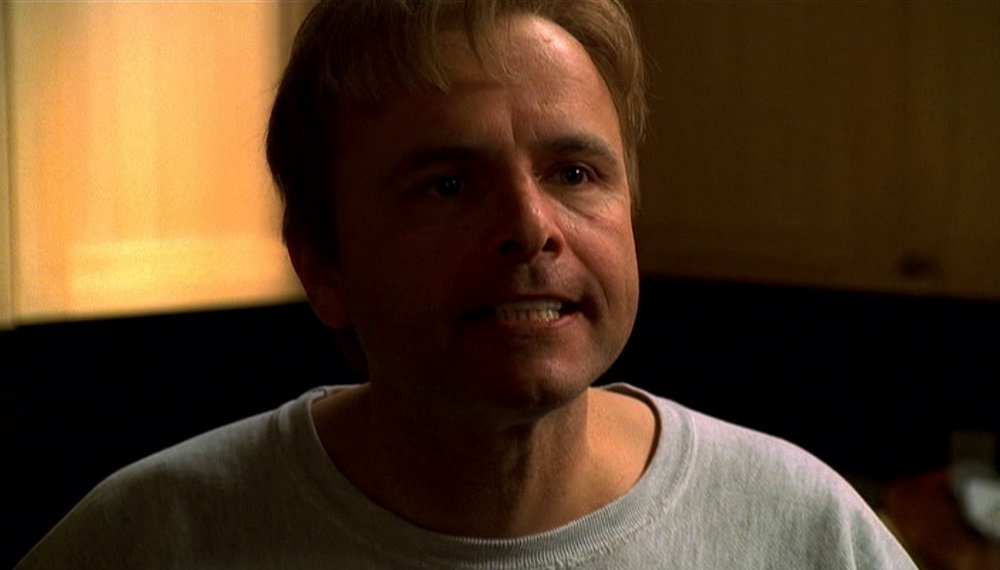
Season 3 starts with Livia’s death (due to the death of the actress who portrayed her) and the feds increasing their efforts to bring down Tony. Had Livia been around she would have played a major role in season 3. Instead, three new volatile characters are introduced: Jackie Jr., the dumb son of the deceased old boss of the Family Jackie Aprile, Ralphie (Joe Pantaliano), the craziest mobster ever, and Gloria (Annabelle Scoria), the new borderline love interest of Tony who can be considered as a temporary replacement for Livia (along with Tony’s crazy sister Janice who was introduduced in season 2).
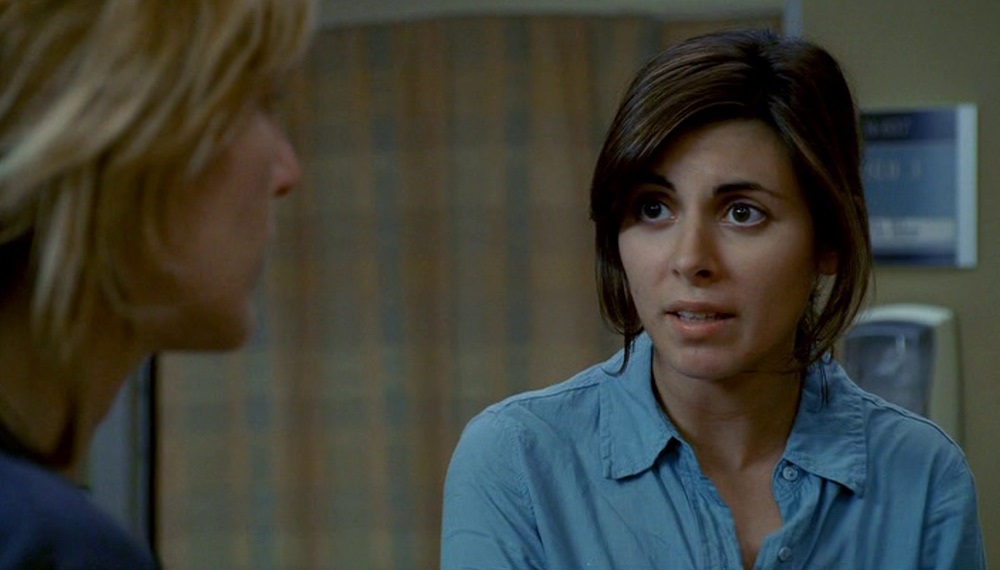
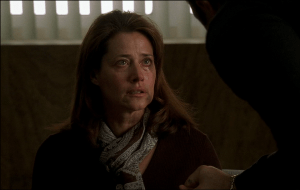
Halfway through the season, the makers confront us with two shocking episodes. In ‘Employee of the Month’ – Tony’s psychiatrist Dr. Melfi, the only moral character apart from Charmaine Bucco, is brutally raped and due to mishandling of the evidence, the rapist is released. Rather than putting Tony on the rapist, Melfi stays true to her personal values. Not since The Godfather has the delivery of a simple “no” made such an impact. In ‘University’, like in ‘College’ in season 1, it is the audience that is getting schooled. In this incredibly hard to watch episode, we witness Ralphie beat a young prostitute – and mother to a young boy – to death because she insulted his ego. As disturbing as the act itself are the crew’s reactions to the violation (‘she was just a whore’ and ‘he disrespected the Bing’). These are the guys we enjoy so much watching. It’s like the relentless psychiatrist Dr. Kwakower tells Carmela halfway through the season: ‘You can never say you haven’t been told’.
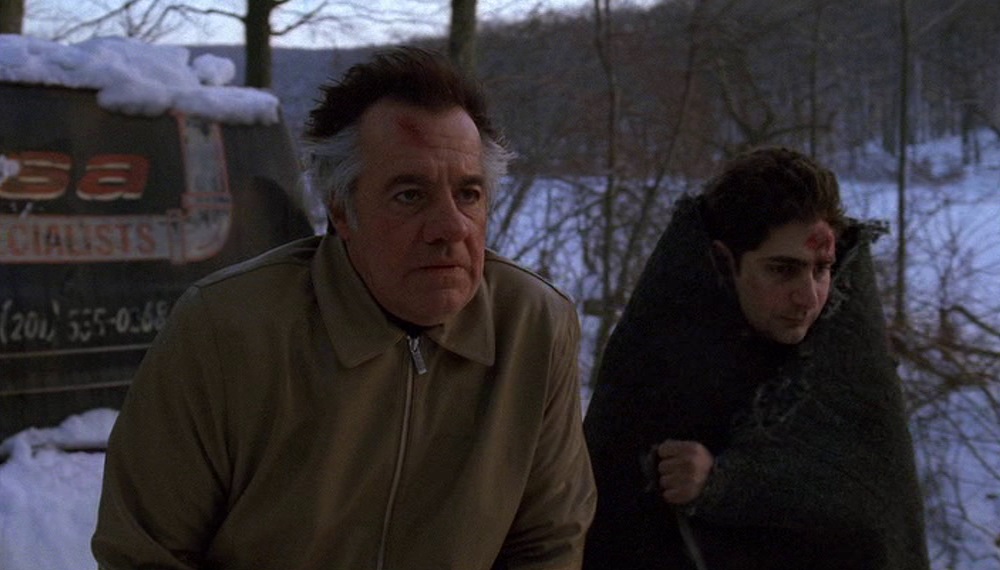
The season ends with the hilarious ‘Pine Barrens’ in which Paulie and Christopher – the Maffia’s own Cheech and Chong – get lost in the woods. Two characters get a resolution this season. Tony uses mobster Patsy to end the affair with Gloria (“my face will be the last you’ll see, not Tony’s. We understand each other? It won’t be cinematic”) and Jackie Jr. gets killed after pulling an incredibly stupid robbery on a made guy’s card game. Villain Ralphie surprisingly survives the season, only to get killed off in the ninth episode of season 4 right after the makers manage to evoke sympathy for the character. That season’s final shock is the disintegration of the Soprano marriage. The final episode ‘Whitecaps’ features some of the greatest acting ever in a television show between James Gandolfini and Edie Falco who both won an Emmy Award for Best Lead in a Drama Series.
In the fifth season, things are really turning dark and the show – inevitably – becomes harder to watch. The season showed us that no one can escape Tony Soprano. Both Carmela and Tony’s cousin Tony B. (Steve Buscemi) find this out the hard way. The only character to ever pull this off is Furio, who fled the country in season 4 after losing respect for his boss because of the way he treated Carmela, the woman he fell in love with.

After Pussy had to go in season 2, another major character is killed off in episode 12 ‘Long Term Parking’. Christopher’s fiancée Adriana La Cerva (Drea de Matteo) was talked into cooperating with the feds in season 3 and in this shattering episode, she meets her tragic demise. Imperioli’s and De Matteo’s stellar acting earned them both an Emmy for this season. At the end of season 5, a war with the much more powerful New York Family is averted and its new boss Johnny Sack is pinched by the feds. Tony buys his way back into Carmela’s life by giving her a spec house. And finally, he murders his own cousin to appease the New York mob.
The first part of the final season starts off with a shock. Tony is shot by his demented uncle Junior and nearly dies. During his coma, he travels to another domain of existence in which he leads an alternative life as heating system salesman Kevin Finnerty. After his awakening, he briefly has a more positive outlook on life. But in this depraved world, we learn once again that no one, not even Tony himself, can escape it.

And so, the bulldozer Tony continues on his destructive path through Jersey leaving loads of misery (and corpses) in its path. “You’ve caused quite some suffering yourself, haven’t you?” Dr. Melfi confronts Tony at one point. But there is really no point in trying to get through to this narcissistic sociopath. No point whatsoever. At the end, Melfi realises this too and kicks him out of therapy. But not before he causes even more misery. Like his mother before him.
In Season 6 B – the final 9 episodes – Tony alienates even his closest friends and associates. Even more disturbingly, he becomes more and more like his evil mother. In the first episode ‘Sopranos Home Movies’, he enjoys telling his sister Janice a horrible story about a child drowning just to upset her (which succeeds perfectly). He also sends his brother-in-law Bobbie out to murder somebody just to get back at him for some petty beef. And he sinks even lower in episode 6 ‘Kennedy and Heidi’. In this very dark episode he suffocates his own nephew Christopher after a car crash. He may have had reasons to do so, it is still a definite damnation of his soul.

The final season doesn’t end with Tony searching for redemption like Michael Corleone in The Godfather: Part III. In fact, like Alan Sepinwall and Matt Zoller rightly observed in their terrific book ‘The Sopranos Sessions’, in the final scene it seems that everything that has transpired barely made a dent in this guy’s thick skull.
In the final season, everything is building towards that final moment in which Tony and his family are, like in the season 1 finale, in a restaurant (a final analysis of the ending can be found here). It is a quantum mechanical ending in the sense that it is all things at once. It is a death scene and not a death scene. There seems to be threats and everything seems to be cool. The family is together and not together (we never see Meadow enter). Tony got away with everything (Phil is dead), but is also in deep shit (Carlo is testifying). What will occur after the screen goes black? We can only ask ourselves. David Chase – the artist – said that he just wanted to show that life is precious and the ending can come for all of us at any time. Then he uses a quantum mechanical term: the probability that someone like Tony would get killed is of course much greater than the average person. What ending will be manifested? That is up to the viewer.
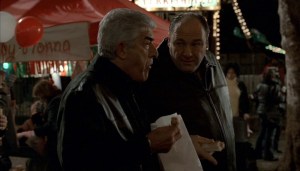
Life itself caught on to the ending in an ironic way when the ending for James Gandolfini indeed came out of nowhere. May he rest in peace. And so, the legendary show, that ended so legendary in 2007, gave us a real life shock six years later when Gandolfini departed.
It is now 2021 and the show is still ‘alive’ in every way. Two prominent actors of the series – Michael Imperioli and Steve Schirripa – started a podcast ‘Talking Sopranos’ which features many cast and crew members, including Lorraine Bracco, David Chase, Dominic Chianese, Steven van Zandt, Terence Winter and Vincent Pastore.
For those – like me – who still can’t get enough, this is a blessing. Even better, in October the long awaited prequel The Many Saints of Newark arrived in cinemas. Most television shows are quickly forgotten after release, but I am pretty confident that The Sopranos will be around for a very long time. Like the music of The Beatles or the plays of Shakespeare, it is a timeless piece of art.
In Talking Sopranos, Imperioli, Schirripa and many of their guests reflect on what a unique experience the making of this show has been for them. Never before or after, did they enjoy working on a production that much. What they describe is the magic that happened when this show got made. I immediately felt it when I started watching: this is something truly special. And now, 20 years later, I realise all the more that this was really a rare thing. That something comes together so well. Like with The Beatles, it was unbelievable that four musicians so talented found each other and were able to pull it off. In The Sopranos, the brilliant original vision of the creator found the perfect cast and collaborators to bring it to the screen, and – let’s not forget – the perfect platform in HBO to put it out there. I don’t expect to see anything like this anytime soon, but like The Beatles, I can always go back and revisit the series anytime and experience the magic once again.