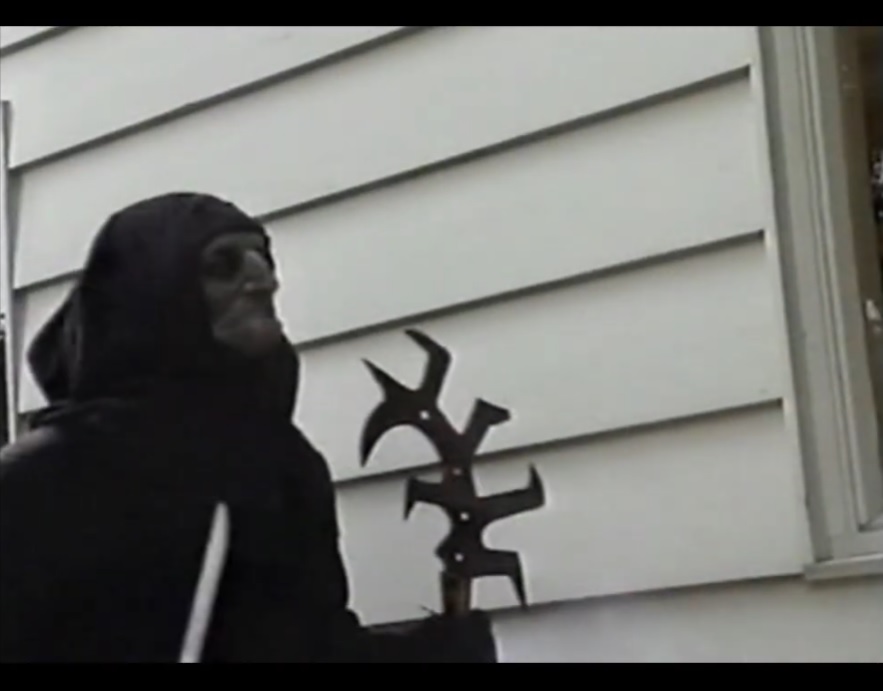
A JK Classic Re-Release: Brains For Breakfast (2000)

On my YouTube channel, Jeppy’s Video Circus, I usually post short videos in three categories.

The first is pop culture features, like Schwarzenegger’s 100 Greatest Kills and Ranking the Top 100 Beatles Songs.

The second is experimental shorts, such as Passenger and Light Parade.

The third category is amateur movies I made during my childhood, including A Bad Trip and Nicky and Mugs.

I’ve just released another one called Brains For Breakfast and this one might be my favorite.

The Amateur
The unfinished video was shot in 2000, about halfway through my five-year stretch as an amateur filmmaker.

That period began in 1998, when my buddy Jean-Marc and I took a two-week videomaking course in Charme, France, taught by the Amsterdam-based Open Studio. They taught us the basics of filmmaking: camera work, directing, editing, screenwriting – the whole package.

The following year, I shot a number of shorts with my friends in Heiloo, including Nicky and Mugs and A Bad Trip. Many unfinished projects from that time still live in the dusty archives of my desktop.

In an upcoming short called Dreaming of HeilooWeed, I plan to edit those fragments into a medley of our unfinished amateur films.

In 2000, we created what I consider the highlight of that era: Brains For Breakfast, which is now available on YouTube.

That same year, I also traveled through India and Nepal, where I shot a two-hour travel movie.

In 2001, my friends and I spent three months in Thailand, where I filmed another travel documentary – though calling it a ‘travel movie’ doesn’t quite do it justice. It’s part Jackass, part comic meditation on backpacking. I plan to edit it into a half-hour YouTube version next year, titled 2001: A Thailand Odyssey.

By 2002, my movie career had started to fade, and I moved on to other things. I made a few videos that year, but nothing particularly noteworthy.

That is, until 2020 – when I picked up filmmaking again as a hobby.

About Brains For Breakfast
Brains For Breakfast
can best be described as a horror-comedy, heavily inspired by Peter Jackson (Bad Taste) and Sam Raimi (The Evil Dead).

The story follows weed dealer Jimmie Lombardo, who suddenly finds himself in the middle of an alien invasion, one with the sole purpose of stealing Dutch weed.

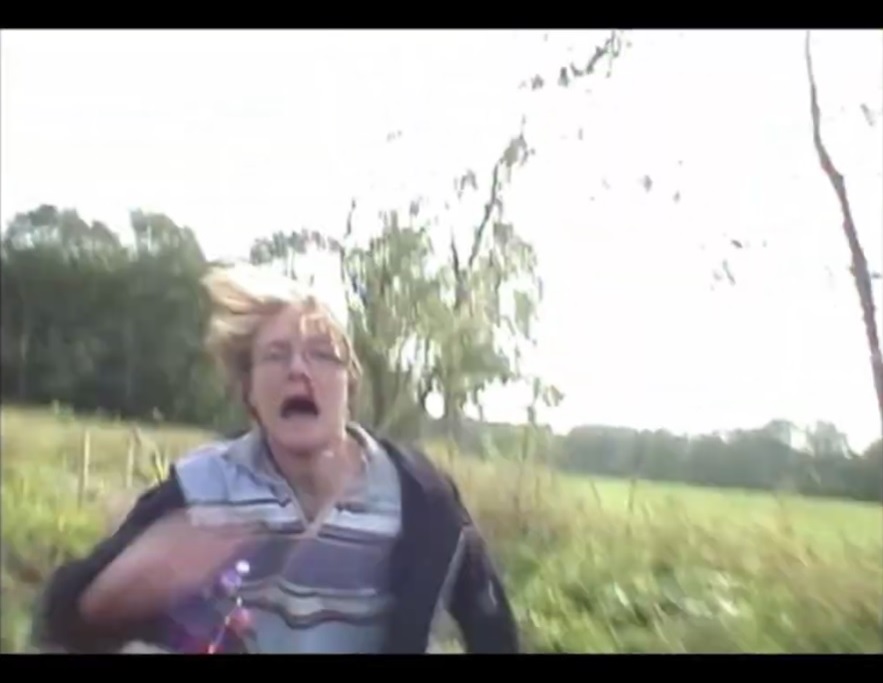
What I love most about it is the humor. There are some genuinely funny moments, along with a few surprisingly effective scenes, like the one where an alien shoots a guy on a bicycle from a balcony.

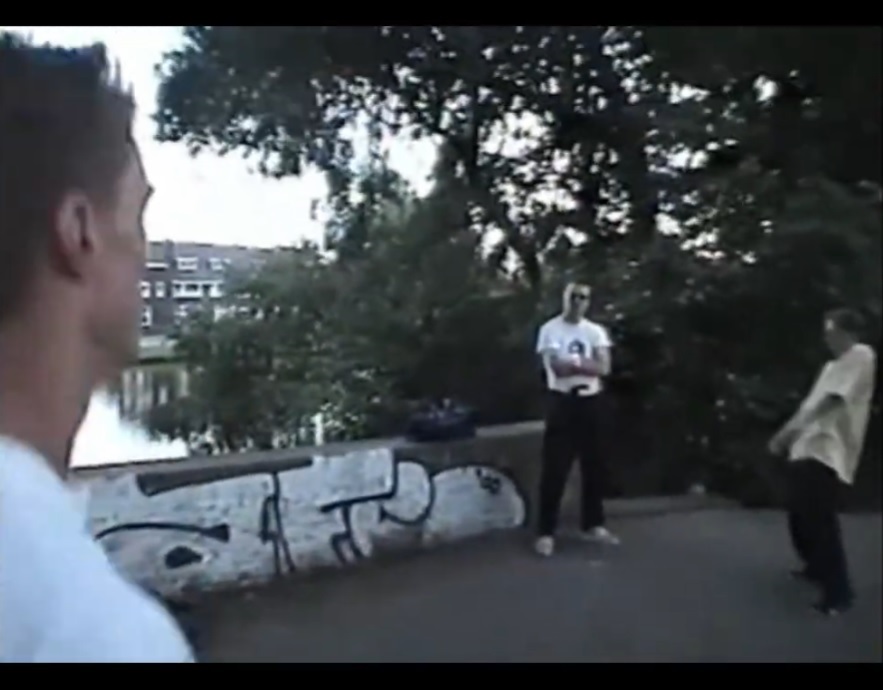
I also have a soft spot for all the amateurish mistakes: jumping the axis, catching the cameraman’s shadow, or scenes that shift from early evening to near-dark in the blink of an eye. All of it adds to the charm and hilarity.

Since the film was never finished, I decided to create an ending by adding a short ‘making-of’ segment, showing us trying to pull off one of our great ‘special effects’.

I’m happy with how it turned out, and I hope you’ll enjoy it too. Check out Brains For Breakfast below on YouTube!
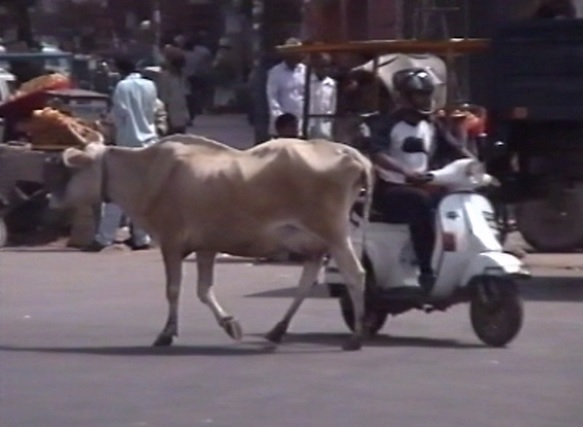
Een doodgewone dag in Jaipur

22 jaar geleden maakte ik de eerste van mijn twee reizen naar Azië. Samen met een vriend reisde ik in een maand door Noord India en Nepal. Het jaar daarop ging ik naar Thailand. Dit is volgens kenners eigenlijk de verkeerde volgorde. Thailand is Azië Light, geschikt voor de beginneling, terwijl India – zeker in de steden – een drukke, chaotische en overweldigende ervaring is.

Ik maakte van beide reizen een video. Dit vier minuten durende fragment uit de India-film geeft mijn ervaring van deze reis goed weer. De zintuigen worden maximaal geprikkeld. Na twee weken in deze chaos was het in het Boeddhistische Nepal overigens weer erg relaxed bijkomen.

Zo ziet een doodgewone dag in een typische Indiase stad eruit. De wereldpopulatie was met 6,1 miljard een stuk lager toen, maar daar is in Jaipur niks van te merken:

The White Album Compressed

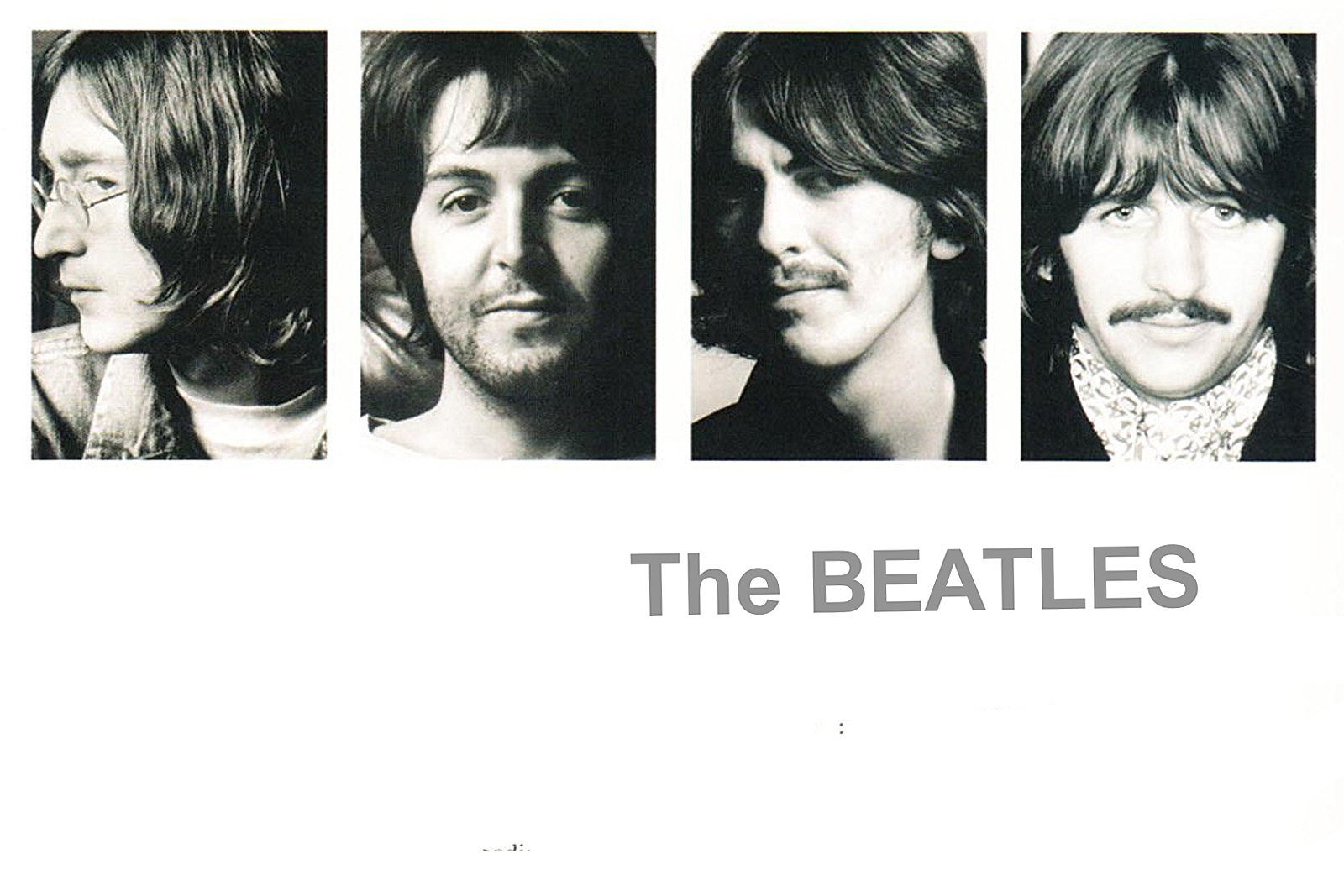
In the documentary The Beatles Anthology (1995), the three then still living band members discuss their recording history at Abbey Road. The non-Beatle with the greatest influence over these legendary recordings is without a doubt George Martin, sometimes referred to as ‘the fifth Beatle’. The extremely talented producer and musician offers some interesting comments on the production. Especially about the The White Album – the only double album made by the band (not counting Past Masters) – he has an interesting thing to say. He thinks they shouldn’t have made it a double album, but pick the best songs and turn it into a very good, single album.

The band disagreed. McCartney said that the record was fine as it was, remarking: “It was great. It sold. It’s the bloody Beatles’ White Album. Shut up!” Harrison thought a double album was a good idea to clear the backlog of songs the group had at that time, though he also admitted not all songs were that strong.

Reducing the backlog to a single album would have been quite a challenge though. The group had spent a couple of months in Rishikesh, India, for a course in Transcendental Meditation and written no less than 40 songs. George really developed himself as a songwriter during this period. But Lennon also said he wrote some of his greatest songs in India. The White Album contains many fantastic songs, and the fragmented whole is a terrific mix of genres, like folk, country, blues, ska, music hall and avant-garde. Why would one mess with that?

However, as a thought experiment, let’s consider what a single White Album would be like. Some tough decisions would have to be made. It contains 30 songs, and would have to be cut down to 17 (taking Abbey Road as a measure). Which 13 songs would perish?

At the risk of pissing off some fellow Beatles fanatics, I would get rid of these 13 tracks.

Wild Honey Pie (McCartney)
This is just a curious short McCartney thing. No problem dumping this one.
Why Don’t We Do It in the Road? (McCartney)
It’s alright, but it’s not great is it?
Yer Blues (Lennon)
A dark and moody song by Lennon, but he did better later in his solo career.
Mother Nature’s Son (McCartney)
Off course it’s an okay song, but if you have to choose between this and the remainders, it is really no choice at all.
Glass Onion (Lennon)
This one I like. I like the guitar play and the references in the lyrics. Still, it’s not brilliant.
Everybody’s Got Something to Hide Except Me and My Monkey (Lennon)
The longest title of a Beatle track. Do I love this song? No. So it can go.
Helter Skelter (McCartney)
Now this one is a classic and the toughest decision yet. Sorry Paul. We can release it as B-side to a Happiness Is a Warm Gun single maybe.
Long, Long, Long (Harrison)
Never had much use for this track.
Revolution 1 (Lennon)
What?!? How can you get rid of Revolution! One of Lennon’s best songs. Pay attention please. This is Revolution 1, not Revolution that was released as B-side of Hey Jude. And that is a way better version with one of my favorite beginnings of a Beatles-song.
Savoy Truffle (Harrison)
Sorry Harrison, but I don’t care much for a candy addicted Eric Clapton.
Revolution 9 (Lennon)
Nobody is gonna give me a hard time over this one. It was a weird decision to put it on the album in the first place. Nobody listens to it more than once.
Rocky Racoon (McCartney)
George Martin thought this was filler. I disagree. I think it is a great track. But in exercises like this you have to kill your darlings.
Good Night (Lennon, sung by Ringo)
This one I love as well. Painful to let it go, but I must.

And now, we’re left with the Compressed White Album. I’m satisfied. You can find it on Spotify under jkleyngeld. Check it out.

Side one
01. Happiness Is a Warm Gun
02. Piggies
03. Ob-La-Di, Ob-La-Da
04. I’m So Tired
05. I Will
06. Cry Baby Cry
07. Julia
08. While My Guitar Gently Weeps
09. Honey Pie

Side two
10. The Continuing Story of Bungalow Bill
11. Birthday
12. Sexy Sadie
13. Back in the U.S.S.R.
14. Don’t Pass Me By
15. Dear Prudence
16. Martha My Dear
17. Blackbird

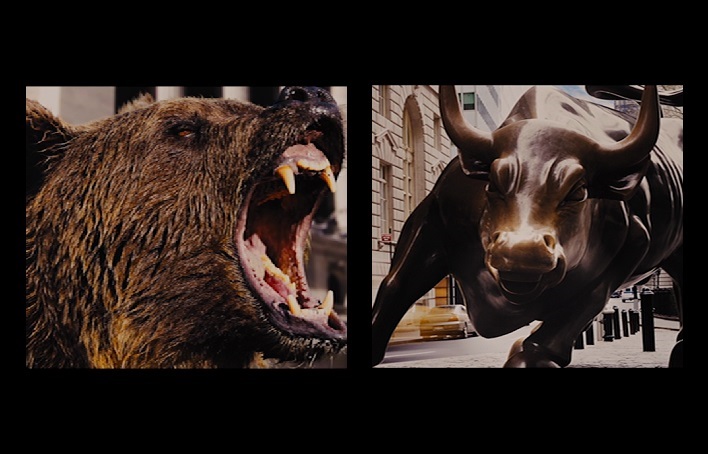
Booms and busts, bears and bulls, bubbles and burstings

Bear Market Bull Market 1

Economie is psychologie. Voelen we ons massaal optimistisch, gaan we kopen, voelen we angst, dan trekken we ons terug en doen we helemaal niks meer. Hebben we veel schulden gemaakt, dan gaan we (zeker in Nederland) werken aan het verkleinen van die schulden wat weer rampzalig is voor economische groei.

Economie beweegt zich in conjuncturele cycli, die tot voor 2008 redelijk voorspelbaar waren. Niet meer. Als midden dertiger heb ik in mijn werkende leven maar één soort economische getij ervaren en dat is een neergang geweest. Toen ik in 2008 vond dat ik toch maar eens wat serieus werk moest gaan doen, liep het in het bedrijfsleven nog gesmeerd, maar daar kwam snel verandering in. De crisis raakte iedere organisatie – van profit sector tot overheid – en eindigde pas zeven jaar later. En zelfs dat is misleidend, want onder de oppervlakte sluimert nog veel meer misère. YouTube heeft de trend al voor ons uitgetekend:

Bear Market Bull Market 2

Recentelijk meldde het CBS dat de economie nu pas weer het niveau heeft bereikt van 2008. We zijn dus niet gegroeid in de afgelopen zeven jaar, gekrompen zelfs. Niet dat het erg is. Het enige echt vervelende van crisis in ons land is dat je je baan kunt verliezen. Verder kun je in feite gewoon doen wat je altijd al deed. Dat de politiek zaken kapot bezuinigt is ook slecht nieuws voor veel mensen, maar dat zie ik toch niet als direct gevolg van de crisis: dat zou anders kunnen, al zeg ik niet dat de politiek een makkelijke taak heeft gehad.

Maar nu hebben we het getij dus mee, wat een ervaring! Ik kan nu gewoon business ideeën voorleggen en uitvoeren, en ze werken ook nog. Mensen en bedrijven zien het weer zitten. Ze gaan investeren, mensen aannemen, innoveren. Ik zit niet stil: Behalve de nieuwe initiatieven bij CxO Media heb ik vorige week mijn eerste freelance klus gedaan. Ik word deeltijd ondernemer, en dat is nodig ook.

Want economische groei of niet, het is al lang duidelijk dat dit geen normale tijd is waarin we leven. We zullen nooit meer terugkeren naar ‘business as usual’. Er zijn verschillende ontwrichtende ontwikkelingen gaande die nu samenkomen en een terugkeer naar voor de crisis onmogelijk maken. De drie belangrijkste zijn:

– Het kapitalisme in huidige vorm richt te veel schade aan aan de natuurlijke hulpbronnen van de mens en zorgt voor steeds grotere ongelijkheid. De economie zal op grootschalige wijze hervormd moeten worden.
– Europa en Amerika verliezen hun dominante positie aan groeiende mega-economieën als China en India.
– Technologische ontwikkelingen gaan sneller dan ooit en ontwrichten iedere industrie.

Ook hier geldt: het is alleen vervelend als je hierdoor inkomen verliest, en mocht je denken dat jou bedrijf of sector veilig is: think again. Ik raad iedereen aan ontwikkelingen heel nauw te volgen en na te denken over alternatieven voor je huidige vak. Maar eerst nog even genieten van de hoogconjunctuur die nu nog bij onze bubbel economie hoort. Het zal van korte duur zijn; de instabiliteit van ons systeem tekent zich met de dag duidelijker af.

Icon 31 - Chaos