Het defecte management control system van de maffia

Lees ook:
De maffiaboeken van Nicholas Pileggi – Deel 1: Wiseguy: Life in a Mafia Family
De maffiaboeken van Nicholas Pileggi – Deel 2: Casino: Love and Honor in Las Vegas

Waarom gaat het altijd mis met gezworen maffialeden? Waarom kunnen ze niet gewoon hun mond houden en hun tijd uitzitten als ze gepakt worden? Sommige kunnen het wel: John Gotti bijvoorbeeld. Maar er zijn ook talloze ratten die hun familie verraden om hun eigen hachje te redden. De bekendste zijn Henry Hill, Joseph Valachi en Sammy ‘the Bull’ Gravano (die John Gotti levenslang bezorgde). De reden is dat het strakke managementsysteem van de maffia zich regelmatig tegen de organisatie keert.

In 1991 werd Alphonse ‘Little Al’ D’Arco – ‘made member’ en zelfs enige tijd ‘acting boss’ van de Luchese familie – bijna geliquideerd in een hotelkamer. Hij wist te ontkomen en besloot kort daarna getuige te worden voor de FBI. Hij was het lid met de hoogste rank binnen de maffia ooit die getuige voor de overheid werd. In 2013 verscheen het boek ‘The Life of Little Al D’Arco, the Man Who Brought Down the Mafia’ van Jerry Capeci en Tom Robbins over het leven van D’Arco.
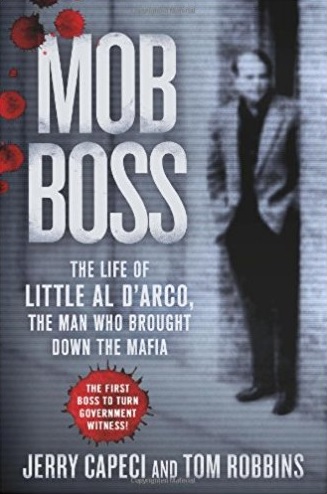
D’Arco geloofde in de maffia; het bezorgde hem een inkomen en bovenal respect. In ‘Mob Boss’ beschrijft hij hoe hij na een lange loopbaan eindelijk officieel lid werd gemaakt van de Luchese familie. De ceremonie is al vaak beschreven: het mes en pistool op tafel, een prik in de vinger en het bloed van de ingewijde op de kaart van een heilige. Deze kaart wordt vervolgens verbrand en de leider van de familie zegt; ‘als je ons verraad zal je ziel eeuwig in de hel branden, zoals deze kaart’. Ook wordt duidelijk gemaakt dat de maffiafamilie voor alles komt, inclusief je eigen gezin. Dit lijkt een slechte deal, maar er komen ook voordelen met het lidmaatschap: andere criminelen kunnen niet meer aan je bezittingen komen; wat van jou is, is nu echt van jou.

Natuurlijk kunnen gemaakte leden van de maffia ook vermoord worden als ze de regels overtreden. D’Arco had hier begrip voor, al was hij het niet altijd eens met de manier waarop het ging. Zo was hij er getuige van dat gangster Tommy de Simone (in GoodFellas legendarisch neergezet door Joe Pesci) een bar binnenkwam helemaal in mooie kleding gestoken. Hij dacht dat hij gemaakt ging worden. Kort daarna zag hij hem in een pizzeria met twee ‘vrienden’. Het zou zijn laatste avondmaal worden. Ook al had DeSimone de regels gebroken (een made guy vermoord) vond D’Arco dit disrespectvol. “Ze zeggen dat ze hem gaan maken en ze whacken hem.”

Maar moord is soms nodig om het strakke regime van de maffia in stand te houden. Problemen ontstaan als het middel onnodig wordt ingezet. En dat is waar het misging in de Luchese familie en bij andere maffiafamilies. De baas en onderbaas van de familie – Vittorio ‘Little Vic’ Amuso en Anthony ‘Gaspipe’ Casso (ja, alle maffialeden hebben bijnamen) – werden gezocht voor een grootschalige bouwfraude en moesten onderduiken. Ze stelden D’Arco aan als tijdelijk leider. Het duurde niet lang voor het eerste moordcontract binnenkwam. Er zouden er vele volgen in korte tijd. De slachtoffers waren meestal andere leden die ervan beschuldigd werden verrader te zijn. D’Arco liet de contracten uitvoeren, maar begon steeds meer twijfel te krijgen bij de legitimiteit van de opdrachten. Toen werd hij er zelf van beschuldigd rat te zijn en had hij geen keuze om onder te duiken.

Wanneer je er als organisatie zulke extreme regels op na houdt is de ‘tone at the top’ nog belangrijker dan normaal. Bazen, zoals Paul Castellano, die hun mannen drugshandel verbieden, maar er zelf rijk van worden vragen erom dat hun manschappen gaan muiten.

Door deze hiërarchische machtsstructuur voort te blijven zetten heeft de maffia in de Verenigde Staten flink veel macht moeten inleveren. In de tijd voor Lucky Luciano (jaren 50’) – onder de oude ‘Mustache Pete’s’ (Siciliaanse bazen die de connectie met de oorspronkelijke maffia op Sicilië bleven onderhouden – werkte het nog. Toen kwam Luciano met de oprichting van de commissie en brak de glorietijd voor de Amerikaanse maffia pas echt aan. Maar door hebzucht begonnen de oude maffiawaarden in rap tempo af te brokkelen. In de jaren 70’s werden de boeken gesloten en namen de bazen lange tijd geen nieuwe leden aan omdat ze dan hun inkomsten dan met meer leden zouden moeten delen. Deze manier van denken heeft de maffia pas echt de das omgedaan.

Is het tijd voor een nieuw ‘losser’ maffia organisatiemodel voor de 21ste eeuw? Daar is het al veel te laat voor. De maffia had al veel eerder moeten veranderen hadden ze onderdeel van deze eeuw willen uitmaken. De macht die ze ooit hadden krijgen ze nooit meer terug. Dit is een les voor ondernemingen: organisaties bestaan uit niets anders dan het geloof van de mensen die er werken. Verliezen ze hun geloof, dan verliest de organisatie zijn macht.

5 Must See TV-shows Before You Die

In this age of distraction a.k.a. entertainment, a lack of time is always a factor. There are way too many great TV-shows out there to see them all, so which ones should you pick? Many are great to watch, but which ones are truly essential and epic? I assassinated my darlings and wrote down the absolute best. Before you die, you should definitely see these shows in their entirety. I calculated this will take you about 13.263 minutes of your life (or 221 hours). Trust me, it is worth every second.

1. The Sopranos
5 TV Shows - The Sopranos
The greatest drama series of all time about a small Mafia family in modern New Jersey. While ‘The Godfather’ shows the highest level of the mob hierarchy, and ‘GoodFellas’ shows us the everyday life of street level wiseguys, ‘The Sopranos’ has the psyche of the mobster as a central theme. Brilliantly complex, layered and beyond entertaining, ‘The Sopranos’ is the best thing to ever hit the small screen. With writing and a cast you can only dream off, led by the now legendary James Gandolfini, may he rest in peace.

2. Breaking Bad
5 TV Shows - Breaking Bad
A chemistry teacher with lung cancer steadily transforms into a crystal meth kingpin… and ruthless murderer. This philosophically charged odyssey through the dark corners of the human mind is an unforgettably tense and emotional rollercoaster ride. One of the rare series that is consistently brilliant throughout its running time. Absolutely unmissable.

3. I, Claudius
5 TV Shows - I, Claudius Snake
BBC-adaptation of Robert Graves novels’ about the reign of four Roman emperors: the mighty Augustus, the bloodthirsty Tiberius, the insane Caligula, and finally the wise Claudius who lived through all periods and serves as the navigator/protagonist of the mini-series. ‘I, Claudius’ is dialogue heavy and is almost completely filmed in the studio, but… the dialogues and acting are to kill for. Watching ‘I, Claudius’ is like having front row tickets for the greatest theatre in the world. Every minute you are longing for more and can’t wait to find out what will happen next. An immortal classic.

4. The Wire
5 TV Shows - The Wire
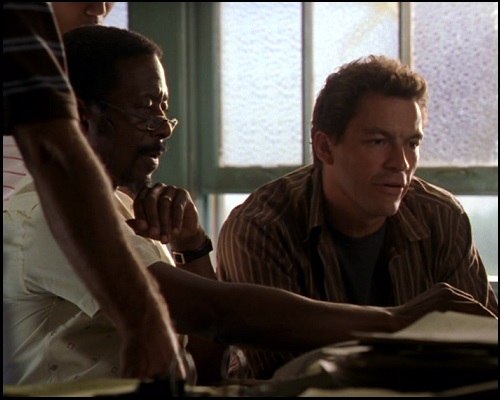
The major problems of an American city (Baltimore) experienced through all corners of society: drug dealers, police, politicians, school staff, high school kids, junkies, dock workers and media men. David Simon’s reinvention of the cop genre is a prime example of superior storytelling that – despite of all the street legends – always feel authentic and above all… human. It’s all in the game, yo.

5. Twin Peaks
5 TV Shows - Twin Peaks
David Lynch, in collaboration with writer/producer Mark Frost, captured the imagination of audiences worldwide with one of the most legendary television series to emerge in the nineties: ‘Twin Peaks’. What starts as a slightly offbeat whodunit, evolves into a complex and superbly intriguing mystery thriller. ‘Who murdered the high school beauty queen Laura Palmer?’, is the original premise. But with all sorts of supernatural stuff going on, new and bigger questions arise, such as: ‘what is the Black Lodge?’. The plot in ‘Twin Peaks’ often takes a backseat to just let the many bizarre characters interact with each other. The show often feels like a platform for all the crazy ideas that Lynch, Frost and other collaborators could come up with.

What makes the final result so great is the seamless integration of genres. With delicious black humour and countless fantasy elements such as dwarves, giants, aliens and demons, the viewer will get hooked in no time. It is constantly absorbing, even during long stretches in which basically nothing significant happens. ‘Twin Peaks’ is an endlessly fascinating show that took dramatic television into an entirely new realm.

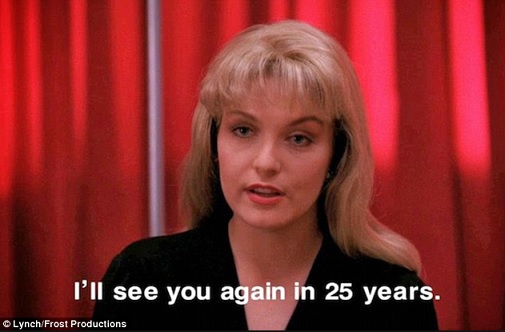
And good news for the fans. In 1991 when the show aired, Laura Palmer made a creepy prediction:

5 TV Shows - Twin Peaks 2

So that means that in 2016? Yes, it does. ‘Twin Peaks’ will return.

TV Dungeon: Romanzo Criminale

(2008 – 2010, Italy)

2 Seasons (22 Episodes)

Directed by:
Stefano Sollima

Cast:
Francesco Montanari, Vinicio Marchioni, Alessandro Roja, Daniela Virgilio

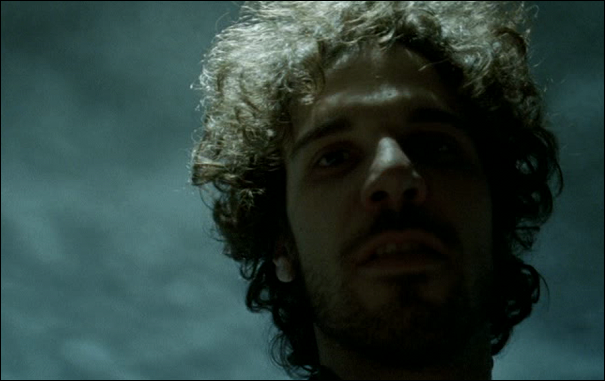
The story of the Magliana gang, who controlled organised crime in Rome between 1977 and 1992. We witness the establishment of the group by three ruthless criminals; Il Libanese, Il Dandi and Il Freddo (the cold one). Each one of the friends has a very different personality, but they share the same ambition; to take over Rome. No crime is too big for Banda Della Magliana: drugs, kidnapping, murder, prostitution, they are literally involved in all criminal activity in the city.

The series is based on true events and people. The Magliana’s were the first organised gang in Rome. After a successful kidnapping, the leader type; Il Libanese, initiates that he and his associates form a gang. The others agree, but Il Freddo insists that they are all equals and have no leader. This will turn out to be a tough ideal to hang on to later on.

Off course they have opponents to deal with; a competitive gangster called Terrible is their first major obstacle. Then there is a communist cop who is keen on tracking them down. Finally, the Mafia – who traditionally had no foot in Rome – stick their beak in. Once the gang reaches the top, the only direction they can go is down. This is what eventually happens. Like all criminal empires, it ends.

Perhaps the best thing about this series is the cast. Each one of the actors is extremely believable in his/her role. For a show about gangsters, there are also quite a few strong female characters. Another strong point is the production design; the recreation of the seventies and eighties is convincingly done, enhanced by a groovy soundtrack and stylish camera work and editing.

The biggest downside is the length of the series. It is told in two parts of about 10 hours each. This is too long. Especially in the first part, there is too little going to keep the tension on an adequate level. Surely it is realistic, but sometimes just boring. Also humor is missing; it could have taken a few pages out of The Sopranos’ book. Still, after La Piovra, this is the best series about organised crime to come out of Italy.

The Valachi Papers (1972)


‘The Valachi Papers. Fact not Fiction’

Directed by:
Terence Young

Written by:
Peter Maas (book ‘Le Dossier Valachi’)
Dino Maiuri (screenplay)
Massimo De Rita (screenplay)

Cast:
Charles Bronson (Joe Valachi), Lino Ventura (Vito Genovese), Jill Ireland (Maria Reina Valachi), Walter Chiari (Gap), Joseph Wiseman (Salvatore Maranzano),
Gerald O’Loughlin (Ryan), Amedeo Nazzari (Gaetano Reina), Fausto Tozzi (Albert Anastasia), Pupella Maggio (Letizia Reina), Angelo Infanti (Lucky Luciano)

Joe Valachi is not a name that is spoken of with much respect in mob circles. He was the first Mafia rat and gave up the entire hierarchical structure of the Mafia to a crime committee. He revealed the five families of New York – Gambino, Lucchese, Colombo, Bonanno and Genovese – that were named after the ruling bosses at that time. This film tells Valachi’s life story. At the height of the Castellammarese war (1929 – 1931), the bold, small time crook Joseph ‘Joe Cargo’ Valachi joins the side of Don Salvatore Maranzano, an old Mustache Pete who is fighting a bloody war with his rival Joseph ‘Joe the Boss’ Masseria.

After the deaths of the two old Don’s, Valachi’s crime family evolves. First Lucky Luciano becomes boss, and after his imprisonment Vito Genovese takes over. In a Mafia-career spanning over 30 years, Valachi is involved with New York’s most legendary Mafia figures. He steals, frauds and murders for them, until finally the FBI manages to turn Genovese against Valachi in order for him to testify. He does so, and gives up his former associates along with all other major Cosa Nostra figures he knows of.

He becomes the first mob informer who makes sure that the existence of ‘La Cosa Nostra’ is no longer a secret for the public. Based on the novel by Peter Maas, The Valachi Papers was produced by Dino De Laurentiis in Italy with many scenes dubbed in English. It was directed by Terence Young, most well-known for directing the first official Bond movies. It came out in the same year as The Godfather, and helped to popularize the Mafia as a source of entertainment.

The Valachi Papers sticks to the steady pattern of the mob film; tough guys, half Italian dialogue, shoot-outs and violence (especially a castration scene is very brutal). Also the ‘rise and fall’ type of build-up has been done countless times. This is not the head of its class though. The beginning promises a rapid-pace movie, but after about 40 minutes, all the suspense has been drained from the script. Since the characters are not that fascinating to begin with, this becomes quite a doll viewing in the second half.

Rating:

Quote:
JOE VALACHI: “Senator, I am not talking about Italians. I am talking about the Mafia.”

Trivia:
In the final credits, it is stated that Joe Valachi outlived Vito Genovese by six months. It was actually two years.