































Het economische wonder van de afgelopen veertig jaar is zonder twijfel China. Het land maakte de sprong van arm, agrarisch gebied naar moderne economische supermacht – sneller dan welk ander land ook in de geschiedenis. “De Verenigde Staten hebben nu een serieus probleem”, zegt econoom Richard Wolff. “Een echte, serieuze economische concurrent.”
Vergelijk het bruto binnenlands product (bbp) – de totale waarde van alle goederen en diensten die binnen de landsgrenzen worden geproduceerd. Het bbp van de VS – nog altijd de grootste economie – bedroeg in 2023 zo’n 27 à 28 biljoen dollar. Ter vergelijking: Rusland kwam datzelfde jaar uit op slechts 2 biljoen dollar. Rusland is nooit een economische uitdager van betekenis geweest. China daarentegen had in 2023 een bbp van bijna 18 biljoen dollar.
China is er nog niet, maar komt snel dichterbij. De economische groei van China ligt structureel hoger dan die van de VS. Naar verwachting zal China de Amerikaanse economie al in het komende decennium voorbijstreven. Op vrijwel alle terreinen waarop de VS vooroplopen – technologie, kunstmatige intelligentie, elektrisch rijden – heeft China een evenwaardige of zelfs indrukwekkendere tegenhanger ontwikkeld.
Het Chinese groeiverhaal is het meest indrukwekkende economische succesverhaal in de moderne geschiedenis. Het valt niet te negeren, ook al roept het ongemak op. Hoe heeft China dit voor elkaar gekregen?
De Chinese Communistische Partij (CCP) greep op 1 oktober 1949 de macht, met de oprichting van de Volksrepubliek China. In de jaren zestig vond er een breuk plaats met de Sovjet-Unie, omdat China een eigen visie had op economische ontwikkeling.
Het belangrijkste verschil? Waar in de Sovjet-Unie de staat alle grote industrieën bezat, koos China voor een hybride model: ongeveer de helft van de industrie is in staatshanden, de andere helft is privaat eigendom. Deze unieke combinatie van socialisme en kapitalisme heeft tot opmerkelijke resultaten geleid.
Sinds de jaren zeventig heeft China zijn markt geleidelijk opengesteld voor westerse bedrijven. In ruil voor toegang tot goedkope arbeid en een groeiende afzetmarkt, hebben die bedrijven hun technologie en kennis gedeeld – iets waar China gretig van heeft geprofiteerd.
Ook in de recente handelsoorlog met Trump, waarin hij zijn hand heeft overspeeld, toont China zich strategisch. Terwijl Trump wereldwijd bruggen verbrandt, reist de Chinese president Xi actief de wereld over om relaties aan te halen – in Azië, Afrika en Europa.
Daarnaast biedt China lagere rentevoeten dan de VS, wat het land een sterke financiële positie geeft. Wie de wereld kan financieren, verwerft geopolitieke invloed. Lange tijd was dat de rol van de Verenigde Staten – maar nu is China bezig die positie over te nemen. Het land investeert op grote schaal in buitenlandse bedrijven en infrastructuur, en breidt zijn invloedssfeer voortdurend uit.
De Chinese leiders hebben een duidelijke langetermijnvisie uitgesproken: in 2049 – het honderdjarig bestaan van de Volksrepubliek – wil China wereldwijd erkend worden als economische supermacht. Die ambitie omvat zowel technologische dominantie als economische superioriteit ten opzichte van de westerse industrielanden. De hervormingen die in 1978 zijn ingezet, vormen de basis voor deze opmars. En inmiddels zijn ze hard op weg hun doelen te verwezenlijken.
De wereldorde verschuift – niet plots, maar gestaag. Terwijl het Westen worstelt met interne verdeeldheid en stilstand, zet China met ijzeren discipline en strategisch beleid koers richting de toekomst. Het wordt tijd dat we dit niet langer als dreiging zien, maar als een realiteit die om visie en aanpassing vraagt.

De wereld bevindt zich momenteel op een keerpunt. De Verenigde Staten staan aan het einde van een tijdperk van tachtig jaar waarin het land de economische supermacht was. Het is nog steeds de grootste economie ter wereld – maar hoe lang nog?
De handelsoorlog die door Trump werd ontketend, is volgens econoom Richard Wolff geen teken van kracht, maar van wanhoop. “Economische oorlog verklaren aan de hele wereld – wie doet dat? China in elk geval niet. Natuurlijk blijft de VS een grote speler, maar haar relatieve positie is al geruime tijd aan het verzwakken.”
Na de Tweede Wereldoorlog lagen veel Europese landen in puin, verwoest door de strijd. De Verenigde Staten namen toen het economische leiderschap over. Maar dat was geen stabiele situatie – landen krabbelen namelijk altijd weer op. Eerst deden de Duitsers dat, daarna de Japanners. En toen – verrassend voor sommigen – was het China. Inmiddels is China de grote rivaal van de VS in de strijd om economische dominantie.
De VS beseffen dat, maar verkeren in ontkenning. In het hoofd van veel Amerikanen zijn zij nog altijd het machtigste land ter wereld. Het idee dat die macht relatief afneemt – en dat ze over tien of twintig jaar misschien niet langer de grootste economie zijn – is moeilijk te bevatten, laat staan te accepteren.
Trump is een symptoom van een dieperliggend probleem: de greep van het bedrijfsleven op de politiek, de gigantische staatsschuld van 35 biljoen dollar, de toenemende ongelijkheid, en nu – onder Trump – de versnelde afglijdende beweging richting een schurkenstaat: een instabiel, corrupt land met een uitgeholde democratie, verbroken internationale relaties en een diepe sociale crisis.
Richard Wolff uit stevige kritiek op zowel Trump als de Democraten, omdat zij het probleem onvoldoende adresseren. “Je kunt het niet terugdraaien. Maar als president kun je het wel bespreekbaar maken en mensen uitleggen wat er aan de hand is. Maar ja, mensen willen niets horen over instortende imperia, dus zwijgen politici er liever over.”
Trump blijft doen alsof hij de spelregels bepaalt, maar andere landen spelen niet meer mee. De VS hebben simpelweg niet langer de macht om hun wil op te leggen – en daarom slaagt Trump er niet in om nieuwe handelsdeals te sluiten. China buigt niet, maar laat zien wat het geworden is: een volwaardig alternatief voor de VS.
Het economische succes van Amerika leunt nu vooral op de technologiesector, met de meest dominante techbedrijven ter wereld. Maar die voorsprong is niet vanzelfsprekend of blijvend. Andere landen – vooral China – zitten niet stil.
De VS beschikt ook nog over de dollar als wereldwijde reservemunt, maar ook die positie is niet onaantastbaar. Zoals eerder genoemd, neemt het mondiale gewicht van de VS af. Daarnaast voert het land een volkomen onverantwoord fiscaal beleid, en is de Amerikaanse financiële sector opmerkelijk primitief ingericht. Deze factoren samen zullen uiteindelijk het einde inluiden van de dominantie van de dollar – en daarmee het proces versnellen waarin de VS haar rol als leidende wereldeconomie verliest.
De nieuwe economische wereldorde dient zich al aan. De overgang zal onrustig en grillig zijn, maar is onvermijdelijk. In het volgende deel zal ik inzoomen op de ontwikkeling van China.
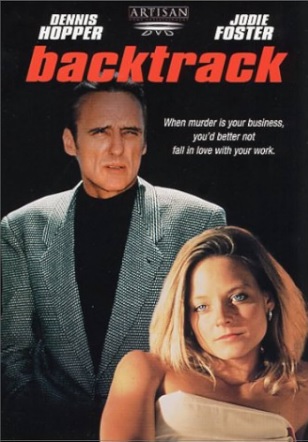
‘When murder is your business, you’d better not fall in love with your work.’
Directed by:
Dennis Hopper
Written by:
Rachel Kronstadt Mann, Ann Louise Bardach
Cast:
Dennis Hopper (Milo), Jodie Foster (Anne Benton), Joe Pesci (Leo Carelli), Dean Stockwell (John Luponi), Vincent Price (Lino Avoca), John Turturro (Pinella), Fred Ward (Pauling), Julie Adams (Martha), Tony Sirico (Greek), Sy Richardson (Capt. Walker)


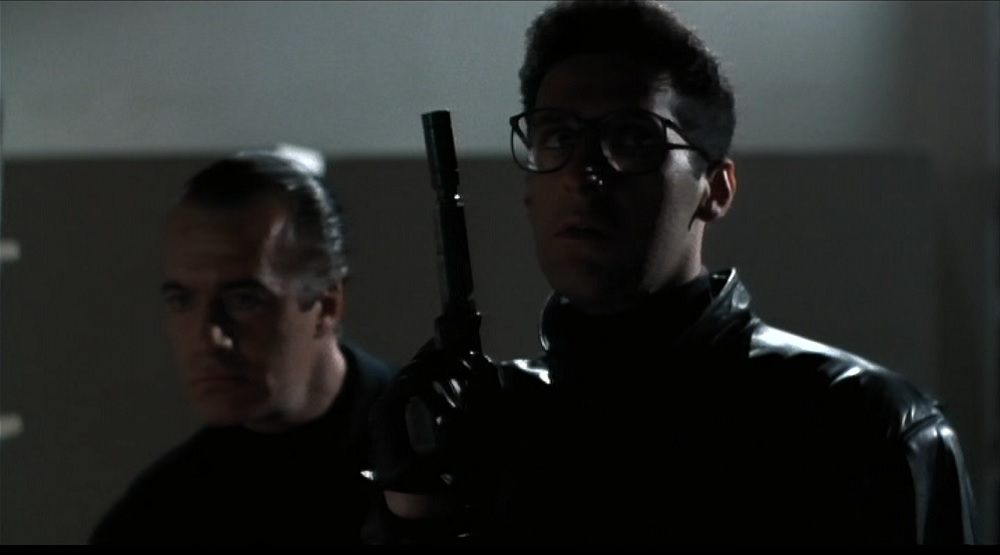
Alright, so this is quite a strange film by Dennis Hopper. It was originally released as Catchfire, but that version was apparently so bad that Hopper had his name replaced in the credits with the pseudonym Alan Smithee. Backtrack is the 18-minutes-longer cut made for cable TV, with Hopper’s directorial credit restored.
Jodie Foster plays an artist who witnesses a mafia murder. The mob – led by the explosive Leo Carelli (Joe Pesci, in the same year he gave his ultimate mobster performance in GoodFellas) – hires hitman Milo (Dennis Hopper) to silence her.
What makes it puzzling is the sheer amount of talent involved: Jodie Foster, Joe Pesci (uncredited, despite a substantial role), Dean Stockwell, John Turturro, and others. The film also features familiar faces like Charlie Sheen, Bob Dylan (!), and Tony Sirico (Paulie Walnuts from The Sopranos). Yet, despite this very impressive cast, no one is given particularly strong dialogue – not even the two leads.
The bigger problem is that the film never decides what it wants to be. Is it a tense thriller? An arthouse experiment? A romantic gangster film in the vein of Bonnie and Clyde? Or an action movie given that out of nowhere, there’s a helicopter chase? The tone shifts constantly, leaving the viewer wondering: what exactly am I watching? That question is never answered.
It’s also unclear what motivates Hopper’s character, Milo, a saxophone-playing hitman. He suddenly falls in love with his target, but why? And why does she start to reciprocate? Their relationship feels entirely unconvincing.
Originally, Hopper’s cut ran 180 minutes. It’s difficult to imagine what his true vision for the film might have been. The studio, Vestron Pictures, disliked his version and re-edited it without his consent. Hopper was furious and sued, but by then the company had already gone bankrupt.
In short, Backtrack is a curious film for many reasons, but unfortunately the final product simply doesn’t work. It’s a shame, given the remarkable cast, but the movie is proof that without a strong screenplay, even great talent can’t save the day.
Rating:

Quote:
MILO: “There’s something going on here that I really don’t understand. But I like it.”
Trivia:
The movie includes three Oscar winners: Jodie Foster, Joe Pesci and Bob Dylan; and three Oscar nominees: Dennis Hopper, Catherine Keener and Dean Stockwell.
 FRAGMENTEN UIT HET SCHEMERLAND