Across the Universe – a Beatles Musical


All you need is love.

Director: Julie Taymor
Written by: Dick Clement, Ian La Frenais, Julie Taymor
Cast: Evan Rachel Wood, Jim Sturgess, Joe Anderson

Year / Country: 2007, United Kingdom, United States
Running Time: 133 mins.

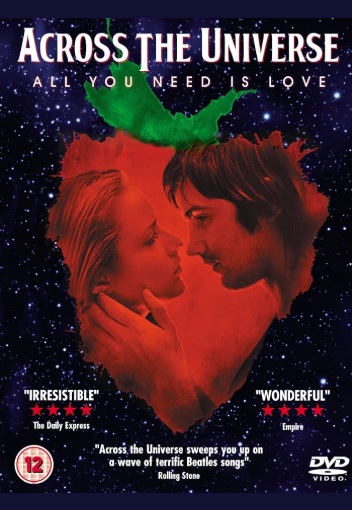
Across the Universe is a jukebox musical in which the songs are provided by the greatest band of all time: the Beatles.

It opens with the main character Jude (Jim Sturgess) singing ‘Girl’ – a John Lennon classic – on a beach, immediately immersing the audience in the emotions and energy of the 1960s. The film continues with ‘Helter Skelter’ and ‘Hold Me Tight’, offering a glimpse of Liverpool’s vibrant nightlife.

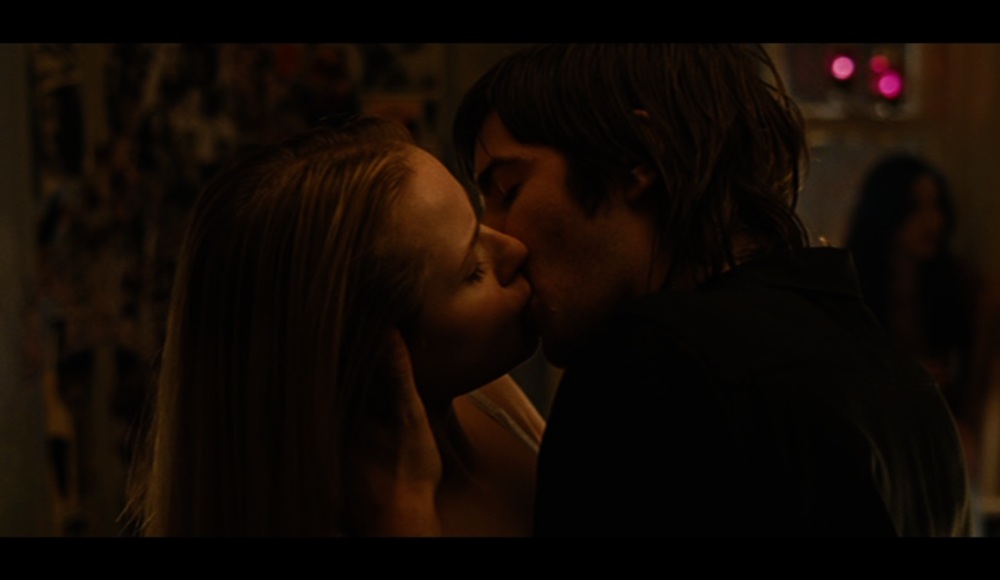
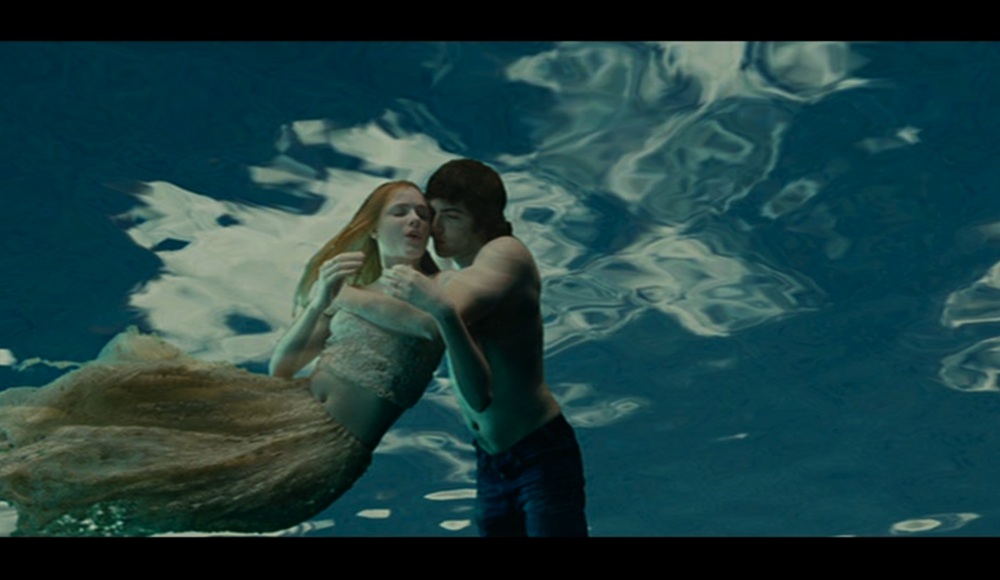
Like so many of the Beatles’ songs, love is the film’s central theme, and Evan Rachel Wood and Jim Sturgess bring undeniable chemistry to their roles. Jude, a shipyard worker, travels to the US to find his G.I. father, whom he’s never met. After locating him – a janitor at Princeton – he meets student Max, who takes him home to meet his sister Lucy. Their connection sparks a romantic love story, but Across the Universe is also deeply rooted in the era’s revolutionary spirit.

Max and Jude move to New York, but their lives are disrupted when Max is drafted for Vietnam. They rent a room from Sadie, a talented singer, and her guitarist Jo Jo, both on the brink of stardom. Lucy joins them in New York, and their relationship blossoms amid the growing anti-war movement, which becomes increasingly radical as the conflict worsens.

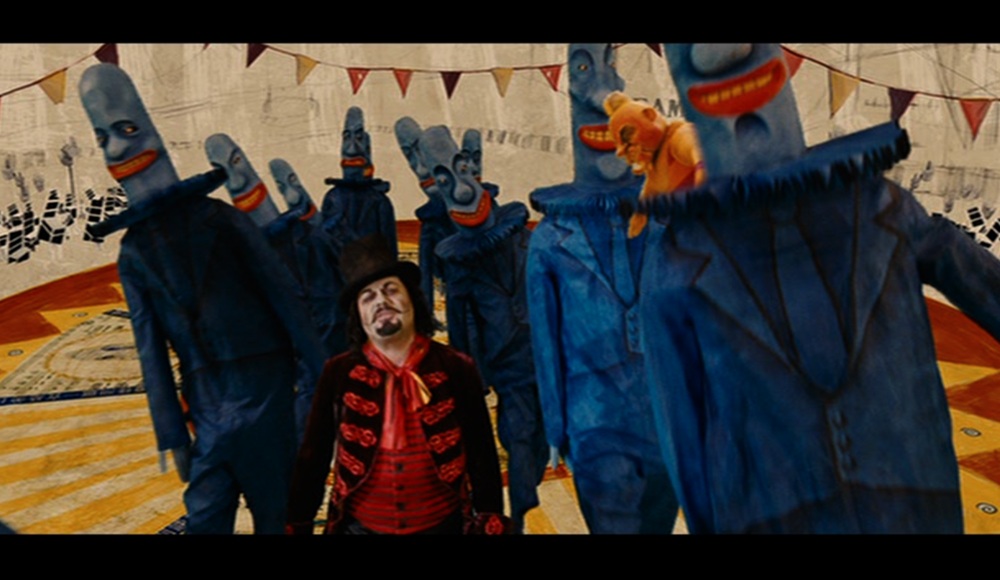
The movie features 34 Beatles compositions, many performed memorably by the cast. Standout musical numbers include ‘I Want You’ in a US Army Recruitment Centre, a surreal circus performance of ‘Being For the Benefit of Mr. Kite’ (complete with blue meanies), and a soulful ‘Let It Be’ by a black church choir.

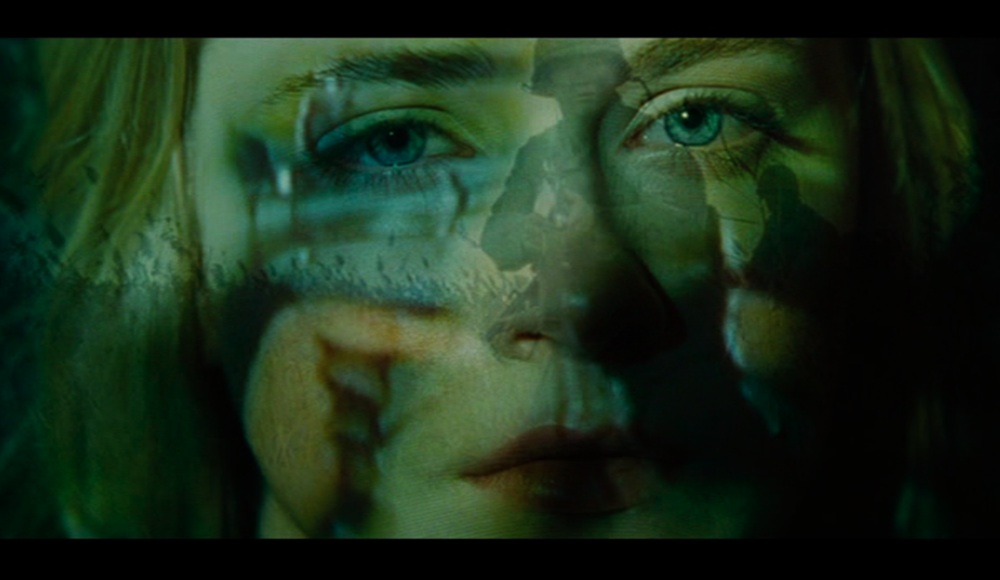
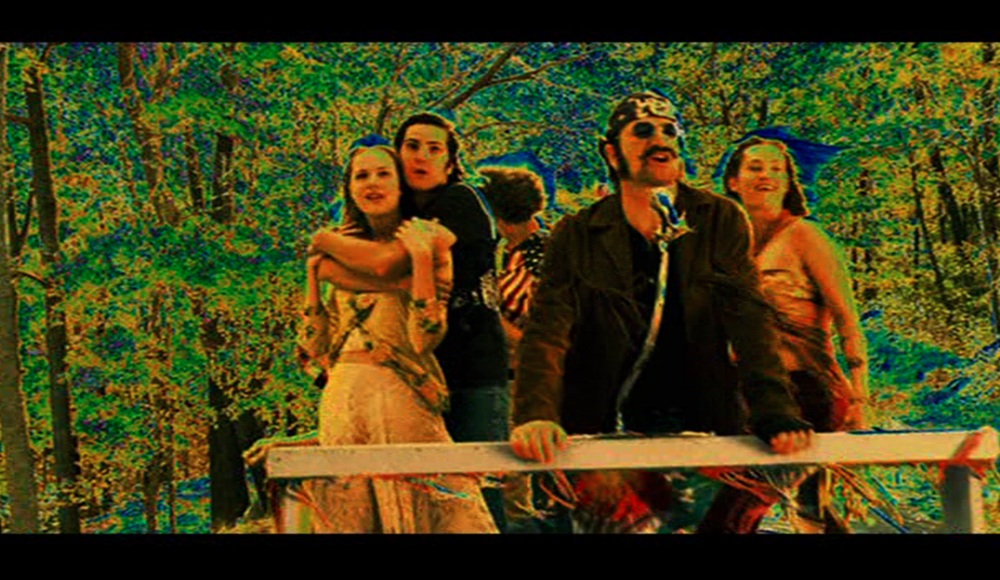
The film is packed with visual and lyrical nods to the Beatles, from character names to cranberry sauce, the number 9, and psychedelic imagery that mirrors the band’s evolution – from Liverpool’s working-class roots to the revolutionary fervor of 1960s America, and in between a psychedelic magical mystery tour in the countryside.

The film unfortunately was a box office flop, but the two surviving Beatles praised the film after seeing it, and when the director asked Paul McCartney what could have been done better, he replied: “What’s not to like?” And who am I to disagree with Paul?

Rating:

Biography: Julie Taymor (1952, in Newton, Massachusetts) is an acclaimed American director, playwright, and costume designer, renowned for her groundbreaking work in theater, opera, and film. She is best known for her inventive use of masks, puppets, and visual spectacle, blending Eastern and Western artistic traditions. Her most iconic achievement is directing Disney’s The Lion King (1997), which revolutionized Broadway with its innovative puppetry and staging. In film, Taymor directed Frida (2002), a biopic of artist Frida Kahlo starring Salma Hayek, which received six Academy Award nominations and won two. She also directed Across the Universe (2007), The Tempest (2010), and The Glorias (2020), a biopic about feminist icon Gloria Steinem. Her work often explores themes of transformation, identity, and social justice, and she is celebrated for her ability to create magical, immersive worlds on stage and screen.

Filmography: (a selection): The Tempest (1986, Video), Juan Darién: A Carnival Mass (1990, TV Movie), Fool’s Fire (1992, TV Movie), Salome (1995, TV Movie), Titus (1999), Frida (2002), Across the Universe (2007), The Tempest (2010), A Midsummer Night’s Dream (2014), The Glorias (2020)

Backbeat: The Early Days of the Beatles


He had to choose between his best friend… the woman he loved… and the greatest rock ‘n’ roll band in the world.

Director: Iain Softley
Written by: Iain Softley, Michael Thomas, Stephen Ward
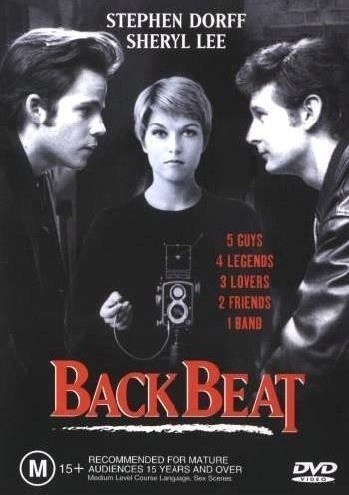
Cast: Sheryl Lee, Stephen Dorff, Ian Hart, Gary Bakewell

Year / Country: 1994, United Kingdom, Germany
Running Time: 100 mins.

Just let me hear some of that rock and roll music.
Any old way you choose it.
It’s got a backbeat, you can’t lose it.
Any old time you use it.
Gotta be rock and roll music.
If you want to dance with me.

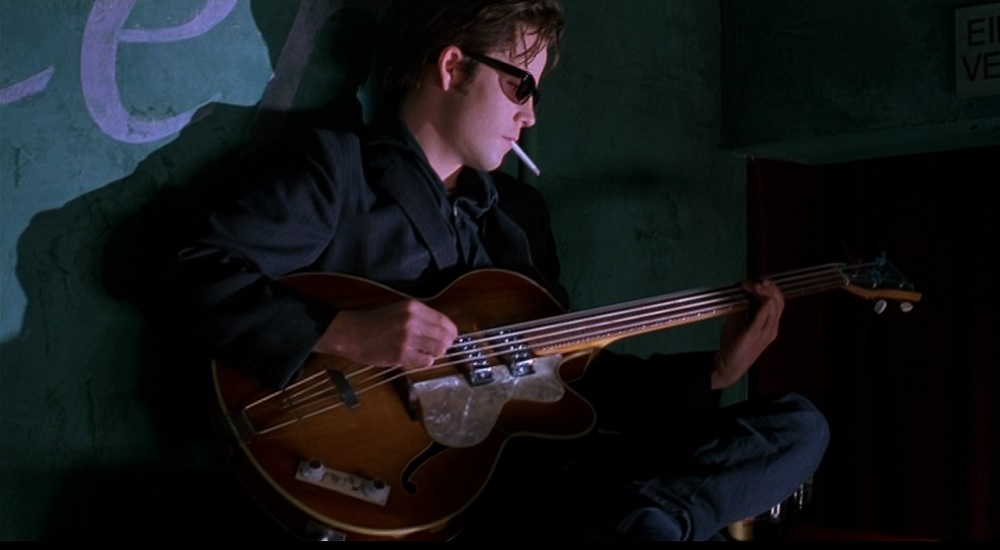
Liverpool, 1960 – home of the soon-to-be-famous Liverpudlians John Lennon (Ian Hart), Paul McCartney (Gary Bakewell), and Stuart Sutcliffe (Stephen Dorff). Stu is a talented painter who uses the money from selling his first painting to buy a bass guitar. He joins the band of his best friend John, and John convinces him to come along to Hamburg, where they’ve been asked to perform in a nightclub for an extended period.

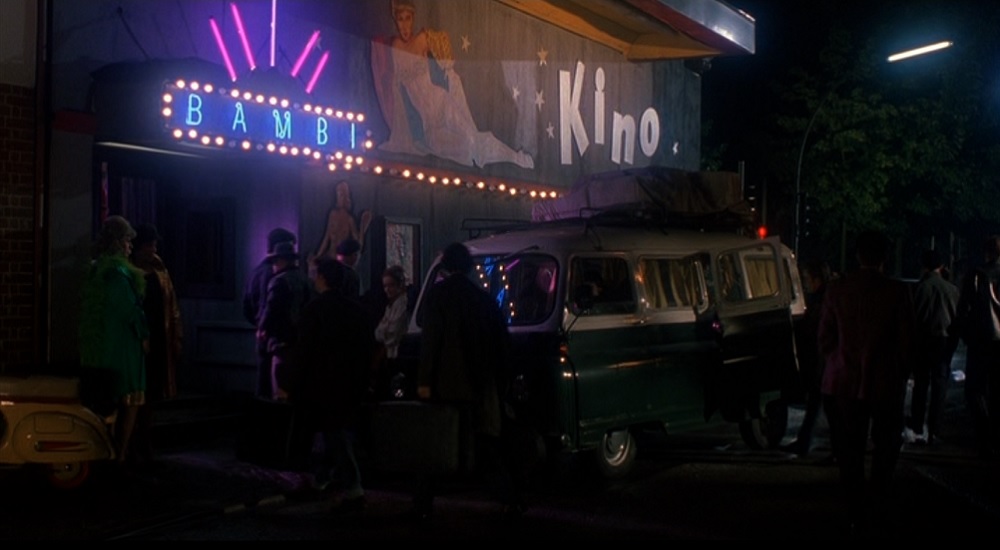
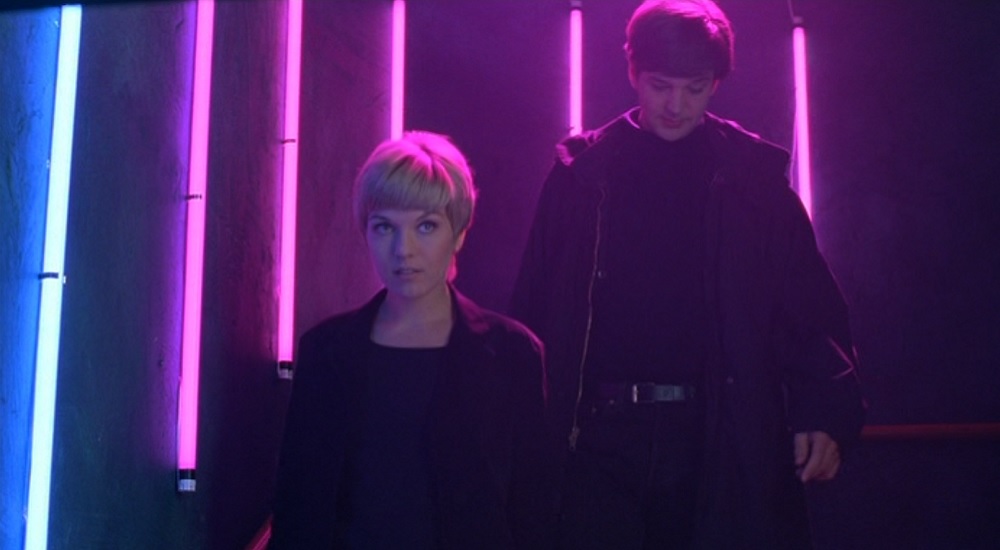
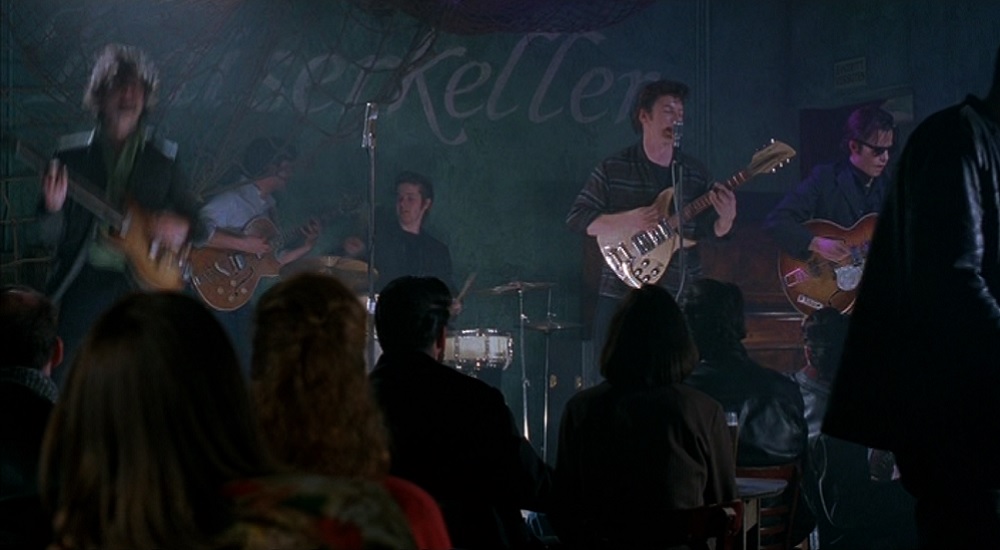
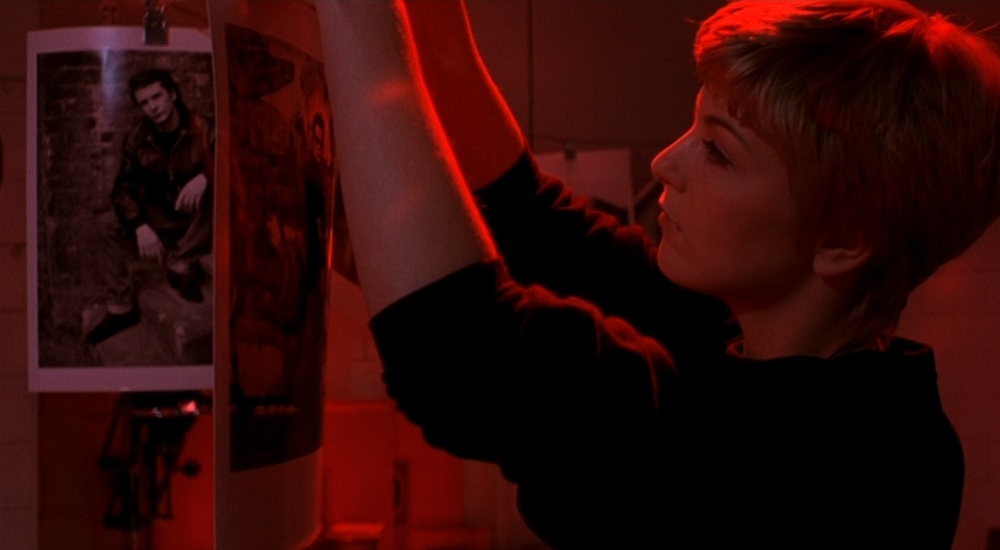
They arrive on the Reeperbahn in Hamburg and end up sleeping in a run-down porno theatre. Between strip acts in the Kaiserkeller, they play classic rock ’n’ roll songs for drunken German crowds. Their energy and raw talent spill out of every performance. But Stuart’s heart soon turns to something other than the music and the band: he falls in love with the local photographer Astrid.

Backbeat captures the true story of the Beatles before they were famous. It was in Hamburg that they learned to play together night after night (fueled by speed pills) and built up their insanely extensive repertoire. Ringo wasn’t in the band yet (Pete Best was the drummer), and the group still had five members rather than four. It is also the tragic story of John Lennon’s best friend and a beautiful love story. Stephen Dorff and Sheryl Lee are great in their lead roles.

What impresses most about the film is the music. It truly captures the spirit and passion of this incredible moment in history. I expect that Sam Mendes’ four biographical films scheduled for 2028 will draw heavily from the same sources – and from Backbeat – in capturing the beginnings of the sensational life story of the greatest band in history, and of the man who tragically never got to see what came after.

Rating:

Biography: Iain Softley (1956, London) is a British film director, screenwriter, and producer known for his visually distinctive style and interest in character-driven stories. He first gained professional recognition directing music videos and documentaries for the BBC before transitioning into feature films. Softley’s debut feature, Backbeat (1994), a drama about the early days of The Beatles in Hamburg, earned international acclaim and multiple award nominations. He followed this with the cult-favorite cyber-thriller Hackers (1995), which helped launch the careers of several actors, including Angelina Jolie. His subsequent films, including The Wings of the Dove (1997), K-PAX (2001) and The Skeleton Key (2005) showcased a wide stylistic range. Softley has also worked extensively in television and stage, including adaptations and original productions.

Filmography (a selection): Backbeat (1994), Hackers (1995), Toni Braxton: How Could an Angel Break My Heart (1997, music video), K-PAX (2001), The Skeleton Key (2005), Inkheart (2008), Playhouse Presents (2012, TV Episode), Trap for Cinderella (2013), The Outcast (2015, TV Episodes), Curve (2015), The Shepherd (2023, short)

Brainfood: A JK Screenplay (synopsis)

Recently, I released a precious childhood amateur film of mine called Brains For Breakfast. If you haven’t seen it yet, feel free to check it out by clicking the icon below.
It’s still a dream of mine to one day expand this short horror-comedy into a full-length feature. To that end, I’ve developed a treatment for a screenplay. If you’re interested in getting involved in any way, I’d love to hear from you – just reach out at jeponline@hotmail.com.

BRAINFOOD — Treatment

Genre: Comedy / Horror / Science Fiction / Action
Setting: The Netherlands (alternative universe) – Bergen, Heiloo, Alkmaar, Schermer Region

Tagline: The ultimate drug in the galaxy has been found… and they want it.

LOGLINE
In an alternate Netherlands where alien encounters are routine, a disgraced psi-soldier must rejoin his disbanded elite unit to stop a violent race of interdimensional drug-hunters from stealing the most powerful psychedelic ever created.

SYNOPSIS

A Violent Return
In a parallel universe version of the Netherlands – an English-speaking, militarized, right-wing nation used to alien visitors – an aggressive alien race known as the Atomics breaches into Earth via a ‘Dimension Traveller’ device.

Primitive in appearance – some resemble lizards, some skeletons, some monkeys and the leader – Taurus – a bull –.the Atomics wear long dusters and wield antique-looking rifles. They land in the dunes near Bergen, killing a dune ranger and parasitizing another using a leech-like creature that implants a mind-controlling worm through the ear.

On their way to their concealed base, they murder a police officer, triggering a national military alert.

General Glorious, the army chief responsible for alien containment, recognizes the race instantly. The Atomics were here two years ago, on a drug-harvesting mission for Netherweed, and escaped with their stash despite heavy casualties inflicted by the elite Psychedelic Unit, a special-forces team of psi-sensitive soldiers.

A Broken Hero
One of the Psychedelic Unit’s finest, Max Crunch, has spent the past two years at home in the small rural village of Schermer, crippled by PTSD. He feels alienated, mocked by locals, and increasingly distant from his girlfriend Nina. His psychiatrist has given him an ‘anchor’ technique to keep him grounded during flashbacks, but his trauma remains unresolved.

When the government cuts off his benefits and Nina leaves him, Max reluctantly answers the army’s summons. General Glorious reveals that the Atomics have returned and the Psychedelic Unit must be reassembled. If Max helps, he’ll receive permanent paid leave afterward. Reluctantly, Max agrees.

Reforming the Psychedelic Unit
Max reunites with the scattered members of his old team:

• Captain Jimmie Lombardo – alpha-male, tough, impatient, the unit’s brash leader.
• Henry ‘Cowboy’ Waterman – laconic sharpshooter in a cowboy hat.
• Steve ‘Suicide Steve’ Hoskins – fearless, volatile, and racist and fascist tendencies.
• Thomas ‘Tank’ Larson – the team’s powerhouse
• Olaf ‘Bulldog’ Braat – sniper with perfect accuracy

The group once used the substance Daylyrium, enabling psychic attunement and interspecies telepathic tracking. But this time, Max can’t make a connection at the scene of the cop killing – the Atomics are clearly using psi-blockers.

With telepathy off the table, the squad turns to old-school detective work: Find the drugs, find the aliens.

The New Drug
They discover that eccentric chemist Dr. Schnobel has invented the ultimate psychedelic, dubbed Entheogen, a liquid that dissolves the ego and induces cosmic unity. Rejected by corporate drug monopolies, Schnobel distributed product through two major dealers, called Frans Hario and Teeg Brown.

Unbeknownst to humanity, Alien scouts monitoring Earth’s drug trade identified Entheogen as the most valuable substance in the galaxy. In response, the Atomics sent a forty-soldier strike team to harvest the drug and abduct its creator.

Two Raids
The Psychedelic Unit and the Atomics both converge on the dealers:
• At Hario’s home, a chaotic gunfight erupts. The squad kills all Atomics on site and captures Frans.

• At Teeg Brown’s, the Atomics strike first and abduct Brown without resistance.

Interrogation leads both sides to the same destination: Dr. Schnobel’s lab.

Ambush by the Terrifying Five
Taurus anticipates pursuit and dispatches the Atomics’ elite hunters – The Terrifying Five – to ambush the Psychedelic Unit. The squad barely survives the devastating encounter, but Schnobel is abducted and brought to the Atomics’ commandeered villa base in the forests of Heiloo.

There, Schnobel is forced to teach an Atomic chemist the formula for Entheogen, while the villa’s parasitized owner serves as a puppet caretaker.

The Oracle of Bergen
With leads running dry, Max suggests visiting The Oracle of Bergen, a powerful psychic buried waist-deep in a forest hill, clad in a Hawaiian shirt and aviator shades, flanked by two similarly dressed psychic companions.

The Oracle reveals:
• The Atomics are master chemists from Atom X, a devastated world stripped of natural resources.
• Another alien race gifted them the Dimension Traveller to scavenge resources from other worlds.
• The Atomics’ return, and the showdown to come, is part of a cosmic design.
• Their leader is Taurus, the same figure responsible for Max’s trauma.

Max’s PTSD surges at the mention of Taurus.

But the Oracle also gives the squad the Atomics’ exact location.

The Assault on the Villa
The team launches a coordinated three-front assault:
• Max and Steve attack through dense forest.
• Jimmie and Cowboy approach from a rear field.
• Tank and Bulldog hold the front to intercept escapees.

Fierce firefights rage as both teams carve their way toward the villa.

Schnobel completes the Entheogen formula, but Taurus prepares to flee. He releases the Terrifying Five once more. The squad manages to kill them, but Cowboy falls in battle, enraging Suicide Steve into a berserker and foreigner hating rampage.

Taurus escapes with the Entheogen sample and formula, fleeing in the same van the Atomics used upon arrival. Bulldog manages to plant a tracker before Taurus escapes.

Showdown in the Dunes
Max takes the tracker and pursues Taurus alone. In the dunes, Max is attacked by the mind-controlled dune ranger. Back at the villa, Jimmie kills the leech-creature controlling the ranger, and the ranger dies instantly. Max continues the chase.

Taurus reaches the Dimension Traveller, a lift-like mechanism atop a dune. Before he can signal home, Max confronts him and a traumatic flashback hits:

Two years earlier, during the first invasion, Max and the squad pursued Taurus to a similar base. Among the team then was Max’s younger brother Patrick Crunch. Patrick was parasitized and attacked Max, who was forced to shoot his own brother. Taurus laughed as he escaped with stolen Netherweed.

Back to the present. Both characters draw their guns and Max blows Taurus his brains out.

A Gift for Atom X
At the Atomics’ base on barren Atom X, Taurus appears to call home. But it’s actually Max holding up Taurus’s severed face to the camera, mimicking his grunt. The Atomics activate the teleportation system.

Instead of Taurus, the bag of C4 appears and detonates. The Atomic base is obliterated.

Enlightenment on the Lawn
Max returns to the villa. Dr. Schnobel lies dying, but hands Jimmie one final vial of Entheogen:

“Take it together. This is enlightenment in a bottle.”

Jimmie proposes sharing the drug with the last surviving Atomics they captured. Steve objects, but the others agree.

On the villa lawn, surrounded by the bodies of friends and foes alike, the five surviving members of the Psychedelic Unit sit with five captured Atomics. They ingest the Entheogen together.

As the purple sky stretches endlessly above them, they gaze upward, united in a moment of pure transcendence.

For the first time, they truly understand: they are all one.

Cult Radar: Part 12

FilmDungeon.com is glad to explore the video trenches to find that oddball treasure between the piles of crap out there. Of course, a treasure in this context can also be a film that’s so shockingly bad it’s worth a look, or something so bizarre that cult fans just have to see it. Join us on our quest and learn what we learn. Hopefully we’ll uncover some well-hidden cult gems.

Researched by: Jeppe Kleijngeld

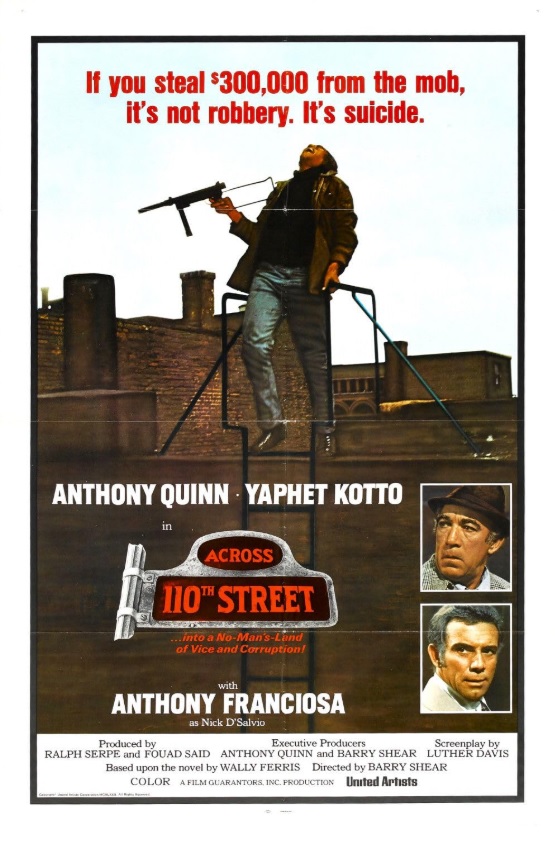
Across 110th Street (USA, 1972)

Directed by: Barry Shear
Written by: Luther Davis, Wally Ferris
Cast: Anthony Quinn, Yaphet Kotto, Anthony Franciosa

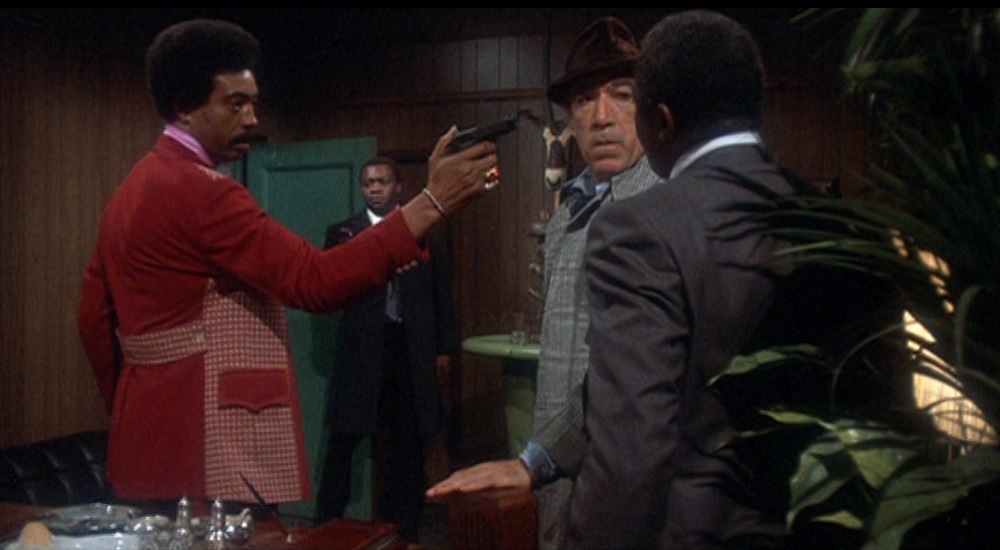
Tarantino’s Jackie Brown opens to the same rip-roaring title song as this movie: ‘Across 110th Street’ by Bobby Womack. It’s a homage to an exploitation classic, a New York set crime thriller about a gang of black criminals who rob the mob, sparking a brutal chase involving both the Mafia and the police. The police duo in charge consists of the corrupt captain Frank Matteli (Anthony Quinn) and Lieutenant William Aylesworth Pope (Yaphet Kotto); a street guy versus a guy who wants to do it by the book. Their chemistry is electric, giving the movie an emotional and moral backbone amid the chaos. The film was slammed at the time for the extreme violence, and while the film is indeed gritty, it is generally well acted and executed. Beneath the grit lies a sharp commentary on race, corruption, and urban decay in 1970s America. Watching it now, it’s easy to see why Tarantino holds it in such high regard.

The Curse of Frankenstein (UK, 1957)

Directed by: Terence Fisher
Written by: Jimmy Sangster (screenplay), Mary Shelley (novel)
Cast: Peter Cushing, Hazel Court, Robert Urquhart, Christopher Lee

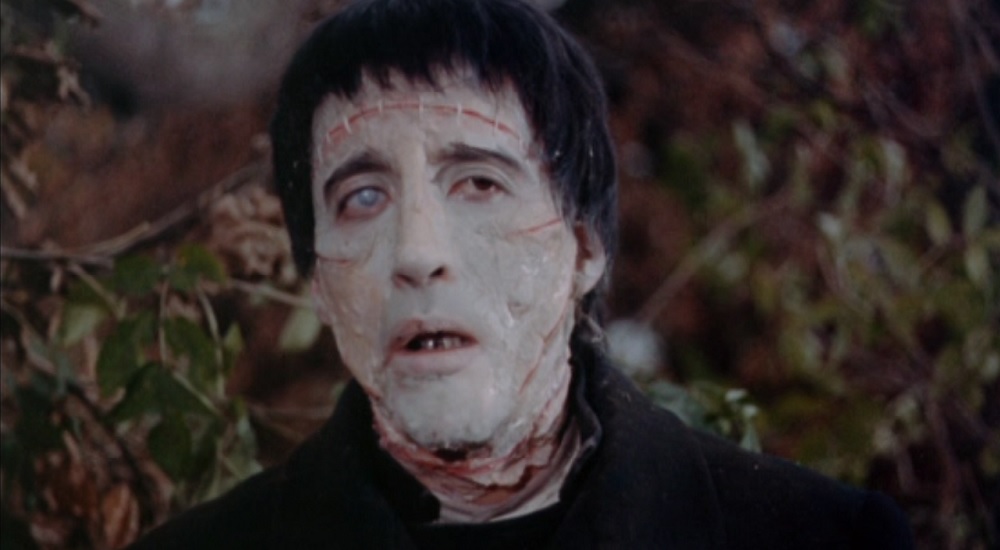
Peter Cushing stars as Dr. Frankenstein and Christopher Lee as the creature in Hammer Studios’ retelling of the Frankenstein legend. Directed by Terence Fisher, who would go on to make Horror of Dracula a year later, this film is often regarded as one of the finest adaptations of Mary Shelley’s novel, even rivaling the classic Universal versions. Told in flashback from a prison cell, Victor Frankenstein recounts the story of how his obsession with discovering the secret of life led him to commit unspeakable crimes. For a film made in 1957, the horror remains remarkably effective, due in large part to Lee’s chilling performance. As Hammer’s first color horror film, The Curse of Frankenstein was notable for its bold use of gore in color and its vivid gothic style. It marked the beginning of the studio’s signature brand of horror and launched a successful series of sequels, with Fisher directing several of them.

Dark Star (USA, 1974)

Directed by: John Carpenter
Written by: John Carpenter, Dan O’Bannon
Cast: Dan O’Bannon, Dre Pahich, Brian Narelle

John Carpenter’s debut film gives us a cynical look at outer space travel. Not the majestic kind Kubrick showed us in 2001: A Space Odyssey, but more like space travel as a monotonous, blue-collar grind. Dark Star is the name of the ship that looks like a surf board. The job of its crew is to destroy unstable planets. And while this may sound exciting, the five crew members – who have been on board Dark Star for twenty years – are mostly bored out of their minds and increasingly detached from reality. Co-writer and actor Dan O’Bannon originally conceived the idea of an alien aboard the ship, but budget limitations forced him to turn that concept into the film’s now-infamous beach-ball creature. His alien idea would later become Ridley Scott’s Alien (1979). Tarantino once called this movie a masterpiece. I don’t see it that way, but I like the 2001 parody concept and the execution, including the inventive special effects, is certainly well done.

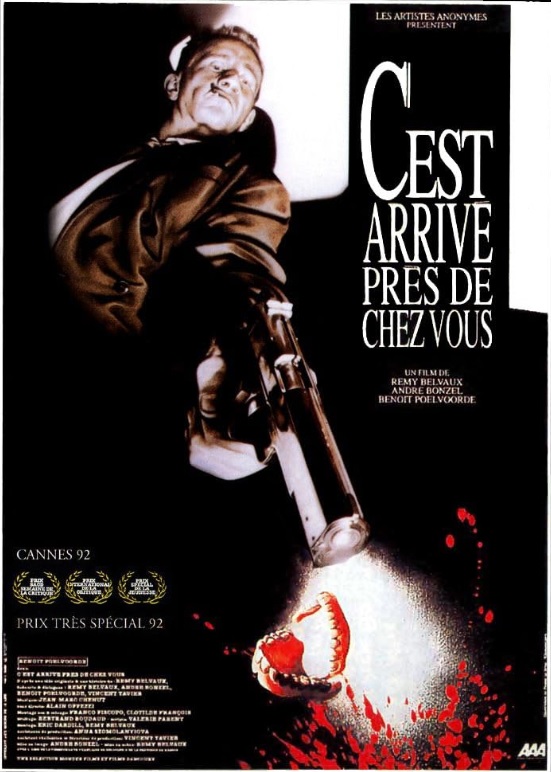
Man Bites Dog | C’est arrivé près de chez vous (Belgium, 1992)

Directed by: Rémy Belvaux, André Bonzel, Benoît Poelvoorde
Written by: Rémy Belvaux, André Bonzel, Benoît Poelvoorde
Cast: Benoît Poelvoorde, Jacqueline Poelvoorde-Pappaert, Nelly Pappaert

In this notorious cult classic from the French part of Belgium, a three-headed camera crew follows the gleefully depraved serial killer Ben, as he spends his days gruesomely murdering people for sport and profit. During the shoot, the crew becomes more and more complicit in Ben’s crimes. The sheer amount of killings is not very realistic, but the profiling of the killer, chillingly portrayed by Benoît Poelvoorde, convinces in all its sickness. The mockumentary concept was pretty new at the time, and the approach – taking the viewer inside the mind of a horrible human being, who – when he’s not busy killing people against depressing urban backdrops – is offering his warped and racist views in interviews – makes for disturbing cinema. The filmmakers, who worked on a shoestring budget, wanted to make something different, and they have succeeded in this task. C’est arrivé près de chez vous (‘It Happened Near You’) became a unique, deeply unsettling, and darkly comic milestone of cult cinema.

The Lady in Red (USA, 1979)

Directed by: Lewis Teague
Written by: John Sayles
Cast: Pamela Sue Martin, Robert Conrad, Louise Fletcher

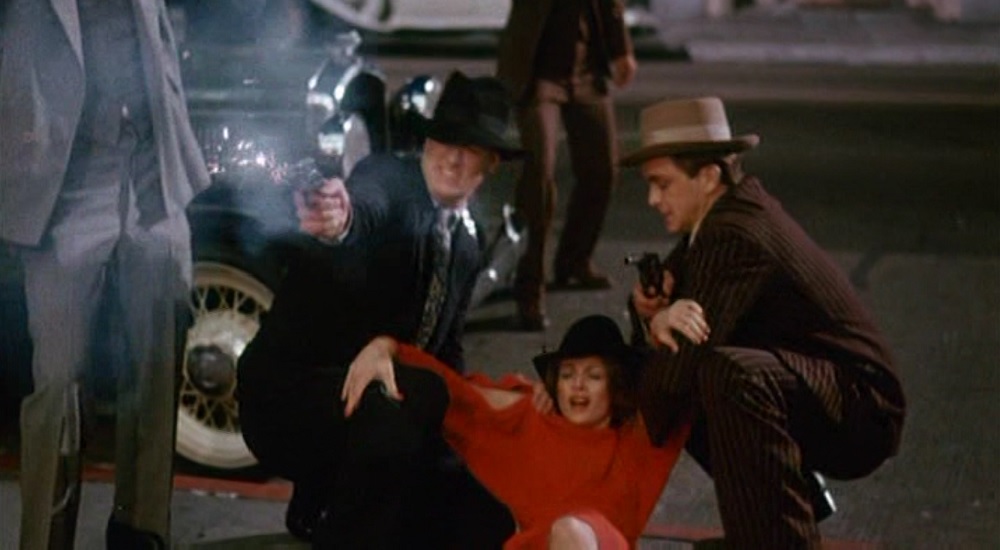
Farm girl Polly moves to Chicago, where she becomes romantically involved with gangster John Dillinger. The film is curious in that it’s not really about Dillinger, but about his girlfriend and the unwitting role she played in the gangster’s famous demise at a movie theater. It traces Polly’s own descent into crime: she starts out as a seamstress, tries her hand at prostitution, and eventually ends up in jail. After Dillinger’s death, she organizes a dangerous but lucrative armed robbery on her own. Written by John Sayles, directed by Lewis Teague, and produced by Julie Corman – indeed, Roger Corman’s wife – the film unmistakably feels like a Corman-style exploitation picture, complete with plenty of bloody, machine-gun action. In his 2021 book ‘Once Upon a Time in Hollywood‘, Quentin Tarantino mentioned that in an alternate Hollywood universe, he directed a remake of this film. It certainly sounds like something he’d do well. Who knows – maybe an idea for his tenth and final movie?