Mijn 15 favoriete boeken aller tijden

15. Swag (1976)
door Elmore Leonard
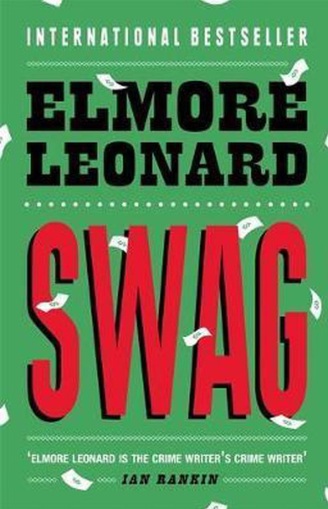
Elmore Leonard, bekend om zijn scherpe westerns en misdaadromans, zag veel van zijn werk verfilmd, zoals ‘Get Shorty’ en ‘Rum Punch’ (als Jackie Brown). ‘Swag’ is echter het beste boek dat ik van hem heb gelezen. Het volgt twee kleine criminelen, Frank en Ernest, die besluiten dat gewapende overvallen op drankwinkels en cafés de ideale route zijn naar crimineel succes: hoge opbrengsten met een minimale pakkans. Hun carrière bloeit even op, en ze genieten volop van de vruchten die dit afwerpt, maar al snel worden Frank’s ogen groter dan zijn maag en vergeten ze de 10 gouden regels die ze in het begin van hun korte carrière hadden opgesteld. Fantastisch plot en dito personages. Leest als een trein!

14. Ubik (1969)
door Philip K. Dick
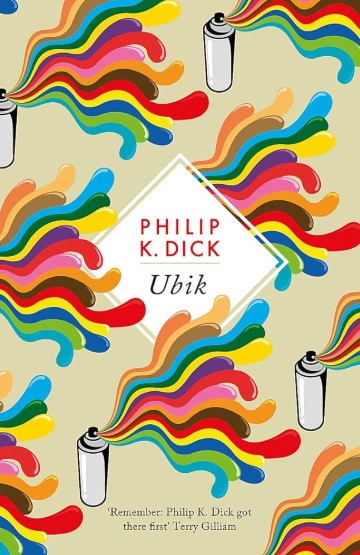
Philip K. Dick heeft veel memorabele boeken op zijn naam staan, maar ‘Ubik’ is wel zijn meesterwerk. In het toen nog toekomstige 1992 zijn psychische krachten gemeengoed. Ook worden sommige overledenen beheerd in ‘half-leven’, een toestand van gelimiteerd bewustzijn. Hoofdpersoon Joe Chip wordt op een maanmissie gestuurd met tien collega’s. Ze overleven een explosie en beginnen daarna vreemde veranderingen in hun realiteit te ervaren: objecten vergaan veel sneller en ze lijken zich terug in de tijd te bewegen in plaats van vooruit. Het enige dat tijdelijk helpt, is het goedje Ubik, dat in spuitbusvorm voorhanden is. Dit alles leidt tot een briljante conclusie. Een fantastische plot over Dick’s favoriete thema: wat is echt? Het boek diende als inspiratie voor de briljante Marvel-serie WandaVision.

13. Het gouden ei (1984)
door Tim Krabbé
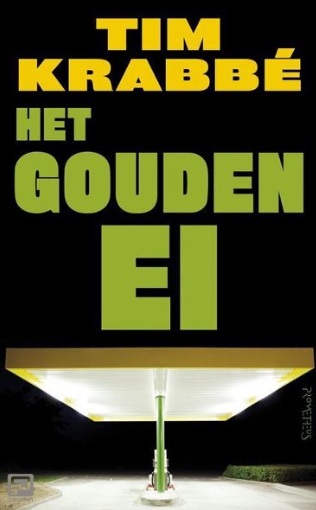
Deze dunne thrillerroman – typisch iets wat je op de middelbare school op je examen leeslijst zet – is een fascinerend en huiveringwekkend meesterwerkje. Voor wie het niet kent, en de conclusie niet weet, ga het lezen. Je zult nog lang blijven doormalen over de uiterst verontrustende ontknoping. Uitstekend verfilmd als Spoorloos / The Vanishing in 1988, een eveneens afschuwelijke ervaring, maar boeken weten nu eenmaal net iets dieper onder je huid te kruipen en de psychologische impact van ‘Het gouden ei’ is ongekend.

12. American Psycho (1991)
door Bret Easton Ellis
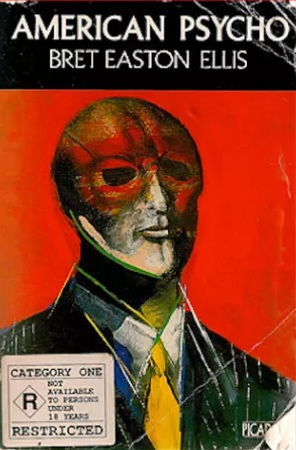
Dit is een buitengewoon verontrustend boek: een scherp commentaar op het kapitalisme, verpakt in een horrorvertelling. Patrick Bateman, een beurshandelaar met een leeg bestaan en een even lege persoonlijkheid, neemt ons mee in zijn leven vol vlakke, oppervlakkige observaties. Totdat zijn ware aard langzaam maar zeker aan het licht komt. Hij blijkt een gruwelijke seriemoordenaar, die zijn slachtoffers op buitengewoon sadistische manieren om het leven brengt. De grafische horror in dit boek tart elke verbeelding en is moeilijk, zo niet onmogelijk, om ooit nog uit je hoofd te krijgen. Een gestoord meesterwerk dat de zieke geest van een psychopaat blootlegt – en misschien wel dichter bij onze huidige samenleving staat dan we durven toe te geven.

11. Out (1997)
door Natsuo Kirino
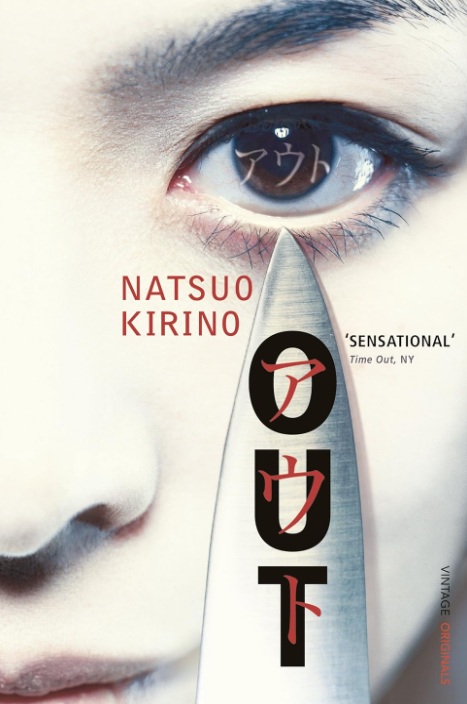
‘Out’ – de Nederlandse vertaling heet ‘De Nachtploeg’ – van de Japanse auteur Natsuo Kirino is een meedogenloos spannende thriller die de levens volgt van vier vrouwen die ’s nachts werken in een fabriek voor voorverpakte maaltijden in Tokio. Wanneer een van hen in een vlaag van zelfverdediging haar gewelddadige man vermoordt, besluiten de vrouwen – onder leiding van de sterke Masako – samen het lichaam te verbergen. Maar als een zak met lichaamsdelen wordt ontdekt, komen ze niet alleen in het vizier van de politie, maar ook van een gevaarlijke seriemoordenaar die de stad onveilig maakt. Kirino weeft een claustrofobisch en beklemmend verhaal, waarin de desperatie, loyaliteit en wreedheid van de vrouwen centraal staan. De lugubere sfeer, scherpe dialogen en onvoorspelbare plotwendingen maken ‘Out’ tot een ijzersterke, ongemakkelijke thriller die je nog lang bijblijft. Absoluut lezen!

10. Ready Player One (2011)
door Ernest Cline
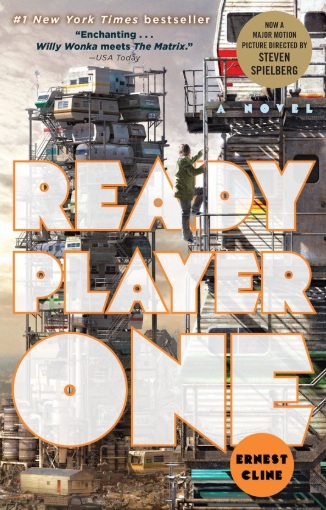
‘Ready Player One’, het debuut van Ernest Cline, is als de ‘Sjakie en de Chocoladefabriek’ voor de digitale generatie. In een dystopische toekomst, waar de echte wereld is verpest door klimaatverandering en sociale onrust, vlucht bijna iedereen in de OASIS – een uitgestrekte, met popcultuur doordrenkte metaverse. Hoofdpersoon Wade Watts, een verarmde tiener, probeert zijn troosteloze bestaan te ontvluchten door als eerste de drie verborgen sleutels te vinden die leiden naar het miljardenfortuin van James Halliday, de excentrieke schepper van de OASIS. Cline’s meeslepende verhaal is niet alleen razend spannend, maar ook een feest der herkenning voor liefhebbers van ’80s- en ’90s-popcultuur, videogames, muziek en films. Wade’s epische zoektocht – vol puzzels, gevechten en onverwachte bondgenoten – is onweerstaanbaar. Het is lang geleden dat ik zoveel plezier had in het lezen van een boek.

9. Charlie and the Chocolate Factory (1964)
door Roald Dahl
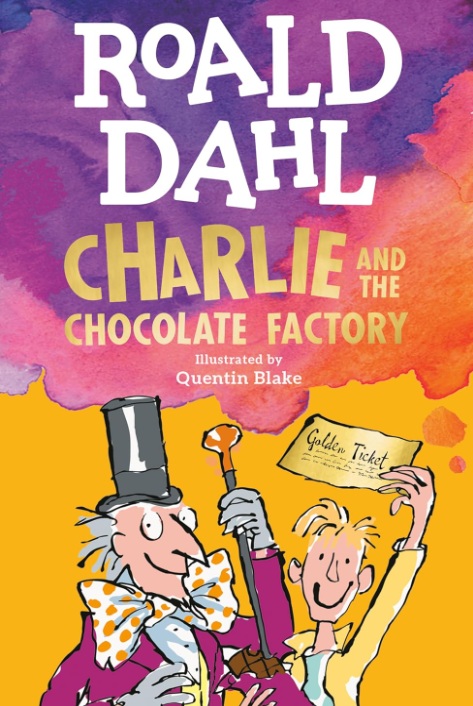
De meeste boeken van Roald Dahl verdienen een plekje in deze lijst, maar als ik er één moet kiezen, ga ik voor dit onbetwiste meesterwerk van de kinderliteratuur. Het verhaal volgt Sjakie Stevens, een arme maar dappere jongen die meedoet aan de ultieme wedstrijd: het vinden van een van de vijf gouden wikkels in chocoladerepen, die hem toegang geeft tot de mysterieuze fabriek van Willy Wonka. Zoveel het magische begin over de ultieme competitie als de doldwaze avonturen in de fabriek, stimuleren maximaal de verbeelding. Een onvergetelijk avontuur dat generaties blijft betoveren.

8. Harry Potter and the Deathly Hallows (2007)
door J. K. Rowling
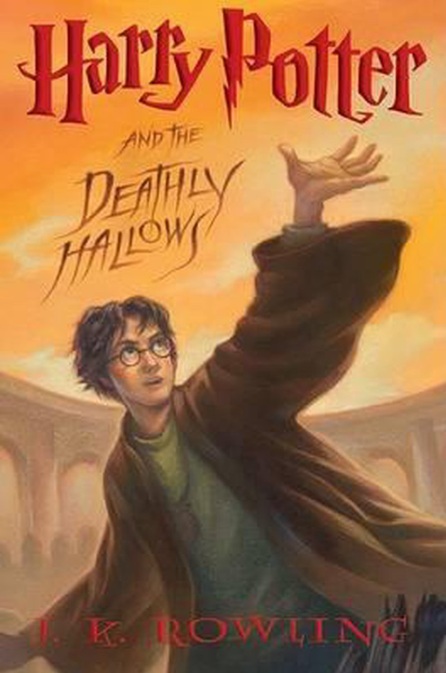
Het heeft even geduurd voor ik me aan deze serie heb gewaagd, maar toen ik begon was ik al snel verslaafd. De hele reeks is uitzonderlijk goed geschreven: spannend, fantasierijk en betoverend, waarbij elk deel nog beter en meeslepender wordt dan het vorige. Maar dit laatste boek is mijn absolute favoriet. Alles wat in de eerdere delen is opgebouwd, komt hier samen tot een meesterlijke conclusie. Het verhaal is bloedspannend, vol tragische en hartverwarmende momenten, en bewijst dat elke hint, elk detail een doel had. Een tijdloos, magisch slotakkoord dat de hele serie perfect afrondt.

7. Trainspotting (1993)
door Irvine Welsh
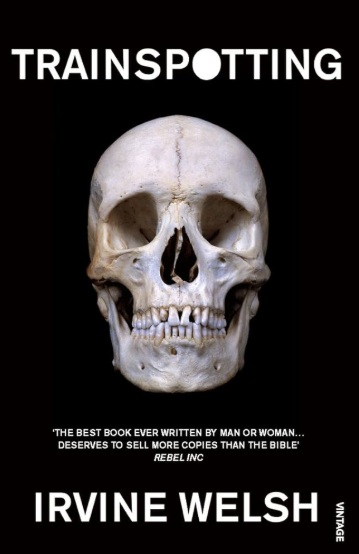
‘Trainspotting’ is in het begin moeilijk te lezen door het Schotse dialect en de straattaal, maar als je er eenmaal in zit, blijkt het een meesterwerk. Het boek volgt een groep heroïneverslaafden in Edinburgh en hun chaotische sociale leventjes. Het verhaal wordt verteld vanuit verschillende perspectieven – zowel mannelijk als vrouwelijk – en zit vol onvergetelijke, hilarische scènes in een rauw, maar briljant taalgebruik. Mark Renton is de hoofdpersoon waarvan we het meest te horen krijgen. Zijn verhaal vormde later de basis voor de iconische filmbewerking uit 1996. Dit boek is onmisbaar voor wie van grimmige humor, sociaal realisme en onvergetelijke personages houdt.

6. The Warlord Chronicles (1995-1997)
door Bernard Cornwell
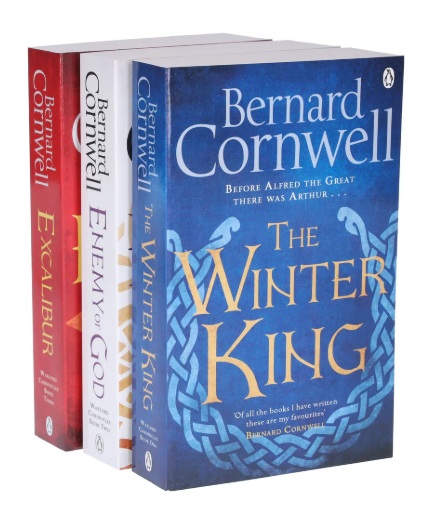
De Warlord Chronicles, ook wel bekend als de Warlord Trilogy, is een reeks van drie romans (‘The Winter King’ (1995) | ‘Enemy of God’ (1996) | ‘Excalibur’ (1997)) over het Arthuriaanse Groot-Brittannië, geschreven door genre-specialist Bernard Cornwell. Het verhaal is een mix van historische fictie en Arthuriaanse legendes. Ik pikte het derde boek op tijdens een vakantie in Thailand en verdween meteen drie dagen van de kaart. Dit is hoe je een middeleeuwse vertelling met fantasie-elementen tot leven brengt. Eenmaal thuisgekomen heb ik de trilogie opgepikt en sindsdien is dit een van favoriete series aller tijden.

5. The Godfather (1969)
door Mario Puzo
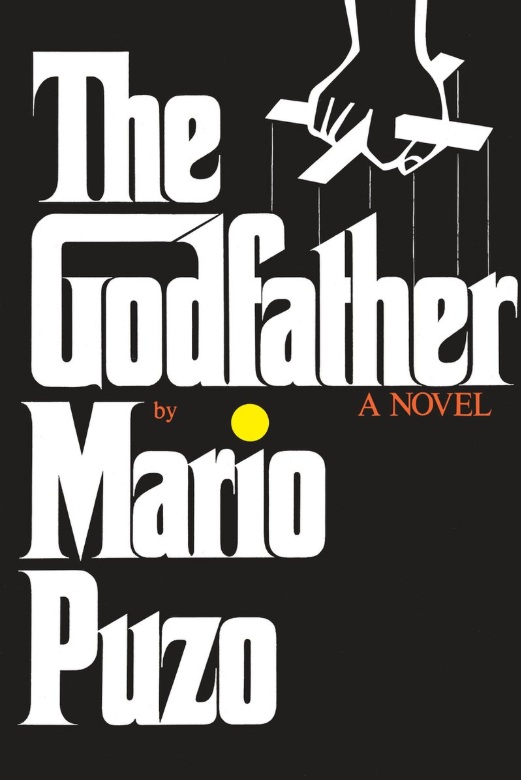
‘The Godfather’ van Mario Puzo is niet alleen de basis voor een van de grootste films aller tijden, maar ook een meesterlijk boek op zich. Hoewel Puzo af en toe bijverhalen toevoegt die misschien niet helemaal passen, is de familiegeschiedenis van de Corleones een van de mooiste en meest epische verhalen ooit verteld. Familie, eer en verraad komen samen in dit dramatische en bloedige maffia-epos, dat Shakespeare waardig is. Puzo’s verhaal is briljant en onvergetelijk – een tijdloos meesterwerk dat blijft fascineren.

4. The Secret History (1992)
door Donna Tartt
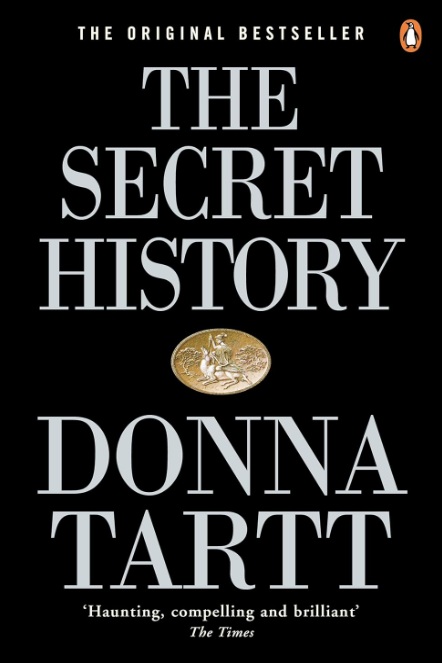
‘De verborgen geschiedenis’ is het debuut van de Amerikaanse schrijfster Donna Tartt. Deze campusroman volgt een hecht groepje van zes studenten Klassieke Talen aan Hampden College, een kleine, elitaire universiteit in Vermont. Het verhaal neemt je mee in een gruwelijke misdaad gepleegd door de studenten zelf, de omstandigheden eromheen en de verwoestende, blijvende gevolgen voor hun academische en sociale isolatie. Tartt vertelt dit verhaal met meesterlijk vakmanschap – sfeervol, intelligent en onweerstaanbaar mooi. Het boek laat een onuitwisbare indruk achter en bewijst waarom het al decennialang als een moderne klassieker wordt beschouwd.

3. IT (1986)
door Stephen King
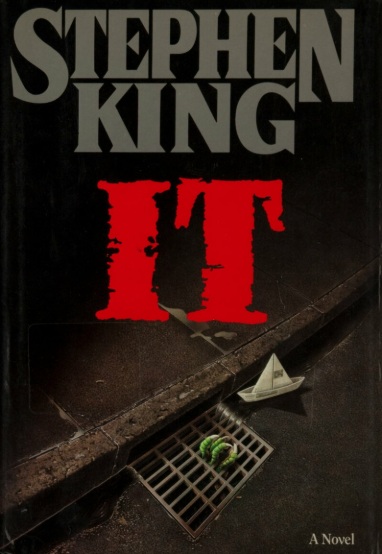
‘Het’ van Stephen King heeft me al sinds de eerste blik op die onheilspellende cover – met die monsterlijke hand in een straatput – gefascineerd. Toen ik eenmaal begon met lezen, groeide die fascinatie alleen maar. Hoe angstaanjagend en wreed het verhaal ook is, ik herken er tegelijkertijd iets hoopvols en magisch in – iets wat alleen een kindergeest zo puur kan bevatten. The Losers’ Club, die groep kinderen die de strijd aangaan met ‘Het’, belichaamt alles wat jeugd is: vriendschap, angsten, te vroeg opgedrongen volwassen thema’s en de trauma’s die daaruit voortkomen. Maar ook het overwinnen van die angsten – en de erkenning dat de sporen uit je jeugd altijd blijven, en om compassie vragen. King heeft vele meesterwerken geschreven, maar dit is zijn magnum opus – een tijdloos, ontroerend en doodeng epos dat je nooit meer loslaat.

2. The Lord of the Rings (1954)
door J.R.R. Tolkien
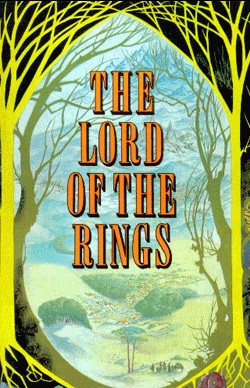
The Lord of the Rings films van Peter Jackson zijn meesterlijk, maar de boeken van J.R.R. Tolkien zijn zo mogelijk nog magischer. Geen enkel ander verhaal voelt zo ‘buitenaards’ – de weidse landschappen, de talloze vreemde wezens, de onvergetelijke personages en het epische verhaal zelf zijn adembenemend mooi en overweldigend. Ik heb het twee keer gelezen, en beide keren wist het me helemaal in zijn ban te slaan. Er bestaat simpelweg geen grotere klassieker – een tijdloos meesterwerk dat je altijd bijblijft.

1. Fear and Loathing in Las Vegas: A Savage Journey to the Heart of the American Dream (1971)
door Hunter S. Thompson
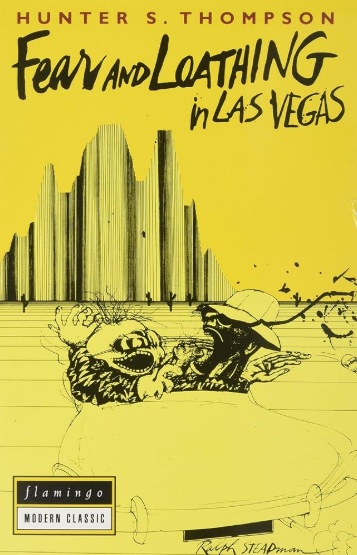
Sinds ik het voor het eerst las in Thailand, 2001, is dit mijn absolute favoriete boek. Oorspronkelijk gepubliceerd als een tweedelig verhaal in Rolling Stone, groeide het uit tot het ultieme boek over de vroege jaren ’70 en de countercultuur – een hallucinante zoektocht naar de Amerikaanse droom die geen enkel ander werk zo memorabel heeft vastgelegd. De centrale emoties – angst en walging – spatten van elke pagina, terwijl de psychedelische humor onovertroffen blijft. Thompson’s unieke Gonzo-stem maakt dit tot een van de best geschreven teksten aller tijden – chaotisch, briljant en onverbiddelijk eerlijk, zelfs als de feiten niet altijd letterlijk waar zijn. Nog steeds een grote inspiratie voor verhalen die niet de waarheid hoeven te zijn, maar wel de essentie raken.

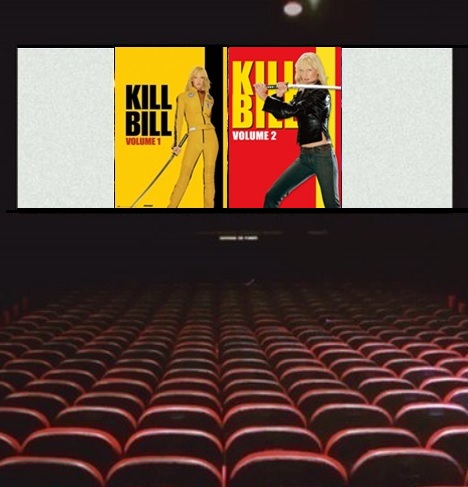
Double Bill #17: Kill Bill Vol. 1 & Kill Bill Vol. 2

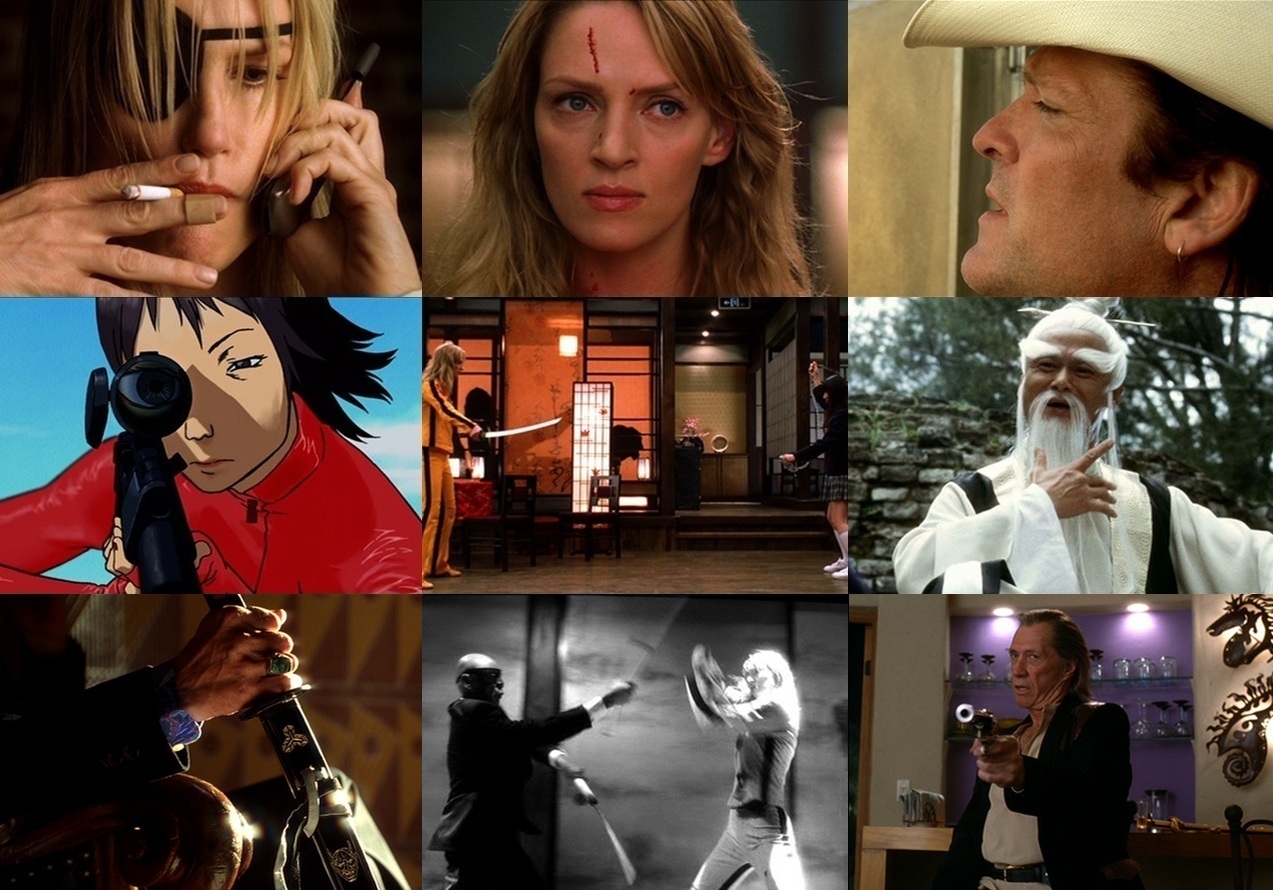
After Jackie Brown, Tarantino took a long break (six years), but when he returned, he did so with a vengeance. If you’re going to compare a Tarantino movie, you compare it to every other movie ever made that wasn’t made by Quintin Tarantino. By that standard, the two-part Kill Bill saga stands among the finest pieces of cinematic art of the century so far. Here, Tarantino does what he does best – lifting fragments from forgotten genre and exploitation cinema and fusing them into something wholly original – better than ever before. It’s a double-edged sword in many ways: a bold blend of Eastern and Western influences, effortlessly shifting between comic-book ultraviolence and moments of genuine emotional weight. This tonal balance works largely thanks to Uma Thurman’s superb central performance as The Bride, which anchors the madness with real feeling. The story itself is simple, yet utterly captivating. The characters are fascinating and endlessly quotable. The style is unmistakable and unmatched. Volume 1 plays like the ultimate samurai/yakuza/action movie of your childhood – the one you could watch endlessly – only somehow even better. Volume 2, by contrast, leans into the rhythms of a spaghetti western, offering more of Tarantino’s signature dialogue and a terrific performance by David Carradine, who reimagines his Kung Fu character Kwai Chang Caine as a pop culture loving and psychopathic mentor. Structured in ten chapters and told out of chronological order, Kill Bill unfolds as a true epic, packed with all of Tarantino’s hallmarks: razor-sharp humor, wax-museum characters, stylized violence, brilliant music choices, and a Pussy Wagon–load of pop culture references. The only Double Bill I actually experienced in theaters – back when Volume 2 was released in 2004 – and one I’ll never forget. Whenever The Whole Bloody Affair finally arrives in European theaters, I will be there for sure.

Cult Radar: Part 12

FilmDungeon.com is glad to explore the video trenches to find that oddball treasure between the piles of crap out there. Of course, a treasure in this context can also be a film that’s so shockingly bad it’s worth a look, or something so bizarre that cult fans just have to see it. Join us on our quest and learn what we learn. Hopefully we’ll uncover some well-hidden cult gems.

Researched by: Jeppe Kleijngeld

Across 110th Street (USA, 1972)

Directed by: Barry Shear
Written by: Luther Davis, Wally Ferris
Cast: Anthony Quinn, Yaphet Kotto, Anthony Franciosa

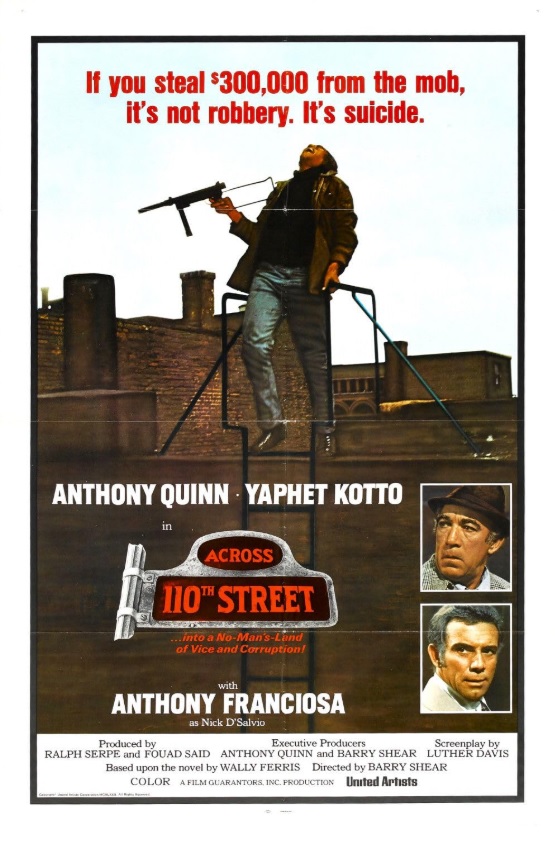
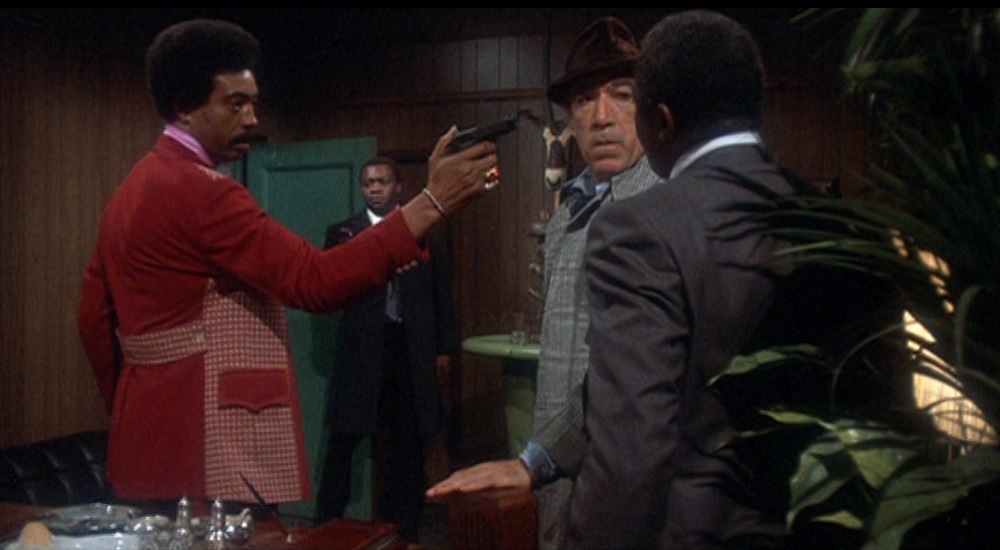
Tarantino’s Jackie Brown opens to the same rip-roaring title song as this movie: ‘Across 110th Street’ by Bobby Womack. It’s a homage to an exploitation classic, a New York set crime thriller about a gang of black criminals who rob the mob, sparking a brutal chase involving both the Mafia and the police. The police duo in charge consists of the corrupt captain Frank Matteli (Anthony Quinn) and Lieutenant William Aylesworth Pope (Yaphet Kotto); a street guy versus a guy who wants to do it by the book. Their chemistry is electric, giving the movie an emotional and moral backbone amid the chaos. The film was slammed at the time for the extreme violence, and while the film is indeed gritty, it is generally well acted and executed. Beneath the grit lies a sharp commentary on race, corruption, and urban decay in 1970s America. Watching it now, it’s easy to see why Tarantino holds it in such high regard.

The Curse of Frankenstein (UK, 1957)

Directed by: Terence Fisher
Written by: Jimmy Sangster (screenplay), Mary Shelley (novel)
Cast: Peter Cushing, Hazel Court, Robert Urquhart, Christopher Lee

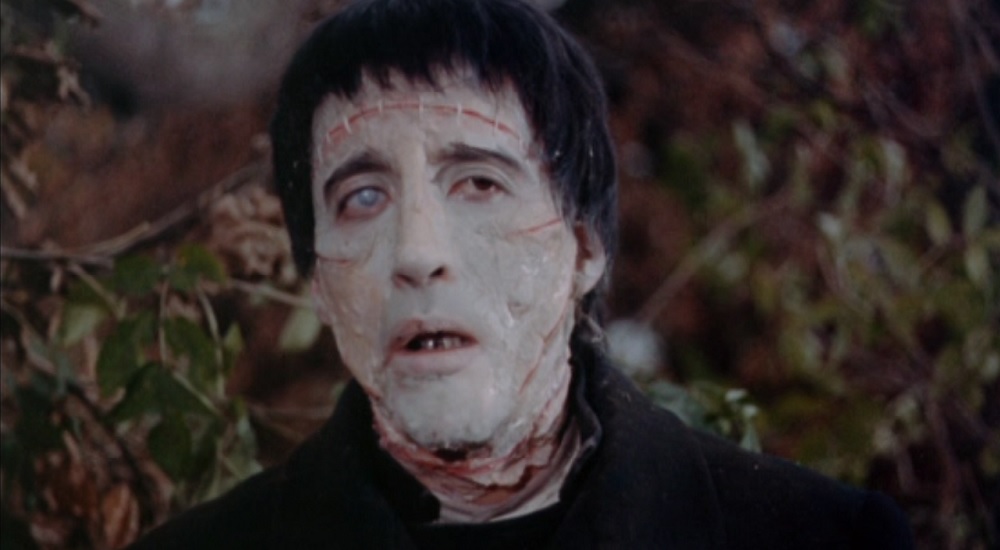
Peter Cushing stars as Dr. Frankenstein and Christopher Lee as the creature in Hammer Studios’ retelling of the Frankenstein legend. Directed by Terence Fisher, who would go on to make Horror of Dracula a year later, this film is often regarded as one of the finest adaptations of Mary Shelley’s novel, even rivaling the classic Universal versions. Told in flashback from a prison cell, Victor Frankenstein recounts the story of how his obsession with discovering the secret of life led him to commit unspeakable crimes. For a film made in 1957, the horror remains remarkably effective, due in large part to Lee’s chilling performance. As Hammer’s first color horror film, The Curse of Frankenstein was notable for its bold use of gore in color and its vivid gothic style. It marked the beginning of the studio’s signature brand of horror and launched a successful series of sequels, with Fisher directing several of them.

Dark Star (USA, 1974)

Directed by: John Carpenter
Written by: John Carpenter, Dan O’Bannon
Cast: Dan O’Bannon, Dre Pahich, Brian Narelle

John Carpenter’s debut film gives us a cynical look at outer space travel. Not the majestic kind Kubrick showed us in 2001: A Space Odyssey, but more like space travel as a monotonous, blue-collar grind. Dark Star is the name of the ship that looks like a surf board. The job of its crew is to destroy unstable planets. And while this may sound exciting, the five crew members – who have been on board Dark Star for twenty years – are mostly bored out of their minds and increasingly detached from reality. Co-writer and actor Dan O’Bannon originally conceived the idea of an alien aboard the ship, but budget limitations forced him to turn that concept into the film’s now-infamous beach-ball creature. His alien idea would later become Ridley Scott’s Alien (1979). Tarantino once called this movie a masterpiece. I don’t see it that way, but I like the 2001 parody concept and the execution, including the inventive special effects, is certainly well done.

Man Bites Dog | C’est arrivé près de chez vous (Belgium, 1992)

Directed by: Rémy Belvaux, André Bonzel, Benoît Poelvoorde
Written by: Rémy Belvaux, André Bonzel, Benoît Poelvoorde
Cast: Benoît Poelvoorde, Jacqueline Poelvoorde-Pappaert, Nelly Pappaert

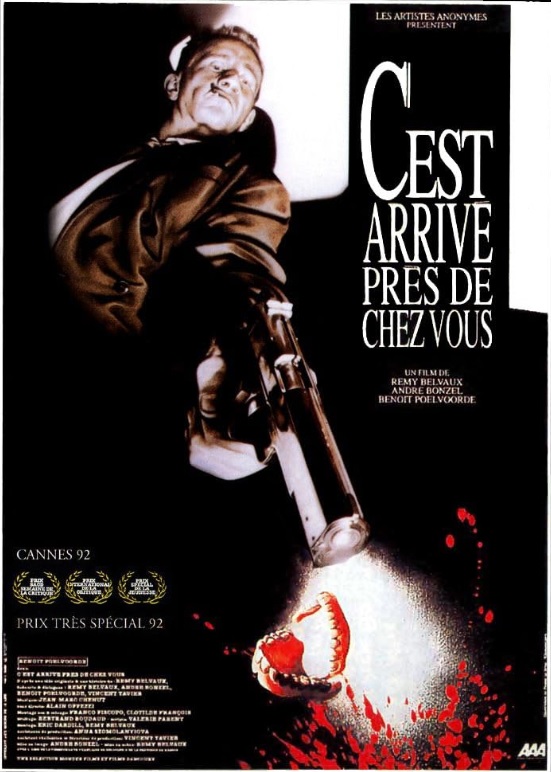
In this notorious cult classic from the French part of Belgium, a three-headed camera crew follows the gleefully depraved serial killer Ben, as he spends his days gruesomely murdering people for sport and profit. During the shoot, the crew becomes more and more complicit in Ben’s crimes. The sheer amount of killings is not very realistic, but the profiling of the killer, chillingly portrayed by Benoît Poelvoorde, convinces in all its sickness. The mockumentary concept was pretty new at the time, and the approach – taking the viewer inside the mind of a horrible human being, who – when he’s not busy killing people against depressing urban backdrops – is offering his warped and racist views in interviews – makes for disturbing cinema. The filmmakers, who worked on a shoestring budget, wanted to make something different, and they have succeeded in this task. C’est arrivé près de chez vous (‘It Happened Near You’) became a unique, deeply unsettling, and darkly comic milestone of cult cinema.

The Lady in Red (USA, 1979)

Directed by: Lewis Teague
Written by: John Sayles
Cast: Pamela Sue Martin, Robert Conrad, Louise Fletcher

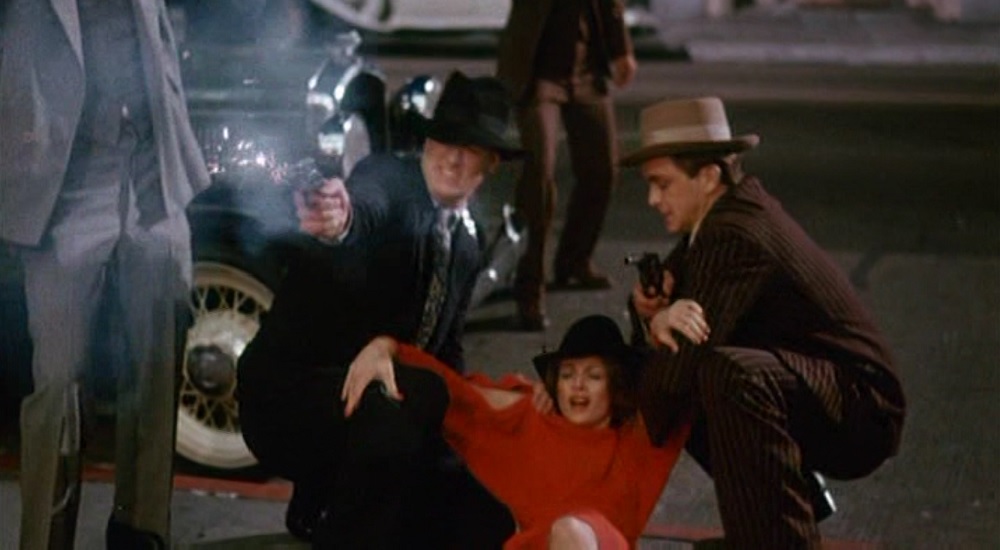
Farm girl Polly moves to Chicago, where she becomes romantically involved with gangster John Dillinger. The film is curious in that it’s not really about Dillinger, but about his girlfriend and the unwitting role she played in the gangster’s famous demise at a movie theater. It traces Polly’s own descent into crime: she starts out as a seamstress, tries her hand at prostitution, and eventually ends up in jail. After Dillinger’s death, she organizes a dangerous but lucrative armed robbery on her own. Written by John Sayles, directed by Lewis Teague, and produced by Julie Corman – indeed, Roger Corman’s wife – the film unmistakably feels like a Corman-style exploitation picture, complete with plenty of bloody, machine-gun action. In his 2021 book ‘Once Upon a Time in Hollywood‘, Quentin Tarantino mentioned that in an alternate Hollywood universe, he directed a remake of this film. It certainly sounds like something he’d do well. Who knows – maybe an idea for his tenth and final movie?

What Will Be Tarantino’s 10th and Final Film?

It is well established that Quentin Tarantino wants to complete his career as director with a total of 10 films. With Once Upon a Time in Hollywood (2019) as his ninth, that that leaves just one final movie to cap off an iconic career.

Tarantino has taken long breaks between projects before. After Jackie Brown (1997), he didn’t return with another feature until Kill Bill: Vol. 1 in 2003. So the current six-year gap since Once Upon a Time in Hollywood isn’t unusual, but fans are still eagerly waiting for news.

In 2023, it looked like Tarantino had settled on his swan song: The Movie Critic. The film was to center on a character inspired by a real-life reviewer for an adult magazine Tarantino encountered as a teenager while restocking porno mag vending machines. During his work, Tarantino said he came to really appreciate the writing of this film critic.

“He was as cynical as hell. His reviews were a cross between early Howard Stern and what Travis Bickle might be if he were a film critic”, Tarantino said. Tarantino wanted an actor he had never worked with as the main character and Brad Pitt was said to be in talks to join the cast, though not as the title critic. The project sounded promising, but in 2024, Tarantino shelved it for artistic reasons. Just like that, The Movie Critic was off the table.

There was also buzz about Tarantino tackling a Star Trek film – an unusual move, given his preference for original stories (with Jackie Brown, adapted from Elmore Leonard, being the lone exception). But on the ReelBlend podcast, he suggested that a Star Trek film perhaps wouldn’t ‘count’ as his tenth. That project, too, now seems dead.

So what’s next? According to The Hollywood Reporter, while rewriting The Movie Critic, Tarantino toyed with an ambitious idea: a ‘farewell metaverse’ in which characters from his past films might reappear in a ‘movie within a movie’ format – either as their original characters or as fictionalized versions of the actors who played them. But for now, that’s just speculation.


In my DVD collection, I left over a single place for Tarantino’s final film. His filmography as director so far: 1. Reservoir Dogs, 2. Pulp Fiction, 3. Jackie Brown, 4. Kill Bill (counting as one film), 5. Death Proof, 6. Inglourious Basterds, 7. Django Unchained, 8. The Hateful Eight, and 9. Once Upon a Time in Hollywood.

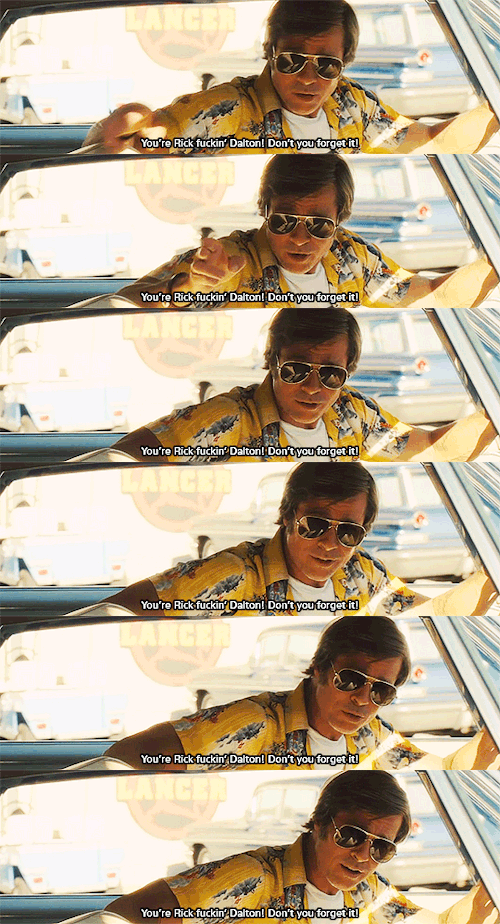
The only concrete Tarantino-related project currently in the pipeline is The Continuing Adventures of Cliff Booth, a spin-off from Once Upon a Time in Hollywood. In this film, Brad Pitt’s character – stuntman and all-around tough guy Cliff Booth – becomes a Hollywood studio fixer. The film is being directed by David Fincher for Netflix, marking the first time since From Dusk Till Dawn (1996) that Tarantino is writing but not directing a film.

So what about the final film? At the 2025 Sundance Film Festival, Tarantino addressed this very question. “I don’t want to rush into production”, he said. “I’ve been in a hurry for the last 30 years, but not right now.” The reason? His family. “My son turns five next month, and my daughter is two and a half. The idea of taking on a huge project when my kids are so young doesn’t appeal to me.”

Tarantino added that he wants to wait until his son is at least six. “That way, he’ll know what’s going on, he’ll be there, and it’ll be a memory for the rest of his life.” That could mean production starts sometime next year, but only if inspiration strikes.

Interestingly, Tarantino revealed at Sundance that he’s currently working on a stage play. While he didn’t share any details, he hinted that if the play turns out well, it might be adapted into his final film. “If it’s a fiasco, it’s just a play. But if it succeeds, maybe it becomes the movie.”

So there you have it: while Tarantino’s tenth film remains a mystery, we know he’s not in a rush. In the meantime, The Continuing Adventures of Cliff Booth promises to deliver more of the filmmaker’s signature style even if he’s not in the director’s chair this time. And who knows? That stage play just might be the unexpected final chapter in a legendary career.