Onlangs heeft Mr. Quentin Tarantino zijn tweede boek afgeleverd na ‘Once Upon a Time in Hollywood’ vorig jaar. Het heet ‘Cinema Speculation’ en is een non-fictieboek over films uit de jaren 70’, het tijdperk van zijn jeugd en volgens de de schrijver-regisseur het beste tijdperk voor films in Hollywood ooit. (Voor mij is dat de jaren 90’, het filmdecenium van mijn jeugd waarin Tarantino als regisseur een grote rol speelde).
Tijdens het lezen had ik voortdurend IMDb openstaan om de titels op te zoeken die QT beschrijft. Één van de eerste films die hij analyseert is Joe van John G. Avildsen (regisseur van Rocky en The Karate Kid). Het gaat over een right wing gun nut die hippies haat en ze wel wil vermoorden en dat op een gegeven moment ook gaat doen… Duidelijke inspiratie voor Once Upon a Time in Hollywood lijkt me.
Zijn moeder en haar vele vriendjes namen de jonge QT (vanaf 7 jaar) mee naar de meest gewelddadige films uit die tijd. Hij zag slechte exploitatiefilms, maar ook vele klassiekers, zoals de Dollars trilogie van Sergio Leone (zijn favoriete regisseur), Where Eagles Dare, Dirty Harry, The Godfather en The Wild Bunch. Hij was meestal het enige kind in een zaal vol volwassenen en begreep niet altijd alles van de films. Zo snapte hij niet dat de freeze frame op het einde van Butch Cassidy and the Sundance Kid betekende dat de hoofdpersonen dood gingen. Maar een voorwaarde van zijn moeder was dat hij geen domme vragen mocht stellen.
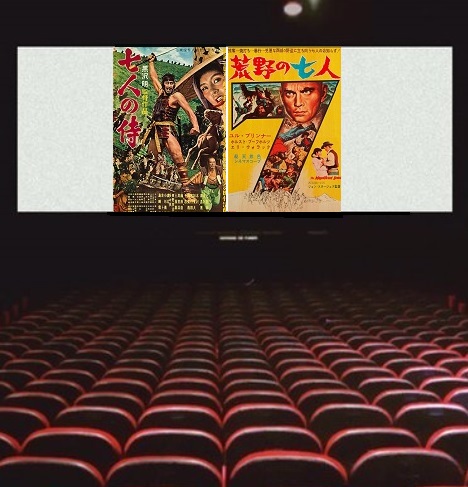
Zijn moeder ging een tijdje uit met zwarte mannen en die namen hem af en toe mee naar Blaxploitation films. Zo zag hij met een bijna volledig zwart publiek de film Black Gunn met Jim Brown. Hij observeerde goed hoe het publiek reageerde op zo’n film en op de acteurs. Hier heeft Tarantino zijn voornaamste opleiding genoten: in de bioscoopzaal. Vaak bij geweldige Double en Triple Bills die ze in die tijd nog vertoonden in de bioscopen in Los Angeles.

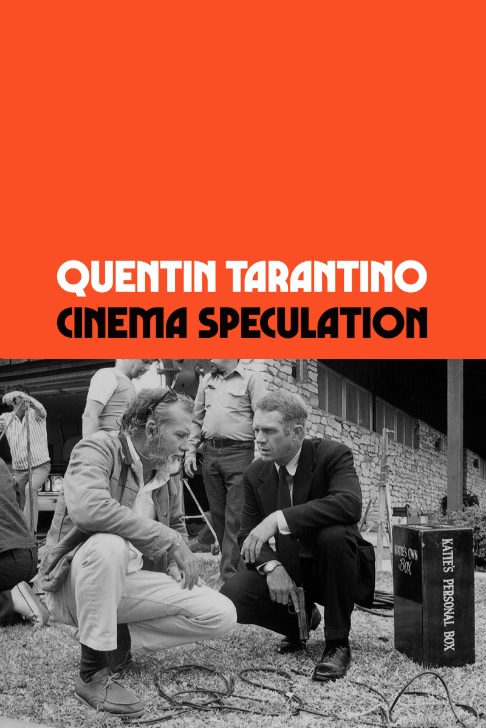
Op de cover: Regisseur Sam Peckinpah en filmster Steve McQueen op de set van The Getaway.
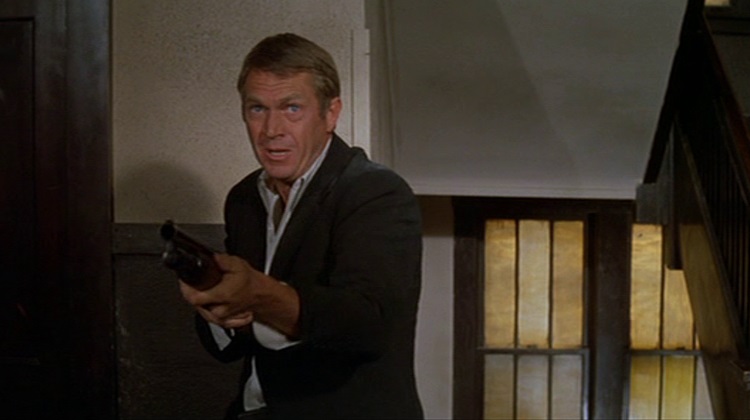
De film maestro geeft verschillende films een eigen hoofdstuk, zoals Bullitt met Steve McQueen (Steven Spielberg werkt momenteel aan een nieuwe interpretatie van deze klassieker). Bullitt herinnert men zich vooral vanwege de auto-achtervolging. Het plot kan niemand je meer vertellen (dat klopt). McQueen was de grootste ster van die tijd naast Newman en Beatty. Hij doet bijna niets in de film, schrijft Tarantino, maar toch is hij geweldig om naar te kijken. Hij acteert minimalistisch. Plus, hij is cool als agent Frank Bullitt omdat hij nooit zijn ‘cool’ verliest in tegenstelling tot andere helden. Als zijn onredelijke baas hem op zijn nek zit, reageert hij helemaal niet. ‘He doesn’t engage’.
De volgende film die hij in detail bespreekt is Dirty Harry, de klassieker die van Eastwood de grootste actiester maakte en van Don Siegel de beste actie-regisseur naast Peckinpah. De invloed van Dirty Harry kan niet onderschat worden. Samen met The French Connection luidde de film de transitie in van westerns naar politiefilms. Het is ook de eerste echte seriemoordenaar-film. Harry neemt het op tegen Scorpio, een fictieve versie van San Francisco’s echte Zodiac killer. The Silence of the Lambs en Se7en zijn de kinderen van Dirty Harry.
De samenleving was aan het veranderen in de jaren 70’, schrijft de auteur. De politie neemt het op voor de boeven, zo was soms de perceptie. Met Dirty Harry kregen de angstigen een held met een .44 kaliber Magnum aan hun zijde. Een held die een groep Black Panther-achtige overvallers uitschakelt terwijl hij een hotdog eet. En een held die het recht in eigen hand neemt als een zaak daarom vraagt. Curieus genoeg heeft het (volgens QT zwakke) vervolg Magnum Force de tegenovergestelde boodschap. Hierin neemt Harry het juist op tegen een groep moordenaars die criminelen zonder proces executeren.
Geweld speelt een grote rol in Tarantino’s films en dit is ook iets dat hij opikte in de glorieuze jaren 70’. Bijvoorbeeld bij de fantastische Double Bill Deliverance en The Wild Bunch. De eerste bevat een schokkende homoseksuele verkrachting. The Wild Bunch eindigt in één van de bruutste grafische geweldsexplosies uit de filmgeschiedenis. Ik bedenk me nu dat de man in Deliverance verkracht wordt door een echte hillbilly. Zou dat inspiratie hebben gevormd voor de verkrachting van Marcellus Wallace door hillbilly Zed in Pulp Fiction? Hoe het ook zij: wat Quentin schrijft over die scène klopt; in plaats van dat je wegkijkt van zoiets gruwelijks kun je je ogen er niet vanaf houden. Kennelijk heeft geweld iets fascinerends voor mensen en is film een ideaal medium om dit kanaliseren.
In de jaren 80’ veranderde dit in veel films. Hollywood ging self-censorship toepassen. De enige niet niet-compromitterende regisseurs uit deze jaren waren Lynch, Verhoeven, Cronenberg, Ferrera, Gilliam en De Palma (soms). Niet toevallig allemaal behorend tot mijn favoriete filmmakers aller tijden. Tarantino klaagt over het gebrek aan immorele, onsympathieke karakters in films uit die tijd. Personages als Parker uit Richard Stark’s boekenserie, waarvan de eerste verfilming The Outfit ook een eigen hoofdstuk krijgt in ‘Cinema Speculation’. Tarantino heeft zelf overwogen om een ‘Parker’ verfilming te doen in de jaren 90’ met Robert De Niro (als Parker), Harvey Keitel en Pam Grier in de hoofdrollen. Hij heeft spijt dat hij dit niet heeft gedaan en ik ook! Nu is Payback de enige Parker-verfilming uit dit decennium en hoewel het een prima film is was die van Tarantino ongetwijfeld beter geworden.
Wat is het speculatieve aspect van het boek uit de titel? Tarantino schrijft over de mogelijkheid dat Brian de Palma en niet Scorsese de film Taxi Driver zou hebben gemaakt. Blijkbaar was dat bijna gebeurd, maar vond De Palma de kans op een negatief financieel resultaat te groot (vreemde angst voor een regisseur, maar De Palma kende de noodzaak van een gat in de markt vinden en films te blijven maken). Als hij het gedaan had, was het ongetwijfeld meer een politieke thriller geworden. Bovendien had waarschijnlijk Jeff Bridges in plaats van De Niro Travis Bickle gespeeld en was de pooier waarschijnlijk zwart geweest zoals in het script en dus door een andere acteur gespeeld. Stel je voor, Taxi Driver zonder Harvey Keitel!
Is het boek een aanrader? Absoluut. Dat Tarantino kan schrijven is bekend. Daarnaast heeft de man ongelofelijk veel kennis en inzichten in het Hollywood van die tijd. Een must-read voor cinema fans dus. Wel een waarschuwing; je ‘to watch list’ wordt wel een heel stuk langer door het lezen van dit boek. De film waar ik me het meeste op verheug na het lezen van ‘Cinema Speculation’? Dat is Rolling Thunder over een getraumatiseerde Vietnam veteraan (nog zo’n echt jaren 70’ thema) die op jacht gaat naar een bende die hem in zijn huis hebben gemarteld en zijn vrouw en zoontje hebben vermoord. De lofzang die Tarantino over deze door Paul Schrader (Taxi Driver) geschreven film afsteekt maakt hem onweerstaanbaar. Het is er slechts één van vele.
Lees ook: QT8: The First Eight





 FRAGMENTEN UIT HET SCHEMERLAND