Cult Radar: Part 12

FilmDungeon.com is glad to explore the video trenches to find that oddball treasure between the piles of crap out there. Of course, a treasure in this context can also be a film that’s so shockingly bad it’s worth a look, or something so bizarre that cult fans just have to see it. Join us on our quest and learn what we learn. Hopefully we’ll uncover some well-hidden cult gems.

Researched by: Jeppe Kleijngeld
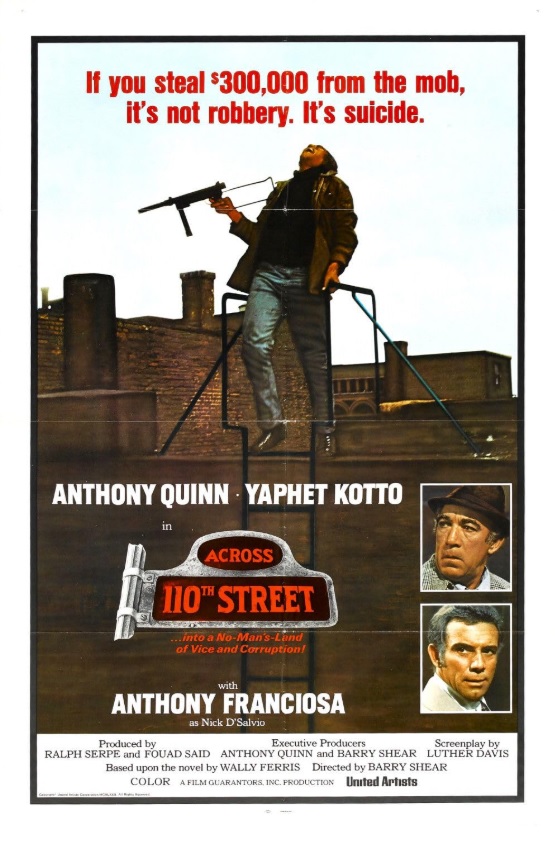
Across 110th Street (USA, 1972)

Directed by: Barry Shear
Written by: Luther Davis, Wally Ferris
Cast: Anthony Quinn, Yaphet Kotto, Anthony Franciosa

Tarantino’s Jackie Brown opens to the same rip-roaring title song as this movie: ‘Across 110th Street’ by Bobby Womack. It’s a homage to an exploitation classic, a New York set crime thriller about a gang of black criminals who rob the mob, sparking a brutal chase involving both the Mafia and the police. The police duo in charge consists of the corrupt captain Frank Matteli (Anthony Quinn) and Lieutenant William Aylesworth Pope (Yaphet Kotto); a street guy versus a guy who wants to do it by the book. Their chemistry is electric, giving the movie an emotional and moral backbone amid the chaos. The film was slammed at the time for the extreme violence, and while the film is indeed gritty, it is generally well acted and executed. Beneath the grit lies a sharp commentary on race, corruption, and urban decay in 1970s America. Watching it now, it’s easy to see why Tarantino holds it in such high regard.

The Curse of Frankenstein (UK, 1957)

Directed by: Terence Fisher
Written by: Jimmy Sangster (screenplay), Mary Shelley (novel)
Cast: Peter Cushing, Hazel Court, Robert Urquhart, Christopher Lee

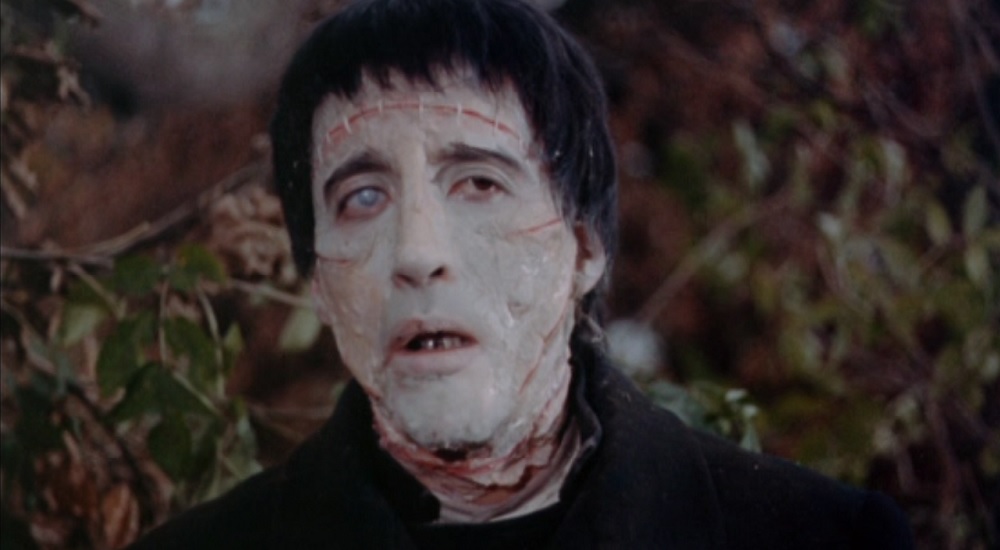
Peter Cushing stars as Dr. Frankenstein and Christopher Lee as the creature in Hammer Studios’ retelling of the Frankenstein legend. Directed by Terence Fisher, who would go on to make Horror of Dracula a year later, this film is often regarded as one of the finest adaptations of Mary Shelley’s novel, even rivaling the classic Universal versions. Told in flashback from a prison cell, Victor Frankenstein recounts the story of how his obsession with discovering the secret of life led him to commit unspeakable crimes. For a film made in 1957, the horror remains remarkably effective, due in large part to Lee’s chilling performance. As Hammer’s first color horror film, The Curse of Frankenstein was notable for its bold use of gore in color and its vivid gothic style. It marked the beginning of the studio’s signature brand of horror and launched a successful series of sequels, with Fisher directing several of them.

Dark Star (USA, 1974)

Directed by: John Carpenter
Written by: John Carpenter, Dan O’Bannon
Cast: Dan O’Bannon, Dre Pahich, Brian Narelle

John Carpenter’s debut film gives us a cynical look at outer space travel. Not the majestic kind Kubrick showed us in 2001: A Space Odyssey, but more like space travel as a monotonous, blue-collar grind. Dark Star is the name of the ship that looks like a surf board. The job of its crew is to destroy unstable planets. And while this may sound exciting, the five crew members – who have been on board Dark Star for twenty years – are mostly bored out of their minds and increasingly detached from reality. Co-writer and actor Dan O’Bannon originally conceived the idea of an alien aboard the ship, but budget limitations forced him to turn that concept into the film’s now-infamous beach-ball creature. His alien idea would later become Ridley Scott’s Alien (1979). Tarantino once called this movie a masterpiece. I don’t see it that way, but I like the 2001 parody concept and the execution, including the inventive special effects, is certainly well done.

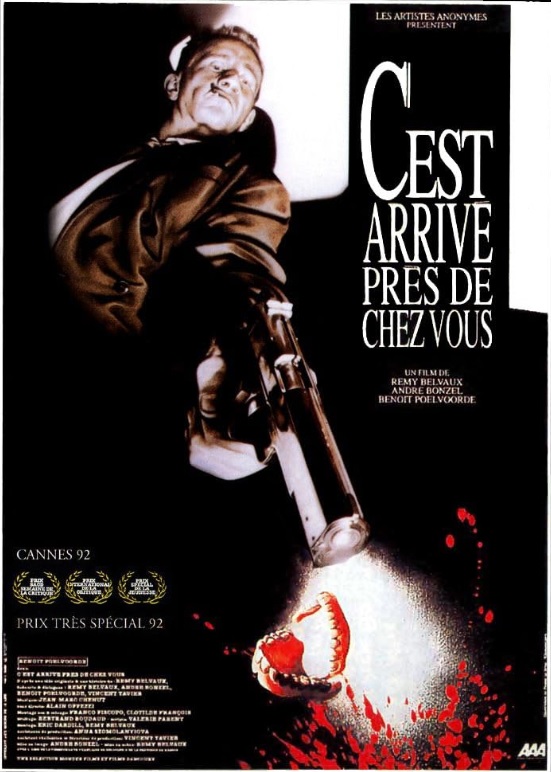
Man Bites Dog | C’est arrivé près de chez vous (Belgium, 1992)

Directed by: Rémy Belvaux, André Bonzel, Benoît Poelvoorde
Written by: Rémy Belvaux, André Bonzel, Benoît Poelvoorde
Cast: Benoît Poelvoorde, Jacqueline Poelvoorde-Pappaert, Nelly Pappaert

In this notorious cult classic from the French part of Belgium, a three-headed camera crew follows the gleefully depraved serial killer Ben, as he spends his days gruesomely murdering people for sport and profit. During the shoot, the crew becomes more and more complicit in Ben’s crimes. The sheer amount of killings is not very realistic, but the profiling of the killer, chillingly portrayed by Benoît Poelvoorde, convinces in all its sickness. The mockumentary concept was pretty new at the time, and the approach – taking the viewer inside the mind of a horrible human being, who – when he’s not busy killing people against depressing urban backdrops – is offering his warped and racist views in interviews – makes for disturbing cinema. The filmmakers, who worked on a shoestring budget, wanted to make something different, and they have succeeded in this task. C’est arrivé près de chez vous (‘It Happened Near You’) became a unique, deeply unsettling, and darkly comic milestone of cult cinema.

The Lady in Red (USA, 1979)

Directed by: Lewis Teague
Written by: John Sayles
Cast: Pamela Sue Martin, Robert Conrad, Louise Fletcher

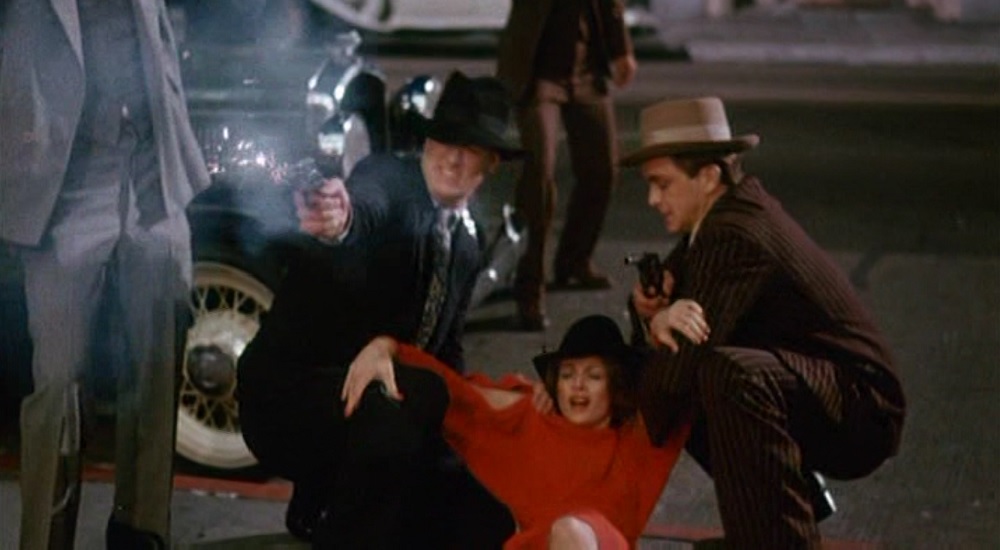
Farm girl Polly moves to Chicago, where she becomes romantically involved with gangster John Dillinger. The film is curious in that it’s not really about Dillinger, but about his girlfriend and the unwitting role she played in the gangster’s famous demise at a movie theater. It traces Polly’s own descent into crime: she starts out as a seamstress, tries her hand at prostitution, and eventually ends up in jail. After Dillinger’s death, she organizes a dangerous but lucrative armed robbery on her own. Written by John Sayles, directed by Lewis Teague, and produced by Julie Corman – indeed, Roger Corman’s wife – the film unmistakably feels like a Corman-style exploitation picture, complete with plenty of bloody, machine-gun action. In his 2021 book ‘Once Upon a Time in Hollywood‘, Quentin Tarantino mentioned that in an alternate Hollywood universe, he directed a remake of this film. It certainly sounds like something he’d do well. Who knows – maybe an idea for his tenth and final movie?
Black Caesar (1973)

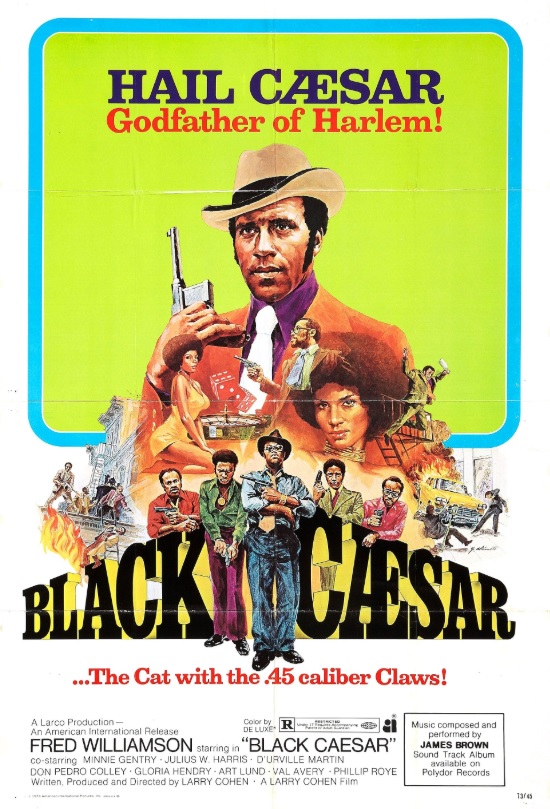
‘Hail Caesar, Godfather of Harlem…The Cat with the .45-Caliber Claws!’

Directed by:
Larry Cohen

Written by:
Larry Cohen

Cast:
Fred Williamson (Tommy Gibbs), Gloria Hendry (Helen), Art Lund (McKinney), D’Urville Martin (Rev. Rufus), Julius W. Harris (Mr. Gibbs), Minnie Gentry (Momma Gibbs), Philip Roye (Joe Washington), William Wellman Jr. (Alfred Coleman), James Dixon (‘Irish’ Bryant), Val Avery (Cardoza)

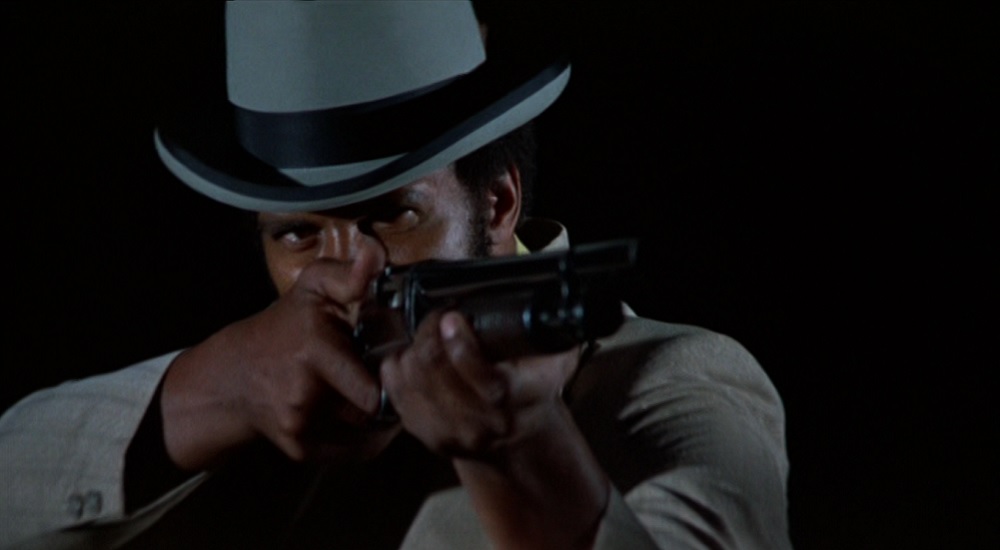
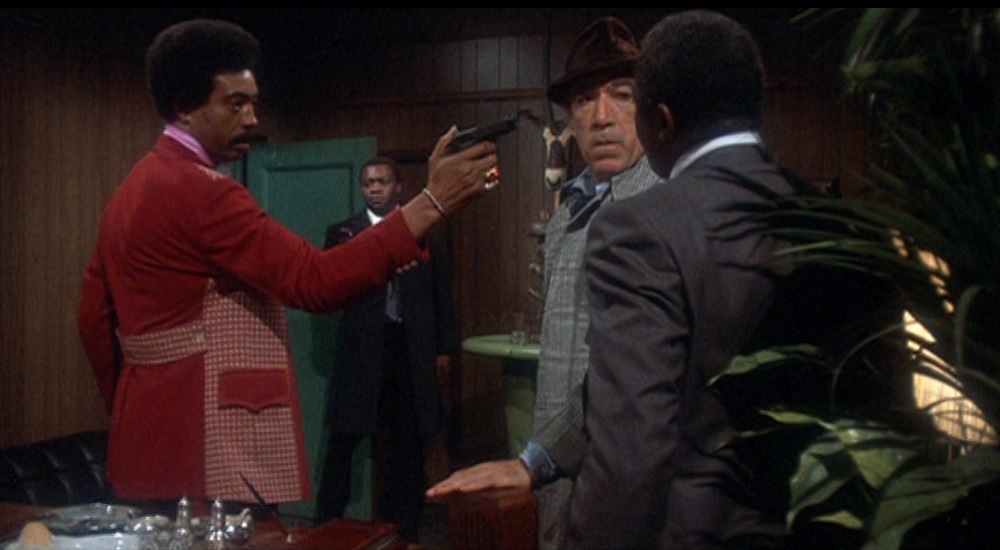
The James Brown–scored gangster film Black Caesar opens with Brown’s soulful ‘Down and Out in New York City’ playing over a gritty scene where a young Black boy helps carry out an underworld killing. That boy, Tommy Gibbs, grows up to become a fearless gangster who initially works for the Italian mafia before turning the tables and taking control of Harlem’s criminal rackets himself.

Throughout his ruthless rise to power, Tommy is driven by a deep desire for revenge against the racist cop who abused him as a child. Black Caesar follows the familiar gangster rise-and-fall trajectory, but with a crucial difference: its antihero is a Black man from the ghetto, a product of systemic oppression and limited opportunity. Used to enduring insults and abuse, Tommy learns to turn his rage into ambition—and his rivals fatally underestimate him. Once he reaches the top, his sociopathic streak surfaces, and he exacts brutal retribution on his enemies. The Italians begin dropping like flies across the city.

While the film clearly bears the hallmarks of a low-budget exploitation picture, it’s impressively crafted. Fred Williamson is outstanding as the fierce, charismatic lead, giving Tommy Gibbs both menace and magnetism. The gritty atmosphere, authentic New York settings, and James Brown’s powerful soundtrack combine to create a vivid, memorable experience. A standout sequence is a tense, extended chase through the streets of Harlem, with a wounded Tommy pursued by two gunmen—a masterfully shot moment of raw energy and desperation.

Black Caesar was followed later the same year by the sequel Hell Up in Harlem, also directed by Larry Cohen and starring Fred Williamson as Tommy Gibbs, continuing the saga of one of blaxploitation’s most iconic antiheroes.

Rating:

Quote:
TOMMY GIBBS: “Sauce looked like it needed a little more meat.” (after dropping an ear in a plate of spaghetti).

Trivia:
While filming in Harlem, Larry Cohen was accosted by local gangsters who threatened to disrupt the shoot unless they were paid off. Instead, Cohen offered them small roles in the film. They helped so enthusiastically that they attended the premiere to sign autographs.

Gotti (1996)

Directed by:
Robert Harmon

Written by:
Jerry Capeci (book ‘The Last Gangster: Winning the War Against John Gotti and the Mob’)
Gene Mustain (book ‘The Last Gangster: Winning the War Against John Gotti and the Mob’)
Steve Shagan (teleplay)

Cast:
Armand Assante (John Gotti), William Forsythe (Sammy Gravano), Richard C. Sarafian (Paul Castellano), Frank Vincent (Robert DiBernardo), Anthony Quinn (Neil Dellacrose), Dominic Chianese (Joe Armone), Robert Miranda (Frank DeCicco), Scott Cohen (Gene Gotti), Vincent Pastore (Angelo Ruggiero), Tony Sirico (Joe Dimiglia)

John Gotti seemed destined for the Mafia. He was smart, tough, loyal to the code of omertà, never skimmed from the top, and respected the boss’s policy on narcotics. These qualities helped him rise to become boss of the infamous Gambino family in the 1980s. But Gotti also had his flaws: he craved media attention and was too careless about discussing sensitive business in unsecured settings.

Gotti is the biography of one of history’s best-known mobsters. The story begins in 1973, when Gotti first comes to the attention of his crime family, the Gambinos – then the most powerful of New York’s Five Families. Boss of bosses Carlo Gambino asks Gotti for a personal favor, which nearly goes wrong due to the interference from underboss Paul Castellano. The conflict almost dooms Gotti, but his mentor, second underboss Neil Dellacroce (Anthony Quinn), steps in to resolve it.

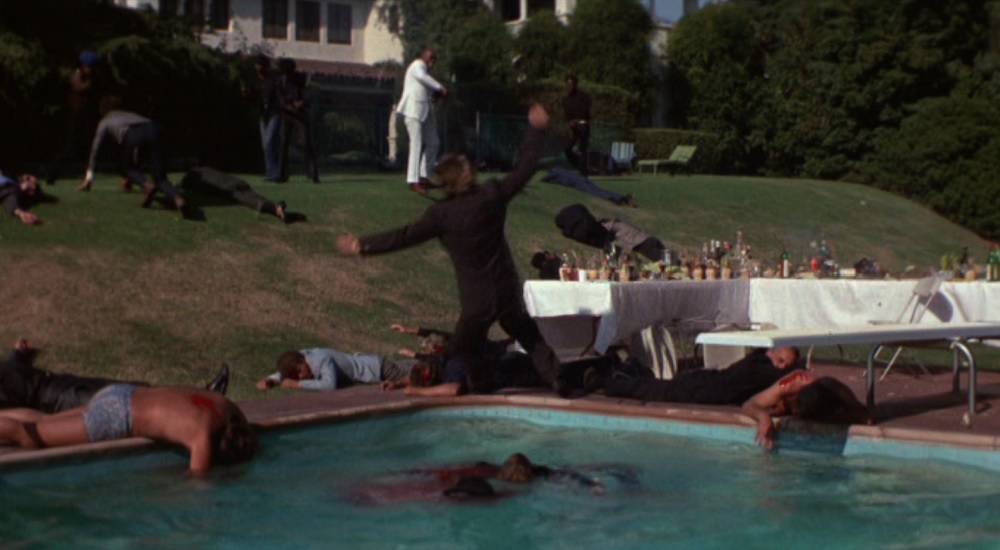
In the years that follow, Gotti steadily rises through the ranks alongside his close associate and fellow captain Sammy Gravano. When Gambino dies of old age in 1976, he names Castellano as his successor, to the disapproval of Gotti and other top figures. While Gotti was seen as a true man of Cosa Nostra, Castellano was regarded more as a businessman. Tensions eventually culminate in one of the most infamous gangland hits in history: the 1985 assassination of Castellano and his partner outside Sparks Steak House in Manhattan.

Now John Gotti is the boss. But, as noted earlier, his weaknesses ensured that his reign would be relatively short-lived (until 1992 to be precise). As a biographical made-for-tv HBO production, Gotti stands out for offering a complete look at the life and times of a legendary mobster. Armand Assante is memorable in the lead. The supporting cast – featuring many future Sopranos actors – is also strong, with Anthony Quinn and William Forsythe delivering standout performances. If you watch only one television production about the mob, make it Gotti .

Rating:

Quote:
JOHN GOTTI: “A Mexican, a Puerto-Rican and a black guy are sitting in a car. Who’s driving? The police.”

Trivia:
According to IMDb, this film was the highest rated original telefilm in HBO history at that time. The success of the film convinced HBO to cast film co-stars, Dominic Chianese, Vincent Pastore and Tony Sirico in a series in development at the time called The Sopranos (1999).

Backtrack (1990)


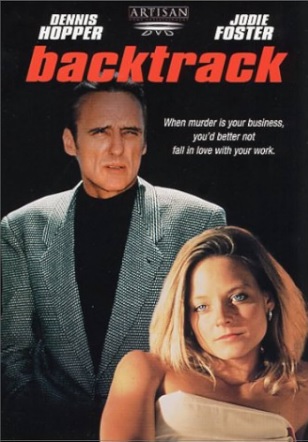
‘When murder is your business, you’d better not fall in love with your work.’

Directed by:
Dennis Hopper

Written by:
Rachel Kronstadt Mann, Ann Louise Bardach

Cast:
Dennis Hopper (Milo), Jodie Foster (Anne Benton), Joe Pesci (Leo Carelli), Dean Stockwell (John Luponi), Vincent Price (Lino Avoca), John Turturro (Pinella), Fred Ward (Pauling), Julie Adams (Martha), Tony Sirico (Greek), Sy Richardson (Capt. Walker)

Alright, so this is quite a strange film by Dennis Hopper. It was originally released as Catchfire, but that version was apparently so bad that Hopper had his name replaced in the credits with the pseudonym Alan Smithee. Backtrack is the 18-minutes-longer cut made for cable TV, with Hopper’s directorial credit restored.

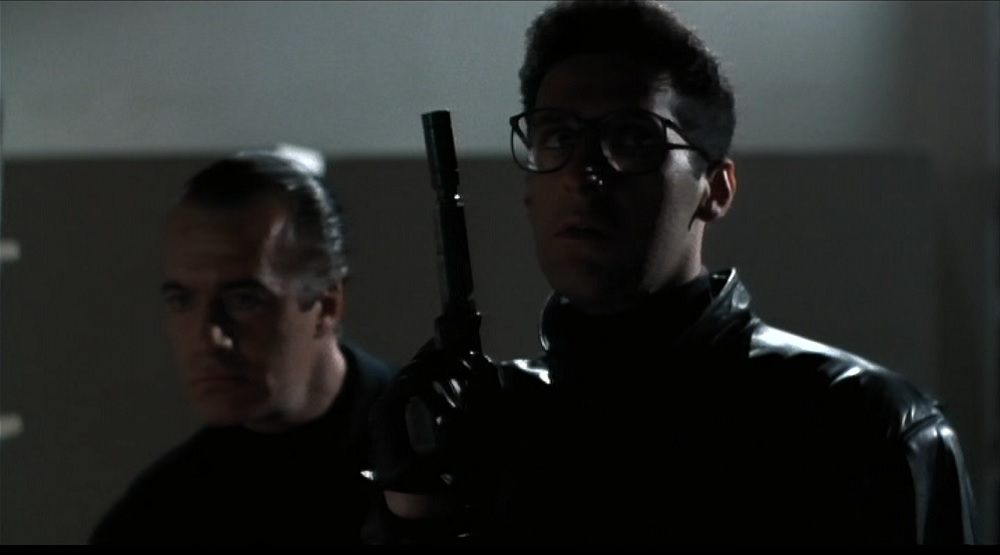
Jodie Foster plays an artist who witnesses a mafia murder. The mob – led by the explosive Leo Carelli (Joe Pesci, in the same year he gave his ultimate mobster performance in GoodFellas) – hires hitman Milo (Dennis Hopper) to silence her.

What makes it puzzling is the sheer amount of talent involved: Jodie Foster, Joe Pesci (uncredited, despite a substantial role), Dean Stockwell, John Turturro, and others. The film also features familiar faces like Charlie Sheen, Bob Dylan (!), and Tony Sirico (Paulie Walnuts from The Sopranos). Yet, despite this very impressive cast, no one is given particularly strong dialogue – not even the two leads.

The bigger problem is that the film never decides what it wants to be. Is it a tense thriller? An arthouse experiment? A romantic gangster film in the vein of Bonnie and Clyde? Or an action movie given that out of nowhere, there’s a helicopter chase? The tone shifts constantly, leaving the viewer wondering: what exactly am I watching? That question is never answered.

It’s also unclear what motivates Hopper’s character, Milo, a saxophone-playing hitman. He suddenly falls in love with his target, but why? And why does she start to reciprocate? Their relationship feels entirely unconvincing.

Originally, Hopper’s cut ran 180 minutes. It’s difficult to imagine what his true vision for the film might have been. The studio, Vestron Pictures, disliked his version and re-edited it without his consent. Hopper was furious and sued, but by then the company had already gone bankrupt.

In short, Backtrack is a curious film for many reasons, but unfortunately the final product simply doesn’t work. It’s a shame, given the remarkable cast, but the movie is proof that without a strong screenplay, even great talent can’t save the day.

Rating:

Quote:
MILO: “There’s something going on here that I really don’t understand. But I like it.”

Trivia:
The movie includes three Oscar winners: Jodie Foster, Joe Pesci and Bob Dylan; and three Oscar nominees: Dennis Hopper, Catherine Keener and Dean Stockwell.