Apple TV Special: Mr. Scorsese

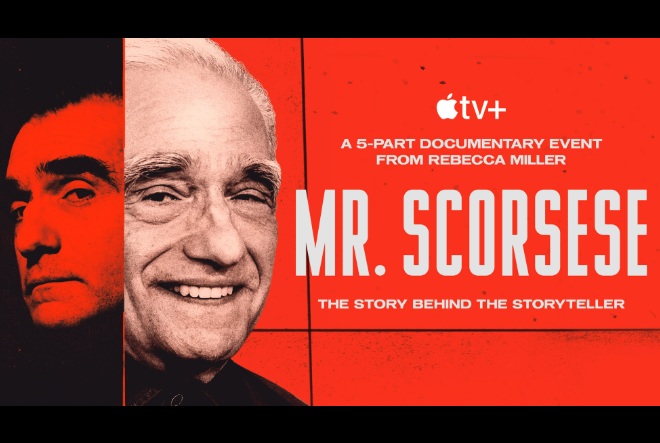
Mr. Scorsese is a five episode film portrait about one of the greatest film directors of all time now playing on Apple TV. It’s the most extensive documentary ever shot about the Italian American cinematic master, featuring interviews with a.o. Leonardo DiCaprio, Robert De Niro and Daniel Day Lewis. Reason enough for me to subscribe to Apple TV. An additional benefit of the subscription is that Marty’s latest film – Killers of the Flower Moon – is also available on the channel.

Scorsese is a very sympathetic guy; I have seen many interviews with him before, logical since he’s my favorite filmmaker, but in this series, you really get to know the man. He grew up in Little Italy and later Manhattan. He was very asthmatic as a child and he couldn’t play outside. There is this shot in GoodFellas where a young Henry Hill is staring out of the window observing the wiseguys outside. That’s Marty right there.

Movie theaters had air conditioning, so that’s where young Martin wanted to be as much as possible. He could breath there, and the movies formed his mind. At home he watched old Italian films with his family. He started making extensive storyboards which his father thought wasn’t very manly. Marty learned of the mobsters who controlled much of the economic activity in his neighbourhood. His father had a good job in the garment industry, which was worked out by the mob. He told young Marty: “Don’t ever let them do you a favor. They’re nothing but bloodsuckers.”

The young Scorsese initially wanted to become a priest, but that path wasn’t for him. Neither were the streets. Literature wasn’t part of his culture either, but a priest encouraged him and his friends to look beyond what they knew; to go to college, to read, learn, and explore. He attended a talk about film school and heard a professor speak passionately about cinema. That was the moment he knew what he wanted to do.

At New York film school he met Thelma Schoonmaker, his future editor. She recalls seeing his student work and knowing immediately that “he had it.” His student film It’s Not Just You, Murray! (1964) won the award for Best Student Film. In 1967 he made his first feature, Who’s That Knocking at My Door, starring Harvey Keitel.

Scorsese married young, but his first marriage collapsed quickly because his mind went more and more to making movies. He went to Hollywood to further his career and met an amazing assortment of talent there: Coppola, Schrader, Spielberg, Lucas and De Palma, known collectively as the ‘Movie Brats’. They were given this name because they were the first generation of formally trained filmmakers to unite film knowledge with artistic ambition.

In the early seventies, King of the B-movies Roger Corman gave Scorsese the chance to direct a movie. This became Boxcar Bertha (1972), a Bonnie and Clyde-style crime movie. His artistic friends hated it. Marty thought it was a good practice in shooting on budget and shooting on time, but his friends thought he had betrayed himself as an artist.

John Cassavetes had seen his feature Who’s That Knocking at My Door and advised him to make more personal movies like that. About Boxcar Bertha he said: “You just spent a year of your life making a piece of shit. Don’t do that again.” Scorsese showed him his Mean Streets screenplay and Cassavetes told him to go find a lead actor to star in it. Then he met De Niro who was from the same neighbourhood.

Mean Streets was based on people and experiences from his neighborhood and people fell in love with it, because it felt completely authentic. That makes sense, because it was real. Now, Marty got more opportunities. With his next film Alice Doesn’t Live Here Anymore (1974), he showed he could also direct women. Ellen Burstyn won the Academy Award for Best Actress for her lead role.

Although Scorsese gained recognition, this period also marked the start of heavy drug use. Film remained his way of working through deep inner turmoil. Drawn to darker characters, he was captivated by Paul Schrader’s script for Taxi Driver. He and De Niro set out to portray a loner like Travis Bickle without turning him into a caricature. Travis is isolated in almost every frame. Taxi Driver (1976) was a huge critical success and won the Palme d’Or.

Everybody praised it. It hit a nerve and showed a true understanding of the American unconscious. A lone man who commits atrocities, like the snipers who killed politicians at that time. Travis has a saviour complex: he wants to save the girls and kill the bad guys. The final scene was too violent for the sensors, so Scorsese changed the colour of the blood to dark, rusty brown or brownish-pink rather than bright red. Daniel Day Lewis was hypnotized by the film and went to see it five or six times. It was the first time he saw Bob (De Niro) act, which was a big thing for him.

After the success of Taxi Driver, he made the costly musical failure New York, New York (1977). His second marriage also fell apart and what started then was a period of self destructive behavior. He started doing lots of drugs and tried to find his cinematic muse again. He almost died – and part of him wanted to because he didn’t know how to create anymore. De Niro had a big part in getting him back on his feet. They went to Sint Maarten where they worked on the script for their next masterpiece: Raging Bull (1980).

Thelma Schoonmaker explains the film’s shooting and editing, and the documentary allows you to rediscover the beauty of its black-and-white imagery. It’s a true work of art. Scorsese had found his muse again, and also his third wife: the daughter of Ingrid Bergman and Roberto Rossellini.

After Raging Bull he wanted to do Gangs of New York and The Last Temptation of Christ. The scripts were there, but the movies were too expensive to make at that time. He did another project with De Niro, The King of Comedy (1982), which flopped. Scorsese’s career was now once again in a bad state. “He was done for in Hollywood”, they told him.

He made a comeback with After Hours (1985), an odd ball comedy shot on a low budget. Key to the film, Scorsese explains, was the collaboration with Director of Photography Michael Ballhaus, who would later shoot GoodFellas. In 1985, he married for the fourth time, this time with Barbara De Fina, who would produce a number of his movies, including Casino.
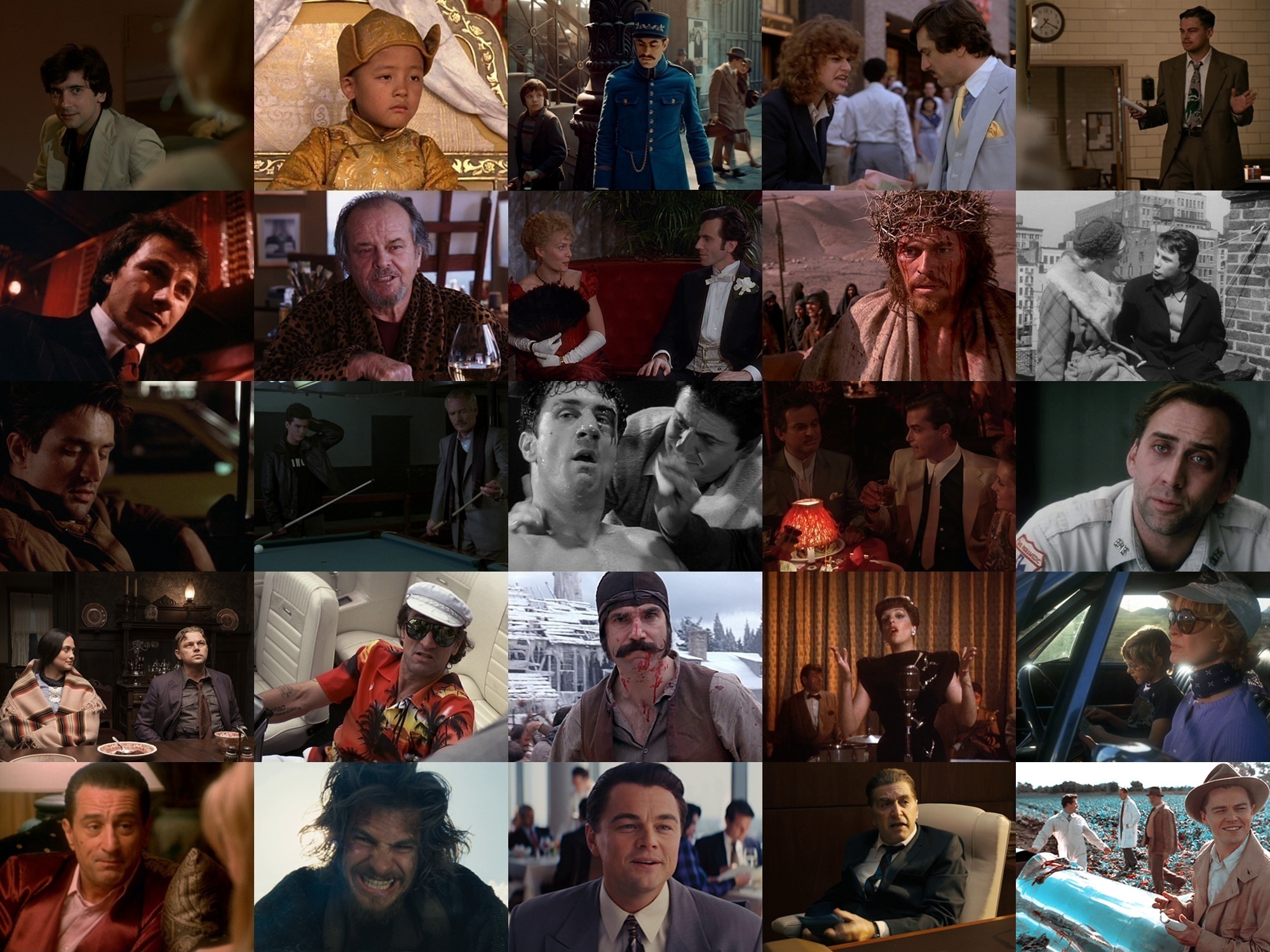
The re-established Scorsese followed up After Hours with The Color of Money (1986), a pool hall movie starring Paul Newman and Tom Cruise, and a sequel to The Hustler (1961). The movie did well, so now Scorsese could finally make his beloved project The Last Temptation of Christ (1988). He made the film to “get to know Christ better”, he explains.

The budget was tight, so he could only do two takes of every shot during the difficult shoot in Morocco. It was very tough, he says. Even tougher was the reception of the film: people were very upset. It was banned in Rome, Israel, and India – and someone set off a bomb during a screening in Paris. Blockbuster didn’t carry the film. Marty needed FBI protection for the second time (he had gotten threats after Taxi Driver and had needed protection then as well).

While working on The Color of Money, Scorsese read Wiseguy by Nicholas Pileggi, the true story of mobster Henry Hill and his life within the Lucchese crime family. Pileggi and Scorsese had both grown up in the same neighborhood and collaborated on the screenplay for GoodFellas. Scorsese had the film fully mapped out in his head – frame by frame, song by song. The result is pure montage, weightless and electric. Scorsese created a new cinematic language for this movie. “It has this crazy energy”, says Spielberg. “Like a runaway train.”

Previews strangely enough saw a lot of walk-outs. Executives wanted him to cut out the last twenty minutes, which is the whole cocaine sequence. Marty stood up to them and saved the movie. God bless him.

After GoodFellas, Scorsese worked with De Niro again in Cape Fear (1991), a successful remake of the 1962 thriller – and in 1995 they made another mob masterpiece with Casino. It’s about mob guys who were given paradise with Las Vegas – but they got kicked out of paradise because they are so evil. The movie has a unique structure like GoodFellas, but it takes it one step further.

In between, he explored another closed society with The Age of Innocence (1993), his first collaboration with Daniel Day-Lewis. It’s about a man imprisoned by the culture he belongs to, and a great love doomed to remain unconsummated.

In 1997, he returned to another genre he loved to do: the spiritual film. Kundun (1997) is about the Dalai Lama in Tibet. There were no actors in that country, so he had to get all these performances out of non-actors. The film was panned-down as dull. Then came Bringing Out the Dead, a loose follow-up to Taxi Driver, but it was still born at the box office.

Scorsese was dead again, but then who came knocking? Leonardo DiCaprio was now Hollywood’s new golden boy, a guaranteed name for box office success – and a movie star with resources to invest in the projects he chose to star in. Now, Scorsese finally got the opportunity to make his long awaited dream: Gangs of New York (2002).

The film reconstructs 1860s New York in massive sets built in Rome. This was the Five Points neighbourhood, which was dominated by gangs. Scorsese calls it science fiction in reverse. George Lucas came to visit the sets and said that “this is the last time sets like this will ever be built”.

The film has an uncanny reverence to today’s political violence, with the natives who can be seen as the proud boys of that time. People who claim to be the only true Americans and are prepared to use savage violence on immigrants.

Fortunately, the very expensive film – that was produced by Harvey Weinstein – did well at the box office.

He continued to work with DiCaprio, first on The Aviator (2004), a biopic about Howard Hughes, a man obsessed with filmmaking and aviation. The film received 11 Oscar nominations, and then it dawned on the film community that Scorsese never won an Oscar. But, even though The Aviator won in nearly every category, it lost the director award to Clint Eastwood for Million Dollar Baby.

But two years later, they made it up by giving him the Oscar for The Departed (2006), another gangster film. It was awarded to him by his old friends George Lucas, Steven Spielberg and Francis Ford Coppola – a bittersweet moment. In 2010, he made another film with DiCaprio, Shutter Island. And to complete the streak with Leo, he made The Wolf of Wall Street (2013), a commentary on how excessive and moralless capitalism has overtaken our society.

Marty once again portrays the dark side of human nature in all its forms, including terrible domestic violence. Scorsese has often been accused of glorifying bad behavior, but another way to see his work is that he refuses to sanitize human nature. The Wolf of Wall Street was a massive success, tapping directly into post-financial-crisis anger.

The documentary concludes with The Irishman (2019) and early footage from Killers of the Flower Moon (2023). We also see Scorsese at home, caring for his fifth and final wife, Helen Schermerhorn Morris, who suffers from Parkinson’s disease. It’s deeply moving to see the great filmmaker in this intimate setting.

Steven Spielberg provides the perfect closing tribute for this must-see documentary about the legendary director: “There is only one Marty Scorsese. He is a cornerstone of this art form. There is nobody like him and there will never be anybody like him again.”

Indeed.
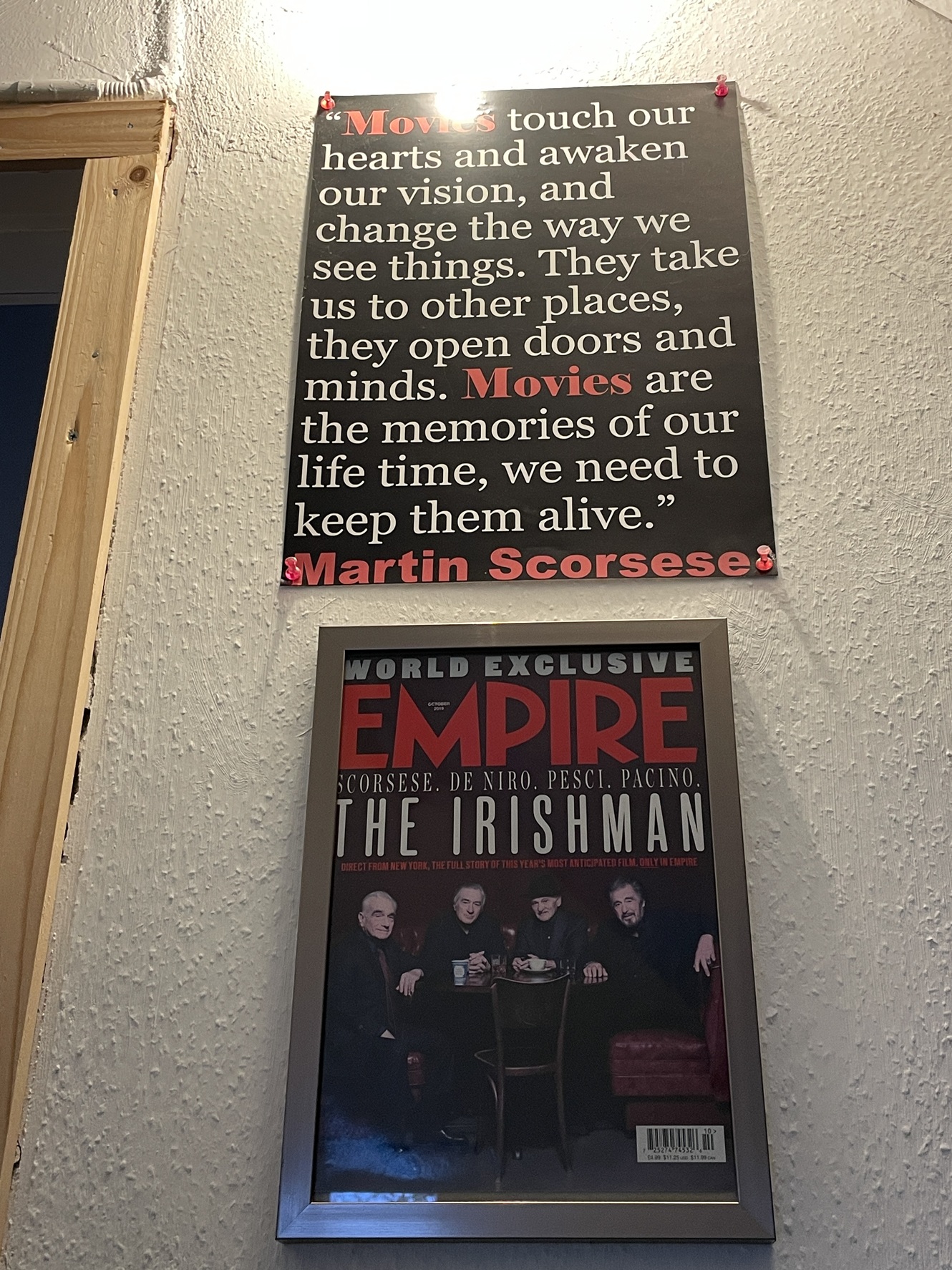
Top 10 films over de financiële wereld

Hebzucht, succes, neergang… Dit zijn de 10 finance films die je gezien moet hebben.

Door Jeppe Kleijngeld

10. Too Big to Fail (2011)

In deze geslaagde productie van HBO volgen we de hoofdrolspelers van de bankencrisis van 2008 op de meest cruciale momenten die de wereldeconomie heeft gekend in de afgelopen decennia. We weten hoe het afloopt, maar toch is het begin van de Grote Recessie in de VS een fascinerend schouwspel. Hank Paulson, voormalig CEO van Goldman Sachs en in 2008 staatssecretaris van Financiën, wordt geconfronteerd met een hele batterij falende banken en verzekeraars, waaronder Lehman Brothers en AIG. Nadat hij Lehman Brothers failliet heeft laten gaan, zal het niet lang meer duren voordat kredietverlening wereldwijd tot stilstand komt en de wereldeconomie volledig in elkaar stort. In een race tegen de klok moet Paulson samen met de overheid en Wall Street tot een oplossing komen voordat het ergste financiële armageddon aller tijden werkelijkheid wordt.

9. Boiler Room (2000)

Realistisch beeld van een stel opgefokte beurshandelaren voor wie maar een ding telt: keiharde dollars. Seth, een ambitieuze, slimme en ondernemende jongeman krijgt een baan als trainee bij J.T. Marlin, een kleine firma in aandelenhandel die buiten Wall Street opereert. De recruiter vertelt hem en de andere trainees al bij binnenkomst: ‘als je hier komt werken ben je binnen drie jaar miljonair.’ Zijn nieuwe collega’s wonen in belachelijke huizen en rijden in Ferrari’s rond alsof het de normaalste zaak van de wereld is. Seth leert hoe de agressieve verkoop in zijn werk gaat, maar komt er al snel achter dat de handel van het kantoor geen zuivere koffie is en dat de FBI een zaak aan het opbouwen is tegen J.T. Marlin. Kan Seth – die inmiddels zelf ook klanten met waardeloze aandelen geruïneerd heeft – nog iets doen om zijn eer en toekomst te redden? Boeiende en spannende film die ook de kant van de slachtoffers laat zien van de oneindig hebzuchtige cultuur van de financiële sector.

8. The Big Short (2015)

De huizenmarkt bubbel in de VS is de grootste Ponzifraude aller tijden en het knappen van deze bubbel veroorzaakte de grootste financiële crisis ooit. Bij een financiële gebeurtenis van dit formaat zou je verwachten dat er door slimme beleggers op gespeculeerd zou zijn. En dat is inderdaad gebeurd, maar slechts door een handvol investeerders. De huizenmarktgekte had rond 2007 zulke extreme vormen aangenomen dat alleen een stel mafkezen kon inzien dat de bubbel zou gaan barsten. ‘The Big Short’ volgt deze vreemde vogels. Het begint bij de super autistische Dr. Michael Burry (Christian Bale) die als eerste in de gaten heeft wat er staat te gebeuren. Drie andere investeringsteams en een eenling volgen zijn vermoedens op met eigen onderzoeken en doen de meest schokkende ontdekkingen. Een stripper met zes hypotheken? Deze bubbel ZAL gaan barsten. Met een cast vol sterren (Ryan Gosling, Steve Carell, Brad Pitt) en een intelligent, vermakelijk en goed te volgen scenario, is ‘The Big Short’ de eerste film die de crisis echt voor een groot publiek toegankelijk maakt.

7. Barbarians at the Gate (1993)

De enige film die echt gaat over M&A (Mergers & Acquisitions) is een komedie over de corporate greed die in de jaren 80′ bizarre vormen aannam. Amerikaanse bedrijven staken zich voor een triljoen dollar in de schulden en de aandeelhouders werden stinkend rijk. De film – gebaseerd op het non-fictie boek van journalisten Bryan Burrough en John Helyar – vertelt de geschiedenis van RJR Nabisco, verkoper van sigaretten en voedsel (o.a. Orio koekjes). De CEO van het bedrijf F. Ross Johnson wil de aandeelhouders uitkopen middels een leveraged buy-out (schuld tegenover de assets van het bedrijf), een deal van 20 miljard dollar. Maar Johnson passeert daarbij Henry Kravis, de koning van de bedrijfsovernames en uitvinder van de leveraged buy-out. Kravis laat het er niet bij zitten en er ontstaat een agressieve en legendarische biedingstrijd. Hier worden de aandeelhouders rijker en rijker van, maar voor de 140.000 medewerkers ziet de toekomst er steeds somberder uit. ‘Barbarians at the Gates’ slaagt er goed in om aan te tonen welke spelletjes er soms gespeeld worden aan de bedrijfstop, ‘barbaarse’ praktijken die mijlenver afstaan van de gewone man en vrouw. Ook is het een mooi tijdsbeeld van het decennium van de hebzucht. RJR Nabisco is nog steeds exemplarisch voor de over the top private equity overnames van de jaren 80’.

6. Enron: The Smartest Guys in the Room (2005)

De gebeurtenissen in deze film hebben echt plaatsgevonden. Dat is moeilijk te geloven gezien de waanzinnige omvang van de bedrijfsfraude die de documentaire ‘Enron’ ons laat zien. Op zijn top was Enron de zevende grootste corporate van Amerika met een waardering van 70 miljard dollar. Investeerders liepen weg met het typische ‘new economy’ bedrijf, dat traditionele energiedienstverlening transformeerde in financiële instrumenten. Ze vonden pijplijnen maar ouderwets en zagen meer in een gedereguleerde optie- en aandelen markt voor gaslevering. Ondertussen flesten de bestuurders de boel met ‘mark to market accounting’ (winsten boeken terwijl er geen cent binnenkwam), schulden verstoppen in een web van dochterondernemingen buiten het zicht van beleggers om en een kunstmatig energietekort creëren en daar van profiteren. En de banken en accountants? Die profiteerden allemaal mee (accountantskantoor Arthur Andersen – dat failliet ging ten gevolgen van het Enron-schandaal – kreeg één miljoen dollar per week betaald om de bizar ondoorzichtige boekhouding goed te keuren). Het faillissement van Enron is dit jaar 20 jaar geleden, en is en blijft hét schoolvoorbeeld van hoe het in een bedrijf faliekant verkeerd kan gaan.

5. Inside Job (2010)

Door de wereldwijde financiële crisis die in 2008 in alle hevigheid losbarstte zijn miljoenen mensen hun spaargeld kwijtgeraakt, hebben mensen wereldwijd hun baan verloren en zijn talloze mensen – vooral in de Verenigde Staten – hun huis uitgezet en gedwongen in tenten te leven. Hoe is het zover gekomen? Deze vraag wordt beantwoord in de onthullende documentaire ‘Inside Job’. Consolidatie van de financiële sector (too big to fail). Ongereguleerde financiële producten, zoals derivaten. Accountantsfirma’s, rating agencies en toezichthouders die profiteren, maar niet ingrijpen… Alle oorzaken van de crisis komen voorbij en de maatregelen die NIET genomen zijn als respons op het falen. Het doel van regisseur Charles Ferguson met ‘Inside Job’ is simpel; de oorzaken en gevolgen van de crisis haarfijn uitleggen. Ferguson slaagt zeer goed in zijn doel, want de excessen die hij toont zijn zo wanstaltig dat ze je als kijker onmogelijk onverschillig kunnen laten. Daarmee is ‘Inside Job’ geweldig voor inzichtvorming, maar wel een film die je machteloos doet voelen.

4. Wall Street (1987)

De film ‘Wall Street’ van Oliver Stone is zinder twijfel dé finance film. De in brons gegoten citaten, zoals ‘greed’ — for lack of a better word — is good’, zijn misschien wel net zo bekend als ‘I’ll make him an offer he can’t refuse’ uit ‘The Godfather’. Toch staat de film niet bovenaan de lijst. Ooit – in de jaren 80′ – zou hij dat wel gestaan hebben, maar er zijn betere films verschenen sindsdien. Artistiek gezien is ‘Wall Street’ als film niet eens zo heel goed. Maar het Oscar-winnende optreden van Michael Douglas is zo legendarisch dat het de film ver overstijgt. Zijn Gordon Gekko is de vleesgeworden vertegenwoordiger van de hebzuchtcultuur van de financiële wereld uit de jaren 80′. Het tijdperk van de corporate raiders die bedrijven stuk maken gewoon omdat ze dat kunnen, en miljoenen verdienen over de rug van de duizenden arbeiders die door het financiële geweld het veld moeten ruimen. En laten we Charlie Sheen niet vergeten die – destijds pas 22 jaar – een glansrol neerzet naast Douglas. Zijn Bud Fox is het jonge, snel lerende broekie die, aangetrokken door de financiële genialiteit van Gekko, al snel al zijn familiewaarden verloochend voor het grote geld, de vrouwen en de cocaïne. Bijna 30 jaar na de release is ‘Wall Street’ nog altijd de klassieker waaraan iedereen als eerste aan zal denken als het gaat om financiële films. En daarmee is de vierde plek meer dan verdiend.

3. Glengarry Glenn Ross (1992)

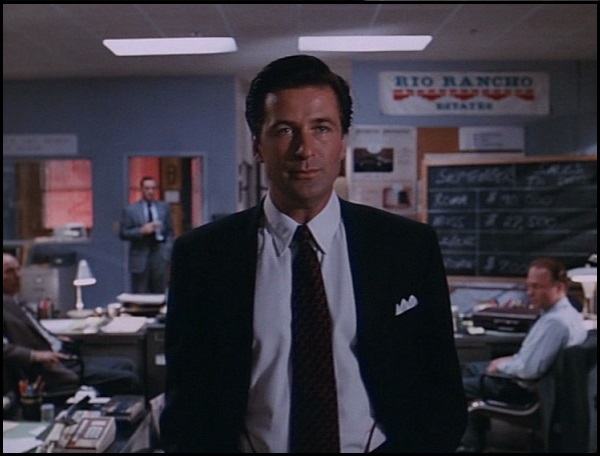
‘Put that coffeepot down! Coffee is for closers only. You think I’m fucking with you? I’m not fucking with you.’ In de keiharde wereld van onroerend goed – waar je bronzen ballen voor nodig hebt – gaat het maar om één ding: ABC – Always Be Closing. Voor de vier verkopers op een vastgoedkantoor loopt de spanning hoog op wanneer de bazen een Jack Welch-achtige maatregel invoeren: de topverkoper krijgt een Cadillac en de verliezer krijgt de zak. Volgens de verkopers hangen hun kansen echter samen met de kwaliteit van de leads die ze krijgen, en die is al een tijd beroerd (‘The leads are weak? You are weak!’). Er zijn wel goede leads – de Glengarry leads – maar die willen de bazen niet geven. Die zijn alleen voor echte closers. ‘Glengarry Glenn Ross’ is een zeer scherp geschreven en geacteerd verbaal spektakel. Met een topcast: Al Pacino, Ed Harris, Jack Lemmon, Kevin Spacey en Alec Baldwin, die laatste in een film-stelende openingsscene.

2. The Wolf of Wall Street (2013)

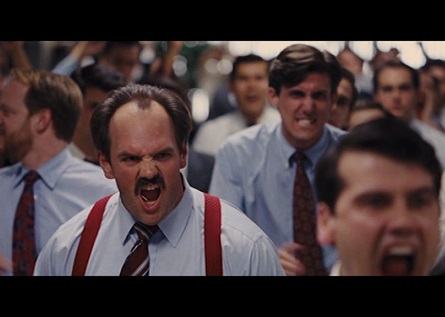
Het levensverhaal van self-made miljonair Jordan Belfort, wiens passie voor geld niet onderdeed voor zijn lust naar drank, drugs en vrouwen. Meesterregisseur Marin Scorsese heeft de biografie van Belfort op dezelfde wijze verfilmd als hij dat eerder deed voor gangsters (in ‘GoodFellas’, ‘Casino’ en ‘The Departed’): met razendsnelle montage, voice-over en de glamoureuze levensstijl van de hoofdpersonen centraal. Als economie de studie is van hoe mensen kunnen krijgen wat ze willen, is ‘The Wolf of Wall Street’ de studie van mensen die ALLES willen hebben en grotendeels ook krijgen, totdat uiteindelijk de FBI een einde aan het feestje maakt. Deze film zal niet ieders smaak zijn vanwege de belangrijke rol die de excessen en het wangedrag spelen, zoals cocaïnegebruik, prostitueemisbruik en dwergwerpen, maar als je er in kunt komen is het ongetwijfeld wel de grappigste film over de financiële wereld ooit gemaakt. Met Oscarwaardige rollen voor Leonardo DiCaprio en Jonah Hill.

1. Margin Call (2011)

‘Margin Call’ toont ons de wereld van Wall Street voor de crisis van 2008, en zoals hij verbijsterend genoeg nog steeds is. De corporate schurken van tegenwoordig handelen in bizar complexe gedereguleerde financiële producten die de CEO’s van zakenbanken zelf niet eens volledig begrijpen. De film begint aan de vooravond van de grootste crisis ooit. Een risk werknemer ontdekt min of meer toevallig dat de financiële rommel (gebundelde waardepapieren) die ze op de balans hebben staan heel snel zijn astronomische waarde zal verliezen. Deze waardedaling zal het einde betekenen voor de investeringsbank. De Raad van Bestuur komt bij elkaar met aan het hoofd de meedogenloze CEO John Tuld (Jeremy Irons). Hij geeft aan dat dit de grote klap wordt voor Wall Street die hij al tijden ziet aankomen. Omdat hij toch wil blijven voortbestaan met zijn bank, geeft hij hoofd Sales Sam Rogers (Kevin Spacey) de opdracht een bliksemverkoop te organiseren. Hiermee hoopt hij alle rommel van zijn balans te krijgen voordat de concurrentie door heeft wat er aan de hand is…

‘Margin Call’ fascineert met een beeld van de financiële sector dat volledig accuraat voelt. De cultuur van deze bank, die prima model kan staan voor één van de bekende vijf (Merrill Lynch, Morgan Stanley, Bear Stearns, Goldman Sachs en Lehman Brothers) is giftig, maar voldoet wel steeds aan de spelregels van het kapitalisme. Dat maakt ook dat de grote slechterik van het verhaal eigenlijk niks verweten kan worden. Hij doet waar hij voor is ingehuurd door de aandeelhouders, breekt geen regels en verkoopt de giftige bezittingen aan handelaren als hemzelf. In een kapitalistische visie kun je het hem niet kwalijk nemen dat hij zijn informatievoordeel uitnut. Of dat hij een bonus opstrijkt van 86 miljoen dollar. Nee, het is niet ethisch, maar je kunt er niks aan doen als je het vrije markt principe ondersteunt. Verontrustende, maar geniale film.

Dit artikel werd eerder gepubliceerd op LinkedIn

Everybody can be a seller

A few years ago I went to a seminar with Jordan Belfort. That’s right, the Wolf of Wall Street. Jordan still had a lot of millions to pay back to the government to make up for his scam artistry on the Street, and these seminars sure did earn him some cash, although probably not nearly enough.

One thing about the Wolf; he sure can talk. For three hours straight, he jabbered on and on (he was probably on amphetamine). And that was just his first performance that day. Which of his sales tips stayed with me?

Use the four C’s
– Confidence
– Certainty
– Courage
– Clarity

He also talked a lot about the straight line system: leading a prospective customer to a close (but only if the product is right for him/her. Jordan learned from his past mistakes. So he says).

How does it work?

Every conversation is the same. Human beings are fear based creatures. Therefore the first impression is crucial. You have four seconds to establish that you are:
A. Sharp as a tack
B. Super enthusiastic
C. An absolute expert

When you do this, the client will hand the control of the conversation over to you, so you can start asking questions: what does the client want to achieve? Guide him/her towards the product that you know will be right for him/her.

When the client has objections, that means he or she is not completely certain, so keep on working. Straight line means the deal must close before the conversation ends.

Jordan could teach this to guys with IQ comparable with Forrest Gump on acid, so you can too. If you think you can’t, that’s just your brain speaking. We are fear based creatures remember?

Take one minute to learn Jordan Belfort’s ‘straight line system’

A week ago I went to see the Wolf of Wall Street live in Amsterdam. The place was packed with wannabe sales tigers, paying 100 bucks a pop to learn the ropes from the Master of Sales (and Capital Fraud) himself. Off course, Willem and me had free access, that goes without saying. We are after all the cream the la cream of the Dutch financials press.

What we didn’t have access to was free beer however. The setting was balder than Dr. Evil’s bald pussyface, and the catering was not up to our usual standards. Or any standard for that matter. A missed opportunity, especially for a sales oriented event like this. Still Jordan scored. 3000 tickets sold X 100 euro = 300 K. The marketing spend to fill the place up is probably 150 K, so he made a reasonable profit. Still, compared to his days on Wall Street its peanuts, but we don’t have to feel too sorry for him.

So no beer, or food, but we came for the content and we got some of that. The highly energetic Jordan – who had probably taken some ludes before walking onto the stage – had some amusing lessons to increase your sales by tenfold at least. Even though you’re not into sales. Jordan proved he can teach any mutt the game. His crew basically consisted of clowns with the intelligence of Forrest Gump on three hits of acid. It didn’t matter. As long as you know the straight line system anyone with any background – and Jordan Belfort as sales trainer – can succeed.

How does it work? Easy as cake. Every bloody sales call is the same and is supposed to end with a close! To do this, you must establish three things within the first four seconds of the phone call:
1. That you are sharp as a tack;
2. That you are enthusiastic as hell;
3. That you are an absolute expert in your field.

Watch Leo do this in this scene:

If you manage this, the person on the other end of the line – considering he is your target group, marketing is crucial to get this right – will hand the control of the conversation to you. Human beings are fear based creatures, so the first impression is extremely important. You get this right, and the client will be like wash in your hands, and you can lead him to the closing. ‘But’, Jordan emphasises, ‘you must only sell him something if the product is right for him.’ This is ethics, people.

Jordan learned his lesson in jail. His cellmate was Chong by the way. You know, the pothead that formed a duo with Cheech Marin in the eighties. I have all those movies, love them. They put Chong and the Wolf together because they were high profile prisoners. Jordan told Chong stories about his life, and he thought it was bullshit. But then Chong learned he was telling the truth and he inspired the Wolf to write an autobiography, which he did, leading to a bestseller and the kick-ass movie by Marty with Leo.

So what’s the lesson? The straight line system. And don’t forget the four C’s, people. I keep yelling that to my colleagues whenever they go stuttering when the boss or a client asks them a difficult question. The four C’s are:
● Confidence
● Certainty
● Clarity
● Courage

Thanks Jordan, thanks a lot. I’ll let you know my achievements in a year and I will dedicate my first million bucks profit you buddy. Hell yeah. I am the shit! (screaming now). I Have the skills! And what I don’t have I’ll go out and get!!!!