De enige acteur die drie Oscars won

Daniel Day Lewis (1957) groeide op in het Londen van de jaren 60’. Zijn vader was een bekend dichter. Hij kreeg een voorname opvoeding met veel aandacht voor welbespraaktheid, maar nauwelijks of geen affectie. Zijn opa was de oprichter van de bekende Britse Ealing Studios, een ouderwetse, intimiderende man die het maar niks vond dat zijn dochter actrice werd. Met een opa als studiobaas, vader als literaire hoogvlieger en moeder als actrice, werd de filmkunst al jong ingeprent bij Daniel.

Maar hij begon zoals vele Britse acteurs in het theater. Hij studeerde aan de toneelschool in Bristol waar ook zijn moeder had gestudeerd. Daarna trad hij toe tot de elite van de Britse toneelwereld; de Royal Shakespeare Company. Hij beschrijft deze elite als een ‘bespottelijke cultuur’ en ging er gebukt onder dat hij er deel van uitmaakte.

Hij kreeg zijn eerste filmrol in Sunday Bloody Sunday en speelde vervolgens in veel BBC kostuumdrama’s. Op de planken speelde hij Hamlet, de vuurproef die alle beroemde Britse acteurs moesten doorstaan. Dit riep veel bij hem op vanwege het vader-element (zijn eigen vader overleed voordat hij bekend werd als acteur). Zeven maanden lang speelde Daniel avond aan avond de Deense prins en dat drukte zwaar op hem. Op een avond bezweek hij tijdens de voorstelling en dat was de laatste keer dat hij Hamlet speelde.

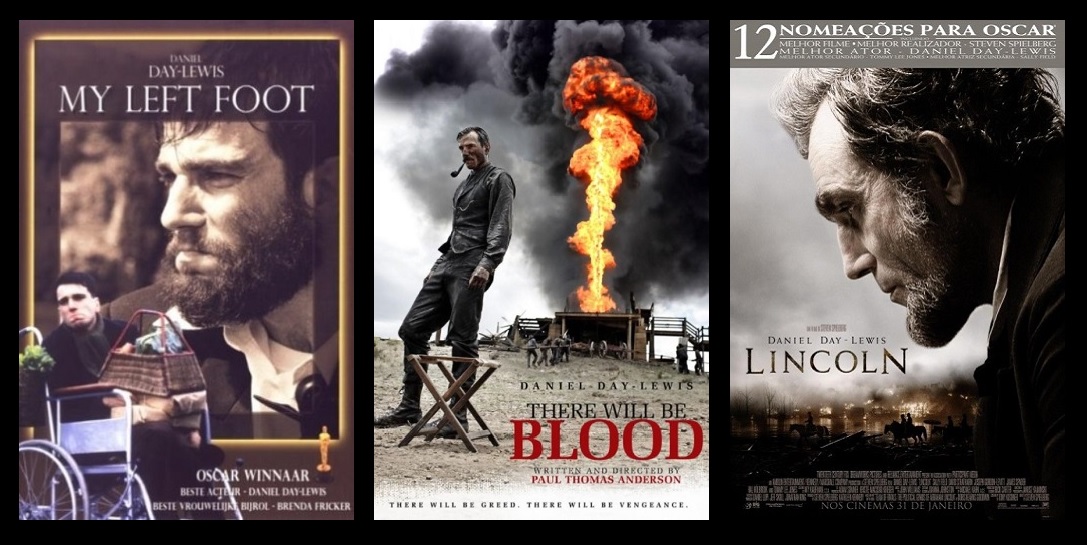
Zijn volgende fase was een serieuze carrière als filmacteur. In My Left Foot gaf hij alles om een verlamde schilder gestalte te geven in een waargebeurd verhaal. Hij viel als een blok voor dit personage en leefde maanden als invalide om het optreden zo realistisch mogelijk te maken. Hij at uitsluitend nog met een theelepeltje. Het leverde hem zijn eerste beeldje op.

De aanpak van Day Lewis om in de huid van een personage te kruipen zette hij voort in zijn volgende rollen. Bijvoorbeeld in Gangs of New York als bendeleider Bill the Butcher. Hij leerde alles over messen en het bewerken van vlees en zijn medespelers vonden hem griezelig in het contact. Of in zijn rol in The Boxer waarvoor hij zoveel trainde dat hij het volgens professionals wel tot de top 10 in de klasse middengewicht had kunnen schoppen. Daniel Day Lewis dompelt zich als acteur helemaal onder in een personage en in een wereld. Zo ontstaat leven dat via hem tot uitdrukking komt.

De voorbereiding van een rol en het optreden putten hem wel steeds helemaal uit, dus nam hij vaak lange pauzes tussen de films die hij koos. In die tijd verdween hij van de radar en ging hij werken als timmerman of schoenmaker in Italië. Hierdoor ontstond een legendarische status rond de acteur. In There Will Be Blood – de tweede rol waarvoor hij een Oscar ontving – kon hij zijn woede, die nog in hem zat door zijn jeugd, een uitlaatklep geven. Dat is een voordeel van het beroep; hij kan zijn verborgen kanten ontdekken, zei de acteur. Maar er is ook een keerzijde; zijn optreden in My Left Foot leverde hem bijvoorbeeld een chronisch pijnprobleem op.

De legendarische regisseur Steven Spielberg wilde niemand anders dan Daniel Day Lewis voor de rol van president Lincoln en hij moest negen jaar op hem wachten. Toen was Daniel klaar voor de rol van zijn leven die wederom goed was voor een Oscar voor Beste Mannelijke Hoofdrol. Daarmee liet hij zijn leermeesters, inclusief zijn favoriete acteur Marlon Brando, achter zich.

Zijn laatste film was Phantom Thread uit 2017 van Paul Thomas Anderson waarin hij de complexe kleermaker Reynolds Woodcock portretteerde. Daarna heeft hij zich met zijn vrouw teruggetrokken in het rustige Ierland. Hij heeft nooit van drukte gehouden of om beroemdheid gegeven. Zijn acteren gebruikte hij als therapie om momenten uit zijn jeugd terug te halen. Maar het lijkt erop dat hij genoeg therapie heeft gehad. Daniel is met pensioen en het is maar zeer de vraag of we de acteur ooit nog terug gaan zien op het witte doek. Zijn nalatenschap geeft in ieder geval genoeg stof om nog lang van te genieten en voor andere acteurs om te benijden.

Acteur Daniel Day-Lewis – De erfgenaam
Avro Tros | Close Up | 26 jan 2022
Zie: https://www.avrotros.nl/close-up/gemist/detail/acteur-daniel-day-lewis-de-erfgenaam/

Academy Award voor beste vrouwelijke hoofdrol
Het record voor het vaakst winnen van de Oscar voor beste vrouwelijke hoofdrol staat op vier. Katharine Hepburn mocht maar liefst vier keer met het beeldje naar huis gaan. Frances McDormand won net als Daniel Day Lewis drie Oscars voor beste vrouwelijke hoofdrol. Er zijn in totaal dertien actrices die er twee wonnen. Meryl Streep is de recordhoudster voor de meeste nominaties (zeventien).

1932/1933: Katharine Hepburn (Morning Glory)
1967: Katharine Hepburn (Guess Who’s Coming to Dinner)
1968: Katharine Hepburn (The Lion in Winter)
1981: Katharine Hepburn (On Golden Pond)

1996: Frances McDormand (Fargo)
2017: Frances McDormand (Three Billboards Outside Ebbing, Missouri)
2020: Frances McDormand (Nomadland)

Not Quite Hollywood

Director: Mark Hartley
Written by: Mark Hartley
Features: Dan Burstall, Bob Ellis, Dennis Hopper, Russell Mulcahy

Year / Country: 2008, Australia / USA
Running Time: 99 mins.

The title Not Quite Hollywood is not a misnomer. The exploitation pictures that have been coming out of Australia since the early seventies are characterized by sleazy sex and cheap violence. This delicious story of OZploitation explores the realms of Australian B-cinema through interviews with key players from the industry as well as fans and critics like Quentin Tarantino.

Not Quite Hollywood is basically told in three segments; sex, horror and car movies. The first genre took off in the seventies when new freedoms were won and the strong censorship was cut down. Besides sex, sex, sex, this segment also treats some of the more commercial Australian export successes such as Stork and the Barry McKenzie movies, prime examples of bad taste. The films that came out in this time are placed in a cultural context. As one of the interviewees describes it: The movies were not about who Australians really were, but how they wanted the outside world to think they were.

The second part focuses mostly on horror films. Apart from absolute rubbish, some very competent horror films were made in Ozzy. The slasher Patrick was such a huge success that the Italians even made an unauthorized sequel called Patrick Vive Ancora. The final chapter is all about car movies such as the famous Mad Max, a genre the Australians do very well.

This film is the perfect pick for a beer night with your mates. The upbeat and often hilarious documentary not only entertains, but also provides many ideas for fun exploitation flicks to (re-)watch later on. If the whole Ozzy slang is unknown to you, subtitles are recommended.

Rating:

Biography: Mark Hartley has made Australian B-cinema his specialty. After directing several documentaries / making-offs on classic Australian cult movies, he made the ultimate documentary about OZploitation called Not Quite Hollywood. He is also Australia’s busiest music video maker, directing over 150 promos for local and international artists including Powderfinger, The Living End, Sophie Monk, The Cruel Sea and Joe Cocker.

Filmography (a selection): A Date with Destiny (1990, short) / Which Way Did They Go, Skip (2003, short doc) / Turkey Shoot: Blood and Thunder Memories (2003, short doc) / Meet the Team: The Making of ‘The Club’ (2003, short doc) / ‘Fantasm’ Penetrated (2004, short doc) / Puttin’ on the Show: The Making of ‘Starstruck’ (2004, short doc) / A Dream Within a Dream: The Making of ‘Picnic at Hanging Rock’ (2004, doc) / Crashing the Party: The Making of ‘Don’s Party’ (2005, doc) / Thrills and Nuclear Spills: The Making of ‘The Chain Reaction’ (2005, short doc) / Jaws on Trotters: The Making of ‘Razorback’ (2005, doc) / The Adventures of Bazza in Chunderland: The Making of ‘The Adventures of Barry McKenzie’ (2007, doc) / Not Quite Hollywood (2008, doc).

American Outlaw: Bill Hicks

Onder het grote publiek in Europa is hij niet heel bekend, maar in Amerika is hij nog steeds een legende: de in 1994 overleden komiek Bill Hicks. Hij wordt zelfs gezien als één van de belangrijkste komieken aller tijden, een ware pionier. De documentaire American: The Bill Hicks Story vertelt zijn verhaal.

In de tijd dat hij opgroeide doorzag hij al de leugens van de Amerikaanse droom; armoede, propaganda, oorlog, machtsmisbruik, religie, enzovoorts. In de jaren 70’ stond stand-up komedie nog niet op de kaart, maar in zijn woonplaats Houston was een kleine komedie scene. Bill en zijn beste vriend Dwight wisten op hun 15de al hun eerste optredens te ritselen. Hicks was toen al extreem grappig en grensverleggend.

Na een mislukt filmavontuur in L.A. begon Hicks zich fulltime te storten op de stand-up komedie. Dit leidde tot optredens bij Letterman en Jay Leno. De weg naar het sterrendom lag voor hem open. Maar Bill was teveel een rebel om door te breken. Hij vertelde zijn publiek hoe het echt zat in Amerika, en dat vonden de ‘sterrenmakers’ te riskant.

Bill ontdekte ondertussen ook psychedelica en Oosterse filosofie en daarmee de echte waarheid over het universum. Dat verwerkte hij in zijn shows: ‘I like to hear a positive drug story for once. News is supposed to be objective right? Today a young man on acid realised that all matter is merely energy condensed to a slower vibration, that we are all one consciousness going through itself subjectively. There is no such thing as death, life is only a dream and you’re the imagination of yourselves. Here’s Tom with the weather.’

Na zijn ontdekking dat er écht iets was aan de andere kant maakte hem dat nog meer ‘fearless’. Maar hij raakte ook aan de alcohol wat zijn carrière geen goed deed. Hij stond vaak ladderzat op het podium en was dan niet zo grappig meer. In 1988 kreeg hij een wake-up call. Hij stopte met drinken en verhuisde naar New York. Wat volgde was zijn glorietijd. Hij ontwikkelde zich tot de slimste en grappigste stand-up ooit. Zijn boze, maatschappijkritische stijl sloeg ook aan in Canada en het Verenigd Koninkrijk waar hij succesvolle tours hield.

Maar toen kwam het slechte nieuws: alvleesklierkanker. Bill had niet meer lang te leven. Hij keerde terug naar zijn familie, deed nog een paddenstoelen trip met vrienden, maakte enkele memorabele albums, en trad nog regelmatig op. Vlak voor zijn dood vatte hij zijn visie op de wereld en de huidige staat van de mensheid/Amerikaanse droom nog eens prachtig samen:

‘Is there a point to my act? The world is like a ride in an amusement park, and when you choose to go on it, you think it’s real, cos that’s how powerful our minds are. And the ride goes up and down and round and round, it has thrills and chills, and it’s very brightly coloured and it’s very loud, and it’s fun for a while. Some people have been on the ride a long time and they begin to question, “is this real or is this just a ride?” And other people have remembered and they come back to us and say, “hey, don’t worry, don’t be afraid ever because this is just a ride.” And we kill those people. “Shut him up. We have a lot invested in this ride. Shut him up! Look at my big bank account and my family. This has to be real”.’

En toen verliet de 32-jarige Hicks voor altijd het podium. Maar zijn boodschap is nu nog altijd net zo relevant als toen.

QT8: The First Eight

I was 13 years old when I saw the video Reservoir Dogs at my local video store. There were – for me at the time – not many familiar actors in it. But the cover looked pretty cool with guys in suits with guns. Plus there was a lot of praise on it from critics, so I decided to give it a shot. I had no idea what to expect, but Jesus Christ was it a good movie! Ridiculously great filmmaking. One of the best movies I had seen at that point and to this day still.

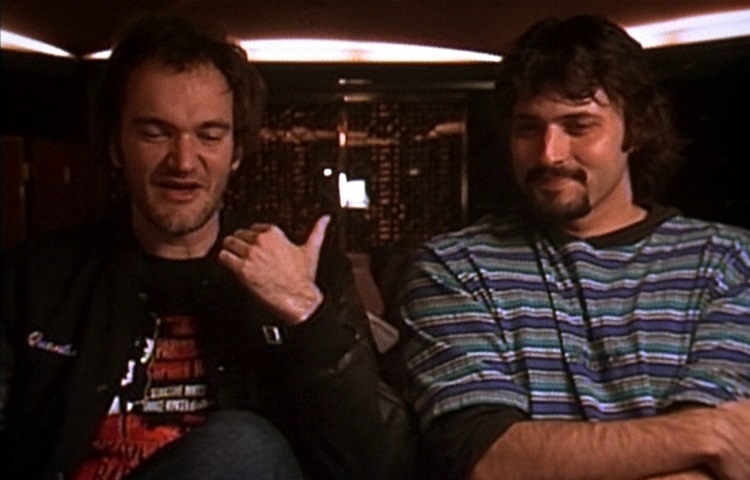
It is funny to hear all these actors in the documentary QT8: The First Eight basically relate to the exact same experience. Tim Roth, shown while being carried in the warehouse by Harvey Keitel, remembers talking to Keitel about what they had just shot and saying: “Man, this is going to be a really great movie!” Keitel agreed.

Reservoir Dogs premiered on Cannes in 1992, very prestigious for a debut, and it was a great success. Everybody wanted to meet Quentin there and he became a movie making star overnight. Everybody said: “Can you believe this guy? He can write and direct and it’s sensational stuff.”

For a long time I was jealous of Tarantino. And when I watch this documentary I still am. I mean, wouldn’t it be something to be able to write screenplays like this guy? And this is also a shared emotion by many people interviewed for this doc. Talent like this is rare. Many people, including me, tried to write scripts like him. But to no avail.

His first screenplays – True Romance and Natural Born Killers – he had to sell to pay the rent. True Romance was originally told in non-chronological order Tarantino-style. Oh and the pop culture loving Clarence, basically Quentin’s alter ego – died at the end. Luckily Tony Scott changed that. At least I for one liked the happy ending.

Tarantino wanted to become a director, so he wrote a script that he could do on a low budget: Reservoir Dogs. Harvey Weinstein distributed the film. After that everybody in Hollywood wanted to work with him, but the Weinstein’s got to produce all his movies up until The Hateful Eight. Then the scandal broke out, and Tarantino – who according to Michael Madsen had known about Weinstein’s misconduct for some time (read Tarantino’s confession-story here) – switched to Sony for his ninth movie Once Upon a Time in Hollywood.

And this Weinstein-business is the only major stain on Tarantino’s career. That, and pushing Uma Thurman to do a car stunt in Kill Bill, which went wrong causing permanent physical problems for her. No good, Mr. Quentin. But there is a lot to balance it out. He is described by everyone in the doc as a very nice guy who enjoys life, and appears to be a great friend for his many cronies.

Pulp Fiction, that followed Reservoir Dogs, is one of the masterpieces of the past 50 years. Michael Madsen, for whom the part of Vincent Vega was originally written, was committed to Wyatt Earp at that time. Nightmare! He takes it well, commenting on the extremely successful casting of John Travolta. “It is one of main reasons the movie worked.” Plus Travolta can dance and Madsen – who did a dance scene in Reservoir Dogs – can’t, at least in his own opinion. “They would have had to change the script into that they don’t win the dance contest.”

How do you follow up a masterpiece like Pulp? You don’t. Just make a very good genre film instead starring Pam Grier, queen of the blaxploitation movies Quentin went to see during his childhood. Jackie Brown is a beautiful film about people trying to figure out what to do with their lives. Then he made another genre film with a strong female lead, a mash-up between Hong Kong cinema and a spaghetti western. Kill Bill is an astonishing accomplishment. Bit of trivia: The razor the Bride uses to escape from the coffin in Vol. 2 is the same used by Mr. Blonde in the torture scene in Dogs. Everything is related in the Tarantino universe.

Then he went on to make another feministic movie with powerful girls in it. Death Proof is a clever slasher flick / carploitation movie shot by the maestro himself. With an unforgettable Kurt Russell as Stuntman Mike. After that came his war movie effort. Inglourious Basterds is unlike any war film ever done before. It is storytelling at his best. Django Unchained is another historic film and it’s brutal. It might just be a little too funny for a film about slavery. But Tarantino likes to hand out justice to his characters. Hitler gets machine gunned to death in Basterds and in Django, the black hero – after having killed a ton of slavers – rides off into the sunset with his girl, an image you won’t find in many westerns.

The Hateful Eight, the final movie treated in this doc, is in a way Reservoir Dogs redone as western. Everything comes full circle. Even Weinstein’s story. Apparently John ‘The Hangman’ Ruth (played by Kurt Russell) is based on the monstrous Weinstein. He gets a big fat lesson in the film. Tarantino said many times that he wants to quit at ten movies, because otherwise he fears the quality will go down and people will say: ‘This one is not so good, but this guy used to make great movies’. Let’s hope he will break his word and continue to make movies forever. His style and voice are unique and irreplaceable in Hollywood. Whatever happens, currently nine films are in the can. And I will certainly keep enjoying his work till the end of my days and share it with friends. When you absolutely, positively, want to blow away everybody motherfucker in the room, accept no substitutes.