The Story of Film: Time Traveling For the Cinemad

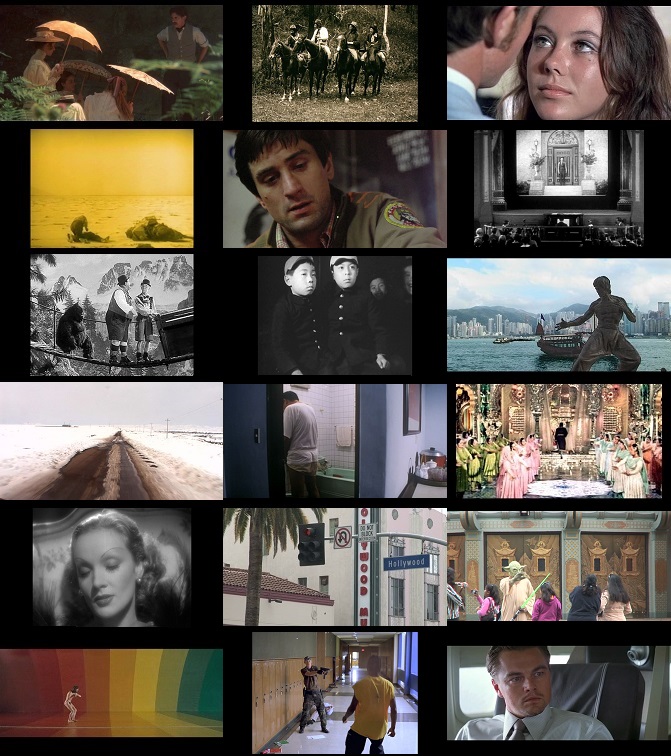
It had to be done someday; making a literal odyssey through the history of cinema and documenting it into a film. The traveller is Mark Cousins. The film is a 15 hour documentary called ‘The Story of Film’. Through cinematic innovation, the story of film is told, from the silent era to the multimillion dollar digital age, covering all continents, major cinematic hallmarks and most talented people in cinema.
The Story of Film 1

The beginning
In 1885 George Eastman of Kodak came up with the idea of film on a role. Then Edison figured that if you spin the images in a box you get the illusion of movement. Lumiere went on to invent the film projector and with that: Cinema! It is not difficult to imagine the excitement of those first screenings. When cinemas started appearing everywhere, it enabled people – who did not travel back then – to see other countries. Not just places, but other worlds. Like what the position of woman was in other countries.

After the invention came the content. And despite of what many believe, it is not the money men that drive cinema. They can’t. Because what you need is the visual ideas, and a clear understanding of what is in people’s hearts. It is psychology that became the driving force of film if anything.

Cousins continues to show us the birth of basic cinema language and techniques that are now common, such as editing, the close up, tracking shots and flashbacks. The road trip then takes us further to the places and the people that brought life to this sublime art form.

1910s
In this period a lot was happening in Scandinavia. Maybe it was the Northern Light, Cousins comments. Or the sense of destiny and mortality in Scandinavian literature that made Danish and Swedish movies more graceful and honest. In 1906 the first feature film was shot in Australia: ‘The Story of the Kelly Gang’. The first feature film in Hollywood was ‘The Squaw Man’ (1914). In 1911 the first movie studio was build. Another interesting thing about this period was that a lot of women were working in Hollywood writing and directing, such as Lois Weber and Alice Guy. They did not always get the credits though.

1920s
In Hollywood, cinema became big business in this period (and a men’s world as well). The 1920s saw the birth of an industry in Hollywood. But the studio system did not get in the film, according to Stanley Donen (director ‘Singing in the Rain’). There were also rebels that emerged – like Orson Welles – that tried to break the bubble. In Europe, cinema developed also. Thematically, the city was often the Big Evil. Think for example ‘Metropolis’ and ‘Sunrise: A Song of Two Humans’. In Japan it was as if the Japanese filmmakers tried to compensate for the massacres their country caused by making very humanistic films. In 1921, the first great Japanese movie was made: ‘Souls on the Road’.

1930s
A lot of innovations were introduced in the 1930s like sound and the use of two camera’s with overhead lighting. From Hollywood came horror movies like ‘Frankenstein’ which borrowed heavily from Germany (Der Golem). And the first gangster pictures appeared, which is an original American genre. The cartoon also arrived and was a very successful new genre. Mickey Mouse was a smash hit and in 1937 came the even more successful ‘Snow White and the Seven Dwarfs’. In Britain, the legendary Alfred Hitchcock started working. He understood the basic human emotion ‘fear’ like no other, and his films are still extremely influential to this day.

1940s
The war years meant less glory, and more gloomy films. In Italy we witnessed the birth of neo realism. The sensational ‘The Bicycle Thieves’ (1939) is a movie that best illustrates this style. In 1941 came ‘Citizen Kane’ – a film that is still often considered by many as one of the greatest movies of all time. It used deep staging so audiences could choose where to look. This was previously used in films like ‘Gone With the Wind’ (1939) and ‘Stagecoach’ (1939), which Welles said to have seen 39 times. A dark genre arrived in Hollywood, called Film Noir. These films, such as ‘Double Indemnity’ usually had characters with flaws that drove them towards their faith, even while they tried to avoid it. The decade ended as depressing as it began with a massive communist hunt in Hollywood: the studios had to fire the (alleged) lefties. This is still a major trauma in Hollywood.

1950s
In America in the fifties, we had the suburban, Christian society. But under the surface there was anger, frustration and tension. Classic films like ‘On the Waterfront’ (1954) and ‘Rebel Without a Cause’ (1955) best illustrate this. In Europe four legendary directors led the way in changing cinema. They were Jacques Tati, Robert Bresson, Ingmar Bergman and Federico Fellini, and they made films more personal and self aware than they had ever been. The era ended with the new wave to which French director Jean-Luc Godard belonged and in Italy Pier Paolo Pasolini. The later used religious music for everyday struggles. He felt consumerism was taking over.
The Story of Film 2

1960s
Sergio Leone made his first ‘spaghetti western’ (Italian made Western) and introduced deep focus, which was made possible by the Italian cinematic invention technoscope in 1960. This gives Leone’s movies an epic feel to them. Thematically, Leone was inspired by Japanese Master Akira Kurosawa (lone gunman / lone samurai). Filmmaking went global in the sixties. In Eastern Europe, directors like Roman Polanski and Milos Forman started their careers. In the Soviet Union, one of the greatest directors ever started working: Andrei Tarkovsky, who knew how to create remarkable imagery. According to Tarkovsky: ‘Imagery contains an awareness of the infinite.’ Late sixties, film schools were popping up all around the USA and a new generation was on its way.

1970s
After the realism in movies in the sixties, the seventies saw a return of old fashioned, romantic and entertaining cinema – and of the box office smash hits, think ‘Star Wars’, ‘The Exorcist’ and ‘Jaws’. ‘The Godfather’ was the return of an old Hollywood genre: the gangster film. New kids were fighting to open up new form, most notably Martin Scorsese with ‘Taxi Driver’ and ‘Mean Streets’. When people think of the seventies, they think about Spielberg, Lucas, Coppola and Scorsese. But there was more. In i.a. Britain and Italy, identity was a major theme. In Germany, Rainer Werner Fassbinder (woman in closed places) and Wim Wenders (men in open spaces) had their glory years. And Werner Herzog the explorer went across the world. He was not so much interested in the feminism or Americana of his contemporaries, but in prime evil life. After John Ford, he is the most important landscape filmer in the history of film. The 70’s also saw the arrival of Asian mainstream, epic films from India (‘Sholay’) and a lot of cinematic activity in Africa.

1980s
After the magnificent seventies came the not-so-great eighties. ‘Protest’ is the central theme of this decade. The 5th generation in China – Chen Kaige and Zhang Yimou – made interesting movies. From Russia came one of the greatest war movies: ‘Come and See’. In America, ‘Top Gun’ was a smash hit, and many movies were influenced by music video’s, like ‘Flashdance’. In France, filmmakers got more into popular culture, which was a protest in itself. Notable directors that moved up in the film world were David Lynch (with ‘Blue Velvet’) and David Cronenberg in Canada with ‘Videodrome’, a prophetic vision of the modern world in which the real and the televisual are dangerously confused.

1990s
Described by Cousins as the last days of celluloid, before the coming of digital. And directors like Wong Kar Wai and Hou Hsiao-hsien used celluloid devotedly. The 90s saw passionate films about other worlds (‘The Matrix’), but also an obsession about reality, for example in the work of Iranian director Abbas Kiarostami who tried to eliminate all dolly’s and clapperboards from the set. From Japan came horror movies about the fear for technology, like ‘Tetsuo’ about a man blending with metal. In Copenhagen, filmmakers returned to primitive filmmaking with Dogma, while Hollywood saw the increasing use of digital effects (‘Terminator 2’ / ‘Gladiator’ / ‘Jurassic Park’). Not only what was in the camera changed, what happened in front of the camera changed as well. Modern became post-modern: The idea that there are no new truths and everything is recycled. Tarantino made this his trade, but respected established directors, like Scorsese, used it as well.

2000s
Documentaries – like ‘Fahrenheit 9/11’ – did as well as blockbusters and blockbusters tried to be like documentaries. Innovative movies were made in the USA. Like ‘Requiem For a Dream’: The great distortion movie. The subconscious got at work in ‘Mulholland Drive’. And in Thailand: ‘Tropical Malady’, a film that changes from simplistic tale of friendship to the mythical story of the hunter and the hunted. The film reincarnates like its main character. Another innovative example is ‘Russian Ark’, which consists of one 90 minute long take showing Aristocrats walking downstairs in a massive palace towards the slaughter.

And the future of cinema? Who knows. Perhaps one day we can share dreams like in ‘Inception’. One thing is for sure: Whatever form it may take, the art of cinema is here to stay and deserves to be celebrated likes this.


Icon 29 - Movie Camera


- Aanbevolen Divider

Top 10 intro (credit sequences) van TV-series

https://jkleyngeld.wordpress.com/2011/09/07/

5 elementen van een krachtig verhaal

10 management lessons from highly successful gangsters

5 Reasons ‘Scarface’ Rarely Makes it to Critics’ Favorite Lists

Dr. Martin Luther King’s ‘I Have a Dream’ Speech (summary)

Delivered 28 August 1963, at the Lincoln Memorial, Washington D.C.

I am happy to join with you today in what will go down in history as the greatest demonstration for freedom in the history of our nation.

Five score years ago, a great American, in whose symbolic shadow we stand today, signed the Emancipation Proclamation. This momentous decree came as a great beacon light of hope to millions of Negro slaves who had been seared in the flames of withering injustice. It came as a joyous daybreak to end the long night of their captivity.

But one hundred years later, the Negro still is not free. One hundred years later, the life of the Negro is still sadly crippled by the manacles of segregation and the chains of discrimination. One hundred years later, the Negro lives on a lonely island of poverty in the midst of a vast ocean of material prosperity. One hundred years later, the Negro is still languished in the corners of American society and finds himself an exile in his own land. And so we’ve come here today to dramatize a shameful condition.

I Have a Dream Speech

In a sense we’ve come to our nation’s capital to cash a check. When the architects of our republic wrote the magnificent words of the Constitution and the Declaration of Independence, they were signing a promissory note to which every American was to fall heir. This note was a promise that all men, yes, black men as well as white men, would be guaranteed the ‘unalienable Rights’ of ‘Life, Liberty and the pursuit of Happiness.’ It is obvious today that America has defaulted on this promissory note, insofar as her citizens of color are concerned. Instead of honoring this sacred obligation, America has given the Negro people a bad check, a check which has come back marked ‘insufficient funds.’

But we refuse to believe that the bank of justice is bankrupt. We refuse to believe that there are insufficient funds in the great vaults of opportunity of this nation. And so, we’ve come to cash this check, a check that will give us upon demand the riches of freedom and the security of justice.

…It would be fatal for the nation to overlook the urgency of the moment. This sweltering summer of the Negro’s legitimate discontent will not pass until there is an invigorating autumn of freedom and equality. Nineteen sixty-three is not an end, but a beginning. And those who hope that the Negro needed to blow off steam and will now be content will have a rude awakening if the nation returns to business as usual. And there will be neither rest nor tranquility in America until the Negro is granted his citizenship rights. The whirlwinds of revolt will continue to shake the foundations of our nation until the bright day of justice emerges.

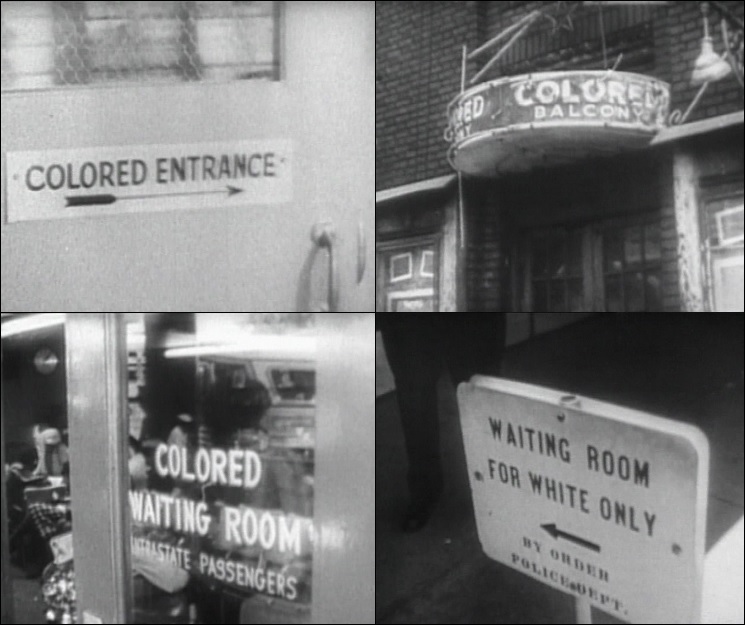
…There are those who are asking the devotees of civil rights, ‘When will you be satisfied?’ We can never be satisfied as long as the Negro is the victim of the unspeakable horrors of police brutality. We can never be satisfied as long as our bodies, heavy with the fatigue of travel, cannot gain lodging in the motels of the highways and the hotels of the cities. We cannot be satisfied as long as the negro’s basic mobility is from a smaller ghetto to a larger one. We can never be satisfied as long as our children are stripped of their self-hood and robbed of their dignity by signs stating: ‘For Whites Only.’ We cannot be satisfied as long as a Negro in Mississippi cannot vote and a Negro in New York believes he has nothing for which to vote. No, no, we are not satisfied, and we will not be satisfied until ‘justice rolls down like waters, and righteousness like a mighty stream.’

I Have a Dream Speech 2

… Let us not wallow in the valley of despair, I say to you today, my friends.

And so even though we face the difficulties of today and tomorrow, I still have a dream. It is a dream deeply rooted in the American dream.

I have a dream that one day this nation will rise up and live out the true meaning of its creed: ‘We hold these truths to be self-evident, that all men are created equal.’

I have a dream that one day on the red hills of Georgia, the sons of former slaves and the sons of former slave owners will be able to sit down together at the table of brotherhood.

I have a dream that one day even the state of Mississippi, a state sweltering with the heat of injustice, sweltering with the heat of oppression, will be transformed into an oasis of freedom and justice.

I have a dream that my four little children will one day live in a nation where they will not be judged by the color of their skin but by the content of their character.

I have a dream today!

I have a dream that one day, down in Alabama, with its vicious racists, with its governor having his lips dripping with the words of ‘interposition’ and ‘nullification’ — one day right there in Alabama little black boys and black girls will be able to join hands with little white boys and white girls as sisters and brothers.

I have a dream today!

Read the whole speech here:
http://www.americanrhetoric.com/speeches/mlkihaveadream.htm

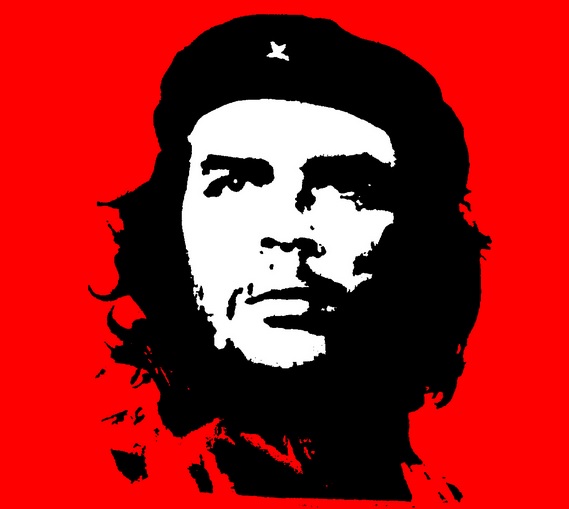
Che Guevara – Held of schurk?

Che Guevara (1928 – 1967)

Toen ik in 2001 in Bangkok was, viel me voor het eerst het karakteristieke gezicht van Ernesto ‘Che’ Guevara op. Ik kende zijn naam toen nog niet, maar zijn beeltenis was moeilijk te missen. Elke winkel op Khao San Road verkocht Guevara t-shirts en toeristen liepen er massaal mee rond. Wie was deze man? Een revolutionair, zo weinig wist ik nog wel. Maar er werden ook minder fraaie dingen over hem gezegd. Bijvoorbeeld dat het een moordenaar was. Maar waarom zou dan iedereen zijn t-shirt dragen? Hoe zit het echt?

Een onverstandig besluit…
In 1967 slaagde een groep Boliviaan overheidssoldaten erin een klein groepje rebellen te arresteren. De leider was de Argentijnse socialistische rebel Che Guevara, die in de jaren 60 Fidel Castro had geholpen het Cubaanse regime van dictator Batistá omver te werpen. In de jaren daarop was Guevara het symbool geworpen van socialistisch succes.

In de zomer van 1967 was Guevara naar Bolivia gekomen om de corrupte overheid te breken. Tot zover waren zijn pogingen onsuccesvol geweest. Met zijn gevangenschap hadden de Bolivianen de kans zijn imago verwoesten door hem in een publieke rechtszaak als verliezer neer te zetten. Ze kozen er echter voor om hem te executeren en zijn dode lichaam te laten fotograferen. Een cultheld, die bereid was te sterven voor zijn idealen, was geboren.

Een korte geschiedenis van Che
Che Guevara groeide op in Rosario, de dichts gelegen stad nabij de Argentijnse hoofdstad Buenos Aires. De zeer intelligente Che was astmatisch en moest soms dagen in bed blijven. In die tijd verslond hij boeken (zijn vader had er zo’n 3.000) over onder andere wiskunde, filosofie, politiek en sociologie.

Het opnemen voor sociale outcasts kreeg Che er met de paplepel ingegoten. Zijn ouders waren intellectuelen die graag politieke debatten voerde. Deze basis en zijn goede stel hersenen zorgden ervoor dat Che excelleerde op school. In 1941 maakte de toen 13 jarige Che zijn eerste grote motortocht door het land. Daarna begon hij aan de hoge school waar hij opviel door zijn jonge volwassenheid, zijn openlijke afkeuring van de Katholieke kerk, en zijn Marxistische idealen.

Che Guavara 2

In deze tijd sloot hij zich aan bij de jeugdbeweging die uiteindelijk de confrontatie zou aangaan met dictator Juan Perón. In 1947 ging Guevara medicijnen studeren aan de universiteit van Buenos Aires. In deze periode gingen zijn ouders scheiden en Che trok bij zijn moeder in. Via haar leerde hij een aantal toonaangevende Argentijnse Marxisten kennen. Che’s toewijding aan zijn studie en vele buitenschoolse activiteiten leiden tot een enorme persoonlijke ontwikkeling.

Een nieuwe motortocht leidde tot het besef dat een (gewapende) revolutie nodig was in zijn land. In de zomer van 1955 zou Che tijdens een reis door Mexico Fidel Castro en zijn broer Raoul ontmoeten. Deze ontmoeting zou zijn leven veranderen. Che zou snel een rol gaan spelen in het omver werpen van het door de VS gesteunde regime van president Batistá in Cuba.

Guerrilla oorlog
Zijn ervaringen in Zuid Amerika hadden hem strijdlustig gemaakt tegen wat hij als de echte vijand beschouwde: de CIA, door de VS bestuurde conglomeraten, en Amerikaans imperialisme dat onderdrukkende regimes – zoals dat van Batistá – in stand hield. Dus sloot hij zich aan bij de guerrilla beweging van Castro. Nu kreeg hij de kans echt wat te betekenen. Met een belachelijk kleine groep rebellen drongen de Castro’s en Guevara Cuba binnen. Ze wisten de sympathie van de lokale bevolking te winnen, en met behulp van lokale hulp en intelligentie wisten ze uiteindelijk in 1959 Batistá te verslaan.

Het is gedurende deze strijd dat de twee kanten van Guevara beide maximaal zichtbaar werden, waar de titel van dit artikel op zinspeelt. De held Guevara was onbevreesd, zette zijn leven talloze keren op het spel om zijn idealen te verwezenlijken, nam het op tegen corruptie, en wist uiteindelijk een bijna onvoorstelbare overwinning te behalen.

Maar er was een keerzijde: Guevara ging gewelddadig en fanatiek te werk. Hij was gaan geloven dat gewapende revolutie het antwoord was, en deinsde er geen moment voor terug soldaten en handlangers van het bewind te doden. Ook liet hij soms guerrilla’s executeren die verdacht werden van verraad. Na de overname van de macht in Havana heeft Guevara een leidende rol gespeeld in het executeren van Batistá’s mensen.

De werkelijkheid is te complex om te kunnen spreken van held of schurk. Wie gelooft dat geweld geoorloofd is in tijden van oorlog, of bij het bestrijden van corrupte regimes, zou Guevara wellicht een held kunnen noemen. Net zoals William Wallace dat is in Braveheart wanneer hij de Engelsen in bijna onmogelijke situaties weet te verslaan. Maar kan een held iemand zijn die zonder pardon geweld gebruikt tegen vijanden die al verslagen zijn? Dat lijkt mij niet.

Een laatste puntje mag niet onvermeld blijven en dat is dat juist van deze exemplarische socialist, die consumptisme verfoeide, miljoenen t-shirts worden verkocht per jaar. Dat is ironie ten top.

Icon 25 - Stars

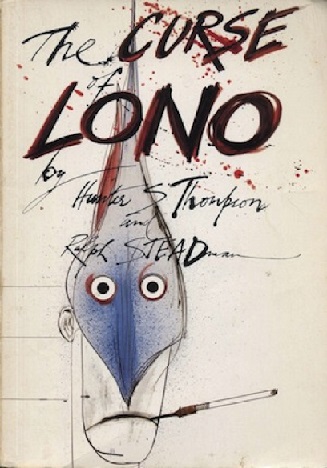
‘The Curse of Lono’ – Het Hawaii avontuur van Hunter S Thompson

Door Jeppe Kleijngeld

‘The banter went on for a while, then I lashed the wheel so the boat wouldn’t wander and went down for a beer. Captain Steve had crawled into the cabin and passed out on top of the ice locker. Ackerman still looked dead and he seemed to be barely breathing, so I rolled him over on his side and hung a bell around his neck so I could hear him if he started vomiting.’
– The Curse of Lono (1983)

The Curse of Lono 1

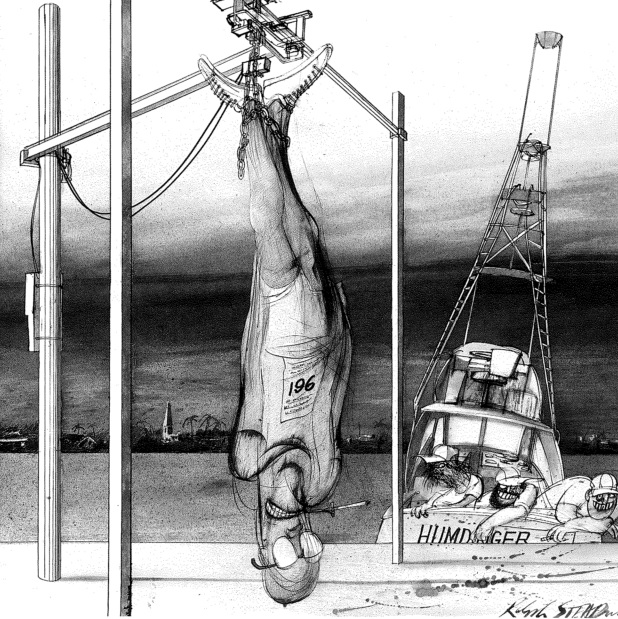
‘The Curse of Lono’ is een vreemd Gonzo avontuur dat schrijver Hunter S. Thompson begin jaren 80’ op Hawaï beleefde, samen met zijn Britse vriend en illustrator Ralph Steadman. Inderdaad, de eighties, een nieuw tijdperk voor de dokter. Hoe slaat hij zich er doorheen? Heel goed. ‘The Curse of Lono’ bevat alle gebruikelijke elementen – drank, drugs, wapens – maar voegt daar stormen, bommen, marlijnen en oude Hawaiiaanse goden aan toe. Een explosieve mix.

Het boek begint met een brief die Thompson naar zijn maatje Steadman stuurt:
Dear Ralph, I think we have a live one this time, old sport. Some dingbat named Perry up in Oregon wants to give us a month in Hawaii for Christmas and all we have to do is cover the Honolulu Marathon for his magazine, a thing called Running. . . .

Thompson geeft aan eigenlijk geen dergelijke rapportageklussen meer aan te nemen, omdat er met degelijke journalistiek geen cent meer te verdienen valt. Het is een tijd om in films te stappen, schrijft hij. Een paar jaar eerder was Thompson onderwerp van een Hollywood film getiteld ‘Where the Buffalo Roam’. Zijn laatste echte boek ‘Fear and Loathing on the Campaign Trail ’72’ was al weer 10 jaar geleden, dus het was wel weer eens tijd. In 1979 verscheen wel zijn gebundelde journalistieke werk in ‘The Great Shark Hunt’.

Thompson en Steadman nemen de opdracht dus aan en vertrekken naar Hawaii. Wie Thompson een beetje kent weet dat er van het verslaan van de marathon niet veel terecht komt. De twee vrienden vertrekken al snel naar Kona om van hun vakantie te gaan genieten. Maar het eiland wordt geteisterd door zware stormen en hun leven komt een paar keer in gevaar. Thompson, maar vooral Steadman, beschouwen het avontuur als een echte nachtmerrie (een ‘vloek’). Het duurt niet lang voordat Steadman vertrekt en Thompson achterblijft met enkele lokale mafketels en drugs freaks.

Curse of Lono 2

Naast Thompson’s vaak hilarische verhalen en beschrijvingen is het boek doorspekt met oude teksten over de geschiedenis van Hawaii, waarin de god Lono een grote rol speelt. In Hawaiiaanse mythologie is Lono de god van de vruchtbaarheid, landbouw, regen, muziek en vrede. Thompson schrijft dat hij ook god was van het overvloedige misbruik van bedwelmende middelen. Het boek bevat tevens teksten over de laatste reis van kapitein James Cook, van wie sommige Hawaiianen geloofden dat hij de teruggekeerde Lono was. Dit zou ook tot de dood van Cook hebben geleid volgens sommige verhalen.

De rest van Thompsons verblijf staat vooral in het teken van diepzeevissen; Thompson is er sterk op gebrand een marlijn te vangen, en hier slaagt hij uiteindelijk ook in. De vis slaat hij vervolgens dood met een Samoaanse oorlogsknuppel. Vervolgens gelooft Thompson dat hij zelf de gereïncarneerde Lono is en dat schreeuwt hij ook uit wanneer hij arriveert in de Baai van Kailua na het vistochtje.

‘The Curse of Lono’ is het rijkst geïllustreerde boek dat Thompson geschreven heeft. Het is dan nadrukkelijk uitgebracht als een coproductie van de twee vrienden, en Thompson stond er bij de uitgever op dat ‘dit niet zijn volgende boek’ genoemd mocht worden. En eerlijk is eerlijk: Steadman levert hier zelfs beter werk af dan Thompson met zijn voortreffelijke illustraties. Al met al is dit wederom een geslaagd Gonzo avontuur van Thompson aka Raoul Duke aka Lono.

‘King Lono was a chronic brawler with an ungovernable temper, a keen eye for the naked side of life and a taste for strong drink at all times…’

Dat van die reïncarnatie zou best eens kunnen kloppen…..