Remember when in Covid times, I published the Top 100 of the most memorable moments from The Sopranos? I was going through my FilmDungeon archives the other day and found a number of great scenes that didn’t make the cut to that memorable feature. The Sopranos is so brilliant that even when you rate the best top 100 moments, there are easily a hundred more. So hereby the best moments from the show that the previous feature didn’t include:
Fuck Doc
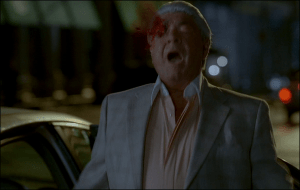
Episode: Remember When (SE6, EP15)
Characters: Faustino ‘Doc’ Santoro, Bodyguard, Butch DeConcini, shooters
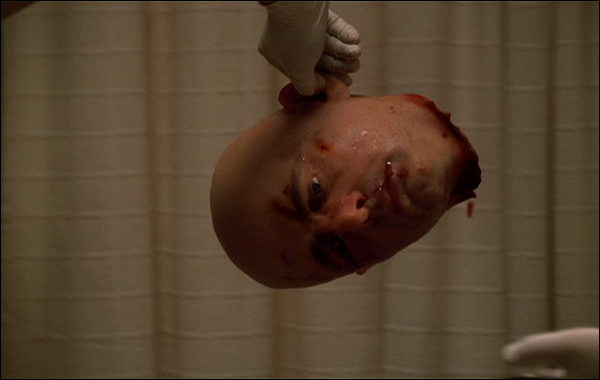
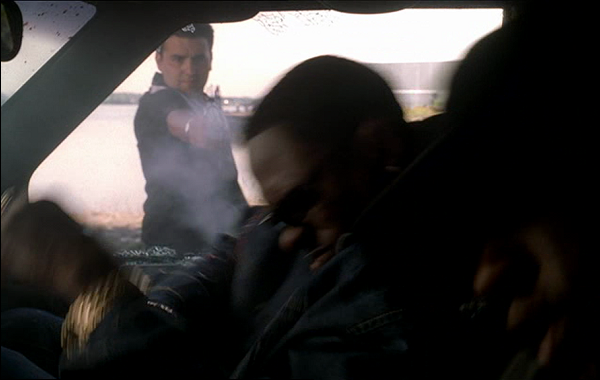
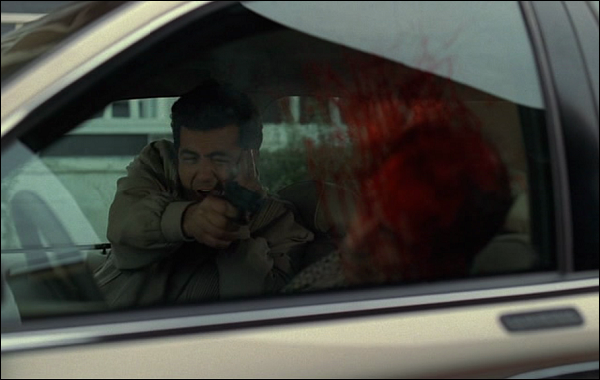
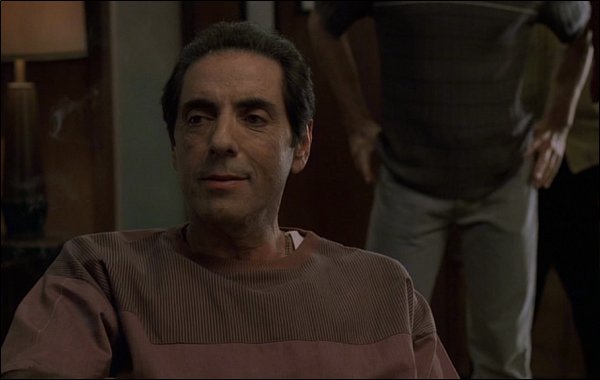
Let’s hit it off with a good whacking. The Sopranos is full of them and this one is particularly delicious. Frontrunner for the New York No1 position, Faustino ‘Doc’ Santoro gets shot outside a massage parlour along with his bodyguard by Phil Leotardo’s guys. Doc sealed his faith earlier this episode by literally taking food from Phil’s plate. Reminds me of the real life Paul Castellano hit. Oh, and that eyeshot is framed beautifully, Coppola style.
Spitting Image

Episode: A Guy Walks Into a Psychiatrist’s Office… (SE2, EP1)
Characters: Tony, Paulie, Pussy, Silvio, Raymond Curto and Gigi Cestone
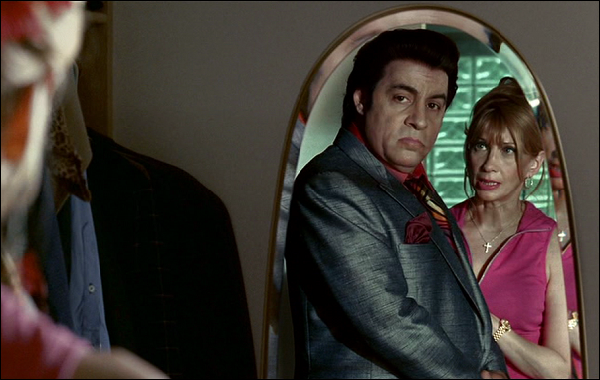
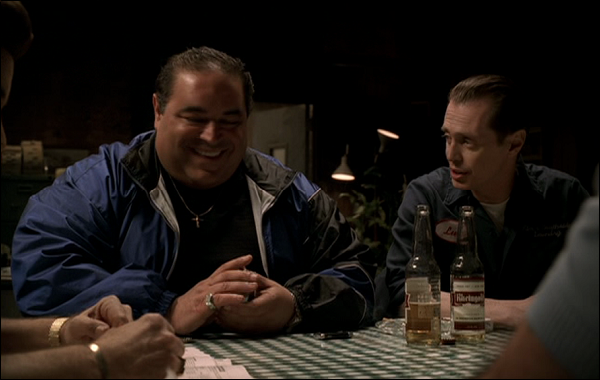
Silvio, whose hair seems to grow an inch each season, does terrific Al Pacino imitations. Not for nothing, they are a massive source of amusement to the wiseguys. In this scene, he is on a roll and does no less than three imitations. The best one is the middle one in which he imitates Michael Corleone lying to his wife Kay.
“Michael, is it true?”
“No.”
“You fucking schifosa!”
The whole crew is in stitches.
Talkin’ To Me?

Episode: Everybody Hurts (SE4, EP6)
Characters: Artie
Artie made an unwise business decision by lending 50.000 dollars – which he borrowed from Tony by the way – to a French entrepreneur. Of course he hasn’t heard from him since, so on Tony’s advice he is going to his house to confront him. In this scene he is practicing for the showdown. It’s very impressive: “I called you five times. Qu’est-ce que c’est message machine broken? You fucking avoiding me motherfucker?” The eventual showdown doesn’t go so well. Artie is a doucheback, but a sympathetic one most of the time.
A True Friend
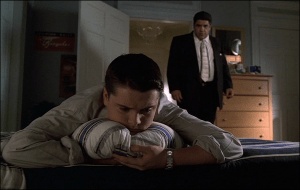
Episode: D-Girl (SE2, EP7)
Characters: Pussy, A.J. and Skip Lipari
On his confirmation, A.J. is caught smoking marijuana (the animal) and gets sent to his room. His godfather Pussy – who is wearing a wire at the occasion – goes up to talk to him. While the feds are listening in, he tells A.J. a genuinely touching story about how Tony can be a really good guy. When Pussy’s sister was in the hospital when they were kids, Tony went with him to visit her every time. On the day that she died, Tony was there also. Pussy later breaks down and weeps on the toilet; he is fixing on betraying a true friend, while A.J. justifyingly wonders; “why did he do all these great things before he was my dad?”
Sea Vous Play

Episode: Remember When (SE6, EP15)
Characters: Tony and Paulie
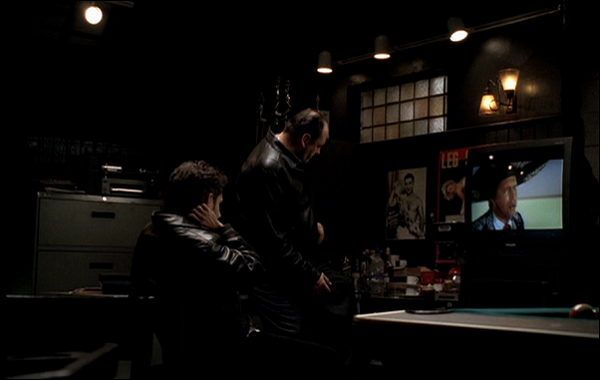
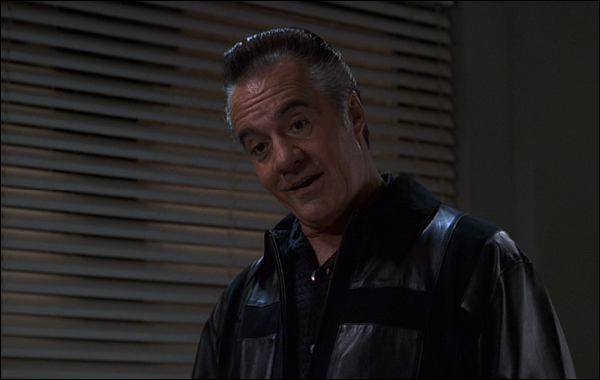
At this point in the extended sixth season, Tony has sunk rock bottom. While on the lam for an old murder, the evil Tony considers whacking Paulie – whom he has known for ages – for talking too much. This Tony has become more and more of a paranoid and twisted man. And any hopes for improvement have gone down the toilet.
Eating Shit

Episode: Long Term Parking (SE5, EP12)
Characters: Johnny Sack, Phil Leotardo, Tony, Silvio, Christopher and Jimmy Petrille
Tony practically has to go on his knees to Johnny Sack after his cousin went off the reservation and whacked Phil’s kid brother Billy Leotardo. The way Johnny brings it is beautiful: “The lone gunman theory. I want your cousin on a fucking spit. You either deliver that prick to my door or I will rain a shitstorm down on you and your family like you have never fucking seen.”
AR-10
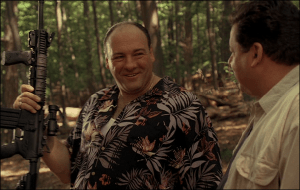
Episode: Sopranos Home Movies (SE6, EP13)
Characters: Tony and Bobby
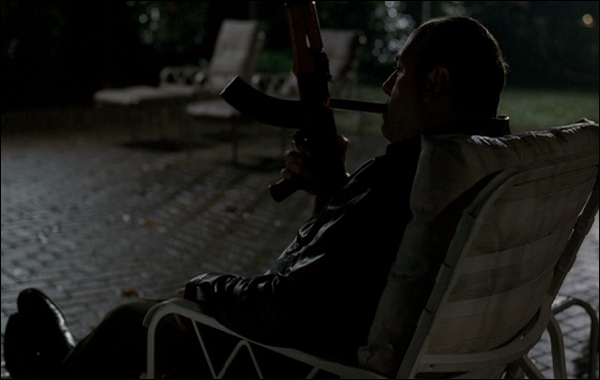
Another example of why Tony and his crew are bad for the world. While spending time with Bobby, Tony starts blowing up poor innocent trees with the monstrous machine gun Bobby gave him for his 47th birthday. Can’t these guys come up with less destructive leisure activities?
Choices Made

Episode: Stage 5 (SE6, EP14)
Characters: Johnny, Ginny and Allegra Sacrimoni
Johnny Sack is dying of lung cancer. In this scene he tells his family, but he is not allowed to touch them. The last season is about making choices, if anything else. Johnny Sack is in this shitty position because of the choices he made in his life. To join the mob… Those choices also include smoking by the way; the scene ends with him bumming a smoke from a fellow inmate. Like Cleaver, Johnny is now in stage 4 and there won’t be a stage 5. It is heart wrecking, which makes this impressive writing/directing/acting considering we are watching a cold blooded murderer here.
Health Hazard

Episode: Kennedy and Heidi (SE6, EP18)
Characters: Waste collectors
Don’t shit where you eat. Tony’s refusal to settle a garbage dispute with Phil leads to this; the dumping of asbestos in a Jersey marsh. You can hear the ducks that Tony loved so much in the pilot episode… Terrible scene, that is telling for the current state these characters are in. Tony has become more comfortably numb than Christopher ever was on smack. It is also a methaphor for screwed up American shareholder capatalism. It’s all about the money – nothing else is valued anymore.
The D Word
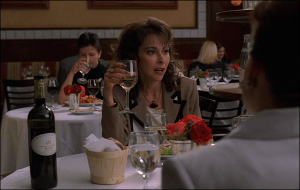
Episode: Commendatori (SE2, EP4)
Characters: Carmela, Angie Bonpensiero and Rosalie Aprile
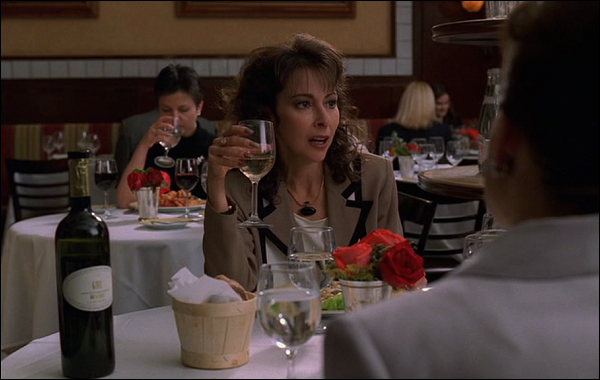
“Angie, you must be relieved Pussy is back, right?”, Carmela asks Pussy’s wife. Wrong! This is a great scene featuring ‘the wives of…’. It is beautiful because they get confronted with the fact that their husbands suck and they should all get a divorce, like Angie now realises. The men are in Italy, a trip Carmela wasn’t even invited on, so she has reasons to be pissed. But Carmela is clearly in the denial phase in this episode; “you know what the church says about divorce?” Well, what about murder, Carm? ‘Con te partirò’ (also released as ‘Time to Say Goodbye’) by Andrea Bocelli is fittingly used as theme music here.
Retribution
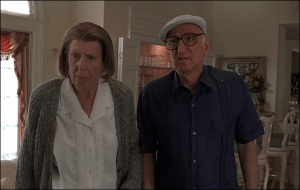
Episode: Isabella (SE1, EP12)
Characters: Tony, Carmela, A.J., Meadow, Silvio, Paulie, Christopher, Uncle Junior, Livia and Father Phil
After the failed attempt on Tony’s life, it is comforting to see that his crew immediately comes over to protect him and – off course – to look for retribution. They all know it was Junior, who comes in acting all concerned together with Livia. They look all the more concerned when Silvio says; “when we’re done with them, they are gonna wish they never been born.” There is a lot going on in this scene. Livia starts acting demented so she can’t be held accountable for her part in the bodged hit and Tony gets back at Father Phil for sleeping over earlier in the season. It’s a beautiful family reunion.
The Funeral
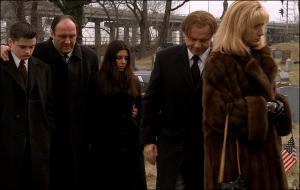
Episode: Army of One (SE3, EP13)
Characters: Tony, Carmela, Meadow, A.J., Rosalie Aprile, Ralphie, Silvio & Gabriella Dante, Junior, Bobby, Paulie, Johnny & Ginni Sacrimoni and Christopher
While Jackie Jr.’s murder was pretty uneventful (shot in the back of the head by Vito), his funeral is all the more exciting. While they are preparing to insert his casket in the Aprile family grave, half of the guests are arrested and the other half run with their tails between their legs. And the turn-up was already pretty shitty. Take with that the ugly, urban burial place and the depressing mood is complete.
Big Mouth Parisi
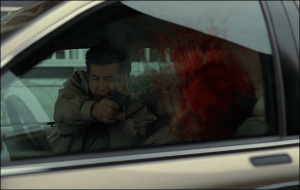
Episode: A Guy Walks Into a Psychiatrist’s Office… (SE2, EP1)
Characters: Gigi Cestone and Philly Parisi
No Philly Parisi, it is never a smart move to crack jokes about a recently appointed mob boss. Especially not if you are on the losing team. The killer Gigi Cestone is the smart one for switching camps. Before Philly leaves his home his wife tells him, “Don’t forget the pastries”, a reference to The Godfather when Peter Clemenza’s wife tells him, “Don’t forget the cannoli”, before going on the journey in which Paulie Gatto is killed for his role in the attempted hit on Don Vito Corleone.
Bada Bing Surprise
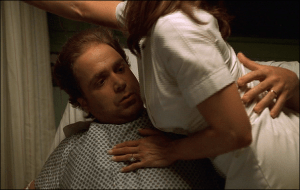
Episode: Denial, Anger, Acceptance (SE1, EP3)
Characters: Tony, Jackie Aprile and stripper
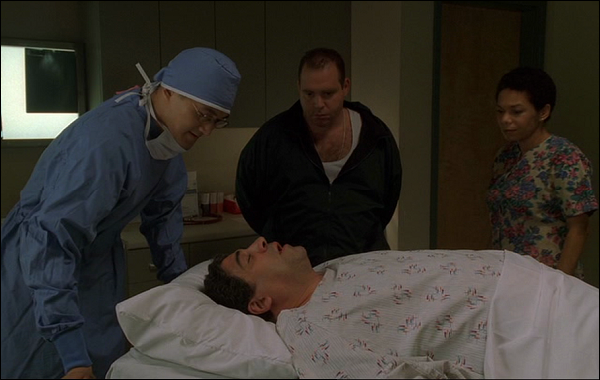
An element that has always served The Sopranos writers well in coming up with amusing situations, is how the values of Mafiosi are quite different from most other people. For example, when Tony wants to organise a little party for his sick friend Jackie, he has a stripper from the Bada Bing act like a nurse at his hospital bed. Then off course, Jackie and the girl get to have a little private time. This is not a treatment many cancer patients will receive. “It was nice of you to have a little party for your friend”, Dr. Melfi says later. No reason at all to disagree.
Sad Clown
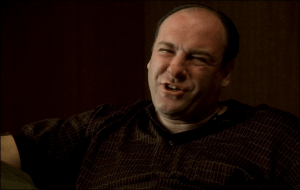
Episode: The Strong Silent Type (SE4, EP10)
Characters: Tony and Dr. Melfi
This is crucial therapy for Tony, who’s grieving over the loss of Pie-O-Mie. Dr. Melfi: “It is sad that you’ve lost something you loved. That being said; it’s a horse. Last time it was ducks. You haven’t grieved this way for people.” It is true; a real sociopath like Tony has no empathy at all for people, but when it comes to animals, they strangely affect him. “You’ve caused much suffering yourself, haven’t you?”, Melfi tries, but it doesn’t land. Tony is going for self-pity all the way.
Comply or Die!
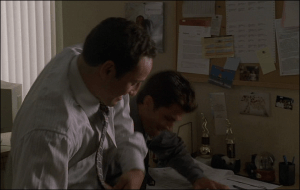
Episode: A Guy Walks Into a Psychiatrist’s Office… (SE2, EP1)
Characters: Christopher, Adriana, Matt Bevilaqua, Sean Gismonte and traders
At the start of this episode, we learn that an Asian guy gets Christopher a broker’s degree. In this scene, we find out why. The Sopranos are pulling a pump and dump scheme through a brokerage firm; they push a stock called Webistics and quickly dump it when the value reaches its top. Christopher is the Compliance Officer of the firm, which means he is either sleeping or taking his girlfriend to the beach. In his absence he leaves two Mafia wannabes in charge who hospitalise a trader here because he is pushing the wrong stock. “Anybody else got a problem with Webistics?” Yet, another funny look at the almost inconceivable immoral way these guys make their money.
DEFCON 4

Episode: Meadowlands (SE1, EP4)
Characters: Tony, Big Pussy, Paulie, Silvio and Christopher
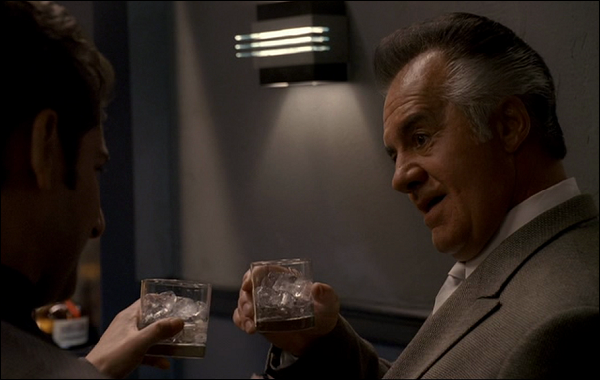
After they find out that Jackie Aprile just died, the Soprano crew do a toast to their friend and leader. In this scene, you can see how little the bond of these mobsters really means. Tony is a little upset, sure, but there is no way you can tell that one of his best friends has just passed away. One of the strippers almost gets more emotional. These mobsters are cold people. Then Christopher barges in who’s furious at Junior for taking over his turf. “This ain’t negotiation time. This is Scarface, final scene, bazooka under each arm, say hello to my little friend!” With this comic act, Chris reminds the audience why it is so much fun to watch these mobsters anyway.
A New Approach
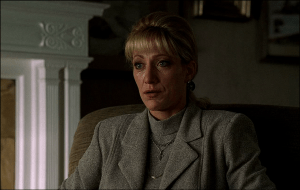
Episode: Second Opinion (SE3, EP7)
Characters: Carmela and Dr. Krakower
Carmela isn’t used to this kind of talk. In Second Opinion she goes to see a psychiatrist whose approach is a little different from Dr. Melfi’s. He tells her outright that she should get a divorce and take the children. “Enabler would be a better job description for you than accomplice. My apologies. You can never say you haven’t been told.”
The Captain
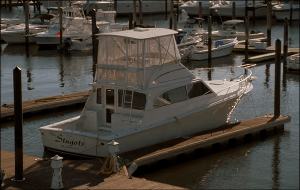
Episode: He is Risen (SE3, EP8)
Characters: Tony and Gloria Trillo
This is another perfect ending to an episode. Junior advised Tony earlier; “That’s what being a boss is; you steer the ship the best way you know. In the meantime, you take your pleasures when you can.” Tony does just that; he makes Ralphie captain after Gigi dies and at the end he is taking his pleasure in the form of Gloria; an fiery Italian dame he met at Dr. Melfi’s. The lyrics of the song ‘The Captain’ by Casey Chambers add to the substance of the scene. They seem to be told from Gloria’s perspective; a girl who is extremely uncertain of herself, and gives herself completely to a man. In other words; a borderline girl, what Gloria off course is, and Tony will soon discover. But first he briefly gets to enjoy the good times.
Truth Be Told

Episode: Cold Cuts (SE5, EP10)
Characters: Christopher and Adriana
Christopher is frustrated with Tony Blundetto getting spoiled by Tony. He is whining to Adriana, who in return tries to convince him to leave. “Maybe you could pick up your writing or male modelling”, she suggests. Christopher: “As a male model, I would probably be a success, but I couldn’t stand to be around these fucking people. I’m a soldier, Adriana. When are you gonna understand that?” Brilliant dialogues and characterisations.
Going Home

Episode: Mayham (SE6, EP3)
Characters: Tony and the Man
“You’re going home. Everyone is in there.” Tony reaches the end of his coma dream, where he is welcomed by The Man (Tony B.) to join his family in a spooky old house. Tony wisely decides against it, helped by Meadow’s voice and wakes up. This is the closest The Sopranos ever gets in showing what Tony’s hell might look like. Livia is there and probably a lot of other ghouls from his past. It’s unsettling to say the least.
Through the Meat Grinder
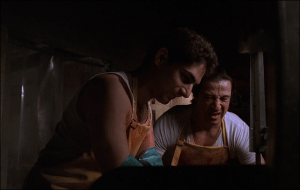
Episode: The Knight in White Satin Armor (SE2, EP12)
Characters: Christopher and Furio
Never order a salami sub in a pork store owned by mobsters, because at night they use the grinder for a different type of meat. Christopher and Furio dispose of Richie Aprile’s body. “We have to speed this up”, Chrissy tells Furio. “You know what time these humps come in for work? Five o’clock, meat delivery. It will be a while before I eat anything from Satriale’s.”
Close Call
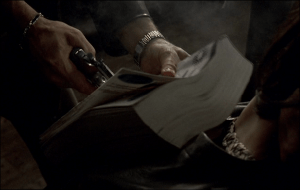
Episode: Where’s Johnny? (SE5, EP3)
Characters: Lorraine Calluzo, Jason Evanina, Bartender, Phil Leotardo, Joey Peeps and Phil’s associate.
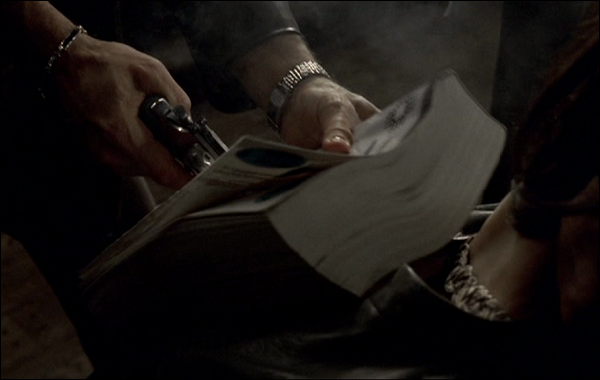
A woman shylock, Lorraine Calluzo, and her partner in crime Jason Evanina, collect a debt from a bartender. They get threatened by Phil Leotardo and his associates for kicking up to Little Carmine instead of Johnny Sack. It’s very menacing. Phil shoots at her, but stops the bullet with a phonebook. It only made it to the ‘R’. And Lorraine has obviously hung around these mob figures too long. “Please, I suck your cock. All of you guys.” Jesus Christ.
Egg Salad

Episode: Two Tonys (SE5, EP1)
Characters: Tony, Johnny Sack, Carmine Lupertazzi and Angelo Garepe
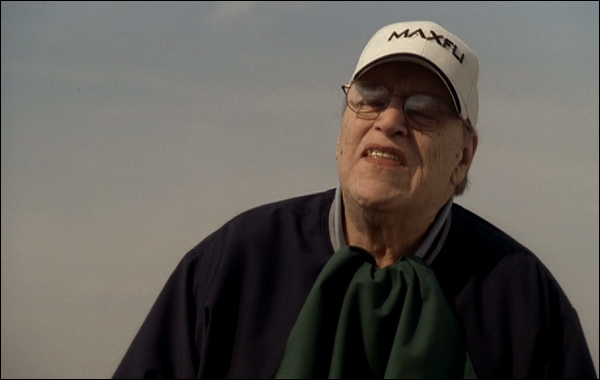
The makers of The Sopranos are specialists in creating disturbing imagery. This scene contains one of the worst. Carmine, the boss of the New York Lupertazzi crime family has a stroke on the golf course with egg salad in his mouth. Even worse is the comment; “Get that egg salad out of his mouth.” Disgusting. Eggs are also a symbol for death in The Sopranos like oranges are in The Godfather. Whenever someone eats them, you know the Grim Reaper is around the corner.
Let Sleeping Dogs Lie

Episode: The Strong Silent Type (SE4, EP10)
Characters: Christopher and Cosette
At the start of The Strong Silent Type, Christopher is cooking up. After he injected the heroin into his veins, he sat down on Adriana’s poor, little Maltese Cosette. What a dog this Christopher! Tony isn’t gonna like this when he finds out…
Unprepared

Episode: The Test Dream (SE5, EP11)
Characters: Tony and Coach Molinaro
‘Football’ is a recurring theme in The Sopranos. In Tony’s extensive dream in The Test Dream it all comes together. He reaches the man he is ordered to kill. It turns out to be Tony’s old football coach. They have a conversation. The bottomline: Tony was special, a leader type, but chose the easy way of living. Then the gun he brought to kill the coach turns into shit. This refers to the title; a test dream is a dream in which an individual turns up late for a test in school and is wearing no clothing, meaning that the person is unprepared for a test or another task they have to face. In Tony’s case, this task is whacking Tony B., who is about to step out of line.
Costa Mesa
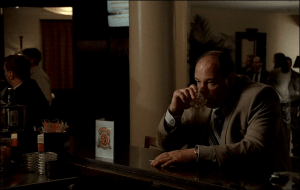
Episode: Join the Club (SE6, EP2)
Characters: Kevin Finnerty and Radisson quests & staff
Following the cliffhanger of Members Only in which Tony was shot by his Uncle Junior, he wakes up in a strange place called Costa Mesa. It later turns out to be a comatose dream Tony has, in which he is a sales rep named Kevin Finnery (without Jersey accent). The mood of Costa Mesa is very well done. It’s a bit strange and unsettling, this dream world, like a scene from Twin Peaks. The atmosphere is really what makes this sequence work.
Ballbreaker
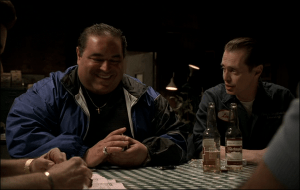
Episode: The Rat Pack (SE5, EP2)
Characters: Paulie, Silvio, Vito and Tony Blundetto
“What do I find at the pork store? A bunch of guys beating the meat.” Tony Blundetto is out of jail five minutes and he is already showing what a terrific ballbreaker he is. To Paulie: “You got to let them dry before you put on a second coat?” To Vito: “You gonna deal those? They’re not candy bars. You gotta let some of them go.” Then he shows another specialty; massages. Great guy this Blundetto. The series needed a comical replacement for Ralphie, who was whacked in the previous season.
Dirty Mouth
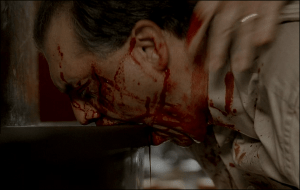
Episode: The Second Coming (SE6, EP19)
Characters: Tony, Butch DeConcini and Salvatore ‘Coco’ Cogliano
The Jersey – New York conflict reaches a critical point when Tony pulls a Derek Vinyard on Coco, an idiotic mobster who made a few nasty remarks to Meadow earlier while drunk. Never a smart play with a mob boss’ daughter. The ultra violence in the series is getting grittier, while the atmosphere in this scene is extremely menacing. This NJ-NY-bomb is certainly ready to blow.
Future Outlook (1)

Episode: For All Debts Public and Private (SE4, EP1)
Characters: Tony and Dr. Melfi
Tony looks into his future with Dr. Melfi and he sees two endings for a high profile guy like him; “dead or in the can. Big percent of the time.” This scene ties directly to the final scene in Holsten’s where Tony is seemingly facing both these pianos hanging over his head. At this point, he still sees a third option; creating an unbreakable bond with his nephew Christopher and communicating only through him. “Why are you telling me?”, Dr. Melfi asks. “I guess I trust you”, Tony replies. This is the point where she should get really concerned, she is becoming more and more his consiglieri.
Future Outlook (2)

Episode: Sopranos Home Movies (SE6, EP13)
Characters: Tony and Bobby
Wiseguys live pretty much from day to day, but once in a while they look into the future. While leisurely floating around in a boat together, Tony and Bobby look at theirs. Death is always out there and so is an indictment by the Justice Department. Tony decides to give Bobby a bigger responsibility because things with Christopher aren’t turning out the way he planned. They also discuss the fact that Bobby never killed anyone despite his father being ‘the terminator’. An important scene in setting up the events that are about to unfold in the final 9 episodes.
End of a Friendship

Episode: Chasing It (SE6, EP16)
Characters: Tony and Hesh
In Season 6B, Tony is gambling everything away, even his close friendships. When Hesh’ girlfriend Renata dies in her sleep, Tony – disgustingly – slams the 200K at Hesh he borrowed from him. Don’t think he is gonna offer Hesh some comfort and support instead. They have now become completely estranged. This is Hesh’ final scene in the series.
Moment of Truth
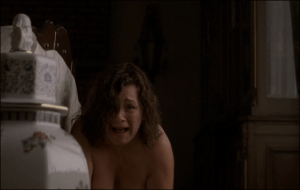
Episode: All Happy Families (SE5, EP4)
Characters: Billy Leotardo, Lorraine Calluzo, Jason Evanina, Phil Leotardo and Joey Peeps
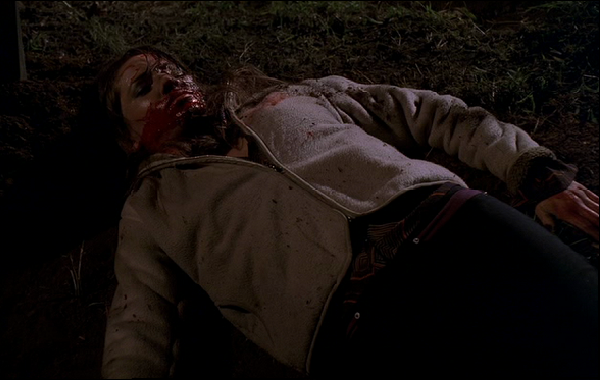
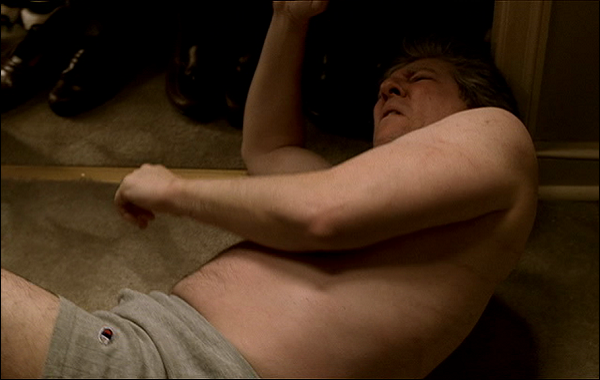
The first victims in the New York conflict are Lorraine Calluzo and Jason Evanina. They are brutally killed by Billy Leotardo and Joey Peeps on orders of Johnny Sack. Watching Lorraine running through her house naked and then falling down next to her lover’s dead body is a pretty horrific sight. No soothing moment in this death. In terms of mise-en-scène, it reminds of Adriana’s killing later this season.
Comforting
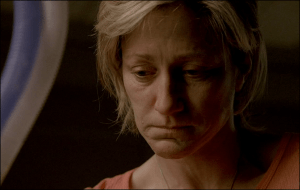
Episode: Join the Club (SE6, EP2)
Characters: Carmela and Tony
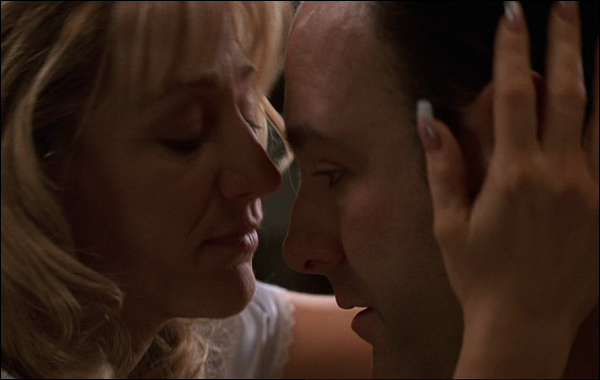
This scene is included solely because of Edie Falco’s excellent performance. She is talking to the comatose Tony (shot by Junior) and shares memories, in the hope that he doesn’t die. The way she handles this vast scope of different emotions and expressions makes her one of the finest actresses of the small screen.
Natural Canopy

Episode: Full Leather Jacket (SE2, EP8)
Characters: Richie, two associates, Matt Bevilaqua and Sean Gismonte
These wiseguys are true experts in coming up with the most creative insults for each other. Richie shows great talent here when Matt and Sean come to visit him to score points. About Christopher he says; “The attitude on that camel nosed fuck. He touches my niece again, I’m gonna tear him apart piece by piece.” Matt and Sean are amazed; “Camel nosed, you can’t make that shit up!” Richie: “I just did. You ever noticed how he is the only motherfucker who can smoke a cigarette in the rain with his hands tied behind his back?” That’s just brilliant.
Blood Relations
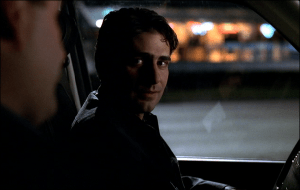
Episode: For All Debts Public and Private (SE4, EP1)
Characters: Tony and Christopher
Tony does some effective relationship building with Christopher here. He brings him to the retirement party of Barry Haydu, a former cop who killed Christopher’s father. Now Chris can pay him back. Tony acts weird around Chris, but his story on Haydu seems to check out with Christopher’s memories, so it is probably true. Still, it is becoming increasingly clear how dangerous Tony really is. He wants Chris in his grip and he takes him, just like that. The dark times in The Sopranos have now begun and Tony is the devil himself, so it appears.
No Way!

Episode: Do Not Resuscitate (SE2, EP2)
Characters: Pussy and Skip Lipari
After a lot of hustle in season 1 about Pussy being a rat or not, it was decided that he is not. After all, Jimmie Altieri was the traitor right? Also a fat guy with black hair. Now that Pussy has returned everything is back to normal again. Then we find out Pussy is a rat after all! In this scene he is talking to an FBI agent. An amazing twist that nobody saw coming.
Flipping Ade

Episode: No Show (SE4, EP2)
Characters: Adriana, Danielle, Agent Frank Cubitoso and Agent Harris
The feds use strikingly intimidating tactics to flip their targets, as we see during Adriana’s interrogation. They threaten her with a serious charge – intent to sell and distribute cocaine – that could put her away for 25 years. They also warn that if she refuses to cooperate, Tony will learn that she brought an undercover FBI agent to his house for Sunday dinner. “We’ll probably never hear about it, though. Chances are you and Christopher will just disappear.” Overwhelmed, Adriana vomits. It’s the beginning of one of the most harrowing and consequential plot lines in the entire series.
Macho Man
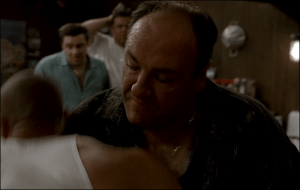
Episode: Mr. and Mrs. John Sacrimoni Request (SE6, EP5)
Characters: Tony, Christopher, Bobby, Paulie, Silvio, Patsy, Jason Molinaro, Dante ‘Buddha’ Greco, James ‘Murmur’ Zancone and Perry Annunziata
After he comes back from the hospital his underlings start to second guess him, so what does Tony do? He takes on the most athletic guy he can find, Muscles Marinara, and kicks his butt. The guy can’t hit Tony back, but it’s about window dressing anyway. This scene shows that these guys function pretty much like apes, with Tony still as supreme Gorilla.
Kingsley’s “Fuck”

Episode: Luxury Lounge (SE6, EP7)
Characters: Christopher, James ‘Murmur’ Zancone, Ben Kingsley and agent
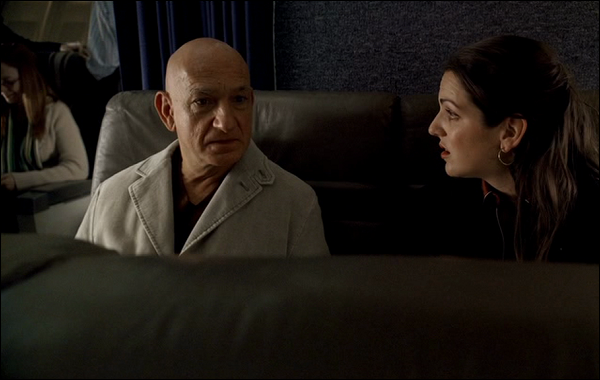
Chris and Murmur are on the plane back from Christopher’s little movie adventure. They are still grinning about the Lauren Bacall rough-up when Ben Kingsley enters, who totally doesn’t like to be around the obnoxious Christopher anymore. His agent booked him on the wrong flight. His subsequent delivery of the F word is one of the best in the entire series. Faaackkk!!!
Meeting of Minds

Episode: Kaicha (SE6, EP12)
Characters: Tony, Phil, Silvio, Little Carmine, Butch DeConcini and Gerry Torciano
Carmine Jr., with his attempts at eloquence, is always good for a few laughs. He organised a meeting between Tony and Phil to discuss the rising tension. He opens the meeting with: “Now, I wouldn’t call it a sit-down because of the inclement negative implications. Let’s think of it as a meeting of minds.” When things are smoothened between the two rivals, Carmine brings up Phil’s brother Billy, who was murdered by Tony’s cousin Tony B. Oh no.
Long Overdue

Episode: For All Debts Public and Private (SE4, EP1)
Characters: Christopher and his mother Joanne Moltisanti
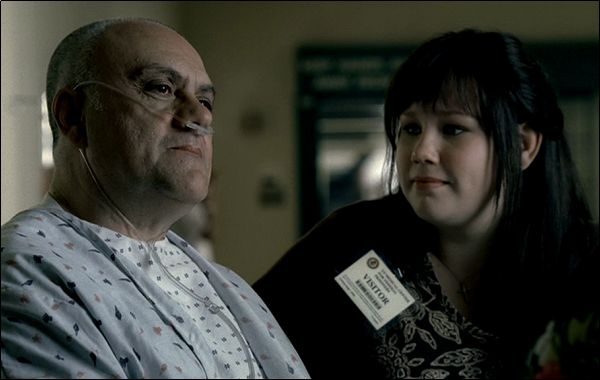
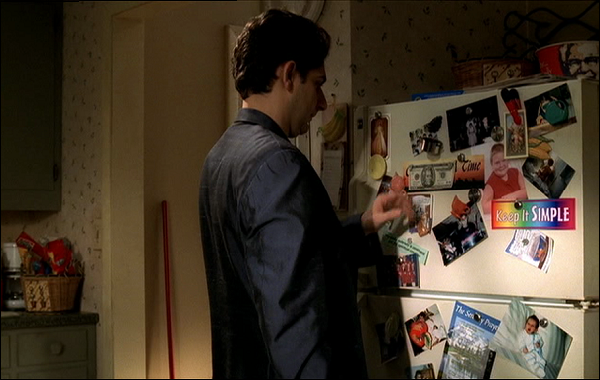
In the first post 9/11 episode, the economic situation of the United States plays a major role. While the US wants to pay back the Taliban and al-Queda for their attack on the WTC, Carmela worries about money and Tony wants his captains to start earning more. Christopher settles a long standing personal debt. He whacks the murderer of his father: Detective Lieutenant Barry Haydu. In this closing scene at his mother’s house, he sticks Haydu’s final one dollar bill on his mother’s refrigerator. Debt paid in full. In his turn, Chris is now indebted to Tony for providing him with the information about his father’s murderer. It all comes together quite nicely here.
The Vision
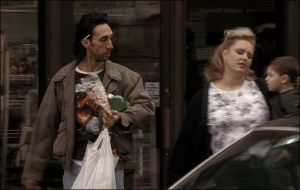
Episode: Long Term Parking (SE5, EP12)
Characters: Christopher and New Jersey Family
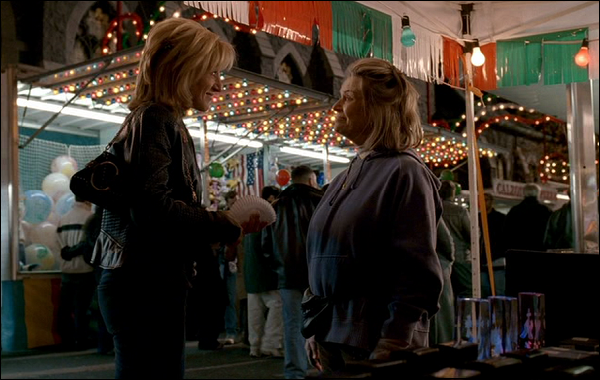
Christopher has to choose; leaving with Adriana or sticking around with Tony. Then he sees what he dreads the most; a family of poor people stepping in a beat-up Chevrolet Citation. He makes his choice then and there and Adriana’s faith is sealed.
Reunited
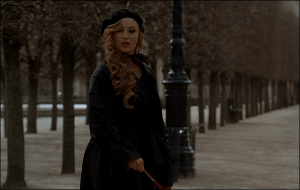
Episode: Cold Stones (SE6, EP11)
Characters: Carmela, Adriana, Gendarme and Cosette
While in Paris, Carmela has a beautifully shot dream about Adriana walking by the Eiffel Tower. She is reunited with Cosette again. Then a gendarme tells her; “somebody needs to tell your friend she’s dead.” Carmela’s subconscious is trying to tell her something…
CHECK OUT ALSO:

READ ALSO: Remember When: The Sopranos’ Best Moments (2)

































 FRAGMENTEN UIT HET SCHEMERLAND