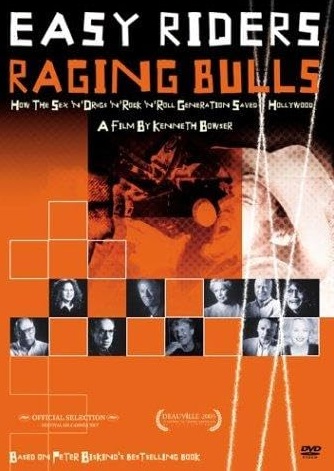
Easy Riders, Raging Bulls

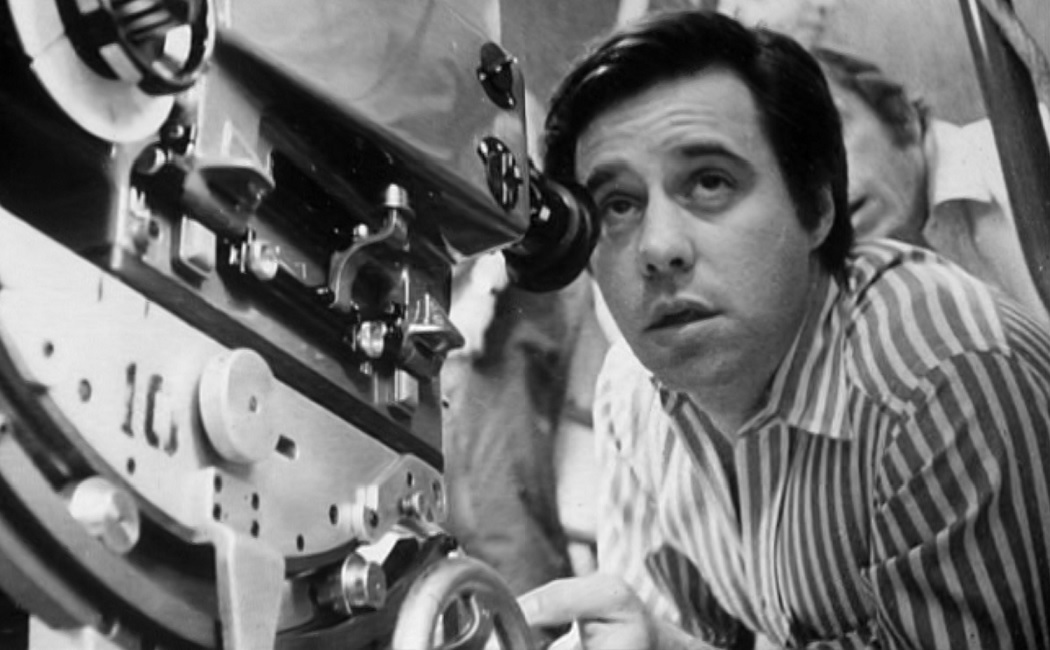
BBC documentary (2003) by Kenneth Bowser, based on the book by Peter Biskind. Easy Riders, Raging Bulls: How the Sex-Drugs-and-Rock ‘N Roll Generation Saved Hollywood tells the story of Hollywood in the 1960s, a time when the studio system was in crisis. Their films had become increasingly irrelevant.

The problem was that movies were run by studios rather than directors, and the studios had lost touch with what audiences wanted to see. Then a new generation of filmmakers emerged who reconnected with viewers. Directors such as George Lucas, Steven Spielberg, Martin Scorsese, Dennis Hopper, Sam Peckinpah, Francis Ford Coppola, Arthur Penn, Warren Beatty, Robert Altman, Jack Nicholson, and Peter Bogdanovich.

“In 1963 the studio system collapsed”, says Bogdanovich. “It was over.” After the disaster of Cleopatra (1963, Joseph L. Mankiewicz, Rouben Mamoulian), the Fox lot was shut down. It became a ghost town. Television took over. The old moviegoers died off, and American films grew more and more meaningless.

Meanwhile, art theaters screening foreign films were doing very well. Many of the new generation of filmmakers learned the language of cinema from auteurs like Fellini, Godard, and Truffaut.

Outside the studio system, Roger Corman played a pivotal role in training young filmmakers to make low-budget B-movies that performed well at the box office. Jonathan Demme, Martin Scorsese, Ron Howard, and Francis Ford Coppola all started under Corman. They succeeded by targeting the youth who flocked to the thousands of drive-in theaters across the country, audiences that loved horror and action. Corman also had a knack for choosing hot topics: Hells Angels were in the news, so he made The Wild Angels (1966, Roger Corman). LSD was trendy, so he made The Trip (1967, Roger Corman) based on a screenplay by Jack Nicholson.

In Hollywood, directors proved just how out of touch the studios were. Executives hated Bonnie and Clyde, but young people loved it. Studios had to adapt. Paramount, in deep trouble, was taken over by Gulf & Western, led by the eccentric Austrian Charlie Bluhdorn. He brought in the now-legendary Bob Evans as a producer, who helped turn the studio around. How? By giving directors more creative control. Like he did with Polanski, who made Rosemary’s Baby in 1968.

At Columbia, Bert Schneider also trusted and empowered directors, resulting in massive hits, most notably Easy Rider, released in 1969. The drug-fueled chaos of director Dennis Hopper and his team is visible on screen. It was a great film, and audiences loved it. It was the kind of movie that never would have been made under the old studio system. The same goes for Midnight Cowboy by John Schlesinger, also released in 1969 – an outstanding film. That same year saw The Wild Bunch by Sam Peckinpah, which pushed violent realism to a whole new level.

The 1970s began, and the director’s era was in full swing. Peter Bogdanovich released The Last Picture Show in 1971, a film rich in emotional depth and sexual content, more than audiences were used to at the time. Dennis Hopper tried to follow up on Easy Rider with The Last Movie, but botched the edit due to his drug use and constant partying. “I had final cut, but I cut my own throat,” he says in the documentary.

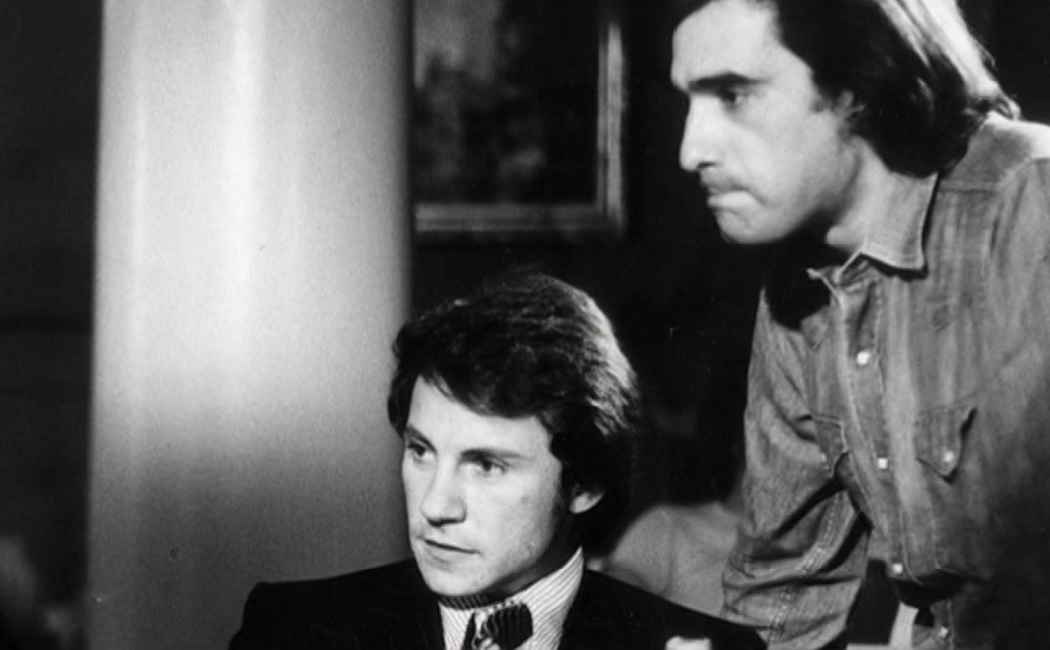
In 1972, Paramount released The Godfather in 4,000 theaters simultaneously, a massively successful strategy. The history of that production was recently chronicled in the excellent miniseries The Offer. Coppola had now become one of the greats. He used his influence to bring George Lucas back to Hollywood, where he made the wildly successful American Graffiti in 1973 – a film studios didn’t understand, but youth audiences loved. That same year marked the rise of another major talent: Martin Scorsese, whose Mean Streets won over critics and audiences alike with its originality and authenticity.

But 1973 belonged to Warner Bros., which released The Exorcist by William Friedkin. Using the same wide-release strategy as The Godfather, it became a huge box office hit. It was Friedkin’s second success after The French Connection, cementing his status as one of the untouchable directors of the time.

By now, the auteurs had taken over Hollywood. This led to artistic triumphs like Chinatown (1974). But the young directors hadn’t forgotten Corman’s trick of attracting young audiences. In 1975, Spielberg released Jaws, a film that redefined what success looked like in Hollywood. Corman said: “When I saw Jaws I thought: these guys know what I’m doing, and they have the money and talent and skills to do it better.” George Lucas took it even further with Star Wars in 1977. The age of the blockbuster had arrived.
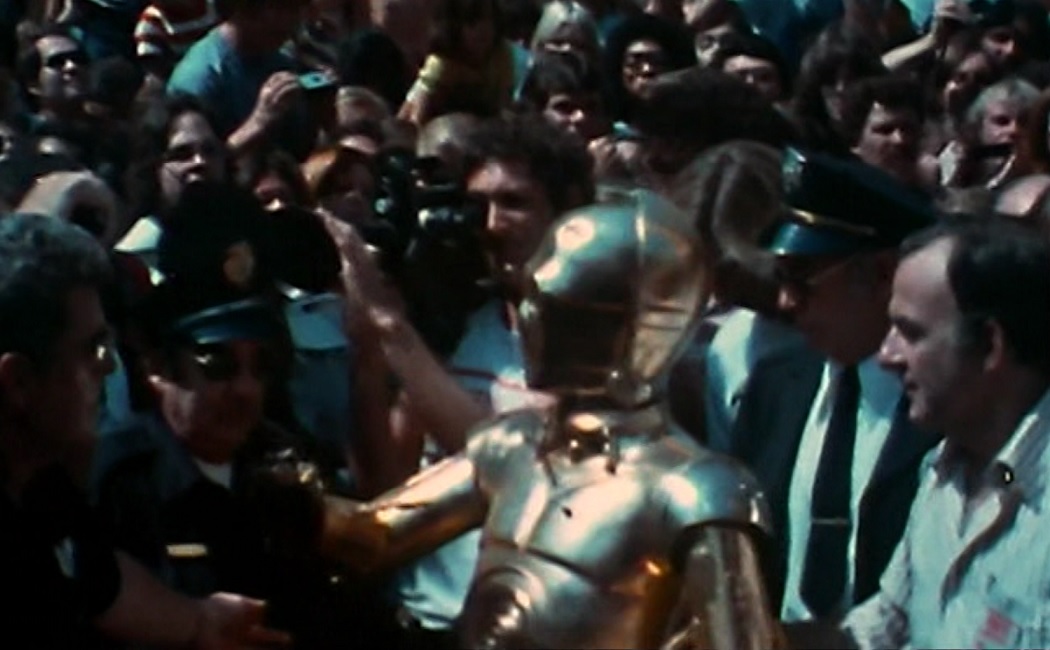
It had taken a decade, but Hollywood was back on its feet. Expensive B-movies like Alien, Superman, and their sequels became the new studio model. For about ten years, directors ruled. That era came to an end in the late ’70s, but it was a glorious decade that produced countless classics – films still regarded today as some of the greatest ever made.
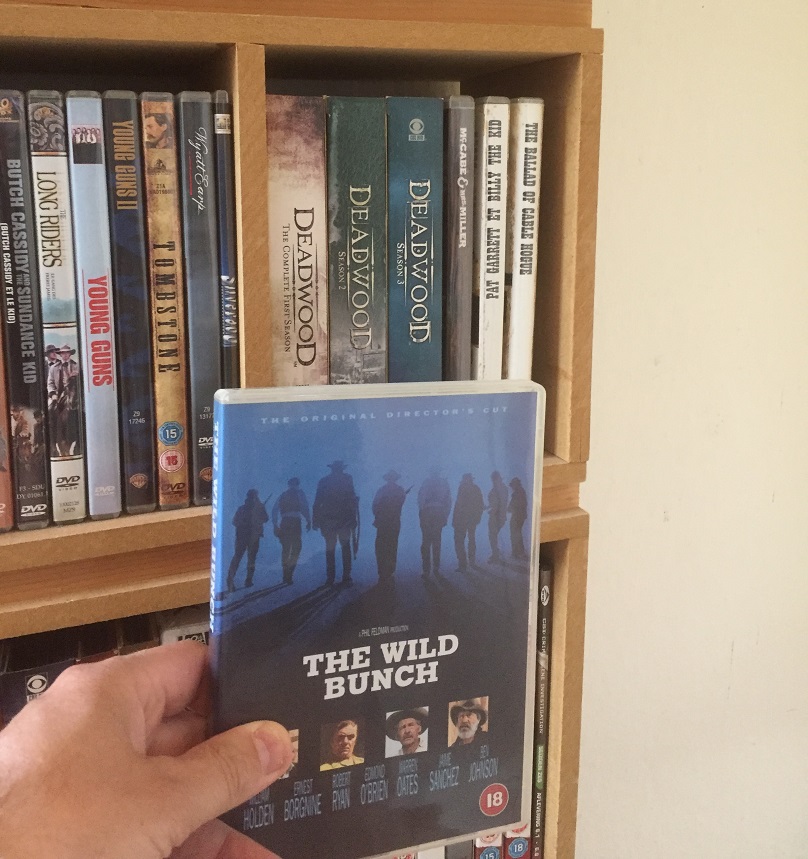
Dungeon Classics #30: The Wild Bunch

FilmDungeon’s Chief Editor JK sorts through the Dungeon’s DVD-collection to look for old cult favorites….

The Wild Bunch (1969, USA)

Director:
Sam Peckinpah
Cast: William Holden, Ernest Borgnine, Robert Ryan
Running Time: 145 mins.

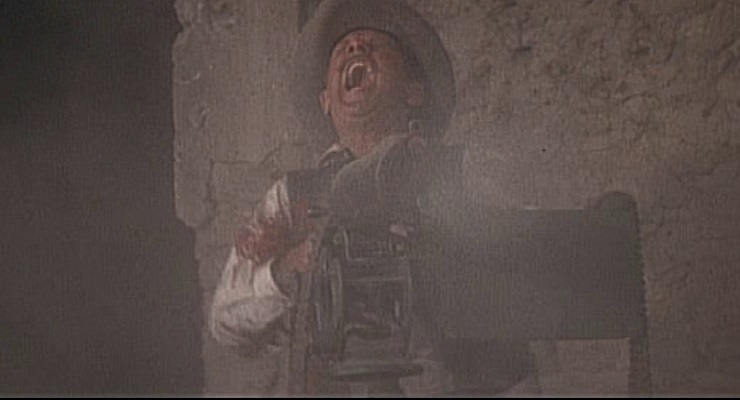
Pike Bishop (William Holden) is an aging outlaw who runs a gang called the Wild Bunch in the new American West of 1913, a time of trains and automobiles in which they no longer seem to fit. They get ambushed during their latest score and flee to Mexico, while being hunted by bounty hunters led by one of their former gang members (Robert Ryan). Once in Mexico, they agree to rob a train and steal weapons for a corrupt general after which Pike plans to retire. But if you think the Wild Bunch will disappear quietly into the night, you’re in for a very noisy surprise! The Wild Bunch was controversial at the time for the graphic violence on display and immoral characters in the lead. This was new indeed and clearly an inspiration for filmmakers like Quentin Tarantino. The movie looks and feels very gritty and raw, and the bloody bullet festival in slow motion at the end is a masterful sequence: one of the all-time greatest scenes in cinema history! Fun trivia: actor Robert Ryan was constantly whining to director Peckinpah that he wanted first billing. The director punished him by listing him third on several horses’ asses.

Dungeon Classics #29: The Getaway

FilmDungeon’s Chief Editor JK sorts through the Dungeon’s DVD-collection to look for old cult favorites….

The Getaway (1972, USA)

Director: Sam Peckinpah
Cast: Steve McQueen, Ali MacGraw, Sally Struthers, Al Lettieri
Running Time: 101 mins.

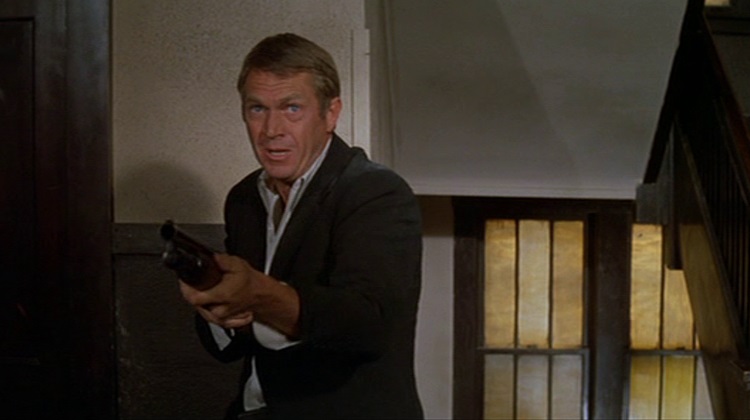
Seventies classic with a terrific Steve McQueen as bank robber Carter ‘Doc’ McCoy who goes on the run with his wife (Ali MacGraw) after a job went awry. Both the police and criminals are on their tail. What makes this movie work is that it is in fact a love story. McCoy was in jail for five years and his wife had to have sex with a parole board member to get him out. This man – Beynon – was also the one who ordered the bank job and assigned two amateurs to Doc’s team. They are the ones who screwed it up and one of them (Rudy played by The Godfather villain Al Lettieri) is now after them. McCoy can’t forgive his wife for what she did, despite her good intentions, and this psychological drama makes the movie rise above the routine lovers on the run story. Director Peckinpah’s trademark slow motion violence is on display during the finale in a memorable sequence in a hotel.

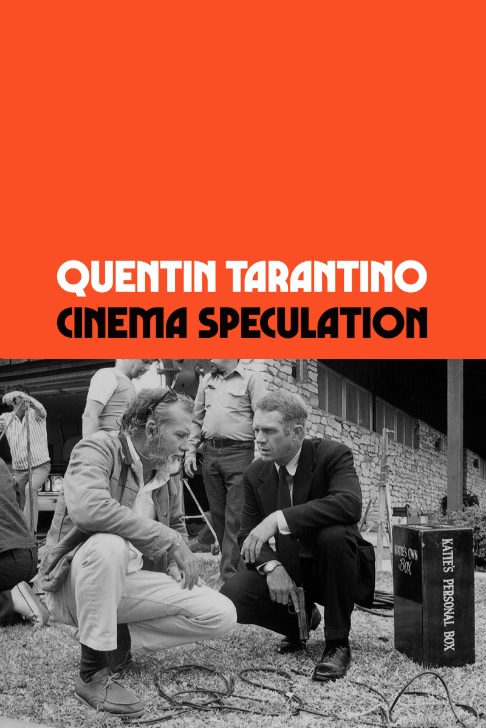
Recensie: Cinema Speculation (Quentin Tarantino)

Onlangs heeft Mr. Quentin Tarantino zijn tweede boek afgeleverd na ‘Once Upon a Time in Hollywood’ vorig jaar. Het heet ‘Cinema Speculation’ en is een non-fictieboek over films uit de jaren 70’, het tijdperk van zijn jeugd en volgens de de schrijver-regisseur het beste tijdperk voor films in Hollywood ooit. (Voor mij is dat de jaren 90’, het filmdecenium van mijn jeugd waarin Tarantino als regisseur een grote rol speelde).

Tijdens het lezen had ik voortdurend IMDb openstaan om de titels op te zoeken die QT beschrijft. Één van de eerste films die hij analyseert is Joe van John G. Avildsen (regisseur van Rocky en The Karate Kid). Het gaat over een right wing gun nut die hippies haat en ze wel wil vermoorden en dat op een gegeven moment ook gaat doen… Duidelijke inspiratie voor Once Upon a Time in Hollywood lijkt me.

Zijn moeder en haar vele vriendjes namen de jonge QT (vanaf 7 jaar) mee naar de meest gewelddadige films uit die tijd. Hij zag slechte exploitatiefilms, maar ook vele klassiekers, zoals de Dollars trilogie van Sergio Leone (zijn favoriete regisseur), Where Eagles Dare, Dirty Harry, The Godfather en The Wild Bunch. Hij was meestal het enige kind in een zaal vol volwassenen en begreep niet altijd alles van de films. Zo snapte hij niet dat de freeze frame op het einde van Butch Cassidy and the Sundance Kid betekende dat de hoofdpersonen dood gingen. Maar een voorwaarde van zijn moeder was dat hij geen domme vragen mocht stellen.

Zijn moeder ging een tijdje uit met zwarte mannen en die namen hem af en toe mee naar Blaxploitation films. Zo zag hij met een bijna volledig zwart publiek de film Black Gunn met Jim Brown. Hij observeerde goed hoe het publiek reageerde op zo’n film en op de acteurs. Hier heeft Tarantino zijn voornaamste opleiding genoten: in de bioscoopzaal. Vaak bij geweldige Double en Triple Bills die ze in die tijd nog vertoonden in de bioscopen in Los Angeles.


Op de cover: Regisseur Sam Peckinpah en filmster Steve McQueen op de set van The Getaway.

De film maestro geeft verschillende films een eigen hoofdstuk, zoals Bullitt met Steve McQueen (Steven Spielberg werkt momenteel aan een nieuwe interpretatie van deze klassieker). Bullitt herinnert men zich vooral vanwege de auto-achtervolging. Het plot kan niemand je meer vertellen (dat klopt). McQueen was de grootste ster van die tijd naast Newman en Beatty. Hij doet bijna niets in de film, schrijft Tarantino, maar toch is hij geweldig om naar te kijken. Hij acteert minimalistisch. Plus, hij is cool als agent Frank Bullitt omdat hij nooit zijn ‘cool’ verliest in tegenstelling tot andere helden. Als zijn onredelijke baas hem op zijn nek zit, reageert hij helemaal niet. ‘He doesn’t engage’.

De volgende film die hij in detail bespreekt is Dirty Harry, de klassieker die van Eastwood de grootste actiester maakte en van Don Siegel de beste actie-regisseur naast Peckinpah. De invloed van Dirty Harry kan niet onderschat worden. Samen met The French Connection luidde de film de transitie in van westerns naar politiefilms. Het is ook de eerste echte seriemoordenaar-film. Harry neemt het op tegen Scorpio, een fictieve versie van San Francisco’s echte Zodiac killer. The Silence of the Lambs en Se7en zijn de kinderen van Dirty Harry.

De samenleving was aan het veranderen in de jaren 70’, schrijft de auteur. De politie neemt het op voor de boeven, zo was soms de perceptie. Met Dirty Harry kregen de angstigen een held met een .44 kaliber Magnum aan hun zijde. Een held die een groep Black Panther-achtige overvallers uitschakelt terwijl hij een hotdog eet. En een held die het recht in eigen hand neemt als een zaak daarom vraagt. Curieus genoeg heeft het (volgens QT zwakke) vervolg Magnum Force de tegenovergestelde boodschap. Hierin neemt Harry het juist op tegen een groep moordenaars die criminelen zonder proces executeren.

Geweld speelt een grote rol in Tarantino’s films en dit is ook iets dat hij opikte in de glorieuze jaren 70’. Bijvoorbeeld bij de fantastische Double Bill Deliverance en The Wild Bunch. De eerste bevat een schokkende homoseksuele verkrachting. The Wild Bunch eindigt in één van de bruutste grafische geweldsexplosies uit de filmgeschiedenis. Ik bedenk me nu dat de man in Deliverance verkracht wordt door een echte hillbilly. Zou dat inspiratie hebben gevormd voor de verkrachting van Marcellus Wallace door hillbilly Zed in Pulp Fiction? Hoe het ook zij: wat Quentin schrijft over die scène klopt; in plaats van dat je wegkijkt van zoiets gruwelijks kun je je ogen er niet vanaf houden. Kennelijk heeft geweld iets fascinerends voor mensen en is film een ideaal medium om dit kanaliseren.

In de jaren 80’ veranderde dit in veel films. Hollywood ging self-censorship toepassen. De enige niet niet-compromitterende regisseurs uit deze jaren waren Lynch, Verhoeven, Cronenberg, Ferrera, Gilliam en De Palma (soms). Niet toevallig allemaal behorend tot mijn favoriete filmmakers aller tijden. Tarantino klaagt over het gebrek aan immorele, onsympathieke karakters in films uit die tijd. Personages als Parker uit Richard Stark’s boekenserie, waarvan de eerste verfilming The Outfit ook een eigen hoofdstuk krijgt in ‘Cinema Speculation’. Tarantino heeft zelf overwogen om een ‘Parker’ verfilming te doen in de jaren 90’ met Robert De Niro (als Parker), Harvey Keitel en Pam Grier in de hoofdrollen. Hij heeft spijt dat hij dit niet heeft gedaan en ik ook! Nu is Payback de enige Parker-verfilming uit dit decennium en hoewel het een prima film is was die van Tarantino ongetwijfeld beter geworden.

Wat is het speculatieve aspect van het boek uit de titel? Tarantino schrijft over de mogelijkheid dat Brian de Palma en niet Scorsese de film Taxi Driver zou hebben gemaakt. Blijkbaar was dat bijna gebeurd, maar vond De Palma de kans op een negatief financieel resultaat te groot (vreemde angst voor een regisseur, maar De Palma kende de noodzaak van een gat in de markt vinden en films te blijven maken). Als hij het gedaan had, was het ongetwijfeld meer een politieke thriller geworden. Bovendien had waarschijnlijk Jeff Bridges in plaats van De Niro Travis Bickle gespeeld en was de pooier waarschijnlijk zwart geweest zoals in het script en dus door een andere acteur gespeeld. Stel je voor, Taxi Driver zonder Harvey Keitel!

Is het boek een aanrader? Absoluut. Dat Tarantino kan schrijven is bekend. Daarnaast heeft de man ongelofelijk veel kennis en inzichten in het Hollywood van die tijd. Een must-read voor cinema fans dus. Wel een waarschuwing; je ‘to watch list’ wordt wel een heel stuk langer door het lezen van dit boek. De film waar ik me het meeste op verheug na het lezen van ‘Cinema Speculation’? Dat is Rolling Thunder over een getraumatiseerde Vietnam veteraan (nog zo’n echt jaren 70’ thema) die op jacht gaat naar een bende die hem in zijn huis hebben gemarteld en zijn vrouw en zoontje hebben vermoord. De lofzang die Tarantino over deze door Paul Schrader (Taxi Driver) geschreven film afsteekt maakt hem onweerstaanbaar. Het is er slechts één van vele.

Lees ook: QT8: The First Eight