Memorabele ontmoetingen op het festivalcircuit

Voor Ludo

Kort geleden vierde ik mijn vijfjarig jubileum bij de moderne uitgeverij Alex van Groningen. Vijf jaar. Dat had ik niet verwacht toen ik begon. Maar dat kwam omdat ik eigenlijk geen idee had wat ik carrièretechnisch met mijn leven moest op dat punt. Inmiddels vind ik het vak redacteur het mooiste vak ter wereld. Het onderwerp financieel management is me ook bijzonder gaan fascineren. Schrijven is gewoon gaaf en eigenlijk maakt het me geen moer uit waarover. Als ik maar mensen kan inspireren…

Mijn carrière als redacteur begon in 2006 op het International Film Festival Rotterdam. In de aanloop naar het festival van 2007 moest de filmcatalogus samengesteld worden, en mocht ik internationale filmmakers achter hun reet aanzitten om tijdig hun spullen aan te leveren. Zelf schreef ik vooral biografietjes, maar soms ook filmbeschrijvingen, zoals van een documentaire over Hunter S. Thompson, één van mijn grote inspiratiebronnen. Ik deed toen nog zo’n 8 uur over zo’n tekst van 500 woorden. Inmiddels gaat dat een stukje sneller.

Het Film Festival was eigenlijk een te toffe baan om betaald voor te krijgen. Het was hard werken en je had nauwelijks nog tijd voor wat anders, maar de sfeer was te gek. Tijdens het festival was er na een dag hard werk, altijd ergens een feestje waar ik met collega’s en gasten (filmmakers en journalisten) tot in de vroege uurtjes kon zuipen en dansen. Dan naar de hotelkamer om een paar uur slaap te pakken en weer aan de slag. Het was een onvergetelijke tijd.

Op één van die avondjes in de club Off Corso stond ik aan de bar bier te bestellen en kwam er een bezopen filmmaker naast me staan. We maakten een dronken praatje en hij stelde zich voor: Blue. Wat een naam: Blue – ik vermoed dat zijn ouders veel naar Joni Mitchell luisterden. Het toeval wilde dat ik Blue van naam al kende; hij was de regisseur van de Hunter S. Thompson documentaire waarvan ik de omschrijving had geschreven. Toen ik hem identificeerde als regisseur van Blasted, was hij zeer vereerd en verbaasd. Hij herkende mijn naam niet, omdat die niet onder de beschrijving stond, maar de naam van de programmeur. Ik had als schaduwschrijver gefungeerd, zoals dat heet. Maar geen probleem. Ik had het met liefde gedaan en Blue merkte op – zonder dat hij wist dat ik de tekst had geschreven – dat hij hem erg goed vond. Dat is nog eens een aanmoediging.

Festival Circuit

De rest van de avond heb ik met Blue doorgebracht. En met zijn vrouw die ook een korte film had draaien op het festival. Blue en ik hadden het vooral over Hunter S. Thompson, die hij nooit ontmoet had, maar wel zijn vrouw Anita. Zijn kennis over Hunter was groot en hij kon er boeiend over vertellen. De vrouw van Blue vroeg of ik ook filmmaker wilde worden, maar daar was ik niet meer zo zeker van. Mijn affiniteit met film was duidelijk, maar in het kiezen van je carrière is het belangrijker om te bedenken met welke acties en handelingen je het liefste de hele dag bezig bent. En daar zat het probleem bij ‘films maken’. Het schrijven van een script heb ik verschillende malen geprobeerd en ervaren als deprimerende nachtmerrie. En van gesprekken met de filmmaker Patrick, die ik op het festival had ontmoet, begreep ik dat hij vooral bezig was het vinden van financiering. Hij was toen al 45 en had nog steeds zijn Grote Film niet gemaakt. Het is nu zeven jaar later en daar is nog niets in veranderd. Ik ben blij met de keuzes die ik gemaakt heb.

Aan het einde van de avond kwam ik Ludo tegen, Ludo van der Kraats. Hij was mijn tolk Frans die ik als Q&A coördinator (mijn rol tijdens het festival na het afronden van de catalogus) kon inzetten om de vraag en antwoord gesprekjes met Franse regisseurs te vertalen. Ludo was een vrolijke rebel, een gozer die je nooit vergeet. In een stukje in De Volkskrant stond hij later eens omschreven als ‘filmer, goochelaar, circusartiest, dj, paardentemmer, levend standbeeld, violist op de Dam, barkeeper, bediende in de Tweede Kamer, en vooral een blijmoedige fantast en verhalenverteller, voor wie iedere dag weer een feest is.’ Ik zou het niet beter kunnen zeggen.

Ludo was wel wat moeilijk te hanteren in het werk. Zo kreeg ik een keer een woedend telefoontje van een vertegenwoordiger van de Franse cinema die vertelde dat Ludo in een Q&A gesprek antwoorden verkeerd had vertaald, zodat de Franse regisseur als een paardenlul over kwam. Hij deed me wat dat betreft wel denken aan mijn festivalvriend Henk-Jan die het jaar daarvoor was ontslagen tijdens het Film Festival. Dat is best knap voor een vrijwilliger die in de festivalvideotheek stond. Henk-Jan had toen hij bij V&D werkte eens de vergelijking gemaakt tussen de V&D leiding en Nazi-Duitsland, vanwege hun deelname aan de Wet Bevordering Evenredige Arbeidsdeelname Allochtonen. Het mooie is dat hij voor straf naar de gaarkeuken werd overgeplaatst, waarmee de leiding zijn vergelijking juist kloppend maakte. Prachtig.

Maar goed, door Ludo’s vrij opgevatte invulling van zijn taak als tolk werd het moeilijker hem in te zetten. Ook al had ik geen werk voor hem, hij kwam dagelijks even binnenlopen op het festivalkantoor voor koffie en een praatje. Ik mocht hem ontzettend graag. Hij was 43 toen hij twee maanden na het festival om het leven kwam in Peru. Een hartstilstand. Ik was geschokt. Na het publiceren van deze blog werd ik gebeld door zijn zoon dat een ayahuasca-trip hem fataal was geworden.

Zoals Ludo in het leven iets heel bijzonders had, was zijn dood ook bijzonder. Ludo was een en al positiviteit en ik denk met een dikke glimlach aan hem terug. Net als een hoop anderen uit die tijd overigens. Maar dat heb ik met deze blog weer een plekje gegeven. En dat is nog iets moois van schrijven, je ordent je gedachten en gevoelens. Ik wil nooit meer wat anders doen.

Jeppe Kleijngeld
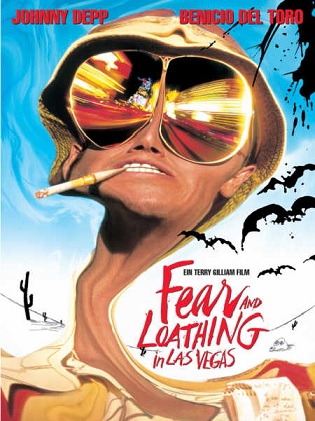
Fear and Loathing in Las Vegas

Director: Terry Gilliam
Written by: Hunter S. Thompson (book), Terry Gilliam (screenplay), Tony Grisoni (screenplay), Tod Davies (screenplay), Alex Cox (screenplay)
Cast: Johnny Depp, Benicio Del Toro, lot’s of cameo’s including; Tobey Maguire, Gary Busey, Ellen Barkin, Christina Ricci, Cameron Diaz, Flea and Harry Dean Stanton

Year / Country: 1998, USA
Running Time: 118 mins.

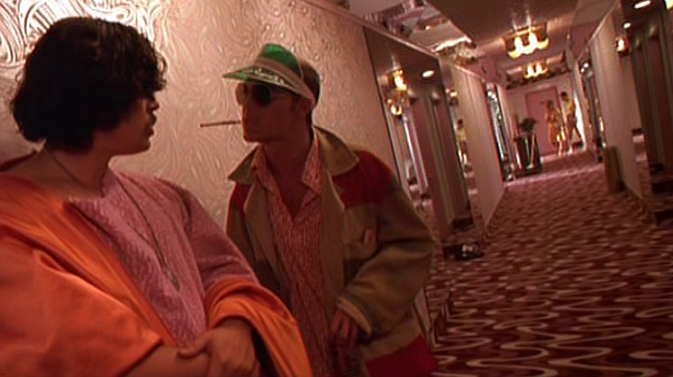
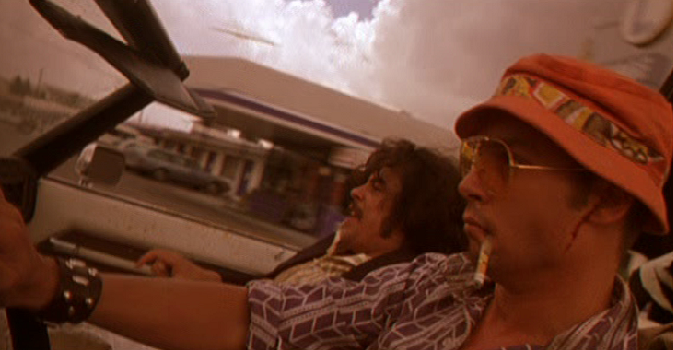
It is the foul year of our lord 1971 and Gonzo journalist Hunter S. Thompson (Raoul Duke in the story) and his Samoan attorney Dr. Gonzo decide to undertake the ultimate trip of the seventies. The official assignment is to cover the Mint 400 desert race in Las Vegas, but they have something bigger in mind. They want to find the American dream. Armed to the teeth with highly dangerous narcotics, they head out to Las Vegas in their fire red convertible… Some trip it’s gonna be…

While searching for the American dream, Thompson and Dr. Gonzo only find fear and loathing. Intolerable vibrations in a town not at all suitable for the use of psychedelic drugs. The atmosphere is extremely menacing, but as they behave as animals, nobody even notices them. Vegas turns out to be a savage town. And while soldiers are dying in Vietnam, used car dealers from Dallas throw their money in the slot machines, Debbie Reynolds sings in the Desert Inn and the national police force meets at a congress about marijuana. Thompson and Dr. Gonzo are there.

Thompson’s novel ‘Fear and Loathing in Las Vegas’, which was first published in two parts in Rolling Stone Magazine, became a cultural phenomenon (and my personal favorite book of all time). The movie adaptation by Terry Gilliam is a literal one. Thompson wrote his famous novel Gonzo style, which means the events are told through the eyes and vision of the author who fully participates in the story himself. Since Thompson was heavily under the influence during the writing process, he claims he can’t fully remember which parts truly happened and which ones did not (fully). Therefore this literal adaptation is a highly enjoyable blast, though not always realistic.

There is one downside to director Gilliam’s literal approach. In the novel, all the psychedelic escapades form an integral part of what is obviously a literary masterpiece. In the translation to film however, these escapades sometimes appear to be useless fuckarounds, especially during the final part of the film. However, that is a minor criticism for this is obviously a highly enjoyable movie. Depp and Del Toro are both terrific in their method acting approaches to their roles. Thompson’s poetic writing, beautifully narrated by Depp in voice-over, runs through the movie that captures the era and hallucinogenic nightmare perfectly. Combined with a beautiful seventies soundtrack and Grade A settings, the great time capsule that is Fear and Loathing in Las Vegas is complete. Also, it is one of the funniest movies of all time. So buy the ticket and take the ride.

Rating:

Biography: Terry Gilliam (1940, Minneapolis) started his career as the only American member of the British comedy group Monty Python. As animator, he was responsible for the bizarre cartoons used in the sketches. In 1975 he directed his first movie for Monty Python, namely Monty Python and the Holy Grail. After his period with Monty Python, he moved on as independent director and had remarkable success with his bizarre masterpiece Brazil in 1985. After that success, things went downhill for Gilliam; The Adventures of Baron Munchausen became an expensive flop and the disastrous production of the never completed Don Quichotte became legendary. Despite these problems, Gilliam returned and directed a number of valuable contributions to cinema, including sci-fi masterpiece Twelve Monkeys and cult classic Fear and Loathing in Las Vegas.

Filmography: Storytime (1968, short) / The Miracle of Flight (1974, short) / Monty Python and the Holy Grail (1975) / Jabberwocky (1977) / Time Bandits (1981) / The Crimson Permanent Assurance (1983, short) / The Adventures of Baron Munchausen (1988) / The Fisher King (1991) / Twelve Monkeys (1995) / Fear and Loathing in Las Vegas (1998) / The Brothers Grimm (2005) / Tideland (2005) / The Imaginarium of Doctor Parnassus (2009) / The Legend of Hallowdega (2010, short) / The Wholly Family (2011, short) / The Zero Theorem (2013) / The Man Who Killed Don Quixote (2018)

The Rum Diary


Director:
Bruce Robinson
Written by: Bruce Robinson (screenplay), Hunter S. Thompson (novel)
Cast: Johnny Depp, Amber Heard, Michael Rispoli, Aaron Eckhart

Year / Country: 2011, USA
Running Time: 115 mins.

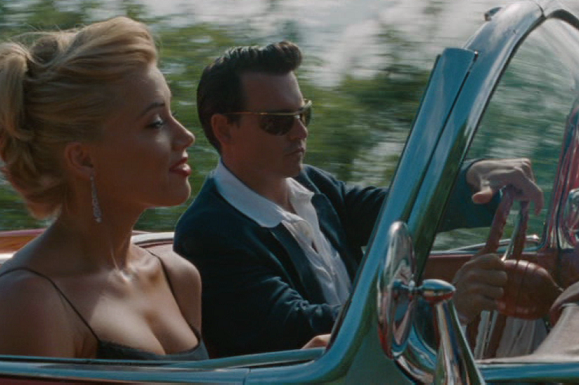
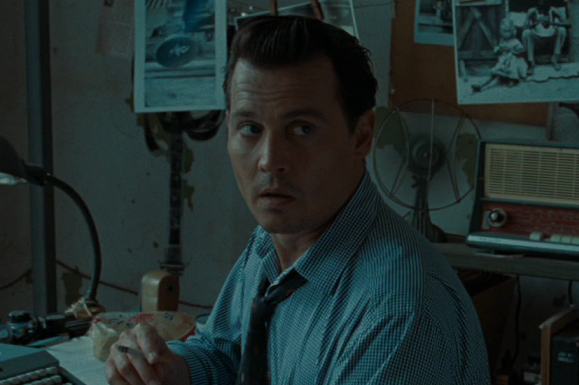
The title ‘The Rum Diary’ can mean two things. Hunter S Thompson’s novel that is told in this movie or The San Juan Star, the near bankrupt Puerto Rican newspaper where main character Paul Kemp (Thompson’s alter ego) takes a job as journalist. Why? Because the entire writing staff is completely drunk. The same seems to apply for the whole population of Puerto Rico in the 1960’s, the setting of The Rum Diary.

This is a story about alcohol and lots of it. But, whenever Kemp takes time off of drinking, he engages in a compelling journalistic endeavor, shining light on the culture and problems of the relatively unknown country he resides in. This is also a love story. Kemp falls head over heels for the stunning Chenault, the girlfriend of corrupt businessman Sanderson, who wants Kemp to write stories in favor of his unethical real estate plans.

Kemp’s dilemma, going along with the flow or exposing the ‘bastards’ as he puts it, is the backbone of this movie. The pace is as relaxed as the setting and director Robinson succeeds well in translating the mood of Thompson’s novel to the white screen. The cast is on a roll as well. Depp, who once said he would like to play Thompson every few years, is solid as always. He gets excellent comic support from press associates Michael Rispoli, Richard Jenkins and Giovanni Ribisi. Amber Heard and Aaron Eckhart play Chenault and Sanderson, whose characters add the necessary intrigue and substance to the story.

Obviously this is no Fear and Loathing in Las Vegas and the drug fuelled craziness portrayed in that movie is largely absent. This is Thompson Light; a smaller movie without too much excessive behavior. Director Robinson did add one pretty funny drug scene that can be considered as a wink to big brother Fear and Loathing. In The Rum Diary, the author Thompson is still searching for his unique voice and it is pleasant to join him on this quest. It is best to keep some rum within reach though as you might get thirsty underway.

Rating:

Biography: Bruce Robinson (1946, Broadstairs, Kent) started his career as an actor, but did not find it fulfilling nor lucrative. He started writing screenplays and in 1984, his Cambodia script The Killing Fields was turned into a memorable war movie by Roland Joffé. With his second script, he chose to direct himself. Withnail & I, which is largely autobiographical, became a cult classic. Robinson’s subsequent films, the advertising satire How To Get Ahead in Advertising and the serial-killer thriller Jennifer 8, while less memorable than his debut, still showed Robinson’s talents. In 2011 he brought The Rum Diary, a novel by legendary writer and Gonzo journalist Hunter S. Thompson, to the screen which received mixed reviews.

Filmography: Withnail & I (1987) / How to Get Ahead in Advertising (1989) / Jennifer Eight (1992) / The Rum Diary (2011)

Laatste observaties van een sprankelende geest


Death has this much said for it:

You don’t have to get out of bed for it.
Wherever you happen to be
They bring it to you – free.
– Kingsley Amis
_____________________________

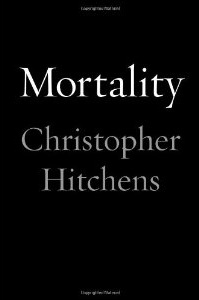
Via de Amazon Best Seller 100 stuitte ik onlangs op het non-fictie boek ‘Mortality’ van Christopher Hitchens. Ik kende de auteur niet, maar zijn editor bij Vanity Fair, waarvoor hij een bekend columnist was, vergeleek de invloed die hij op mensen had wel met Hunter S. Thompson (auteur van o.a. ‘Fear and Loathing in Las Vegas’). Dat klinkt als een schrijver die ik wel zou moeten kunnen waarderen!

Het goede nieuws is dat ‘Mortality’ inderdaad een erg goed boek is. Het slechte nieuws is dat het Hitchens zijn laatste boek is. Op de boektour van zijn memoires ‘Hitch22’ stortte hij ineens in elkaar: een kwaadaardige tumor. Hij beschrijft zijn tocht van ‘het land van de blakend gezonden naar de donkere landgrens van de natie van de doodzieken.’ Het is wel een gastvrij land, beschrijft Hitchens, maar de keuken is de beroerdste van iedere plek waar hij ooit eerder voet heeft gezet.

Als je dodelijk ziek bent, zullen sommige mensen – bekenden en onbekenden – ook nare dingen tegen je zeggen. Dit had ik me al eens voorgesteld, zo zitten mensen nu eenmaal in elkaar. In het geval van Hitchens komt daar nog de geloofsgemeenschap bij die zacht gezegd niet al te groot fan is van de overtuigde atheïst Hitchens (auteur van o.a. ‘God is Not Great’). Op een Christelijke community website verscheen de volgende tekst:

Who else feels Christopher Hitchens getting terminal throat cancer was God’s revenge for him using his voice to blaspheme him? Atheists like to ignore FACTS. They like to act like everything is a ‘coincidence.’ Really? It’s just a ‘coincidence’ that out of any part of his body, Christopher Hitchens got cancer in the one part of his body he used for blasphemy? Yeah, keep believing that, Atheists. He’s going to writhe in agony and pain and wither away to nothing and then die a horrible agonizing death, and THEN comes the real fun, when he’s sent to HELLFIRE forever to be tortured and set afire.

Hoe kan een primitieve levensvorm als de mens nou veronderstellen de geest van God te kennen?, reageert Hitchens. Ook stelt hij dat zijn kinderen ook gestraft worden door dezelfde God. Bovendien heeft God weinig fantasie als dit waar is, omdat het precies de kanker is die past bij Hitchens’ vroegere levensstijl. En als God kanker aan de zondaars geeft die het verdienen, moet je ook verklaren waarom zoveel kinderen leukemie krijgen. Bovendien is zijn keel zeker niet zijn enige orgaan waarmee hij gelasterd heeft, besluit de auteur.

Het is onmogelijk om pijn te beschrijven vanuit je geheugen, stelt Hitchens. Toch slaagt hij er aardig in zijn eigen lijdensweg van de moderne kankerbehandelingen goed weer te geven. Erg vrolijk wordt je hier niet van natuurlijk, maar de vele filosofen die hij aanhaalt over deze thematiek en zijn eigen rake observaties, maken ‘Morality’ wellicht de beste voorbereiding die je kunt treffen op je eigen onvermijdelijke lijdensweg en dood. Niet dat ik geloof dat je je hier te veel mee moet bezighouden in het leven, maar van het belang van een goede voorbereiding ben ik wel overtuigd. Bovendien is ‘Mortality’ met 100 pagina’s goed door te komen. Het is erg schrijnend wanneer de editor op een gegeven moment meldt dat Hitchens is overleden en de rest van het boek uit zijn aantekeningen bestaat (en een mooi nawoord van zijn vrouw). Sommige werken in het leven kunnen we helaas niet voltooien, hoe graag we het ook willen.

Mortality
Christopher Hitchens
128 pages
$14.36
Amazon