Lees ook:
– Lessen in scenarioschrijven #1 – De basis
– Lessen in scenarioschrijven #2 – Inspiratie
– Lessen in scenarioschrijven #3 – Gebruik van symboliek
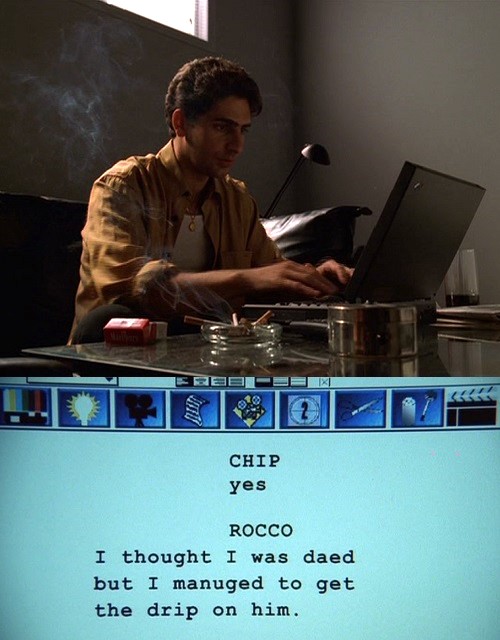
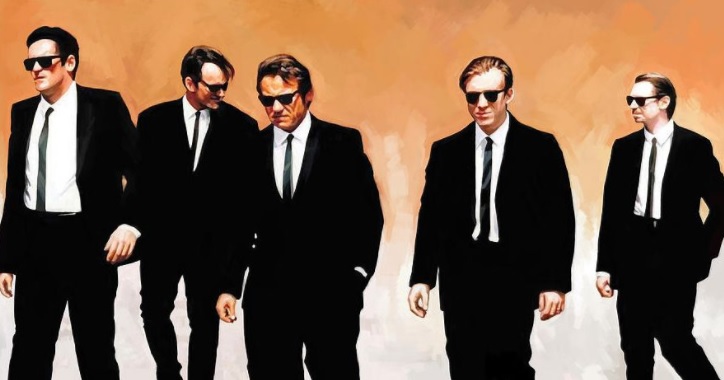
We sluiten de serie over scenarioschrijven af met het mentale proces van schrijven. Zoals ik al schreef in de eerste les; een goed script schrijven is moeilijk, heel moeilijk. Tenzij je een natuurtalent bent, zoals Quentin Tarantino die naar verluidt het script van ‘Reservoir Dogs’ in drie weken afrondde, kost het jou waarschijnlijk jaren van je leven. Waarmee ik niet wil zeggen dat QT geen harde werker is. Hij steekt waarschijnlijk meer tijd in zijn obsessie film dan wie dan ook.
Als je klaar bent om deze missie aan te gaan, met alle pijn en frustratie die het je waarschijnlijk gaat kosten, neem dan deze zeven laatste tips ter harte…
1. Stop je ziel erin
“Creation by its very definition is a reflection of some aspect of the creator’s soul.”
—Kurt Vonnegut (denk ik)
Je kunt nog zo goed de structuur op orde hebben, de karakters hebben uitgewerkt en boeiende plotwendingen bedacht hebben, zonder intensiteit zul je niet in staat zijn een deel van jezelf in het script te leggen. Emotie is belangrijker dan wat dan ook. Denk aan de beste speech die je ooit gehoord heb of het beste muzikale optreden. Wat maakte die zo goed? Dat de uitvoerder je diep wist te raken; het kwam uit zijn/haar hart. Zoek die intensiteit op om de spark te vinden die je script écht doet werken. Zie het schrijven van een scenario als een performance. Dat is het namelijk.
George Lucas: “I think that anyone who goes to the movies loves to have an emotional experience. It’s basic – whether you’re seven, seventeen or seventy. The more intense the experience, the more successful the film.”

2. Train je hersenen
“Do not think that what is hard for you to master is humanly impossible; and if it is humanly possible, consider it to be within your reach.”
—Marcus Aurelius
Hoe meer tijd je in een schrijfproject steekt, hoe meer zenuwbanen in je brein je aanmaakt en traint die gespecialiseerd zijn in het schrijven van jouw script. In het boek ‘Mastery’ rekent auteur Robert Greene af met het idee van ‘genieën’. Volgens zijn uitgewerkte theorie over meesterschap – gebaseerd op neuro- en cognitieve wetenschap en talloze biografieën van uitblinkers – zijn bijzonder bekwame mensen, zoals Mozart, Da Vinci en Darwin, zo goed geworden omdat ze hun roeping hadden gevonden en in de gelegenheid kwamen om heel veel te oefenen. In het bereiken van meesterschap volgden zij allemaal hetzelfde pad, betoogt Greene.
Wat mensen onderscheidt van dieren is het vermogen om tijd in ons voordeel om te buigen. Om vaardigheden te bekwamen, zodat het uiteindelijke resultaat veel beter is dan wanneer we direct actie zouden ondernemen. Meesterschap begin altijd bij passie. Stel vervolgens leren centraal. Kies altijd de plek waar je het meeste kunt leren en ga nooit voor het geld. Greene adviseert verder om multidisciplinair te leren, zoals bijvoorbeeld Leonardo Da Vinci deed. Hij verdiepte zich niet alleen in schilderkunst en beeldhouwen, maar ook in architectuur, scheikunde en natuurkunde. De kennis die hij opdeed in het ene gebied versterkte hem weer in de andere gebieden. Vervolgens: Oefenen, oefenen, oefenen. 10.000 uur is het magische getal. Wanneer je zolang oefent bereik je meesterschap in een vaardigheid.

Onze hersenen vermijden het liefste onprettige prikkels, maar doorzetten leidt tot beheersing van de skill. Leg niet de gangbare leerweg af, maar creëer de eigen leerroute. De beloning die je krijgt als je door de onprettige fase heen komt is vaardigheid. Om meesterschap te bereiken, beargumenteert Greene, moet je een beetje een masochist worden.
3. Ken de wereld die je creëert door en door
“It’s not that I’m smarter. I just spend more time on a problem than anyone else.”
—Albert Einstein
Als scenarioschrijver ben je een architect. Je bent een kathedraal aan het bouwen: de karakters, de hoofdstukken, de thema’s, het zijn allemaal onderdelen van de fundering en die moet ijzersterk zijn. Tijdens de constructies kom je duizenden kleine problemen tegen; welk materiaal ga ik hier gebruiken? Hoe zorg ik dat deze pilaar niet instort? Moet hier wel of geen raam komen? Je passie voor het verhaal moet wel reusachtig zijn om hier niet gek van te worden.
Je kunt alleen slagen als je aan elk stukje aandacht besteedt. Kennis van de wereld die je aan het ‘bouwen’ bent is cruciaal. Of je verhaal nou fictie of non-fictie is maakt niet uit, het moet écht worden; alsof het allemaal echt heeft plaatsgevonden. De beste schrijvers zijn geobsedeerd de wereld die ze aan het construeren zijn en kennen alle details. J.R.R. Tolkien kon je waarschijnlijk vertellen in welk jaar Gandalf voor het eerst haar op zijn ballen kreeg. Je vertelt een geschiedenis; behandel het ook zo.
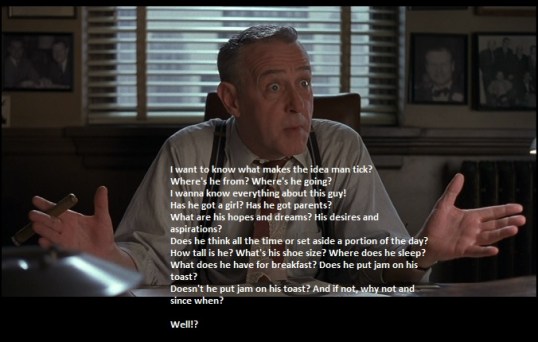
4. Denk na over het verkoopproces
Het doel van een script schrijven is uiteindelijk om het te verkopen of zelf te ontwikkelen tot film als regisseur. In beide gevallen heb je een producent nodig. In het eerste geval verkoop je alleen je script, en in het tweede geval verkoop je ook jezelf erbij. Dit is iets om heel goed te overwegen: ben jij de juiste persoon om de klus als regisseur te klaren? Waaruit blijkt dat? Een producent wil dat weten. De eerste gouden regel voor succesvolle investeerders is: wat heeft deze persoon in het verleden gedaan waaruit ik kan opmaken dat hij nu weer een fantastische job gaat doen? Ook Tarantino had al van alles gedaan voor hij financiering kreeg voor ‘Reservoir Dogs’.

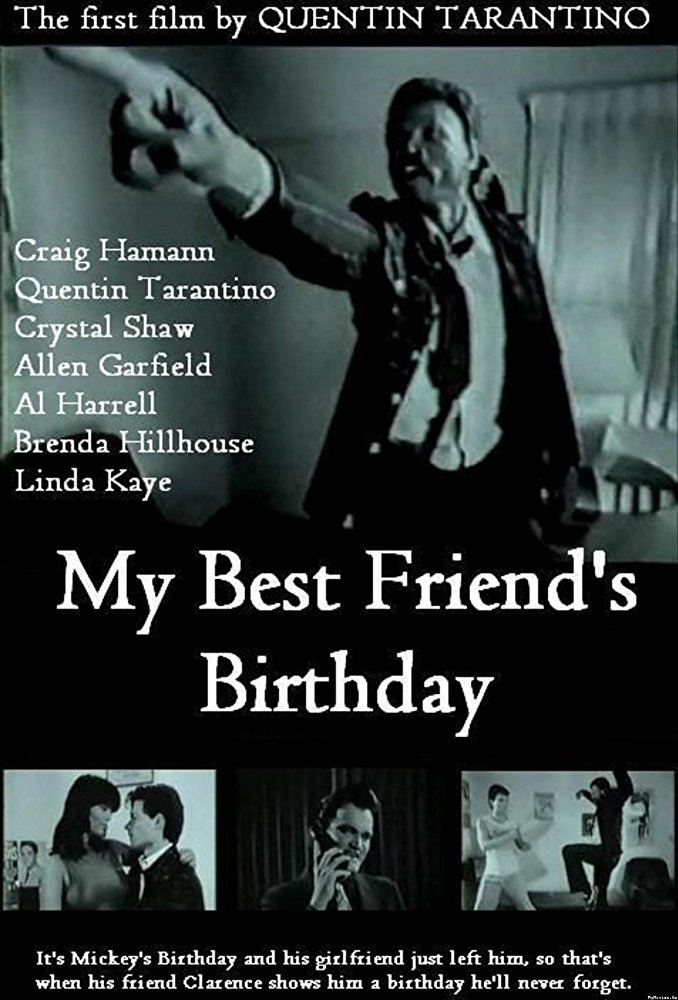
‘My Best Friend’s Birthday’: Stiekem de eerste film die Tarantino maakte.
Ikzelf heb besloten mijn script (als het ooit af komt) te willen verkopen aan Hollywood. Ik vind mezelf niet geschikt als regisseur, al zou ik wel betrokken willen zijn als bijvoorbeeld adviseur of uitvoerend producent en een piepklein rolletje willen spelen. Maar dit is geen absolute voorwaarde; ik zou het ook verkopen zonder mezelf erbij. Met de opbrengst zou ik me terugtrekken in een klein huisje in het bos en meer scripts gaan schrijven….
5. Denk na over de rol van toeval
Dat terugtrekken is direct een probleem als ik wil slagen in mijn missie. Schrijver-filosoof Nassim Nicholas Taleb (van o.a. ‘Misleid door toeval’) heeft een diep begrip over de rol die toeval speelt in onze levens. En die rol is veel groter dan veel mensen denken. De meeste acteurs en scenarioschrijvers in Hollywood werken als ober of serveerster. We hebben de neiging het succes van geslaagde mensen te verklaren door de keuzes die ze gemaakt hebben, maar we negeren alle mislukte ondernemers die precies dezelfde keuzes maakten en even hard werkten. Oftewel, we negeren de rol die geluk heeft gespeeld. Is er niks wat je kunt doen om je kansen op geluk te vergroten? Zeker wel, ontmoet mensen. Ga op de plaatsen wonen waar het gebeurt (ik zou naar L.A. moeten verkassen). Waar woont Tarantino? In Los Angeles. Waar had hij anders per toeval de producent van zijn echte regiedebuut ontmoet kunnen hebben?
Lees hier meer over kansen op Zwarte Zwanen.
6. Verplaats je in de lezers van je script
Stel je voor wat een producent zou denken en ervaren als hij jouw script zou lezen. Zou hij verder komen dan de eerste pagina of al snel denken; amateur night? Ik weet nog dat ik van mijn vader het gepubliceerde script van ‘Pulp Fiction’ kreeg voor de film uitkwam en het in één avond uitlas. Bij veel amateurscripts die ik heb gelezen, was mijn aandacht al na drie zinnen ergens anders. Als je indruk wilt maken met je script neem dan ‘Reservoir Dogs’ als benchmark. Het scenario van de misdaad klassieker belandde via via bij Harvey Keitel die zichzelf als acteur en producent aan het project verbond, zodat Tarantino en kompaan Lawrence Bender 1,5 miljoen dollar konden ophalen voor de productie. Zou Harvey Keitel dat ook hebben gedaan na het lezen van jouw scenario?

Beeld je in dat anderen je script lezen: producenten, acteurs, regisseurs. Probeer je dit echt zintuiglijk voor te stellen. Wat denken ze, voelen ze, ervaren ze? Doet het ze überhaupt iets met ze? Wat je wilt dat ze ervaren:
– Producent: Dit wordt de grootste hit van mijn carrière!
– Acteur: Wat een geweldige personages zitten hierin; ik zou ze allemaal wel willen spelen.
– Regisseur: Ik zie deze scène helemaal voor me…
In onderstaand citaat kruipen we in het hoofd van Ewan McGregor:
“There’s many different factors in films. The script, I always believe, is the foundation of everything. And if you don’t connect to that foundation, if you don’t believe in that and feel that you wanna spend three, four months of your life exploring it, then all of the other elements are secondary. But if you’ve got a great foundation in the script, and you like the story… Sometimes it’s the story, sometimes it’s the atmosphere in the script, the world that you’re gonna create. There’s many different things that hook you in, and then, on top of that, you have who’s directing, who are the other actors, who’s lighting-those creative elements that come in. Everyone’s tied to the script. I think the script is the key. Regardless of how great everybody else is working on a film, if you’re working on a script that you don’t think is great, you’re not gonna be able to make a great film. Whereas if the script is great, then you can.”
7. Committeer je aan het pad, niet de uitkomst
“I was a kid working at a local newspaper. I loved the novel ‘the Lord of the Rings’ and hoped that somebody would make a film out of it someday.”
—Peter Jackson
De laatste tip: Als je echt gepassioneerd bent hiervoor, jaag het doel dan na, maar laat de uitkomst los. Het leven pakt toch anders uit dan je verwacht. Committeer je aan het pad. Fantaseren over de toekomst kan af en toe geen kwaad, maar de dagelijkse realiteit is anders. Je hebt niet elke dag zin om te schrijven, maar het proces vereist dat je elke dag iets van vooruitgang boekt. Als je gecommitteerd bent aan het pad, dan vind je het niet erg om honderden of zelfs duizenden uren ergens in te steken zonder de zekerheid dat je ervoor beloond gaat worden.
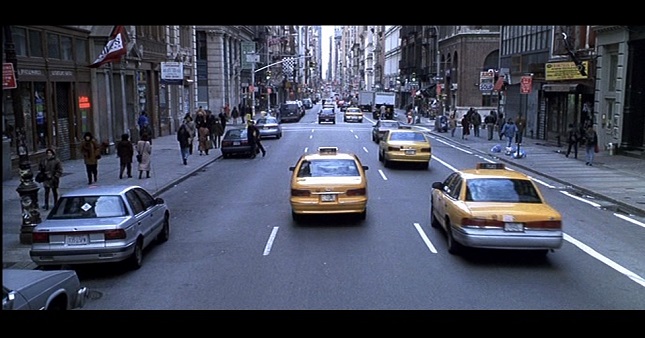
Denk aan Mike (Matt Damon) in ‘Rounders’. Hij studeert rechten, maar in zijn hart wil hij professioneel pokerspeler worden. Op het einde van de film heeft hij definitief zijn keuze gemaakt om zijn passie te gaan najagen. Hij stapt in de taxi en rijdt weg richting vliegveld, op naar het wereldkampioenschap poker in Las Vegas. Staat zijn naam op de prijzenpot van 1 miljoen dollar? Hij weet het niet, maar hij gaat erachter komen. Hij is gecommitteerd aan het pad, niet de uitkomst.
Bedankt voor het lezen van mijn artikelenreeks over scenarioschrijven. Hopelijk heb je de nodige inspiratie opgedaan. Ik wens je veel succes en geluk bij het najagen van je dromen.









 FRAGMENTEN UIT HET SCHEMERLAND