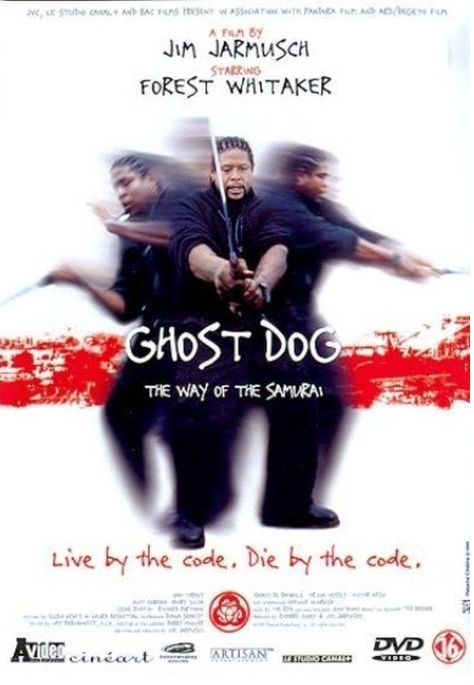
Director: Jim Jarmusch
Writers: Jim Jarmusch
Stars: Forest Whitaker, Henry Silva, John Tormey
This review is part of the feature:
The 33 Gangster Films You Can’t Refuse
Hip-hop, the Mafia, and samurai philosophy collide in Jim Jarmusch’s singular hitman tale, Ghost Dog: The Way of the Samurai.
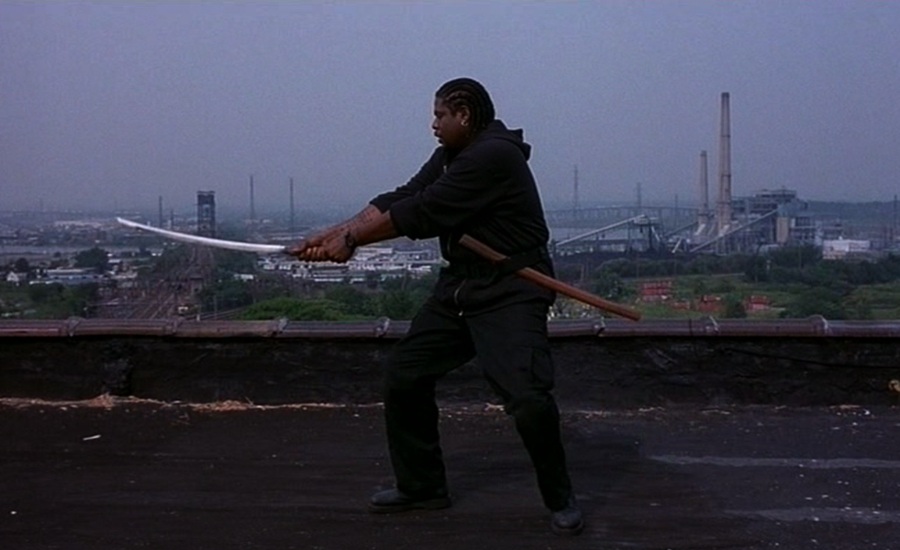
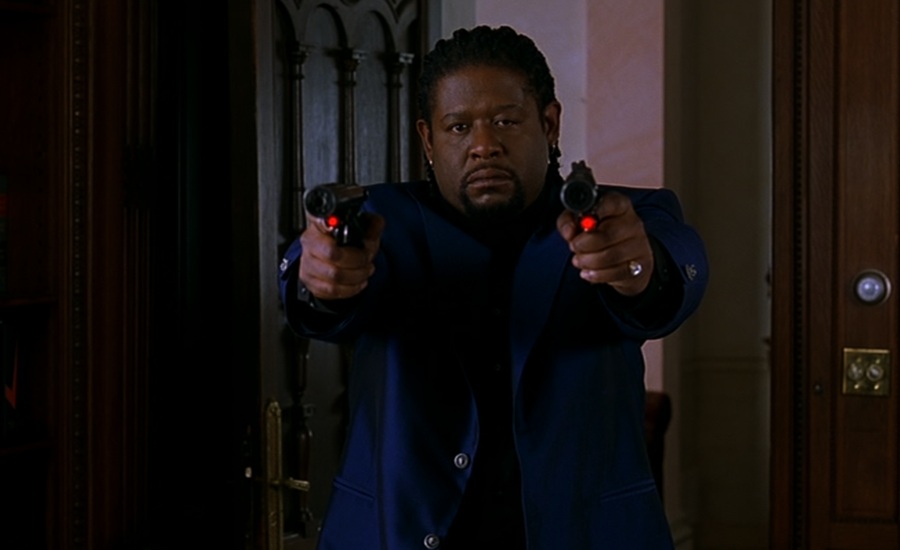
The protagonist is Ghost Dog (Forest Whitaker), a solitary man who lives on a rooftop with his carrier pigeons and devotes himself to the ancient code of the samurai. Throughout the film, he reads passages from ‘Hagakure: The Book of the Samurai’ in voice-over, giving the story a meditative and poetic quality.
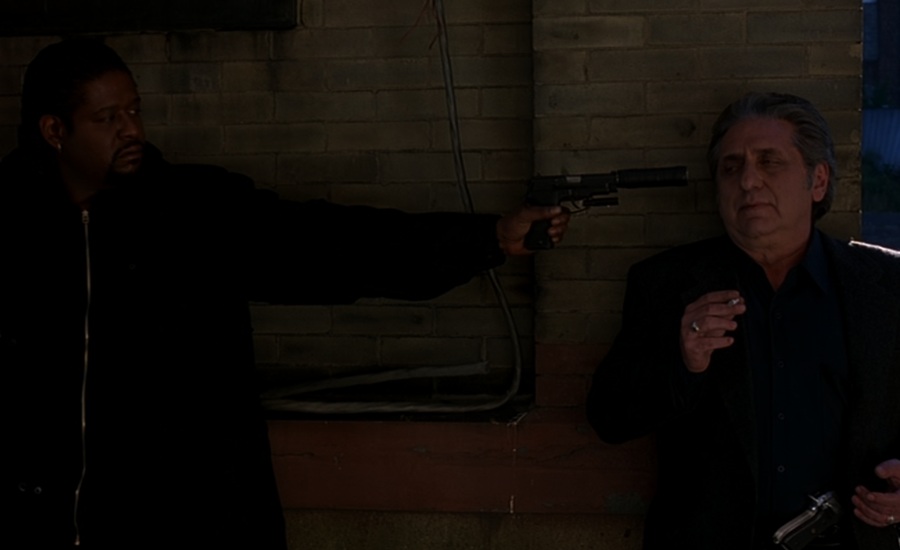
Ghost Dog owes a life debt to mobster Louis, who saved him years earlier. To repay that debt, he works as Louis’s contract killer, carrying out hits with flawless professionalism. But when an assignment goes wrong through no fault of his own, the Mafia decides to put out a contract on his life, setting the stage for an inevitable clash between two fading codes of honor.
Ghost Dog: The Way of the Samurai is undoubtedly the weirdest film on this list, but it earns its place because it is simply terrific. I would even call it Jarmusch’s finest work. The film is packed with clever metaphors, unconventional choices, and philosophical ideas, yet it never loses its emotional core. Moments such as Ghost Dog returning home to find his pigeons slaughtered are genuinely moving.
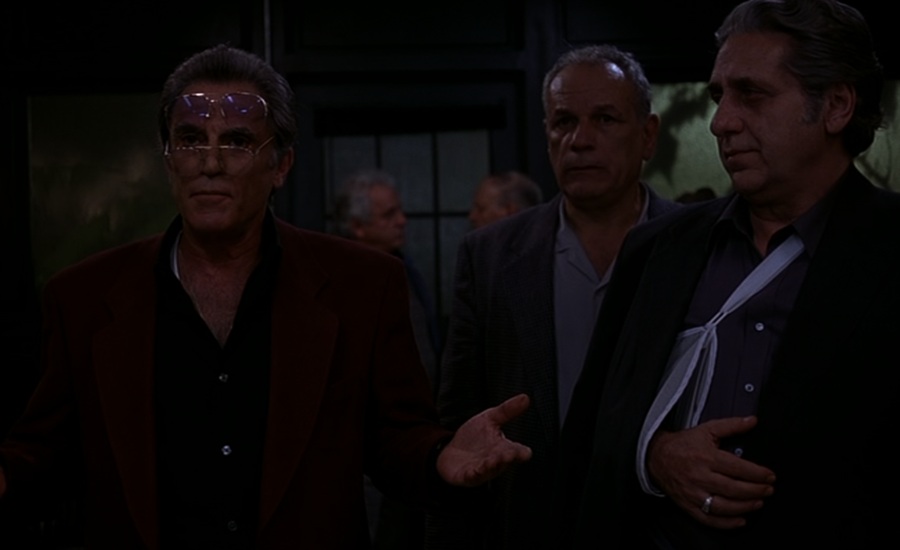
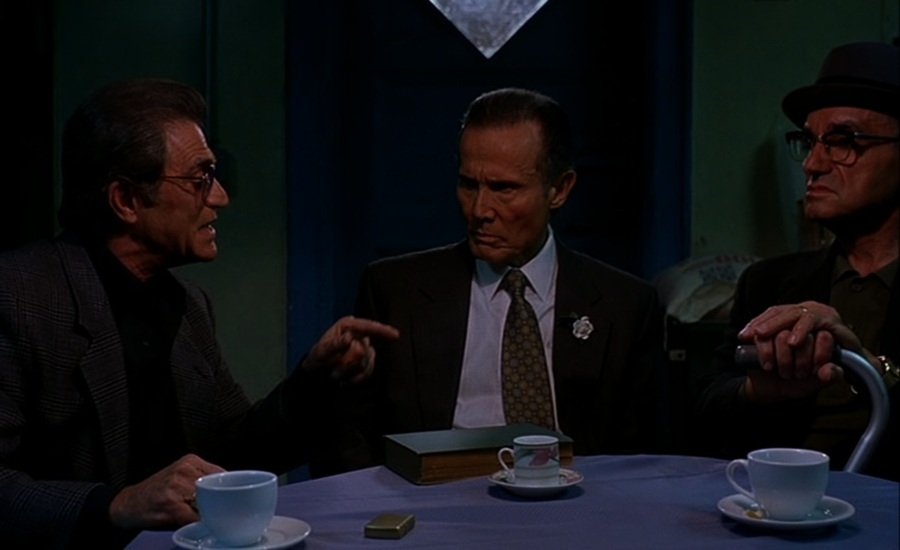
The film’s greatest strengths are Whitaker’s understated performance and Jarmusch’s portrayal of the Mafia. These gangsters resemble characters from a Scorsese film: unattractive, terribly dressed, and endlessly entertaining in the way they talk. Lines such as, “Louis, unless you wanna be buried next to Frank, now is the time to tell us everything you know about this mysterious ghost-like untraceable fucking button man”, perfectly capture the film’s deadpan humor. I love it.
Jarmusch also has a remarkable ability to communicate through silence. In one memorable scene, mob boss Vargo (Henry Silva) sits in a car beside his daughter. Neither speaks. Yet their silence conveys more than pages of dialogue ever could.
Another curious detail is that the mobsters are almost always watching cartoons. Why? Perhaps because they themselves are cartoonish figures, with names like Joe Rags, Sammie the Snake, and Big Angie. Jarmusch never spells it out, but the connection feels intentional.
The film presents a modern world populated by remnants of old tribes and traditions that are slowly disappearing. Like the slain bear whom Ghost Dog avenges, these cultures seem destined for extinction. The story culminates in a high-noon showdown between Louis and Ghost Dog, bringing yet another fading code – the mythology of the American Western – into the mix.
Finally, Ghost Dog features one of the most memorable hits in any Mafia film. Ghost Dog kills one gangster by firing through a drainage pipe, delivering the ultimate Moe Greene Special.
Part gangster film, part samurai story, part philosophical meditation, Ghost Dog: The Way of the Samurai shouldn’t work on paper. Yet through Jarmusch’s unique vision and Whitaker’s quietly powerful performance, it becomes one of the most original crime films of the 1990s.



Pingback: 27. In Bruges (2008) – FRAGMENTEN UIT HET SCHEMERLAND
Pingback: Filmdungeon – HOME – FRAGMENTEN UIT HET SCHEMERLAND