De hersenen en creativiteit

Quizvraag

Op welke van deze drie plaatjes staat een pagaai?

Patronen spotten

De kans is groot dat je niet doorhad dat er ‘pagaai’ staat in plaats van ‘papagaai’. Dat komt omdat de hersenen in patronen denken. Nog een voorbeeld, los de volgende opgave op. Je mag alles invullen wat je maar wilt:

12 + 9 =

De kans is groot dat je voor een getal hebt gekozen, zoals 14 of 39, maar waarom niet wasmachine of pizza? Je mocht immers alles invullen. Nogmaals, de hersenen denken in patronen.

Tot slot, dit kun je pirma lzeen wnat het gaat eorm dta de eretse ne lataste lteter amar kpolpen. Oko huiriet bjklit dta ej hreesnen ni paontren deeknn.

De hersenen werken razendsnel, en dat is soms maar goed ook. Wanneer je op safari een leeuw ziet moet je meteen gaan rennen. Als het dan toch een kat blijkt te zijn, is niet erg. Maar we oordelen ook snel in situaties waar dat eigenlijk niet zo handig is. Bijvoorbeeld bij innovatie. Als we daar te snel oordelen is dat zonde.

Innoveren kost moeite. Je wilt zo weinig mogelijk energie besteden. Dat komt omdat we innoveren met ons bewuste brein, en ons bewuste brein heeft maar 60 bits per seconde te besteden. Daarom voel je nu niet je rug terwijl je dit artikel leest. Als je op je rug gaat letten kun je je weer minder concentreren op het lezen. Het onderbewuste verwerkt 11.200.000 bits per seconde. Dat halen robots nog bij lange na niet…

Wanneer je dus bij iemand anders inspeelt op 60 bits, moet je rekening houden met de beperkte capaciteit. Bijvoorbeeld als je informatie deelt, keep it simple. Als je jouw website inricht, licht er dan slechts één product uit en niet 20 tegelijk.

Wanneer je iemand wilt beïnvloeden, moet je juist inspelen op het onbewuste brein. Tim Krul deed dat bij de penaltyreeks tegen Costa Rica. Hij ging steeds wandelen aan de linkerkant van het doel, zodat in het brein van zijn tegenstander het idee werd geprogrammeerd dat de rechterhoek vrij was.

Als je creatief wilt performen heb je die 60 bits per seconde hard nodig, dus dan moet je alle afleidingen verwijderen (internet, telefoons) en helemaal voor het creatieve proces gaan. Je brein heeft een kwartier nodig om in de creatieve flow te komen, dus neem de tijd. Wat je nog meer nodig hebt voor creativiteit is dopamine. De hoeveelheid dopamine neemt na je 30ste echter af. Daarom bereikte veel wereldberoemde artiesten tussen hun 20ste en 30ste hun hoogtepunt, denk aan The Beatles, The Rolling Stones, The Doors en Guns N’ Roses.

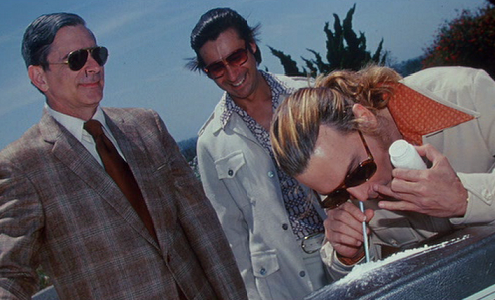
Als je ouder bent, zul je cocaïne moeten gebruiken en enorm veel moeten zuipen om datzelfde niveau aan creativiteit te kunnen halen.

5 Reasons ‘Scarface’ Rarely Makes it to Critics’ Favorite Lists

Me, I want what's coming to me.

‘Me, I want what’s coming to me.’

Although Brian De Palma’s 1983 gangster movie ‘Scarface’ is legendary within the popular culture domain, it is hardly considered a masterpiece, such as ‘The Godfather’, ‘The Godfather Part II’ and ‘GoodFellas’. Should it?

Yes, I definitely think so. There is no other movie that shows the rise and fall of a gangster more effectively than Scarface. Okay, the high is pretty brief – and consists mostly of a musical number (‘Push it to the limit’), during which Tony Montana (Al Pacino) is buying tigers and snorting lot’s of cocaine. But I guess that is what a gangster’s high would ultimately feel like; empty, shallow and unsatisfying. Even the kick of having the desirable Elvira (Michelle Pfeiffer) doesn’t last more than five minutes screentime.

The late film critic Roger Ebert – who awarded ‘Scarface’ a maximum of four stars – said it very poignantly. ‘The movie has been borrowed from so often that it’s difficult to understand how original it seemed in 1983, when Latino heroes were rare, when cocaine was not a cliché, when sequences at the pitch of the final gun battle were not commonplace. Just as a generation raised on ‘The Sopranos’ may never understand how original ‘The Godfather’ was, so ‘Scarface’ has been absorbed into its imitators.’

‘Scarface’ is listed in IMDb’s Top 250 (position 117), but that list is put together by users’ votes. On critic lists, such as the AFI 100 Best American Films, the All Time 100 (by Time) or Rotten Tomatoes’ 100 highest ranked films, it doesn’t appear. So what is it about ‘Scarface’ that obstructs it from being seen as a masterpiece, like the before mentioned gangster classics? Here are the five most probable reasons:

1.  The chainsaw scene
Scarface 1 - The chainsaw scene
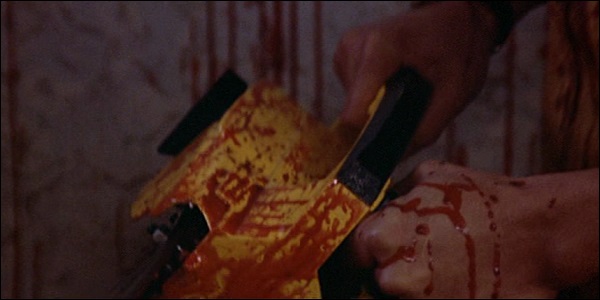
Gangster films are violent, that is accepted. But Coppola and Scorsese have a way of turning even the most off-putting bit of violence into something really stylish and cinematic. The way De Palma handles the chainsaw scene, 24 minutes within the movie, is just plain ugly. ‘Now the leg huh’, remarks the sadistic Hector as he puts the saw in Tony Montana’s friend. This scene alone puts ‘Scarface’ in the extreme cinema league. And films that are extreme in this sense are rarely considered as Academy Award contenders.

2. The general ugliness
Scarface 2 - Ugly Car
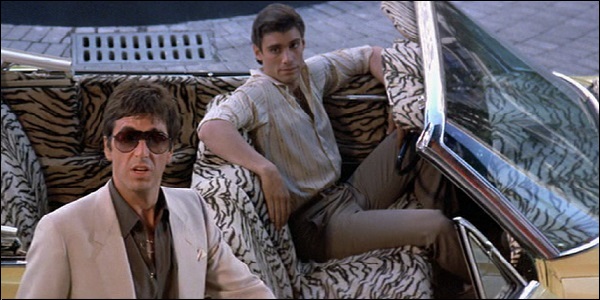
Most of it is done deliberately, but the look and feel of ‘Scarface’ is just ugly dugly. That shirt that Montana is wearing, holy Christ! Also look at the sets. Miami in the eighties is just terrible. From the refugee camp where Montana and his partners murder the communist Rebenga, to the Miami Beach area where they start their careers as drug runners, these locations are just god awful. The language doesn’t help either: ‘Why don’t you try sticking your head up your ass, see if it fits’, Montana tells Hector. Can you hear Vito Corleone utter such a line? Or how about this one: ‘This town is like a great big pussy just waiting to get fucked.’ That doesn’t sound like ‘Casablanca’ does it? Last but not least: the music. From the cringe worthy synthesizer sounds to eighties hits like ‘She’s on Fire’. It is so wrong, it’s right.

3. The general foulness
Scarface 3 - The Clown
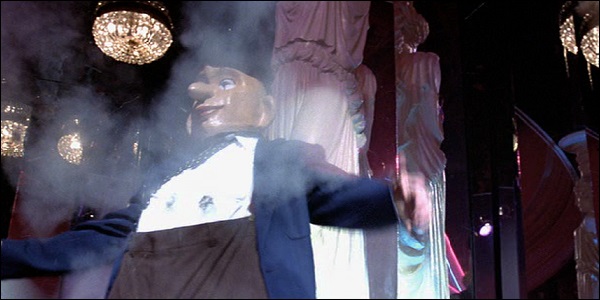
‘Scarface’ is in the end a very cynical movie in which the American Dream can only be achieved through extreme violence and corruption. Tony’s quest for power leads to ton’s of dead bodies: even a clown is whacked for god’s sake! A world in which a vile assassin like Tony Montana is the ultimate hero, is just very hard to accept. And the film gets uglier and uglier as it progresses. Tony’s drunken diner speech is the ultimate example of the repellent worldview on display. ‘Is this it? That’s what it’s all about, Manny? Eating, drinking, fucking, sucking? Snorting? Then what? You’re 50. You got a bag for a belly. You got tits, you need a bra. They got hair on them. You got a liver, they got spots on it, and you’re eating this fucking shit, looking like these rich fucking mummies in here… Look at that. A junkie. I got a fucking junkie for a wife. She don’t eat nothing. Sleeps all day with them black shades on. Wakes up with a Quaalude, and who won’t fuck me ‘cause she’s in a coma. I can’t even have a kid with her, Manny. Her womb is so polluted; I can’t even have a fucking little baby with her!’ It is kind of depressing when he puts it like that.

4. The sister storyline
Scarface 4 - Sister Shooting at Tony
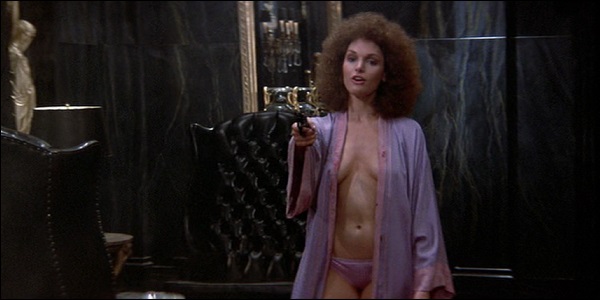
Incest is never a pleasant topic, and even though nothing actually happens sexually between Tony and his sister Gina, it still raises some controversy. It also adds further to the already unpleasant vibe that the movie creates. Tony’s sickening jealousy of every man who even looks at his sister, let alone touches her, leads to aggression and eventually the murder on his best friend Manny. One of the hardest parts to watch involves Gina walking into Tony’s study, undressed, asking him to fuck her while shooting at him.

5. The over-the-top climax
Scarface 5 - Climax
The climax of ‘Scarface’ is so over the top that it is hard to comprehend during the first viewing. Many gangster films end with a massacre, but this is Rambo on cocaine. Fitting how this ending may be, it is so much of everything, that it may affect the judgment of its more critical audience.

None of this really matters though. ‘Scarface’ is a true classic. And though it may not always be appreciated as it should, ‘every dog has its day.’ ‘Scarface’ could go right to the top.

10 Management Lessons From Highly Successful Gangsters

By Jeppe Kleijngeld

Running a large company or criminal empire, what’s the difference? The demands for its managers and leaders are very similar for sure. As a leader, your vision needs to inspire others and your actions need to have significant impact. You also need to be able to effectively solve problems and prevent painful blunders. Taking a close look at 10 highly successful gangsters from popular movies and television series can be inspirational. Eventually most of them went down, but they all had impressive careers as criminal CEO’s. What can business leaders learn from their successful approaches and significant failures?

1. Plan all your actions carefully
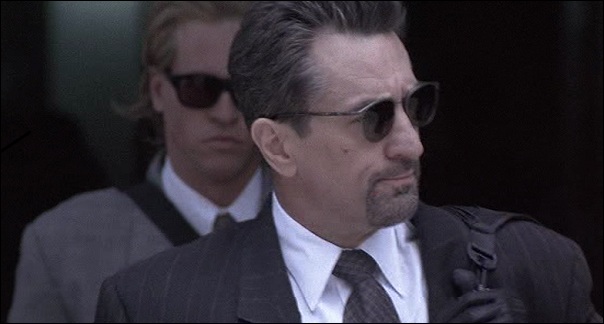
Neil McCauley
The Gangster: Neil McCauley, Heat

The Lesson: In the spectacular opening scene of Michael Mann’s Heat, criminal chief Neil McCauley and his team of robbers manage to take down a huge score. The key to their success? Planning, planning, planning. McCauley is a perfectionist; every detail needs to be scrupulously prepared, nothing can be left to coincidence. It there is even a slight chance that something is wrong; he will walk away from a job no matter how much money is at stake. Off course, there is a slight bump in the road for McCauley and his team later on, but that is only because pulling armed robberies is a highly volatile business. But even with a terrific investigation team on their tail lead by a fanatical Al Pacino, they manage to take down another – even larger – score later on in the movie.

2. Build a team you can rely on
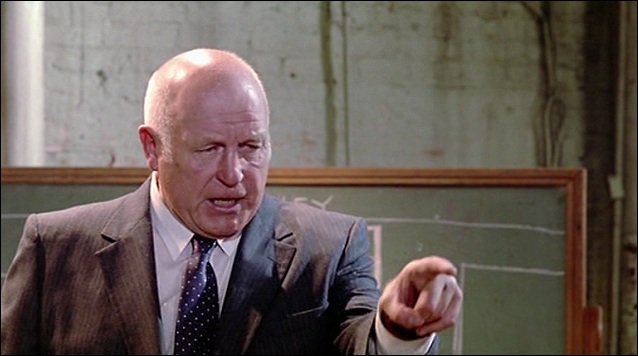
Joe Cabot
The Gangster: Joe Cabot, Reservoir Dogs

The Lesson: ‘I should have my head examined for going with someone I wasn’t a 100 percent on…’ Yeah, you should have Joe. As a manager, your most important task is to choose the right people around you and make them perform optimally. When you have a crucial project to realise – a diamond heist in Joe Cabot’s case – you don’t want to take any chances on whom you hire for the job. Joe’s negligence at this point, allowed a special LAPD-agent to infiltrate his crew, leading to a disastrous outcome for the project and all those involved.

3. Always look out for opportunities and know when to strike
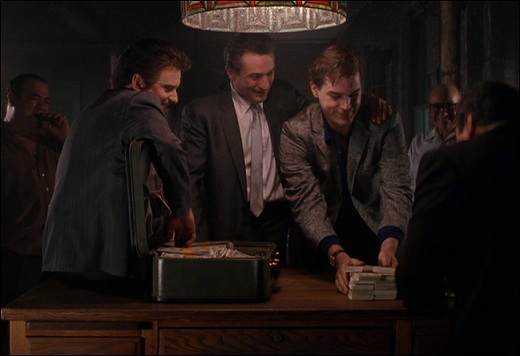
Henry Hill
The Gangster: Henry Hill, GoodFellas

The Lesson: In Wiseguy, the novel on which the classic mob movie GoodFellas is based, protagonist Henry Hill describes his bewonderment at how lazy many people are. Great entrepreneurs like him are always looking for new ways to make money. Once in a while, a golden opportunity arises and a highly successful business manager will recognize this once in a lifetime chance and grab it. In Henry Hill’s case, this was the Air France heist in 1967. He walked away with 420.000 US dollars from the Air France cargo terminal at JFK International Airport without using a gun; the largest cash robbery that had taken place at the time. This was Hill’s ticket to long term success within the Mafia.

4. Analyse, decide and execute with conviction
Michael Corleone
The Gangster: Michael Corleone, The Godfather

The Lesson: Your success as executive depends for a great deal on the way you make decisions and follow them through. When his father, family patriarch Don Vito Corleone, is shot by Virgil ‘The Turk’ Sollozzo, Michael Corleone knows the threat of his father’s killing will not be over until Sollozo is dead. That is his analysis. Then, without any hesitation, he decides to kill Sollozo despite the hard consequences that he knows will follow. The third part – the execution – he performs flawlessly, killing Sollozo and his bodyguard Police Captain McCluskey in a restaurant. Michael later in the film again proves to be an extremely decisive leader when he has the heads of the five families killed when they conspire against the Corleone family.

5. Support the local community
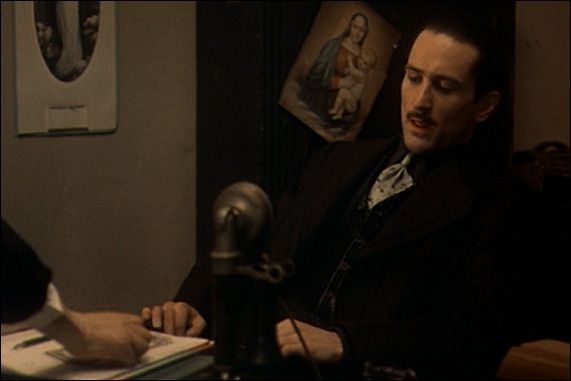
Young Vito Corleone
The Gangster: Young Vito Corleone, The Godfather Part II

The Lesson: For long term success, you need more than just great products (in the mob’s case: protection, gambling and theft). You will need commitment from all your stakeholders and especially goodwill from the communities you operate in. Young Vito Corleone sees that gangster boss Fanucci is squeezing out everybody in the neighbourhood he lives in. Nobody is happy with him. So he murders Fanucci and takes over as neighbourhood chieftain. Rather than squeezing out people, he starts helping them. Every favour he does for somebody, earns him a favour in return. Those are a lot of favours and a lot of people who think he deserves his success and wealth. They are willing to give everything for their Don.

6. Don’t be afraid to use your subconscious
Tony Soprano
The Gangster: Tony Soprano, The Sopranos

The Lesson: As a leader, you want to base your decisions on hard facts as much as possible, but sometimes your intuition is much more powerful than the greatest performance dashboard in the world. In the first season of HBO’s monumental Mafia series The Sopranos, family patriarch Tony Soprano’s own mother tries to have him whacked. He had revealing dreams about this before it happened, but refused to look at the painful true meaning of these dreams. Through therapy, he learned to use his subconscious like a true expert, so when his friend Big Pussy Bonpensiero starts ratting for the FBI in season 2, he knows something is wrong. In a fever dream, Big Pussy (as a fish), reveals the hard truth to Tony. When he wakes up, he knows exactly what to do. Big Pussy must sleep with the fishes. Tony’s new ability to listen to his subconscious makes him a much more effective leader.

7. Think and act faster
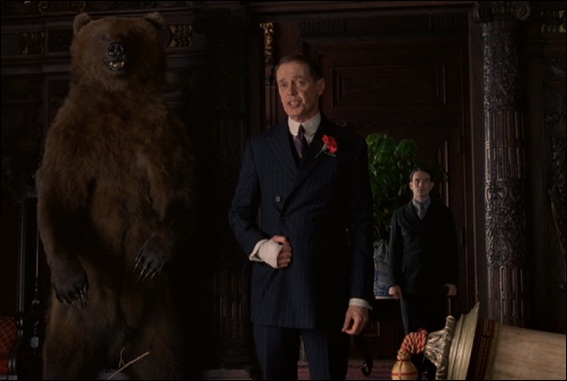
Nucky Thompson
The Gangster: Nucky Thompson, Boardwalk Empire

The Lesson: After a botched assassination attempt on bootlegger and crooked politician Nucky Thompson, his enemies are left numb and indecisive of what to do next. Nucky – on the other hand – immediately makes a counter move. He goes to see his enemies and tells them the attempt on his life changed his perspective on things. He will abandon the bootlegging business and politics, so his enemies can take over. In secret however, Nucky books a trip to Ireland the next day, where he purchases a huge amount of cheap and highly qualitative Irish whiskey. His enemies underestimated him. By thinking and acting faster than his opponents, Nucky manages to surprise them and outperform them in business.

8. Take compliance seriously
Al Capone
The Gangster: Al Capone, The Untouchables

The Lesson: He was the king of his trade; the bootlegging business in Chicago. He made millions importing booze and selling it to bars and clubs. The thing that brought him down was income tax evasion. Managers can learn a simple truth from this mistake; compliance is your license to operate. Off course in Capone’s case this was a little different because he did not have any legal income to begin with, but many CEO’s of businesses have fallen into the same compliance trap. Sure, sometimes it is cheaper to pay a fine than to spend a fortune on meeting some obsolete policy, but you should never fail to answer to the most important rules and regulations. So even when it is sometimes tempting to bend the rules, in the end: being non-compliant is always more costly than being compliant.

9. Ride the Industry Waves
Tony Montana
The Gangster: Tony Montana, Scarface

The Lesson: Every industry has its waves, and a great CEO knows how to ride these waves. Take the drug business in the 1980’s. Cocaine was coming up big time in Florida. After Montana gets rid of his weak boss Frank, he sets up a massive cocaine trade in Miami and surroundings. His supply chain is very efficient. He imports the stuff straight from the source in Bolivia. Nobody can compete with that. It isn’t before long that Montana is Florida’s one and only cocaine king.

10. Keep your friends close and your enemies closer
Don Vito Corleone
The Gangster: Don Vito Corleone, The Godfather

The Lesson: You want to know what your competitors are up to? Invite them over for dinner and a meeting. Don Vito Corleone does it all the time. When he invites the heads of the five families for a sit down, in this powerful scene in The Godfather, he learns a great deal. It is not Tattaglia he should worry about, but that treacherous Barzini. Now that he understands the conspiracy against the Corleone family, he can help his son Michael take the necessary precautions.

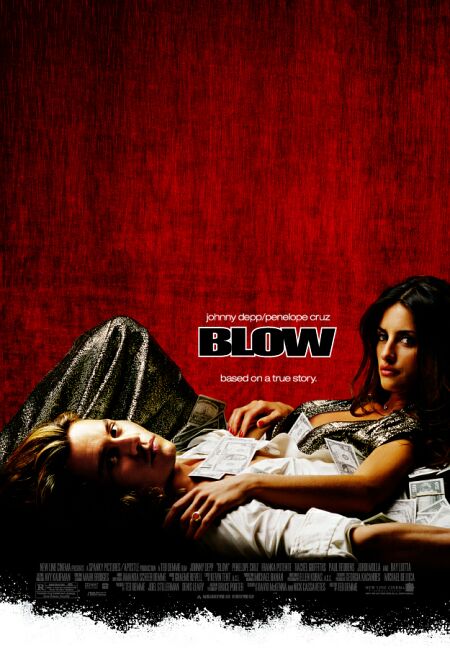
Blow

Director: Ted Demme
Written by: Bruce Porter (book), David McKenna (screenplay), Nick Cassavetes (screenplay)
Cast: Johnny Depp, Penélope Cruz, Franka Potente, Rachel Griffiths

Year / Country: 2001, USA
Running Time: 118 mins.

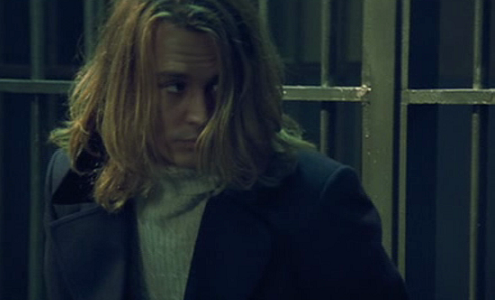
Biopic about George Jung, perhaps the biggest American cocaine smuggler of all time. The movie begins with George’s youth in Massachusetts, where he sees his dad working his ass off and ending up poor anyway. He decides he wants to become rich. George moves to California in the late sixties where he becomes a huge marijuana dealer and importer.

After the death of his girlfriend and a prison sentence he picks up a new trade; importing cocaine. After not too long, he is dealing directly with Pablo Escobar and his Medellín Cartel. 85 percent of all cocaine used in the United States in that time – the disco eighties – now comes from Jung. Then he meets a new love interest: the Colombian Mirtha (Cruz). This means trouble mildly put. In addition to that, a conflict ensues with his business partner and Jung is headed for the end. His empire was built too swiftly; the foundations were not strong enough.

Within the rise and fall crime biopic genre, Blow is a successful addition. It leans a bit heavy on GoodFellas with the voice-over, the soundtrack, the editing and casting (Ray Liotta plays Jung’s dad), but after a while you notice that Blow is not just another rip-off gangster movie. It is about a man and the choices he makes. In displaying that, the movie succeeds because ultimately it touches you where it matters; in the heart.

Rating:

Biography: Ted Demme (1963, New York – 2002, Santa Monica) was an American film director and producer. His career had modest beginnings – starting as a production assistant at MTV, he later created the cable network’s seminal hip-hop show Yo! MTV Raps. Later, he directed several movies, TV episodes and documentaries. He frequently worked with Denis Leary and was the nephew of movie director Jonathan Demme. In 2002, one year after directing the successful Blow, he died from an accidental cocaine induced thrombotic heart attack. He was only 38 years old.

Filmography: Yo! MTV Raps (1988, TV series) / No Cure for Cancer (1992, TV doc) / The Bet (1992, short) / Who’s the Man? (1993) / The Ref (1994) / Beautiful Girls (1996) / Homicide: Life on the Street (1994-96, TV episodes) / Gun (1997, TV episode) / SUBWAYStories: Tales from the Underground (1997, TV segment) / Denis Leary: Lock ‘N Load (1997, TV) / Snitch (1998) / Life (1999) / Action (1999, TV episode) / Blow (2001) /
A Decade Under the Influence (2003, doc)