The original ‘Let It Be’ documentary now on Disney Plus

‘I think the Beatles are crackin’, I said. You can’t beat ‘em, I said, they’re all out on their own. They’ve got a style of their own. And they… Well, it’s my opinion, I think they look — they’re a lovely crowd. They’ve got good, good quality, they sing well, and, well what else shall I say but they’re real good people.’
– Man on the street during the rooftop concert.

In 2022, Peter Jackson told the full story of the ‘Get Back’ sessions by the Beatles in 1969 and the eight hour film was met with positive critical appraisal. The original documentary ‘Let It Be’ by Michael Lindsay-Hogg was released at an unfortunate time in May 1970 when the Beatles had just broken up. Therefore the reception was pretty negative at the time.

It is time for a re-appraisal. For the first time in 50 years, the documentary can be seen again at Disney Plus. It is preceded by a conversation between Peter Jackson and Michael Lindsay-Hogg about this amazing project. Jackson notes that although the ‘Get Back’ sessions came to be known as the end of the Beatles, it was probably their most productive period. Not only did they write and compose all these terrific ‘Let It Be’ tracks, but also many of the songs that would end up on ‘Abbey Road’ later that year.

This was originally supposed to be a concert film with some of the studio stuff being more like a sort of introduction. But when the idea of a concert was dropped, Lindsay-Hogg didn’t quite know what to do with the footage. What he eventually did with it, is actually great. ‘Let It Be’ consists for the most part of the Beatles just jamming and trying to find the right approach for all these new songs they’re cooking up.

In the first part in the Twickenham Studio’s, there is some palpable tension within the group with Paul taking charge and correcting the others at times. There is also that famous exchange between Paul in George in which George tells him he’ll play whatever he wants him to play. The bit where George leaves the band is left out. When they move to the studio of Apple Corps and old friend Billy Preston joins the sessions, the atmosphere noticeably improves.

So while the ingredients of the eventual split are there, there is quite a bit of laughing and fooling around. That was how their creative process worked. Jackson’s ‘Get Back’ gives us more context and dialogue while ‘Let It Be’ is all about the music. And watching these guys playing passionately together is a real joy. It is great to see the songs we know so well emerging here.

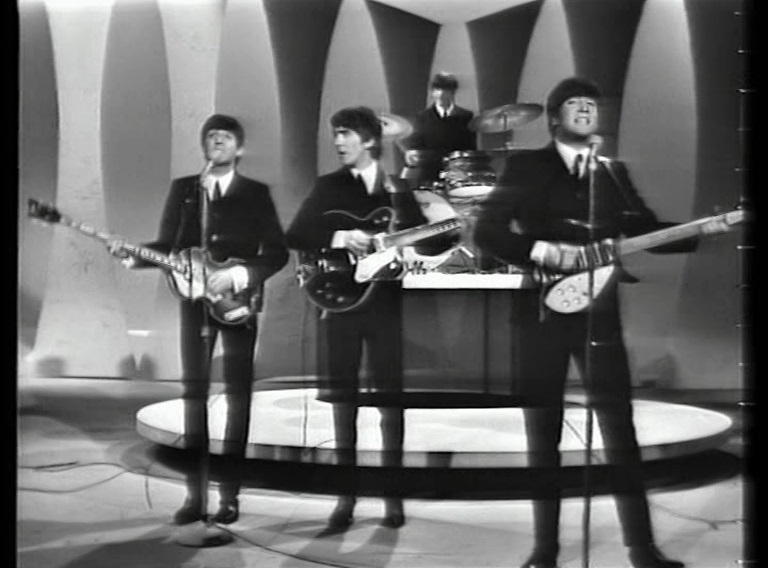
When this was filmed, the boys hadn’t performed live in years, and they were noticeably unsure about how to pick it up again. They’re adrift as a band. But then the famous rooftop concert happens and they clearly find some footing again. They start out with the fantastic song Get Back, and then you realize that their original plan actually worked. At that point, the Beatles really were back!

THE OTHER FOUR BEATLES MOVIES

A Hard Day’s Night (1964)

The first Beatles movie is a documentary of sorts, shot in razor sharp black and white images, that follows the band in slightly fictionalized form as they travel by train to a studio to do a television performance. Sixty years after its release, it is still a delight to see. There is hardly any story, but it doesn’t matter because we get to spend time with the boys who are funny, charming and extremely musically gifted. The Lennon dominated soundtrack is absolutely fantastic. The film’s extensive use of handheld cameras and sped-up footage gives it a very energetic feel. It’s as if the camera crew had trouble keeping up with the boys, which is in fact the way it was. Director Richard Lester later admitted to using amphetamine during the shoot to get him through it. The mostly improvised shoot really captures the madness of the Beatlemania days and cemented the band members status as rock and roll legends.

Help! (1965)

The higher budgeted follow-up to A Hard Day’s Night revolves around an Eastern cult group who are looking for a sacrificial ring that is worn by none other than Ringo! (he got his stage name originally because of his love for rings). After several attempts to steal it back in London fail, Ringo becomes a target to be sacrificed to their god Kaili, so the boys flee to the Austrian Alps and later The Bahama’s. The comedy act by the Beatles was inspired by Duck Soup by The Marx brothers and the BBC Radio Comedy Programme ‘The Goon Show’ that they listened to in their teen years. The boys appear to be more distanced than in the preceding feature though. According to John that is because they were constantly stoned at the time of filming. Help! didn’t receive the same favorable reviews as their first film, but it is now credited with pioneering the music video.

Magical Mystery Tour (1967)

It has the reputation of being their worst film. Magical Mystery Tour is not really a film though, but a 55 minute television special. And it’s not that different from their preceding two screen efforts: It features the Beatles doing comedy (some jokes corny and some pretty funny) and performing songs from a terrific original soundtrack. Storywise, there isn’t much there. It’s about a busload of weird characters taking a journey through the English countryside. What’s most enjoyable about it are the psychedelic clips for great songs, including Magical Mystery Tour (obviously), The Fool on the Hill (a beauty), Flying (their only instrumental track), I Am the Walrus ( a highlight), Blue Jay Way (George’s misty thing) and Your Mother Should Know (Paul’s lovely granny music). It’s a bit of an unscripted mess with lots of silliness, but the same can be said of the Richard Lester films. And it does feature John serving a woman spaghetti with a shovel, so that is worth the price of admission.

Yellow Submarine (1968)

80.000 leagues beneath the sea is a happy place called Pepperland. Then the music-hating Blue Meanies arrive and freeze everybody and hide all instruments. Only Fred escapes in a yellow submarine which he takes straight to Liverpool to retrieve the four heroes known as the Beatles. This is the start of a series of psychedelic adventures as the crew pass through the Sea of Time, the Sea of Monsters, the Sea of Holes, Nowhere Land and eventually Pepperland. The Beatles did this film to complete the three picture deal they signed with United Artists. The voices are provided by actors and the Beatles only appear in a cameo appearance at the end. Like everything they touched, it became a pioneering work of pop art. Before Yellow Submarine, animation was considered a children’s medium, and this feature led to the art form being taken more seriously. Visually, it’s a stunning piece of work, and as opposed to their preceding films, it is well written with a truckload of references to Beatles lyrics. John Lennon said he thought this was the best Beatles film. I think he was right.

10 Reasons the Nineties’ Cinema Kicked Ass

I was a little young to realize what a terrific time for cinema the nineties were. Holy crap. Around forty percent of my favorite movies come from the nineties, including my number one of all time: GoodFellas. In this article, I will give you 10 reasons why the nineties kicked complete ass as a movie decade.

1. Tarantino’s Arrival
In 1992, a young film maverick silently arrived with Reservoir Dogs. Many viewers and critics were a little off-put by the violence and immoral characters, but yet loved the non-chronological storytelling, the brilliant dialogues and the awesome performances. The talent of this new writer/director named Quentin Tarantino was undeniable.

Two years later he blew critics and audiences away with his epic Pulp Fiction. Tarantino was for the nineties what Scorsese was for the seventies; a significant promise. And he delivered. The nineties saw him direct an excellent third movie, Jackie Brown (1997), and two of his screenplays were turned into memorable films: True Romance (1993) and Natural Born Killers (1994). In 1996 he also made From Dusk Till Dawn with another promising young director from Texas. Robert Rodriguez had debuted in 1992 with the low budget miracle El Mariachi which he followed up with Desperado (1995). A duo was formed…

2. It Was a Time to Thrill
The nineties was the decade of the thriller. Especially the detective versus serial killer genre flourished with The Silence of the Lambs (1991) and Se7en (1995). Of course these two spawned countless imitations, but none as good. Another excellent movie in the psychopath category is Rob Reiner’s adaptation of Stephen King’s Misery in 1990. That movie’s villain Annie Wilkes (played by Kathy Bates) is probably even scarier than Hannibal Lecter, Buffalo Bill and John Doe combined.

The nineties also had more than its share in fantastic crime thrillers. Top examples include Brian de Palma’s Carlito’s Way (1993), Luc Besson’s Leon (1994), Michael Mann’s Heat (1995), Brian Singer’s The Usual Suspects (1995) and Curtis Hanson’s L.A. Confidential (1997). Special mention in the Thriller department goes to Paul Verhoeven’s erotic contribution Basic Instinct (1992), an absolute classic in its genre.

3. Glory Days For the Coens
They already made an impression as independent filmmakers in the 1980’s. Both their debut Blood Simple and second feature Raising Arizona tasted like more. In the 1990’s they really became film-buffs’ favorites. Miller’s Crossing (1990) is a perfect take on Dashiell Hammett and possibly their finest crafted work. Later, this decade, they had a brilliant black comedy run with the unforgettable classics Fargo (1996) and The Big Lebowski (1998). These Coen Brothers are absolutely terrific.

4. History Can Be Fun
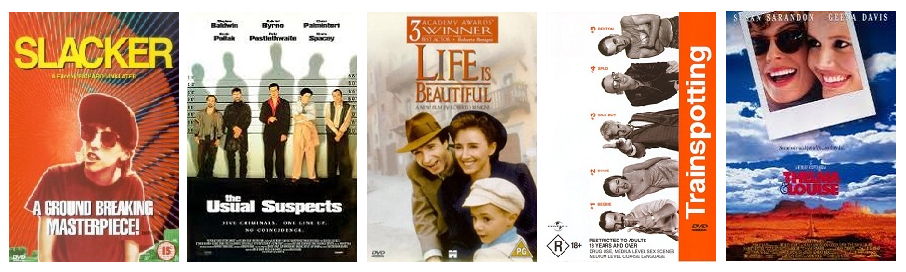
Sure, every period has produced great historical movies, but the nineties had a very impressive reaping in the War / History genre. Way above average to be sure. In 1990 a certain Kevin Costner brought the American frontier to the big screen with the Oscar-winning epic Dances With Wolves. It was a marvelous revitalization of the Western genre. World War 2 is also captured in several Oscar-winning pictures, most notably Steven Spielberg’s Schindler’s List (the ultimate WWII film), but also in Saving Private Ryan (also by Spielberg), La Vita E Bella (by Roberto Benigni) and The Thin Red Line (by Terrence Malick).

Another great war story is spectacularly told in Braveheart (1995), the bloody epic that showed that Mel Gibson is a highly competent director. A number of excellent historical biographies also saw the light of day, most notably JFK (1991, Oliver Stone) and Ed Wood (1994, Tim Burton). And last but least, Titanic (1997, James Cameron) and Forrest Gump (1994, Robert Zemeckis) came out and successfully combined fictional stories with historic events.

5. Great Stand Alone Triumphs
While many masterpieces made in the nineties are part of a larger oeuvre or movement, there were also loads and loads of standalone triumphs. Movies that seemingly came out of nowhere and surprised friend and foe. Below, I picked one of my favorites of these surprises for each year of the nineties. Choosing just one was very difficult in some cases…

1990 Edward Scissorhands (Tim Burton)
1991 Thelma & Louise (Ridley Scott)
1992 Hard Boiled (John Woo)
1993 Groundhog Day (Harold Ramis)
1994 The Shawshank Redemption (Frank Darabont)
1995 Toy Story (John Lasseter)
1996 Bound (Lana Wachowski, Lilly Wachowski)
1997 Boogie Nights (Paul Thomas Anderson)
1998 Festen (Thomas Vinterberg)
1999 Fight Club (David Fincher)

6. Harvest of Horror
O.k., so the eighties ruled in the Horror territory. That doesn’t mean the nineties sucked. What is so great about it then? Well, Wes Craven’s re-invention of the slasher genre with Scream (1996) and Scream 2 (1997) was a terrific postmodern treat leading to many new series, such as I Know What You Did Last Summer (1997), and new installments of old horror series like Bride of Chucky (1998). It goes without saying that some of these were better than others.

Abel Ferrara made a significant contribution to the genre with Body Snatchers (1993), a very effective remake of the classic Invasion of the Body Snatchers, and The Addiction (1995), a great original take on the vampire genre. Speaking of vampires, what to think of Bram Stoker’s Dracula (1992) by Francis Ford Coppola? It’s the best version since Tod Browning’s original from 1931.

The formidable Sam Raimi completed his magnificent Evil Dead trilogy with Army of Darkness, the funniest installment yet. Peter Jackson also combined humor and supreme gore in Braindead (1992) and also delivered The Frighteners (1996). Anything else? Certainly. A selection: Joe Dante’s Gremlins 2 (1990), Adrian Lyne’s Jacob’s Ladder (1990), Ron Underwood’s Tremors (1990), David Fincher’s Alien 3 (1992), Jean-Pierre Jeunet’s Alien: Resurrection (1997) and Taylor Hackford’s The Devil’s Advocate. Last but not least, Daniel Myrick and Eduardo Sánchez’s The Blair Witch Project (1999) spawned a new horror genre with its handheld camera. It’s also the first movie that successfully used the internet to create a hype.

7. The Brits are Back in Town
After a period of recession, the British film industry bloomed again in the nineties. Four Weddings and a Funeral (1994) launched the career of Hugh Grant and was a smash hit at the box office. In 1995 James Bond returned after a long period in the pretty awesome Goldeneye. What’s really great about British cinema in the nineties is the emergence of new talent though. The trio John Hodge, Danny Boyle and Andrew MacDonald made a terrific debut with Shallow Grave (1994) and followed it up with one of the best films of the decade: Trainspotting (1996). In 1998 Guy Ritchie was another positive British surprise with the very funny and exciting Lock, Stock and Two Smoking Barrels.

8. Scorsese Scores Big-time
He delivered brilliant work in the seventies (Mean Streets, Taxi Driver) and eighties (Raging Bull). In the early nineties the maestro showed that he could deliver masterpieces in every decennium. He started by breaking all cinematic conventions in GoodFellas (1990), the greatest film ever made about the real Mafia. Then he made the highly influential thriller Cape Fear (1991) and the excellent costume drama The Age of Innocence (1993) before returning to the mob genre with the superbly realized Casino (1995). He ended the decade with the underrated Bringing Out the Dead (1999).

9. Indie Cinema to the Max
Tarantino and the Coens are already honored in this overview, but there are many other great independent American directors who made their entrance in the nineties or definitely established themselves as masters. In the debut department, we saw Richard Linklater arrive with Slacker (1991), Dazed and Confused (1993) and Before Sunrise (1995). Kevin Smith also made a super impression with the low budget comedy Clerks (1994).

Other indie directors delivered some of their finest work in the nineties. For instance, Jim Jarmusch made Dead Man (1995) and Ghost Dog: Way of the Samurai (1999), David Lynch made Lost Highway (1997) and The Straight Story (1999), Steven Soderbergh made King of the Hill (1993) and Out of Sight (1998) and Todd Solondz made Happiness (1998). If we could only go back to re-experience this richness in indie cinema again. Oh boy.

10. Sci-Fi is Booming
The early nineties saw Schwarzenegger star in two of the most kick-ass Sci-Fi / Action movies of our time: Total Recall (1990) and Terminator 2: Judgment Day (1991). The director of the first one, Paul Verhoeven, would write more sci-fi history in 1997 with Starship Troopers (1997). Other excellent movies in this genre that came out in the nineties are: Robert Zemeckis’ Back to the Future III (1990), Steven Spielberg’s Jurassic Park (1993), Terry Gilliam’s Twelve Monkeys (1995), Roland Emerich’s Independence Day (1996), Luc Besson’s The Fifth Element (1997), Paul W.S. Anderson’s Event Horizon (1997), David Cronenberg’s ExistenZ (1999) and Dean Parisot’s Galaxy Quest (1999).

The final year of the millennium also saw Star Wars return to the big screen, but Star Wars: Episode I – The Phantom Menace (1999) was not an all positive experience. It was another sci-fi film released in 1999 that formed the perfect transition into the new millennium: the cyberpunk story The Matrix by the Wachowski brothers (now sisters). An exciting (and very, very good) surprise hit and the greatest ending imaginable for a movie decade that completely rocked.

Release: Now and Then, het allerlaatste Beatles-nummer

Een nieuw nummer van de legendarische band The Beatles anno 2023? En dan ook nog gezongen door de in 1980 vermoorde John Lennon?!? Hoe is dat mogelijk?

In 1995, toen de toen nog drie levende Beatles, Paul McCartney, George Harrison and Ringo Starr (Harrison overleed in 2001), werkte aan  The Beatles Anthology, een project bestaande uit een documentaireserie, drie dubbelalbums en een boek, kregen ze beschikking over oude opnames van hun voormalige bandlid John Lennon. Het leek hen namelijk een goed idee om voor het project wat nieuwe Beatles-nummers op te nemen, maar een harde voorwaarde van het drietal was dat John ook een rol zou krijgen en deze opnamen maakten dat mogelijk.

En zo zag 1995 de release van twee nieuwe Beatles-tracks: ‘Free as a Bird’ en ‘Real Love’. Er stond nog een derde nummer op de tapes: ‘Now and Then’. Maar de audiokwaliteit was te slecht om er iets van te maken.

Tot nu dan. Filmmaker Peter Jackson en zijn team ontwikkelden speciale geluidstechnieken voor de documentaire ‘Get Back’, waarmee het mogelijk werd de zang los te koppelen van de rest van de opname. Dit is door Paul, Ringo en producent Giles Martin gebruikt om het laatste Beatles-nummer ooit te creëren. Ook leadgitarist Harrison heeft bijgedragen aan het nummer door in 1995 bij de Anthology-sessies gitaar in te spelen. Alle vier de Beatles zijn dus te horen op deze track.

Vandaag – 2 november 2023 – is het nummer verschenen als dubbelzijdige single met op de andere kant ‘Love Me Do’, de eerste single die de band uitbracht in 1962. Ik heb op thebeatles.com een audiocassette besteld van het nummer, maar het is ook te beluisteren op Spotify. Dat ik een keer in mijn leven de release van nieuw Beatles-materiaal mag meemaken is fantastisch en ‘Now and Then’ is een juweeltje. Thank you, boys.

Mijn 10 favoriete muziekdocumentaires

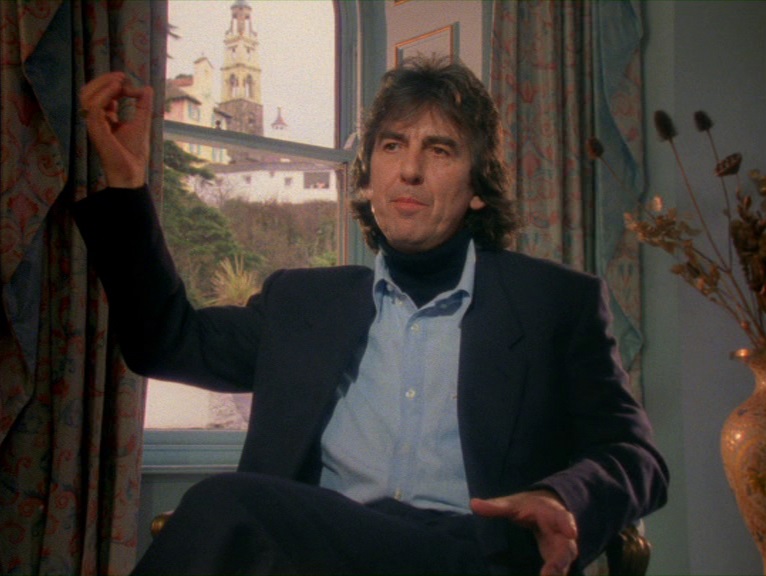
10. George Harrison – Living in the Material World (2011)
Regie: Martin Scorsese
Met: George Harrison, Paul McCartney, John Lennon, Ringo Starr

Een tijdscapsule van Martin Scorsese die je moeiteloos meevoert naar de jaren 50-70, het tijdperk van George Harrison, die als lead gitarist en later songwriter een fundamentele rol speelde in het succes van The Beatles. Harrison, die in 2001 overleed aan kanker, wordt omschreven als kalm en lief, maar ook boos, en katalysator tussen de hanige John Lennon en nice guy Paul McCartney. Het verhaal van Harrison is bovenal een verhaal over hoe het is om als achttienjarige ongekend beroemd te worden. Scorsese laat ons middels een levendige reconstructie het sterrendom van The Beatles ervaren. Van de opkomst van de band in Liverpool, langs New York, Amsterdam, India en vele andere landmerken in de geschiedenis van de popgroep. Harrison’s bijzondere talent als muzikant wordt ook nadrukkelijk belicht, evenals zijn persoonlijke spirituele ontdekkingstocht.

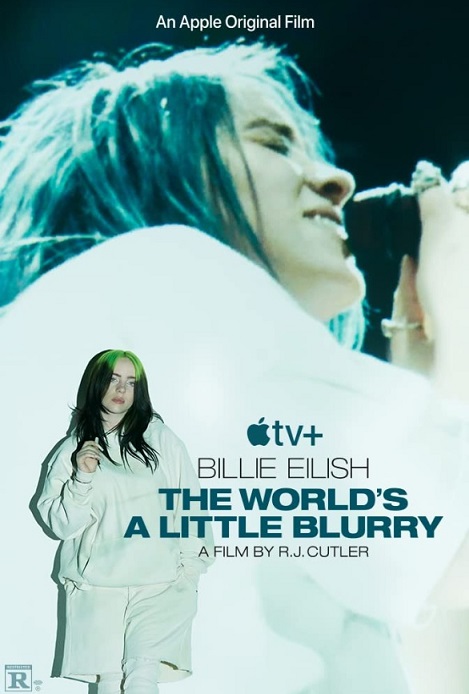
09. Billie Eilish: The World’s a Little Blurry (2021)
Regie: R.J. Cutler
Met: Billie Eilish, Ariana Grande, Orlando Bloom, Justin Bieber

In 2015 zette de vijftienjarige Billie Eilish O’Connell het prachtige liedje ‘Ocean Eyes’ online en drie jaar later was ze wereldberoemd. De documentaire The World’s a Little Blurry volgt de wereldster terwijl ze met haar broer, de producent Finneas O’Connell, haar Grammy winnende debuutalbum ‘When We All Fall Asleep, Where Do We Go?’ (2019) componeert op zijn slaapkamer in Los Angeles. We leren de dan zeventienjarige Billie Eilish kennen als een hooggevoelige tiener die schrijft over hoe ze zich voelt. De mensen vinden haar muziek donker en depressief, maar haar moeder legt uit dat het logisch is, want jongeren groeien nu eenmaal op in een donkere en depressieve tijd. Het is haar veilige familieleven dat haar duidelijk op de been houdt in haar overweldigende leven, waarin ze wereld rondtoert, muziekvideo’s regisseert, andere sterren ontmoet en het Oscar-winnende James Bond lied ‘No Time to Die’ schrijft en opneemt. Het is fascinerend om het creatieve proces van het tweetal te volgen, maar de breekbaarheid van Billie Eilish kan je als kijker moeilijk onberoerd laten.

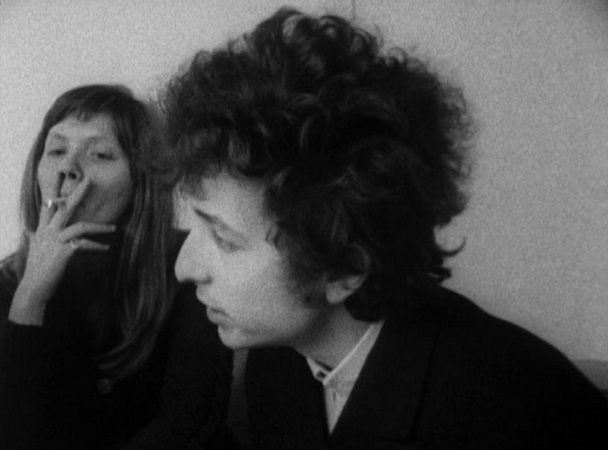
08. Bob Dylan: Don’t Look Back (1967)
Regie: D.A. Pennebaker
Met: Bob Dylan, Albert Grossman, Bob Neuwirth, Joan Baez

Het begint met een geweldige opname van Dylan die een reeks kartonnen kaarten laat zien en weggooit met daarop geselecteerde woorden en zinnen uit de tekst van zijn nummer ‘Subterranean Homesick Blues’. Wat een woordkunstenaar! Daarna volgt een serie fragmenten van zijn toer door het Verenigd Koninkrijk in 1965. Er zitten verschillende bijeenkomsten in met journalisten die hem steeds proberen te begrijpen en categoriseren; kansloos bij een origineel talent als Dylan. We zien hem ook op hotelkamers gesprekken voeren en liedjes schrijven en zingen met andere artiesten als Joan Baez, Donovan en Alan Price. En natuurlijk zitten er de nodige optredens in, waaronder zijn performance in de Albert Hall waar hij het machtige ‘It’s Alright, Ma (I’m Only Bleeding)’ zingt. Volgens Kurt Cobain en Dave Grohl is dit de enige echt goede rock & roll documentaire (Wikipedia), dus het komt ten zeerste aanbevolen.

07. Marley (2012)
Regie: Kevin MacDonald
Met: Bob Marley, Ziggy Marley, Jimmy Cliff, Rita Marley

De ultieme film over reggae legende Bob Marley. Van het vormen van zijn band The Wailers in Trench Town (Kingston, Jamaica) tot zijn strijd tegen kanker en overlijden op 36-jarige leeftijd. MacDonald’s documentaire laat zien wat voor gigantische impact Marley heeft gehad. Zijn enige ambitie was naar eigen zeggen om mensen te verbinden en te verbroederen en met zijn extreem inspirerende concerten slaagde hij daar enorm goed in. Zo speelde hij een verzoenende rol in de politieke onrust in Jamaica en Afrika. Toen hij overleed op 11 mei 1981, stierf er een legende. De jongen die door zijn vader verstoten was, was door de wereld omhelsd. Zo werden de woorden uit een van zijn liedjes werkelijkheid. ‘The stone that the builder refused will always be the head cornerstone.’

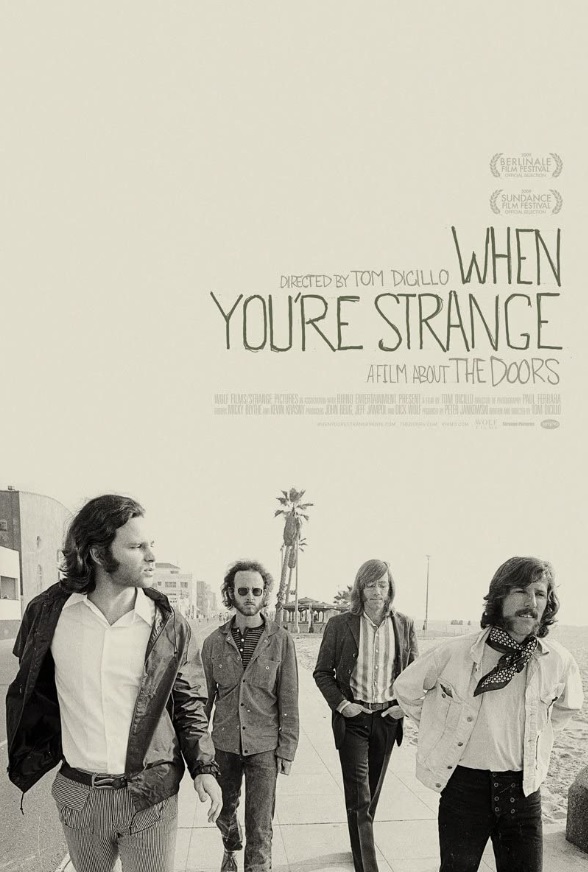
06. The Doors: When You’re Strange (2009)
Regie: Tom DiCillo
Met: Johnny Depp (narrator), Jim Morrison, Ray Manzarek, Robby Krieger, John Densmore

LSD, Vietnam, de tegencultuur… ‘Uit de kloof van de gevestigde orde komt een band tevoorschijn: The Doors.’ Zo opent verteller Johnny Depp de documentaire When You’re Strange van Tom DiCillo. Slechts 27 jaar was zanger Jim Morrison toen hij dood werd aangetroffen in een hotelkamer in Parijs. Vier jaar eerder werd zijn band naar de top van het sterrendom gelanceerd met de single ‘Light My Fire’. Wat volgde was een wilde periode met veel drank, drugs en gestoorde optredens, maar ook met unieke muziek dat gekenmerkt wordt door het gebrek aan een basgitaar, het briljante orgelwerk van Ray Manzarek en de poëtische teksten van Morrison. Maar de destructieve en onvoorspelbare persoonlijkheid van de zanger leidde tot problemen voor de band en ze vallen een aantal keren bijna uit elkaar. Na het lanceren van hun comeback blues albums ‘Morrison Hotel’ en ‘L.A. Woman’ (Mr. Mojo Rising = Jim Morrison) vertrekt Morrison naar Parijs voor zijn laatste reis. When You’re Strange is het ultieme document over de legendarische band die werd vernoemd naar een gedicht van William Blake: ‘If the doors of perception were cleansed every thing would appear to man as it is, Infinite.’

05. Cobain: Montage of Heck (2015)
Regie: Brett Morgen
Met: Kurt Cobain, Courtney Love, Kim Cobain

Net als Amy (4) is Cobain een document over een ander tragisch lotgeval in de muziekgeschiedenis. Deze waanzinnig gemonteerde collage van animaties, homevideo’s en geluidssamples weet diep te ontroeren. De hooggevoelige Kurt Cobain maakt een komeetachtige spurt door van outcast naar wereldster. Net als voor Amy was dit ook voor Kurt veel te veel om te hanteren en hij raakte verslaafd aan heroïne. Na een langdurige depressie beëindigde hij zijn leven in 1994. Nog een overeenkomst met Amy Winehouse is de thuissituatie waarin hij afgewezen werd door zijn gescheiden ouders; het begin van een wanhopige leegte die alleen de muziek kon vullen. Maar het was niet genoeg…

04. Amy (2015)
Regie: Asif Kapadia
Met: Amy Winehouse, Mitch Winehouse, Mark Ronson

Amy is een must-see documentaire over de veel te jong gestorven Britse zangeres Amy Winehouse die in 2003 doorbrak. Het was duidelijk dat Amy een uniek talent was met een volledig eigen stijl en een eigen geluid. Helaas ontwikkelde ze ook een psychische instabiliteit die haar uiteindelijk fataal is geworden. In 2005 kreeg Winehouse een stormachtige relatie met Blake Fielder, de liefde van haar leven. Gedurende die periode begon haar lange strijd met verslavingen. Ze voelde ook de druk vanuit de platenmaatschappij en producenten die grote verwachtingen van haar hadden. Deze druk heeft het zelfdestructieve in Amy verder aangewakkerd. Toen Fielder het uitmaakte schreef de verscheurde Amy het album ‘Back to Black’, haar internationale doorbraak. Met dit meesterlijke, authentieke album won ze alle mogelijke muzikale prijzen en werd ze steenrijk. Maar haar psychische problemen en verslavingen waren nog allesbehalve getemd. Ze overleed uiteindelijk aan de combinatie alcohol en ondervoeding, wat hoogstwaarschijnlijk een fatale hartstilstand teweeg heeft gebracht. Het is een diep triest verlies voor iedereen, bovenal voor de prachtige Amy zelf. Ze was slim, grappig, getalenteerd en inspirerend. Haar muzikale nalatenschap is klein, maar sensationeel. Van alle eerbetuigingen is die van Tony Bennett – met wie Amy kort voor haar overlijden een duet zong – het mooiste: ‘Of all of the singers that I’ve ever heard – Amy was the best one. She was a true great pop jazz singer. She heard everything, she was influenced just by the right music. She had the ears to know just what to leave out and put in.’

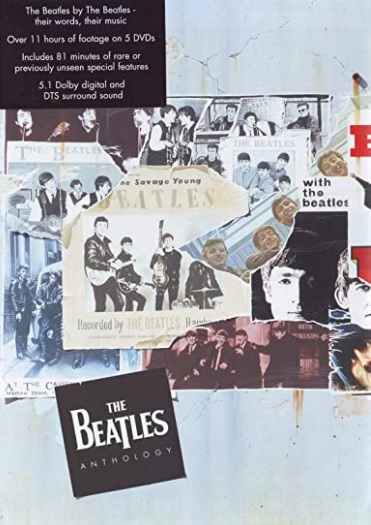
03. The Beatles Anthology (1995)
Regie: Kevin Godley, Bob Smeaton, Geoff Wonfor
Met: John Lennon, Paul McCartney, George Harrison, Ringo Starr

De meest complete documentaire over The Beatles is een must see voor elke fan. Tien uur lang volg je de boys tijdens gehele loopbaan: hun jonge jaren in Liverpool, het vormen van hun eerste band The Quarrymen, hun ontwikkeling tot briljante muzikanten in Hamburg, de raketlancering naar roem in 1963, de touring jaren, de evolutie naar studio-artiesten tot het uiteindelijk opbreken van de groep in 1970. Unieke beelden van al hun significante optredens worden afgewisseld met interviews met de bandleden en belangrijkste medewerkers uit de hoogtijdagen. Van John worden oude interviews gebruikt om hem ook een stem te geven. De beste band allertijden verdient de meest uitgebreide documentaire en dat is The Beatles Anthology. Zelfs de meest obsessieve fans ontdekken hierin nog nieuwe feitjes en het is gewoon super fijn om zoveel tijd te mogen doorbrengen met het charismatische viertal.

02. The Beatles: Get Back (2021)
Regie: Peter Jackson
Met: John Lennon, Paul McCartney, George Harrison, Ringo Starr

Met deze bijna acht uur durende miniserie gaf de legendarische regisseur Peter Jackson Beatles-fans het ultieme geschenk; de kans om tijd in de studio door te brengen met de beste band ter wereld bij het maken van het album ‘Get Back’. Jackson en zijn team hebben het beeldmateriaal dermate goed opgeknapt dat het lijkt alsof het gisteren gefilmd is. Met deze documentaire heeft Jackson de geschiedenis herschreven; de ‘Get Back’-sessies waren niet vol conflict en verval. Zeker, de Beatles waren zoekende, maar de sfeer was vrij positief, zeker nadat de groep verhuisde van Twickenham Film Studios naar Apple Studio in London waar ze uiteindelijk hun beroemde laatste optreden op het dak gaven. De serie geeft ook een unieke inzage in het creatieve proces van de band, en we leren hoe klassieke rocksongs als ‘Get Back’, ‘Dig a Pony’ en ‘One After 909’ tot stand zijn gekomen. Een intiemere film over een rockband is nooit gemaakt.

01. Searching For Sugar Man (2012)
Regie: Malik Bendjelloul
Met: Rodriguez, Stephen ‘Sugar’ Segerman, Dennis Coffey

In de jaren 70 deden muziekproducenten in de VS een ontdekking: Sixto Rodriquez (artiestennaam Rodriquez), een briljante zanger en tekstschrijver uit Detroit. Rodriquez zingt poëtisch en profetisch over het leven in de grote stad, en doet sterk denken aan Bob Dylan, zowel qua stemgeluid als qua teksten. De documentaire opent met het liedje ‘Sugar Man’, en ik dacht meteen, WOH!: dit is een van de vetste nummers ooit. Die tekst, die stem, die melodie… Waarom ken ik dit niet? En dat hebben meer mensen zich afgevraagd sinds de jaren 70. In de VS verdween de artiest in de obscuriteit, terwijl hij in Zuid Afrika een sensatie werd. Zonder dat hij het wist! De documentaire volgt twee fans uit Kaapstad die eind jaren 90’ op zoek gingen naar hun muzikale held. Meer vertel ik niet, maar dit is echt een feel good documentaire. Een ongelofelijk verhaal, dat je een fantastisch gevoel zal geven en kennis laat maken met de meest waanzinnige artiest die je nooit gekend hebt. Sommige echte verhalen zijn zo mooi dat de beste schrijvers ze niet kunnen verzinnen. Searching For Sugar Man is zo’n verhaal.