10 Management Lessons From Highly Successful Gangsters

By Jeppe Kleijngeld

Running a large company or criminal empire, what’s the difference? The demands for its managers and leaders are very similar for sure. As a leader, your vision needs to inspire others and your actions need to have significant impact. You also need to be able to effectively solve problems and prevent painful blunders. Taking a close look at 10 highly successful gangsters from popular movies and television series can be inspirational. Eventually most of them went down, but they all had impressive careers as criminal CEO’s. What can business leaders learn from their successful approaches and significant failures?

1. Plan all your actions carefully
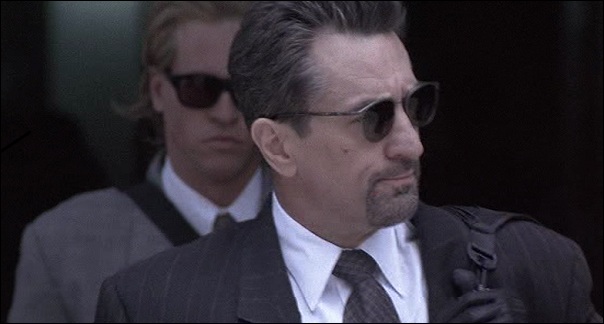
Neil McCauley
The Gangster: Neil McCauley, Heat

The Lesson: In the spectacular opening scene of Michael Mann’s Heat, criminal chief Neil McCauley and his team of robbers manage to take down a huge score. The key to their success? Planning, planning, planning. McCauley is a perfectionist; every detail needs to be scrupulously prepared, nothing can be left to coincidence. It there is even a slight chance that something is wrong; he will walk away from a job no matter how much money is at stake. Off course, there is a slight bump in the road for McCauley and his team later on, but that is only because pulling armed robberies is a highly volatile business. But even with a terrific investigation team on their tail lead by a fanatical Al Pacino, they manage to take down another – even larger – score later on in the movie.

2. Build a team you can rely on
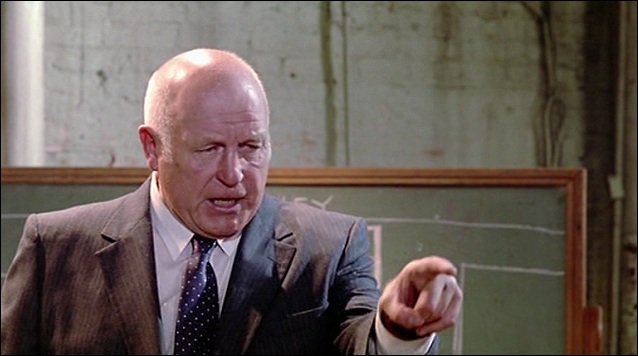
Joe Cabot
The Gangster: Joe Cabot, Reservoir Dogs

The Lesson: ‘I should have my head examined for going with someone I wasn’t a 100 percent on…’ Yeah, you should have Joe. As a manager, your most important task is to choose the right people around you and make them perform optimally. When you have a crucial project to realise – a diamond heist in Joe Cabot’s case – you don’t want to take any chances on whom you hire for the job. Joe’s negligence at this point, allowed a special LAPD-agent to infiltrate his crew, leading to a disastrous outcome for the project and all those involved.

3. Always look out for opportunities and know when to strike
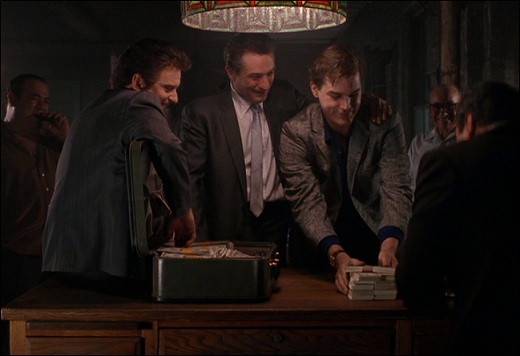
Henry Hill
The Gangster: Henry Hill, GoodFellas

The Lesson: In Wiseguy, the novel on which the classic mob movie GoodFellas is based, protagonist Henry Hill describes his bewonderment at how lazy many people are. Great entrepreneurs like him are always looking for new ways to make money. Once in a while, a golden opportunity arises and a highly successful business manager will recognize this once in a lifetime chance and grab it. In Henry Hill’s case, this was the Air France heist in 1967. He walked away with 420.000 US dollars from the Air France cargo terminal at JFK International Airport without using a gun; the largest cash robbery that had taken place at the time. This was Hill’s ticket to long term success within the Mafia.

4. Analyse, decide and execute with conviction
Michael Corleone
The Gangster: Michael Corleone, The Godfather

The Lesson: Your success as executive depends for a great deal on the way you make decisions and follow them through. When his father, family patriarch Don Vito Corleone, is shot by Virgil ‘The Turk’ Sollozzo, Michael Corleone knows the threat of his father’s killing will not be over until Sollozo is dead. That is his analysis. Then, without any hesitation, he decides to kill Sollozo despite the hard consequences that he knows will follow. The third part – the execution – he performs flawlessly, killing Sollozo and his bodyguard Police Captain McCluskey in a restaurant. Michael later in the film again proves to be an extremely decisive leader when he has the heads of the five families killed when they conspire against the Corleone family.

5. Support the local community
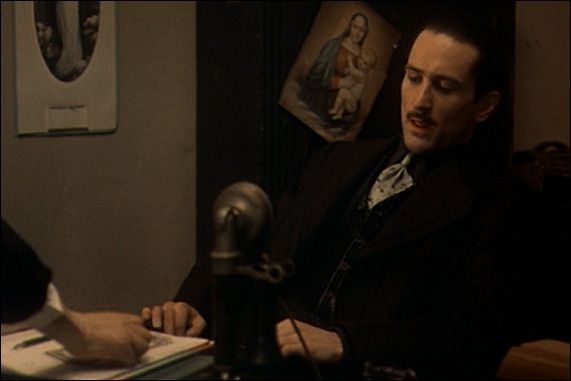
Young Vito Corleone
The Gangster: Young Vito Corleone, The Godfather Part II

The Lesson: For long term success, you need more than just great products (in the mob’s case: protection, gambling and theft). You will need commitment from all your stakeholders and especially goodwill from the communities you operate in. Young Vito Corleone sees that gangster boss Fanucci is squeezing out everybody in the neighbourhood he lives in. Nobody is happy with him. So he murders Fanucci and takes over as neighbourhood chieftain. Rather than squeezing out people, he starts helping them. Every favour he does for somebody, earns him a favour in return. Those are a lot of favours and a lot of people who think he deserves his success and wealth. They are willing to give everything for their Don.

6. Don’t be afraid to use your subconscious
Tony Soprano
The Gangster: Tony Soprano, The Sopranos

The Lesson: As a leader, you want to base your decisions on hard facts as much as possible, but sometimes your intuition is much more powerful than the greatest performance dashboard in the world. In the first season of HBO’s monumental Mafia series The Sopranos, family patriarch Tony Soprano’s own mother tries to have him whacked. He had revealing dreams about this before it happened, but refused to look at the painful true meaning of these dreams. Through therapy, he learned to use his subconscious like a true expert, so when his friend Big Pussy Bonpensiero starts ratting for the FBI in season 2, he knows something is wrong. In a fever dream, Big Pussy (as a fish), reveals the hard truth to Tony. When he wakes up, he knows exactly what to do. Big Pussy must sleep with the fishes. Tony’s new ability to listen to his subconscious makes him a much more effective leader.

7. Think and act faster
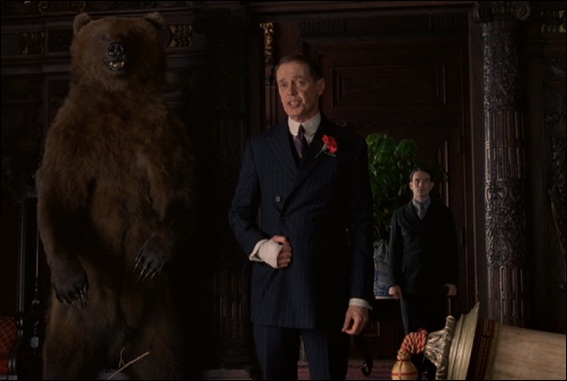
Nucky Thompson
The Gangster: Nucky Thompson, Boardwalk Empire

The Lesson: After a botched assassination attempt on bootlegger and crooked politician Nucky Thompson, his enemies are left numb and indecisive of what to do next. Nucky – on the other hand – immediately makes a counter move. He goes to see his enemies and tells them the attempt on his life changed his perspective on things. He will abandon the bootlegging business and politics, so his enemies can take over. In secret however, Nucky books a trip to Ireland the next day, where he purchases a huge amount of cheap and highly qualitative Irish whiskey. His enemies underestimated him. By thinking and acting faster than his opponents, Nucky manages to surprise them and outperform them in business.

8. Take compliance seriously
Al Capone
The Gangster: Al Capone, The Untouchables

The Lesson: He was the king of his trade; the bootlegging business in Chicago. He made millions importing booze and selling it to bars and clubs. The thing that brought him down was income tax evasion. Managers can learn a simple truth from this mistake; compliance is your license to operate. Off course in Capone’s case this was a little different because he did not have any legal income to begin with, but many CEO’s of businesses have fallen into the same compliance trap. Sure, sometimes it is cheaper to pay a fine than to spend a fortune on meeting some obsolete policy, but you should never fail to answer to the most important rules and regulations. So even when it is sometimes tempting to bend the rules, in the end: being non-compliant is always more costly than being compliant.

9. Ride the Industry Waves
Tony Montana
The Gangster: Tony Montana, Scarface

The Lesson: Every industry has its waves, and a great CEO knows how to ride these waves. Take the drug business in the 1980’s. Cocaine was coming up big time in Florida. After Montana gets rid of his weak boss Frank, he sets up a massive cocaine trade in Miami and surroundings. His supply chain is very efficient. He imports the stuff straight from the source in Bolivia. Nobody can compete with that. It isn’t before long that Montana is Florida’s one and only cocaine king.

10. Keep your friends close and your enemies closer
Don Vito Corleone
The Gangster: Don Vito Corleone, The Godfather

The Lesson: You want to know what your competitors are up to? Invite them over for dinner and a meeting. Don Vito Corleone does it all the time. When he invites the heads of the five families for a sit down, in this powerful scene in The Godfather, he learns a great deal. It is not Tattaglia he should worry about, but that treacherous Barzini. Now that he understands the conspiracy against the Corleone family, he can help his son Michael take the necessary precautions.
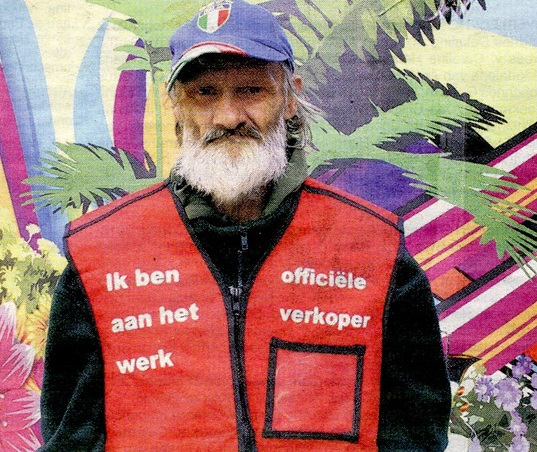
Nieuw businessmodel nodig voor daklozenkrant

Ze stond buiten de Albert Heijn in Alkmaar. Een jonge vrouw wiens leeftijd ik moeilijk kon inschatten. 30? Ik weet niet, maar ze verkocht daklozenkranten en daar was ze in ieder geval veel te jong voor. Ze begroette alle mensen die naar binnen liepen met een glimlach. Mij ook. Op haar gezicht las ik iets van hoop. Er zou toch zeker weer een betere tijd aanbreken? leek ze wel te denken. Toen ik 10 minuten later naar buiten kwam was haar uitdrukking veranderd in triestheid. Geen hoop meer. Geen vooruitzichten. Het ellendige verleden had haar ingehaald en haar vertrouwen in de maatschappij was tot een dieptepunt gezakt. Zoals altijd had ik haast, en geen kleingeld bovendien, dus liep ik naar mijn auto.

Een tijdje terug sprak ik een expert in Turnaround Management die bedrijven in nood helpt. Turnaround Management draait om het afwenden van discontinuïteit. Ondernemingen moeten met hun tijd mee veranderen, anders gaan ze kopje onder. Denk maar aan de reiswereld in de tijd dat het internet opkwam. Of de retail. Nieuwe tijden vragen om aanpassingen in je businessmodel. Zodra de klantvraag uitvalt, is dat een zeer belangrijk alarmsignaal dat je in gevaar verkeerd.

Daar moest ik aan denken toen ik wegliep bij die arme jonge vrouw met haar daklozenkrant. Ik kan me niet voorstellen dat zij niet met grote vraaguitval te kampen heeft. Het is crisis en mensen letten enorm op de kleintjes. Mensen moeten harder werken, dus hebben minder tijd om te lezen. Als ze al tijd hebben om te lezen, kiezen ze voor bladen die hun eerste voorkeur hebben. Op internet kunnen ze bovendien steeds meer gratis lezen, dus zijn ze minder bereid te betalen voor content. Bovendien hebben mensen minder vaak contant geld op zak en dat zal alleen maar minder worden. Kortom, een hoop samenhangende problemen die van de daklozenkrantverkoop een noodleidende sector maken.

Een blik in het jaarverslag van Z! (uitgever van de Amsterdamse Daklozenkrant) leert dat deze organisatie inderdaad in zwaar weer verkeerd. ‘De stichting ontvangt geen structurele subsidies en is voor de continuïteit voor een groot deel afhankelijk van de verkoop van de krant (en advertenties). Die verkoop daalt echter geleidelijk maar gestaag, waardoor het eigen vermogen van de stichting sinds 2007 meer dan gehalveerd is’, aldus het jaarverslag. Voorlopig is de krant echter gered door een cashinjectie van een miljonair, maar van een structurele oplossing is geen sprake.

Daklozenkrant

Hoe zou je vanuit de turnaround gedachte het tij kunnen keren? Een succesvolle turnaround kenmerkt zich door het creëren van nieuw perspectief. Het eerste wat ik zou aanpakken is het product. Als mensen niet meer bereid zijn te betalen voor de daklozenkrant moet je bedenken waar ze wel voor willen betalen. Voor een gewone krant bijvoorbeeld – Het Parool, de Volkskrant of het NRC. De daklozenkrant zou kunnen functioneren als extra distributiekanaal voor de grote kranten. De daklozenkrant zelf (een verkorte versie om de kosten te drukken) kan als supplement toegevoegd worden.

Voor de krant kan een meerprijs gevraagd worden voor de service. Immers, die 2 euro voor een daklozenkrant betaal je ook niet voor het product, maar om iemand een steuntje in de rug te geven. Laten we dus zeggen dat je een euro toevoegt aan de normale verkoopprijs. Voor de deelnemende kranten kan dit een optie zijn om de losse verkoop een boost te geven. Ook de kranten verkeren zoals bekend in zwaar weer.

Ten tweede moet het contante geldissue aangepakt worden, want je moet wel de kans hebben te kunnen betalen en contant geld is minder beschikbaar. Stel mensen dus in staat per mobiel te betalen. Door een SMS te zenden naar een bepaald nummer met een locatiecode erbij kun je het afrekenprobleem de rek omdraaien. Of geef de daklozenverkopers een mobiel pinapparaat mee.

Zijn met deze suggesties de problemen opgelost? Zeker niet. Maar niets doen en wachten tot er misschien nog een geldinjectie komt is wachten op het einde. Er moet eerst nieuw perspectief gecreëerd worden.

Ondernemers, gebruik fears and greeds in je marketing voor optimaal resultaat (als je het niet doet zul je falen)

Fears and Greeds
Marketing is niet veel meer dan het bereiken van de juiste mensen op de juiste plaats en tijd met de juiste boodschap. Ik wil me in deze blog vooral richten op dat laatste aspect: de juiste boodschap. Bij mijn huidige werkgever is er goed bij me ingeramd altijd fears and greeds in deze boodschap te stoppen. Dit is simpel te vertalen in: waar gaat het mis en wat valt er te halen? Inspelen op de basisemoties van je doelgroep werkt altijd.

Een voorbeeld in de eerste categorie. Mijn werkgever geeft al sinds oprichting de training Actief in Overnames. Deze training is onder andere gericht op ondernemers die hun bedrijf willen verkopen. Op een advertentie zet hij een vrouw die letterlijk met de handen in het haar zit. Er staat in koeienletters de tekst bij: ‘Ik heb mijn bedrijf voor te weinig verkocht’. FEAR.

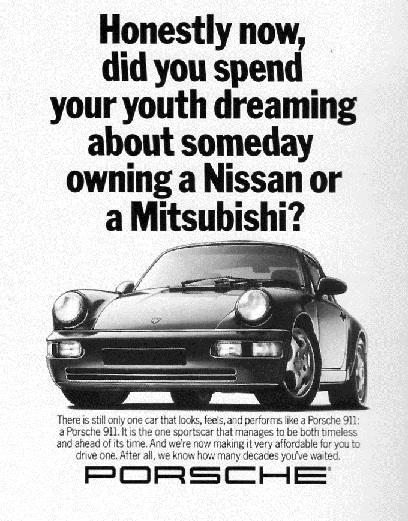
Een fear uit de consumentenmarkt is bijvoorbeeld de musical Wicked. De boodschap luidt; ‘de aller aller laatste voorstelling ooit komt er aan. Zorg dat je erbij bent.’ Mensen trappen er kennelijk in, want de voorstelling is continu uitverkocht. Een van de meest effectieve (en meest verwerpelijke) fears wordt gebruikt door de Nationale Postcode Loterij. Stel dat de SuperPostcodeprijs in jouw straat valt en jij geen loten hebt… Of nog erger, stel dat die enorme eikel van een buurman van je drie loten heeft en jou straks vanuit zijn nieuwe Porsche aanspreekt; ‘oh, jij had geen loten gekocht?’ De angst leidt tot een onmiddellijke aankoop van loten.

Greeds vind je overal. ‘Vier ontspannen vakantie in de zon’, adverteert reisorganisatie Thomas Cook. Een Mars-reep ‘geeft je energie’. Mode en parfum merken zetten constant beroemdheden op hun posters en advertenties, zodat het toegankelijk lijkt om ook zo te worden als je hun kleren draagt of luchtjes opspuit. Wederom is het de Postcode Loterij die perfect inspeelt op de greeds van mensen. Hun laatste ‘greeds’ luiden: ‘Grootste prijzenpot ooit van € 215 miljoen!’ en ‘Kanjer van € 40 miljoen valt in Nuenen!’

Mijn stelling is dat ondernemers in het MKB ook veel meer fears and greeds moeten inzetten. Ik zie namelijk nog heel vaak kleinere ondernemers die helemaal niet duidelijk maken wat hun toegevoegde waarde is. Een loodgieter zou bijvoorbeeld kunnen stellen; ‘voorkom dat je onverwacht in de kou komt te zitten in de winter. Neem contact op voor een onderhoudsbeurt van je ketel.’ Een alternatieve behandelaar kan stellen: ‘Leer duidelijk grenzen stellen aan je omgeving’. Een financieel adviseur zou kunnen adverteren met; ‘Laat je helpen met je aangifte en voorkom naheffingen’.

De fears en greeds-techniek is heel simpel en doeltreffend. Dus ondernemers, gebruik fears and greeds in je marketing voor optimaal resultaat. Als je het niet doet zul je falen.

Je bestelt iets bij Amazon.com… En dan?

Voor geïnteresseerden in bedrijfsprocessen is Amazon.com een voorbeeldige organisatie die haar zaakjes goed op orde heeft. Dat moet ook wel, want Amazon.com haalt een jaaromzet van 34 miljard dollar binnen, een omzet groter dan het Bruto Nationaal Product (BNP) van de helft van de landen wereldwijd. Afgelopen week kreeg ik tijdens het Jaarcongres Public Finance uitleg van ICT-profs Bert Kersten en Marcel Creemers (beide van Nyenrode) over hoe de grootste e-tailer ter wereld het klaarspeelt.

Dus je bestelt iets bij Amazon… En dan?

Dan wordt je order via de website doorgegeven aan het bestelsysteem. Er worden bij Amazon 19 items per seconde besteld (per week bedient Amazon 137 miljoen klanten). In het magazijn halen medewerkers de bestelde items uit de schappen en leggen ze op de lopende band.

Vervolgens komen ze terecht op een sorteerband. Parallel aan deze band bevinden zich afvoertrechters. Voor iedere klant (order) is een afvoertrechter actief, gekoppeld aan een weegschaal.

Op het moment dat jouw item bij jouw afvoertrechter aankomt, schiet een speciaal wipmechanisme het item in jouw trechter. Als alle items erin zitten – dat ‘weet’ hij doordat het gewicht van jouw order bereikt is – schiet hij de items door naar de centrale verpak- en verzendruimte. Daar wordt het naar jouw adres verzonden.

Leuk om te weten als je weer eens een bestelling plaatst bij Amazon.com.