Easy Riders, Raging Bulls

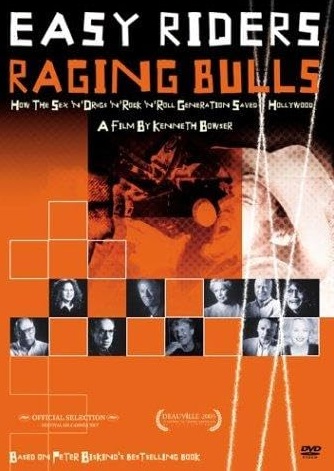
BBC documentary (2003) by Kenneth Bowser, based on the book by Peter Biskind. Easy Riders, Raging Bulls: How the Sex-Drugs-and-Rock ‘N Roll Generation Saved Hollywood tells the story of Hollywood in the 1960s, a time when the studio system was in crisis. Their films had become increasingly irrelevant.

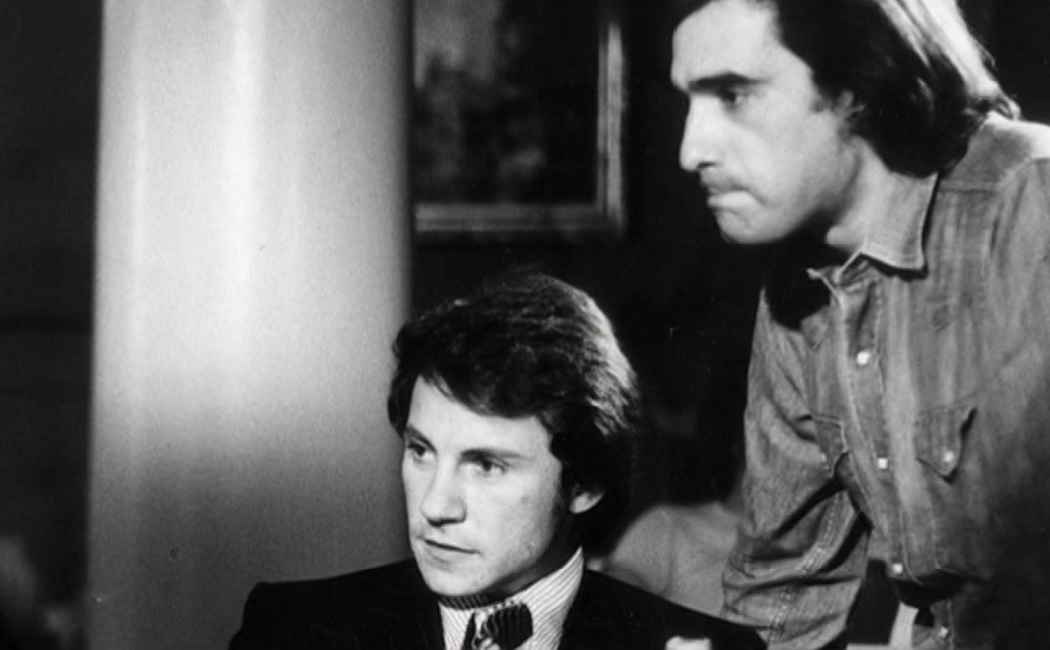
The problem was that movies were run by studios rather than directors, and the studios had lost touch with what audiences wanted to see. Then a new generation of filmmakers emerged who reconnected with viewers. Directors such as George Lucas, Steven Spielberg, Martin Scorsese, Dennis Hopper, Sam Peckinpah, Francis Ford Coppola, Arthur Penn, Warren Beatty, Robert Altman, Jack Nicholson, and Peter Bogdanovich.

“In 1963 the studio system collapsed”, says Bogdanovich. “It was over.” After the disaster of Cleopatra (1963, Joseph L. Mankiewicz, Rouben Mamoulian), the Fox lot was shut down. It became a ghost town. Television took over. The old moviegoers died off, and American films grew more and more meaningless.

Meanwhile, art theaters screening foreign films were doing very well. Many of the new generation of filmmakers learned the language of cinema from auteurs like Fellini, Godard, and Truffaut.

Outside the studio system, Roger Corman played a pivotal role in training young filmmakers to make low-budget B-movies that performed well at the box office. Jonathan Demme, Martin Scorsese, Ron Howard, and Francis Ford Coppola all started under Corman. They succeeded by targeting the youth who flocked to the thousands of drive-in theaters across the country, audiences that loved horror and action. Corman also had a knack for choosing hot topics: Hells Angels were in the news, so he made The Wild Angels (1966, Roger Corman). LSD was trendy, so he made The Trip (1967, Roger Corman) based on a screenplay by Jack Nicholson.

In Hollywood, directors proved just how out of touch the studios were. Executives hated Bonnie and Clyde, but young people loved it. Studios had to adapt. Paramount, in deep trouble, was taken over by Gulf & Western, led by the eccentric Austrian Charlie Bluhdorn. He brought in the now-legendary Bob Evans as a producer, who helped turn the studio around. How? By giving directors more creative control. Like he did with Polanski, who made Rosemary’s Baby in 1968.

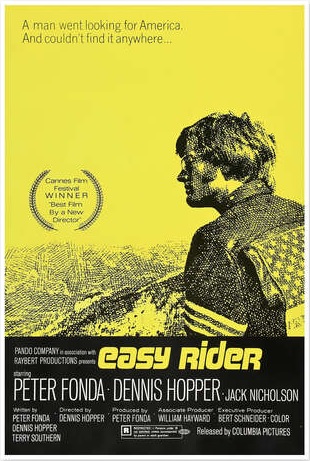
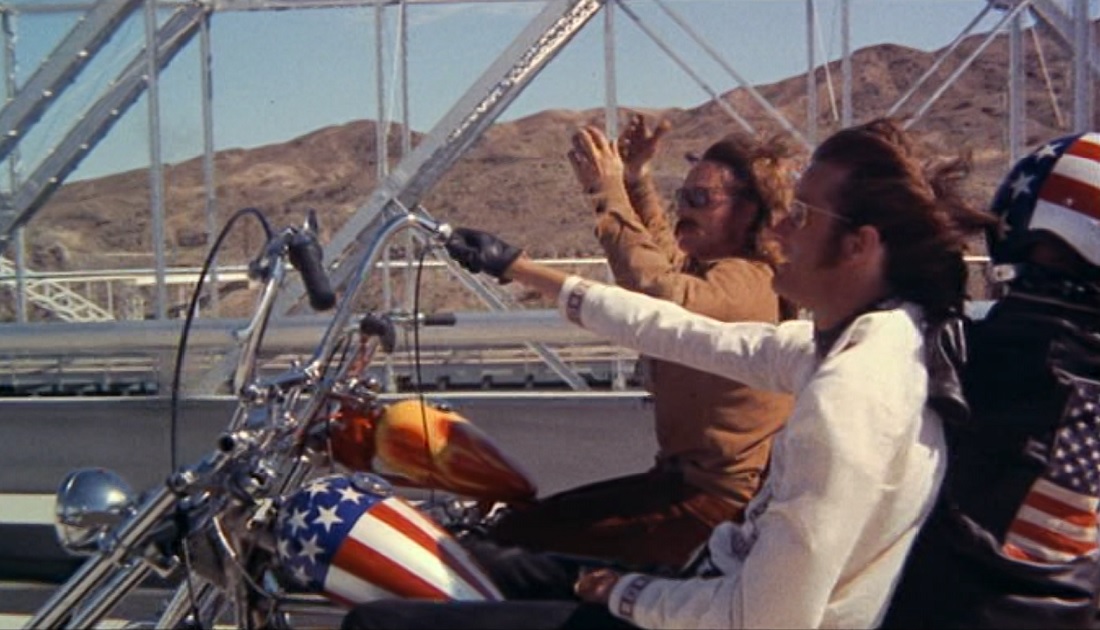
At Columbia, Bert Schneider also trusted and empowered directors, resulting in massive hits, most notably Easy Rider, released in 1969. The drug-fueled chaos of director Dennis Hopper and his team is visible on screen. It was a great film, and audiences loved it. It was the kind of movie that never would have been made under the old studio system. The same goes for Midnight Cowboy by John Schlesinger, also released in 1969 – an outstanding film. That same year saw The Wild Bunch by Sam Peckinpah, which pushed violent realism to a whole new level.

The 1970s began, and the director’s era was in full swing. Peter Bogdanovich released The Last Picture Show in 1971, a film rich in emotional depth and sexual content, more than audiences were used to at the time. Dennis Hopper tried to follow up on Easy Rider with The Last Movie, but botched the edit due to his drug use and constant partying. “I had final cut, but I cut my own throat,” he says in the documentary.

In 1972, Paramount released The Godfather in 4,000 theaters simultaneously, a massively successful strategy. The history of that production was recently chronicled in the excellent miniseries The Offer. Coppola had now become one of the greats. He used his influence to bring George Lucas back to Hollywood, where he made the wildly successful American Graffiti in 1973 – a film studios didn’t understand, but youth audiences loved. That same year marked the rise of another major talent: Martin Scorsese, whose Mean Streets won over critics and audiences alike with its originality and authenticity.

But 1973 belonged to Warner Bros., which released The Exorcist by William Friedkin. Using the same wide-release strategy as The Godfather, it became a huge box office hit. It was Friedkin’s second success after The French Connection, cementing his status as one of the untouchable directors of the time.

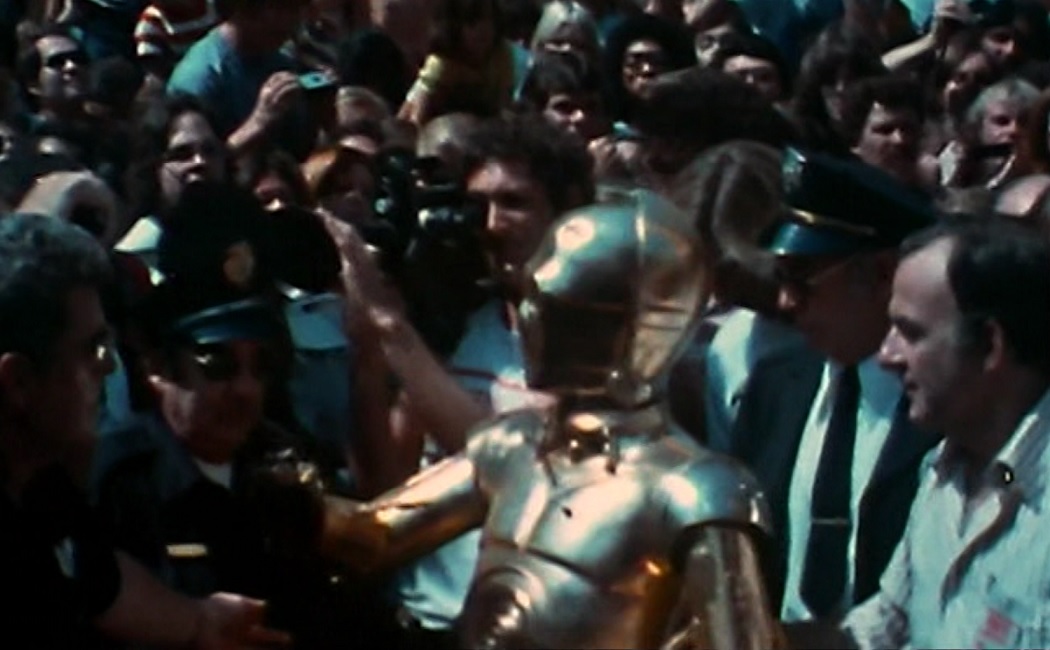
By now, the auteurs had taken over Hollywood. This led to artistic triumphs like Chinatown (1974). But the young directors hadn’t forgotten Corman’s trick of attracting young audiences. In 1975, Spielberg released Jaws, a film that redefined what success looked like in Hollywood. Corman said: “When I saw Jaws I thought: these guys know what I’m doing, and they have the money and talent and skills to do it better.” George Lucas took it even further with Star Wars in 1977. The age of the blockbuster had arrived.

It had taken a decade, but Hollywood was back on its feet. Expensive B-movies like Alien, Superman, and their sequels became the new studio model. For about ten years, directors ruled. That era came to an end in the late ’70s, but it was a glorious decade that produced countless classics – films still regarded today as some of the greatest ever made.

Easy Rider

Director: Dennis Hopper
Written by: Peter Fonda, Dennis Hopper, Terry Southern
Cast: Peter Fonda, Dennis Hopper, Jack Nicholson

Year / Country: 1969, USA
Running Time: 95 mins.

Two American bikers, Billy (Dennis Hopper) and Captain America (Peter Fonda), make a drug deal in Los Angeles, selling a stash of cocaine. They stash the money in plastic tubes hidden inside Captain America’s gas tank, which is decorated in stars and stripes like the American flag. Then they hit the road, heading for the Mardi Gras festival in New Orleans.

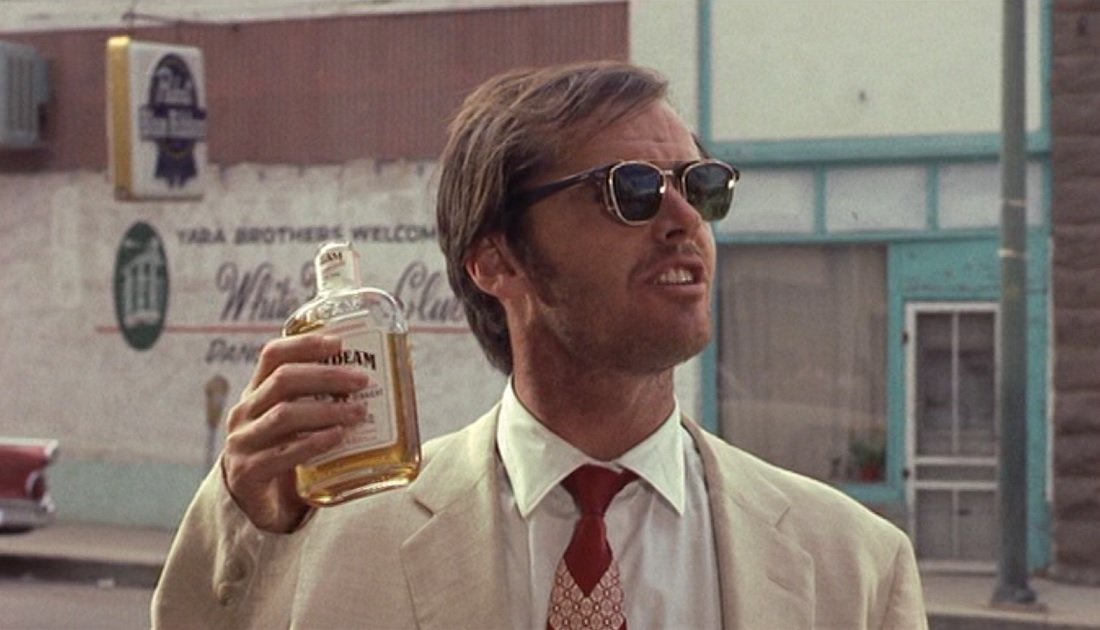
These two are counterculture figures; bikers, yes, but more hippie than outlaw. They ride through the American South and Southwest, camping under the stars, smoking grass by the fire, and drifting freely. Along the way, they encounter fellow wanderers, free-spirited hippie women, and the memorable, alcoholic lawyer George Hanson (Jack Nicholson).

Easy Rider has a unique atmosphere all its own. The film’s striking images of wide-open, desolate landscapes, paired with its incredible rock soundtrack, create a dreamlike sense of freedom. It’s a road movie, yes, but also a time capsule. The tagline sums it up perfectly: ‘A man went looking for America. And couldn’t find it anywhere…’ Throughout the journey, they meet farmers, hippies, rednecks – a cross-section of America. But beneath it all is a deeper tension: a clash between the angry and the peaceful.

The film’s marijuana-smoking scenes feel genuine, and the acid trip near the end is raw and unsettling – likely because the cast actually used real drugs during filming. That honesty helps make Easy Rider the ultimate hippie movie, capturing the spirit and disillusionment of its era.

The film was a surprise box office success, shaking up the Hollywood system and briefly shifting creative power to the directors. For a moment, they – not the studios – understood what audiences really wanted to see. The film became a landmark of New Hollywood, capturing the spirit of the 1960s and earning Hopper an Academy Award nomination for Best Original Screenplay.

Rating:

Biography: Dennis Hopper (1936, Kansas – 2010, Los Angeles) was an American actor, director, writer, and artist known for his intense screen presence and deep ties to countercultural cinema. Hopper began his career in the 1950s with small roles in films like Rebel Without a Cause (1955), alongside James Dean. His early work in Hollywood was promising, but his rebellious nature and substance abuse problems often put him at odds with studios. He achieved cult status with Easy Rider (1969), which he co-wrote, directed, and starred in alongside Peter Fonda. He continued his directing career with a mix of critical and commercial disappointments, as well as a few moderately successful films. As an actor, however, he delivered memorable performances in several major hits, including Blue Velvet and Speed. Beyond his film work, Hopper was also a prolific photographer and painter, with his artwork exhibited in galleries around the world.

Filmography: Mary Jennifer at the Beach (1964, short), Easy Rider (1969), The Last Movie (1971), Out of the Blue (1980), Colors (1988), Catchfire (1990), The Hot Spot (1990), Chasers (1994), Homeless (2000, short), Pashmy Dream (2008, short)

Fear and Loathing in Las Vegas: De ultieme trip van de jaren 70′

Door Jeppe Kleijngeld

‘Uppers are no longer stylish. Methedrine is almost as rare, on the 1971 market, as pure acid or DMT. ‘Consciousness Expansion’ went out with LBJ (Lyndon B. Johnson, red.). . . and it is worth noting, historically, that downers came in with Nixon.’
– Fear and Loathing in Las Vegas: A Savage Journey to the Heart of the American Dream (1971)

Deze must-read klassieker wordt wel samen met ‘Fear and Loathing: On the Campaign Trail ‘72‘ beschouwd als Gonzo journalist Hunter S. Thompson’s meesterwerk (het is mijn favoriete boek aller tijden). Beide boeken schreef hij in zijn hoogtijdagen begin jaren 70′, een bijzondere, vreemde en bewogen periode waarin Thompson’s creativiteit en talent tot geniale wasdom kwam.

‘We were somewhere around Barstow on the edge of the desert when the drugs began to take hold.’ Dit zijn de beruchte eerste woorden van deze literaire sensatie die veel weg heeft van een op hol geslagen hersenspinsel van Thompson. Zo omschrijft hij het een jaar later dan ook (min of meer) zelf op in ‘Fear and Loathing: On the Campaign Trail 72’. ‘I have a bad tendency to rush off on mad tangents and pursue them for fifty of sixty pages that get so out of control that I end up burning them, for my own good. One of the few exceptions to this rule occurred very recently, when I slipped up and let about two hundred pages go into print… ‘ Hiermee doelt Thompson op de oorspronkelijke tweedelige publicatie van ‘Fear and Loathing in Las Vegas’ in Rolling Stone Magazine op 11 en 25 november 1971.

Ter inspiratie van het Fear and Loathing manuscript gebruikte Thompson twee tripjes naar Las Vegas met goede vriend Oscar Zeta Acosta. Deze latino-activist vormde de basis voor het centrale personage Dr. Gonzo. Het werd een krankzinnig, met drugs en ether doordrenkt verhaal, dat als metafoor diende voor Amerika’s ‘Season in Hell’. De vredige jaren 60′ waren voor veel Amerikanen, waaronder Thompson, geëindigd in een complete depressie. Nixon was gekozen tot president en de volledig uit de klauwen gelopen Vietnam oorlog eiste steeds meer slachtoffers.

‘Fear and Loathing in Las Vegas’ vertelt het verhaal van de heilige missie van twee vrienden, de freak journalist Raoul Duke en zijn psychopathische advocaat Dr. Gonzo, om de Amerikaanse droom te vinden. Als die überhaupt nog bestond. Ze trekken naar Las Vegas (het zenuwcentrum van de Amerikaanse droom) om een woestijnrace te verslaan, maar al snel verlaten ze het werk en maken ze een serie bizarre en beangstigende trips mee. Daarbij trashen ze hotelkamers, komen ze in extreem angstaanjagende en paranoïde situaties terecht, hebben ze bizarre aanvaringen met representanten van de lokale gemeenschap en moeten ze elkaar behoeden voor totale zelfvernietiging.

De Britse cartoonist Ralph Steadman maakte de geniale tekeningen bij het boek

De Britse cartoonist Ralph Steadman maakte de geniale tekeningen bij het boek.

Het is een van de grappigste boeken ooit geschreven. Thompson’s gestoorde en paranoïde gedachtegangen zijn zo hilarisch dat ik het boek vaak moest wegleggen omdat ik te hard moest lachen. Vooral (voormalig) drugsgebruikers zullen zich goed kunnen verplaatsen in Thompson’s waanzinnige observaties en belevenissen. ‘By the time I got to the terminal I was pouring sweat. But nothing abnormal. I tend to sweat heavily in warm climates. My clothes are soaking wet from dawn to dusk. This worried me at first, but when I went to a doctor and described my normal daily intake of booze, drugs and poison he told me to come back when the sweating stopped.’

Bij het herlezen van het boek, vroeg ik me wederom af hoeveel van het verhaal echt is en hoeveel verzonnen. Het antwoord staat (min of meer) in ‘The Great Shark Hunt’, een verzameling eerder gepubliceerd werk van Thompson uitgegeven in 1979. Zoals bij vele klassieke verhalen is de ontstaansgeschiedenis van Fear and Loathing een interessant verhaal op zichzelf. Thompson werkte in deze turbulente dagen van de Amerikaanse geschiedenis aan een artikelenreeks over Ruben Salazar, een Mexicaans-Amerikaanse journalist die naar verluidt was vermoord door een Los Angeles hulpsheriff tijdens een anti-Vietnam demonstratie.

Een van de belangrijkste bronnen van het verhaal was Acosta, maar Thompson kon nauwelijks met hem praten omdat diens militante volgelingen geen blanken dulden in hun omgeving, of die van hun leider. Thompson en Acosta besloten naar Las Vegas te gaan waar Thompson de opdracht had om een verhaal te schrijven over de Mint 400 woestijnrace. Hier konden ze ontspannen praten over de kwestie Salazar. Wat volgde staat allemaal in het boek… Met de nodige toegevoegde waanzin uiteraard.

In het artikel over Fear and Loathing in ‘The Great Shark Hunt’ beschrijft Thompson dit boek als een mislukt experiment in Gonzo Journalistiek. Zijn idee was een notitieblok te kopen en daarin alles op te nemen zoals het gebeurde. Vervolgende wilde hij het notitieblok insturen voor publicatie, zonder enige aanpassing of opmaking. Het oog en de geest van de journalist zouden zo functioneren als de camera. Maar dit is verdomd moeilijk, stelt Thompson. Dus werd het een ander soort verhaal als hij oorspronkelijk in gedachten had.

Het magazine Sport Illustrated, waarvoor hij het Mint 400 verhaal zou schrijven, wezen het manuscript af en weigerden Thompson zijn onkosten te vergoeden. Na het vertrek van Acosta uit Vegas zat Thompson daar met een hotelschuld die hij niet kon betalen. Hij vluchtte uit Nevada en dook onder in Arcadia, nabij Los Angeles. In een week van slapen en schrijven tekende hij het Salazar verhaal op. Maar elke avond rond middernacht werkte hij ter ontspanning een paar uurtjes aan het ‘gestoorde’ Las Vegas verhaal.

Toen hij weer in San Francisco kwam bij het hoofdkwartier van Rolling Stone Magazine om het Salazar verhaal door te lopen, nam uitgever Jann Wenner het Vegas manuscript, dat inmiddels 5.000 woorden omvatte, serieus als losstaande publicatie. Thompson kreeg een publicatiedatum en geld om er verder aan te werken. Het eindresultaat kan ik onmogelijk beter omschrijven dan Thompson zelf; ‘Fear and Loathing in Las Vegas will have to be chalked off as a frenzied experiment, a fine idea that went crazy about halfway through… a victim of its own conceptual schizophrenia, caught & finally crippled in that vain, academic limbo between ‘journalism’ & ‘fiction’. And then hoist on its own petard of multiple felonies and enough flat-out crime to put anybody who’d admit to this kind of stinking behavior in the Nevada State Prison until 1984.’

In de oorspronkelijke publicatie in Rolling Stone Magazine stond ‘geschreven door Raoul Duke’. Thompson was bang in de problemen te raken als hij onder zijn eigen naam zou publiceren, omdat hij zichzelf in het verhaal toch afschildert als dronken, hallucinerende crimineel. Toen het boek uitkwam in 1971 waren de kritieken wisselend, maar er waren veel critici die het werk herkende als belangrijke Amerikaanse literatuur. Daarnaast werd het boek een groot cult succes. ‘Fear and Loathing in Las Vegas’ grijpt perfect de zeitgeist van de periode na de jaren 60’ en veel fans voelden zich hierdoor aangetrokken.

In 1996 kwam er een audioboek versie uit van Margaritaville Records and Island Records om het 25 jarige bestaan van het boek te vieren. De stemmen werden verzorgd door Harry Dean Stanton (verteller/Hunter S. Thompson), Jim Jarmusch (Raoul Duke) en Maury Chaykin (Dr. Gonzo). Misschien komt omdat ik de film vaak gezien hebt met de briljante optredens van Johnny Depp en Benicio Del Toro, maar ik vond het een erg slechte audio adaptatie. De stemmen kloppen niet bij de karakters die verbeeld worden en de acteurs lijken zich niet echt in te leven in de teksten.

Het boek was ook voorbestemd om ooit verfilmd te worden. Dit duurde echter een lange tijd. Beroemd animator Ralph Bakshi wilde er een tekenfilm van maken in de stijl van cartoonist Ralph Steadman die de briljante illustraties bij het boek verzorgde, maar dit ging niet door. Tijdens het langdurige ontwikkeltraject van de film zijn verschillende acteurs overwogen. In eerste instantie waren dat Jack Nicholson en Marlon Brando als Raoul Duke en Dr. Gonzo, maar zij werden te oud. Daarna werden Blues Brothers Dan Aykroyd en John Belushi overwogen, maar dat idee ging overboord toen Belushi overleed. Later werd John Malkovich overwogen voor de rol van Duke, maar ook hij werd te oud. Daarna werd John Cusack overwogen die een toneelversie van Fear and Loathing had geregisseerd. Maar toen ontmoette Thompson Johnny Depp en hij raakte ervan overtuigd dat Depp de aangewezen persoon was om Duke te spelen.

De film, geregisseerd door Terry Gilliam, en met Johnny Depp en Benicio Del Toro (als Dr. Gonzo) kwam uit in 1998 en werd – net als het boek – een groot cult succes.

Icon 15 - Bats

Two-Lane Blacktop

Director: Monte Hellman
Written by: Rudolph Wurlitzer, Will Corry
Cast: James Taylor, Dennis Wilson, Laurie Bird, Warren Oates

Year / Country: 1971, USA
Running Time: 98 mins.

After winning a late-night drag race, the driver (James Taylor) and his friend, the mechanic (Dennis Wilson), leave Los Angeles in their gray ’55 Chevrolet. They embark on an aimless road trip, stopping only for food, gas, and the occasional driving challenge. Along the way, they pick up a free-spirited hitchhiker (Laurie Bird) and continue their journey eastward. Their path repeatedly crosses with a 1970 Pontiac GTO, driven by a boastful older man (Warren Oates), leading to a high-stakes cross-country race to Washington, D.C. for ownership of their cars.

This is not a summary of the story, but it’s the whole story. The film unfolds as a meditation on existentialism, where racing becomes a metaphor for life itself. The characters drive not toward any clear destination but toward an uncertain fate, embodying the restless, aimless energy of drifters. Tellingly, none of the main characters even have names, emphasizing their roles as archetypes of the disillusioned wanderer.

Watching this film feels like stepping into a time capsule. Much like American Graffiti, it captures the spirit of a bygone era – an America of the early 1970s, defined by hippies, muscle cars, and rock ‘n’ roll. The minimalist storytelling is complemented by striking cinematography, making the open road a central character in its own right.

Two-Lane Blacktop is more than a movie; it’s a raw, unvarnished piece of Americana. A snapshot of a world long past, it stands as a beautiful, haunting testament to a fleeting time and place in American culture.

Rating:

Biography: Monte Hellman (1932, New York) studied drama at Stanford University and film at UCLA. He joined legendary producer Roger Corman and made his film debut with Beast From Haunted Cave, an enjoyable 50’s creature flick. Hellman teamed up with Jack Nicholson and together they made two low-budget flicks in the Philippines, one written by Nicholson. They continued the co-op and made two more films together, this time Westerns. Once again Nicholson wrote the screenplay for one of them (Ride in the Whirlwind). Hellman then made Two-Lane Blacktop, which did well with critics, but bad at the box-office. After making a couple more cult movies, Hellman mostly worked as second-unit director, editor and executive producer for acclaimed directors such as Samuel Fuller, Paul Verhoeven and Quentin Tarantino. His latest directing effort was a segment of the horror anthology Trapped Ashes.

Filmography: Beast from Haunted Cave (1959), Flight to Fury (1964), Back Door to Hell (1964), Ride in the Whirlwind (1965), The Shooting (1967), Two-Lane Blacktop (1971), Cockfighter (1974), Baretta (1975, TV), The Greatest (1977), China 9, Liberty 37 (1978), Inside the Coppola Personality (1981), Iguana (1988), Silent Night, Deadly Night III: Better Watch Out! (1989), Stanley’s Girlfriend (2006, short), Trapped Ashes (2006, segment ‘Stanley’s Girlfriend’)